Minnesota Goose Zones and Seasons
Trying to keep up with Minnesota's goose hunting regulations can feel like chasing a flock of honkers across a stubble field – just when you think you've got them pinned down, they change direction! Between varying zone boundaries, early season starts, regular season splits, and late-season extensions, it's enough to make even a seasoned waterfowl hunter scratch their head. This comprehensive guide will walk you through the ins and outs of Minnesota's goose zones and seasons, helping you understand where and when you can legally pursue these magnificent birds, no matter which part of our beautiful state you call home or plan to hunt.
Unraveling Minnesota's Goose Management Strategy
It might seem complicated, but there's a good reason behind Minnesota's system of goose zones and staggered seasons. The Department of Natural Resources (DNR) doesn't just pull these dates and boundaries out of a hat; they're based on extensive research, population data, and the behavior of different goose populations throughout the state. Understanding this underlying logic can help you make more informed decisions about where and when to hunt.
The Rationale Behind Goose Zones
Minnesota is a vast state, stretching from the prairie potholes in the west to the dense forests of the north and the rolling bluff country in the southeast. This diverse landscape supports different populations of geese, each with unique migration patterns and breeding habits. For instance, the resident Canada goose population, which nests and raises its young within Minnesota, behaves very differently from the migratory Canada geese or the various species of light geese (snow and Ross's geese) that pass through the state on their way south.
Creating specific goose zones allows the DNR to manage these populations more effectively. They can tailor season lengths and bag limits to target specific groups of birds, whether it's reducing an overabundant resident population in one area or protecting a more sensitive migratory flock in another. Without these zones, a one-size-fits-all approach would either be too restrictive for some areas or not restrictive enough for others, leading to potential ecological imbalances or missed hunting opportunities. It’s all about finding that delicate balance to ensure healthy populations for future generations of hunters.
DNR's Approach to Population Management
The DNR's primary goal in waterfowl management is to maintain healthy, sustainable populations of geese while providing ample recreational hunting opportunities. This involves rigorous monitoring, banding programs, and harvest surveys. They work closely with federal agencies and other state wildlife departments to track migration corridors and understand the larger flyway dynamics. For example, the Mississippi Flyway, which a significant portion of Minnesota's migratory geese utilize, is a huge consideration in setting regulations.
The management strategy often focuses on two main goose categories: giant Canada geese (our local, resident birds) and migratory Canada geese, along with the distinct light goose populations. Resident geese are often abundant, sometimes causing nuisance issues in urban and agricultural areas, which leads to longer, more liberal seasons in many parts of the state. Migratory geese, on the other hand, might require more conservative approaches, especially if their breeding grounds or migration corridors are experiencing challenges. The DNR frequently adapts these strategies based on data gathered each year, which is why it's crucial for hunters to always check the most current regulations before heading afield. Keeping up-to-date helps you understand the bigger picture of conservation and responsible hunting.
The Major Goose Zones in Minnesota
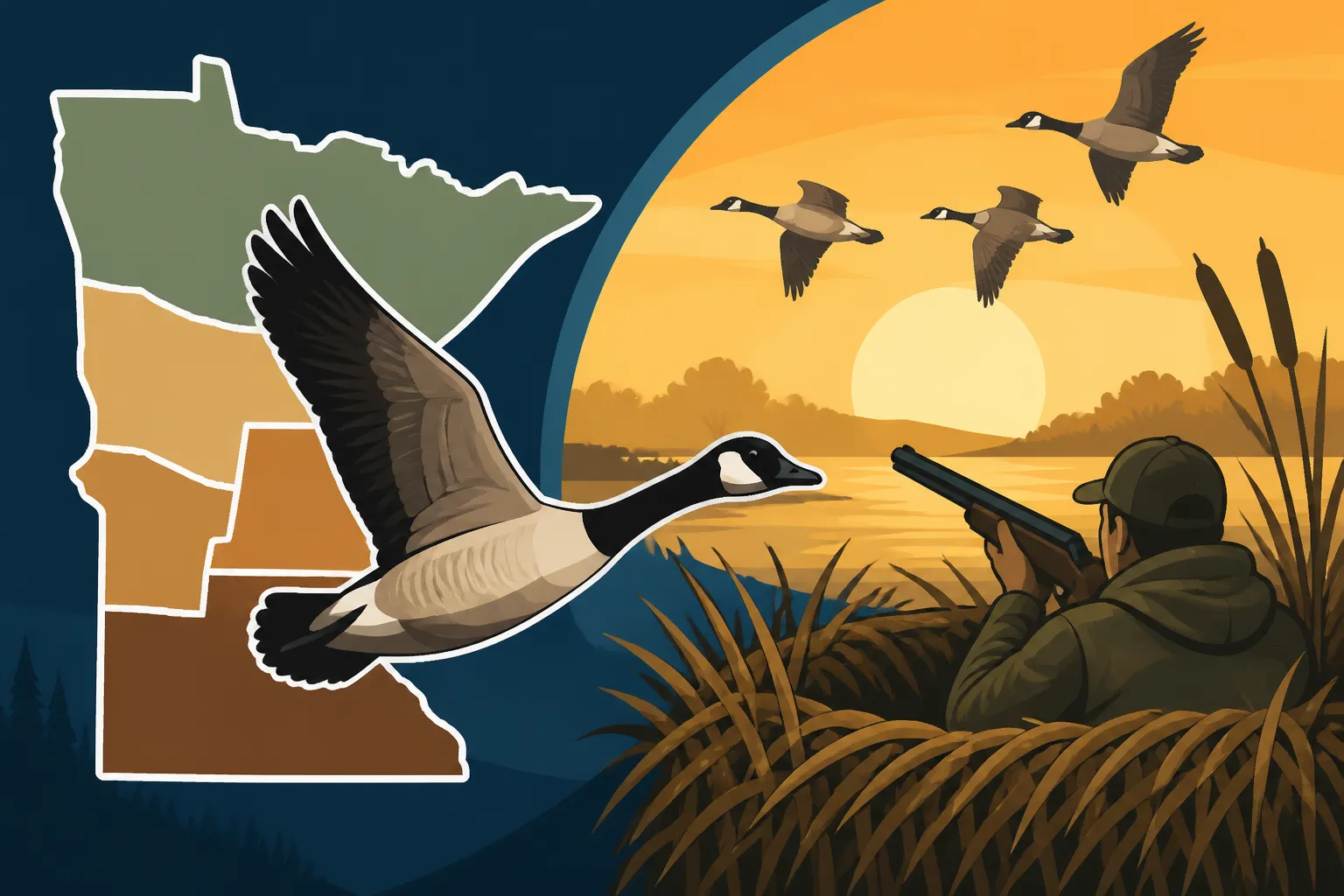
To help manage these diverse populations and migration patterns, Minnesota is divided into three primary goose zones. Each zone has its own specific regulations, opening and closing dates, and sometimes even different bag limits during the various season segments. Knowing which zone you're hunting in is the absolute first step to planning a successful and legal goose hunt.
The West Central Goose Zone (WCGZ)
The West Central Goose Zone is a critical area for both resident and migratory Canada geese, especially given its proximity to the prairie pothole region and its extensive agricultural lands. This zone encompasses a significant portion of west-central Minnesota, generally known for its fantastic waterfowl habitat and consistent goose activity. You'll find a mix of wetlands, lakes, and vast crop fields that attract and hold geese throughout the fall.
The WCGZ often has distinct season dates, particularly for the regular goose season, to account for the influx of migratory birds that push through this part of the state. Hunters in this zone are often targeting large numbers of migrating Canada geese that stage in the vast fields before continuing their journey south. Understanding the specific WCGZ regulations is paramount, as dates and bag limits can differ considerably from the other zones. If you're planning on hunting pheasants in southwest Minnesota farmland, you might find yourself in prime goose country too, making it a great place to combine hunts, but always double-check those zone boundaries.
The Southeast Goose Zone (SEGZ)
The Southeast Goose Zone, as its name implies, covers the southeastern corner of Minnesota, a region often characterized by its beautiful bluff country, the Mississippi River valley, and fertile agricultural areas. This zone is particularly important for geese as it lies along the Mississippi River, a major waterfowl migration corridor. Large numbers of Canada geese, especially those migrating from northern breeding grounds, utilize the river's backwaters and the surrounding fields for resting and feeding.
The SEGZ tends to have season structures that aim to provide opportunity while also considering the heavy migratory traffic and the often-dense hunter pressure along the river. Because of the unique geography and the concentration of both resident and migratory birds, the DNR might implement specific dates here that reflect localized goose activity. Hunters pursuing Hunting the Mississippi River Backwaters for ducks might also find excellent goose opportunities, but again, familiarizing yourself with the precise boundaries and dates for the SEGZ is crucial for compliance. The concentration of geese in this area can be incredible, but so can the crowds, so careful planning is key.
The Remainder of the State Zone (RSZ)
The Remainder of the State Zone is, quite simply, all parts of Minnesota that are not included in either the West Central Goose Zone or the Southeast Goose Zone. This vast area covers northern Minnesota's forests and lakes, the central lakes region, and parts of the southwest not in the WCGZ. It's a hugely diverse zone, with goose hunting opportunities ranging from agricultural fields in central Minnesota to small lake potholes in the north.
While the RSZ generally has more uniform season dates than the other two specialized zones, it's still subject to annual adjustments. This zone often sees more of the initial pushes of migratory geese from Canada as they enter the state, as well as a healthy resident population. Many hunters in the RSZ focus on pass-shooting local birds or decoying smaller flocks over water bodies or harvested fields. Even if you're primarily focused on Grouse and Woodcock Hunting in Minnesota in the northern forests, you might stumble upon a small lake holding geese in the RSZ, so it's always good to be aware of the season dates for the region you're in. This zone offers a wide variety of hunting experiences, from heavily worked farm fields to secluded forest ponds.
Early Goose Season: Getting Out There Before the Main Push
For many goose hunters, the early goose season is a cherished opportunity to shake off the rust, scout new areas, and get some birds in the bag before the main waterfowl season really kicks into gear. It’s also a crucial management tool designed primarily to target Minnesota's abundant resident giant Canada geese, which often breed and summer within the state.
Early September Hunts: Local Birds
Minnesota's early goose season typically opens in early September, usually around the first or second day of the month. This timing is strategic: it's before the vast majority of migratory Canada geese from Canada have arrived, meaning hunters are primarily targeting the local, often overabundant, resident populations. These birds have spent the summer feeding and nesting in Minnesota, and their numbers are often quite robust.
Hunting during this period requires a bit of a different strategy than later in the fall. Local geese are often patterned to specific feeding fields (like cut corn, pea fields, or alfalfa) and loafing areas (local ponds, lakes, or even golf courses). Scouting before the season is absolutely critical to locate these birds and understand their daily routines. Many early season hunts involve setting up large decoy spreads in agricultural fields or ambushing birds as they fly between roosting and feeding sites. The weather can still be quite warm in early September, so planning for comfortable clothing and proper game care is important. Learning to identify these local patterns is a key skill.
Key Dates and Bag Limits for Early Season
The early goose season typically runs for about three weeks in most parts of the state, but the exact dates and bag limits can vary slightly year to year and sometimes even by zone, though generally, the entire state shares similar early season regulations for Canada geese. It's usually a liberal season with a generous bag limit, reflecting the DNR's goal to manage the healthy resident population.
For instance, a common regulation might see a daily bag limit of 10 Canada geese, with a possession limit of 30. This allows hunters significant opportunity to harvest birds. However, it's vital to always consult the official Minnesota DNR hunting regulations supplement each year to confirm the exact dates and limits for the specific zone you plan to hunt. These regulations are subject to change based on population surveys and management objectives. Remember, federal regulations also apply, especially concerning things like lead shot restrictions near water. For example, the Minnesota DNR website (or a service like GoHunt, which often compiles regulation summaries) is your best friend for verifying these critical details.
Here's a generalized table of typical Early Goose Season dates and limits, but always check current DNR regulations:
| Goose Zone | Start Date (Approx.) | End Date (Approx.) | Daily Bag Limit (Canada Geese) | Possession Limit (Canada Geese) |
|---|---|---|---|---|
| Statewide (for Early Season) | September 1st | September 20th-22nd | 10 | 30 |
Regular Goose Season: Main Hunting Periods
Once the early season closes, there's usually a short break before the regular goose season opens, often coinciding with the statewide duck opener. This is when the main migratory pushes begin, and hunters can experience some truly epic waterfowl action as new birds arrive in Minnesota from their northern breeding grounds.
Main Season Structure by Zone
The regular goose season is where the zone-specific regulations truly come into play. Each of Minnesota's three goose zones – West Central, Southeast, and Remainder of the State – will have its own set of opening and closing dates, often with mid-season splits. These splits are designed to manage harvest pressure and align with bird migration patterns. For instance, a zone might have an early segment in October, close for a period, and then reopen for a later segment in November or December.
- West Central Goose Zone (WCGZ): This zone often sees an earlier closure for Canada geese during the regular season, reflecting intense hunting pressure and efforts to ensure a portion of migrating birds can pass through unmolested.
- Southeast Goose Zone (SEGZ): Due to its position on the Mississippi Flyway, the SEGZ often has a season structure designed to capitalize on the sustained migratory traffic. Seasons here might run later into the fall, sometimes with multiple splits to accommodate different waves of birds.
- Remainder of the State Zone (RSZ): This vast zone typically has the most continuous regular season for Canada geese, often running from late September or early October well into November or early December, depending on snow cover and bird availability.
Hunters need to pay extremely close attention to these zone-specific dates and splits. Missing a season opener or hunting during a closed period can lead to serious legal trouble. Many hunters will plan trips specifically for certain zones to take advantage of these different schedules. For those looking at Hunting Minnesota Now That Rifles Are Legal Statewide, remember that waterfowl hunting with rifles is still generally prohibited, and shotguns are the primary method.
Daily Bag and Possession Limits
During the regular goose season, the daily bag and possession limits for Canada geese are typically more conservative than those during the early season. This is because the regular season targets a broader mix of both resident and migratory birds, and the goal is to provide a sustainable harvest for all populations. A common daily bag limit for Canada geese during the regular season is 3, with a possession limit of 9.
However, it's not just Canada geese you might encounter. Minnesota also has seasons for light geese (Snow and Ross's geese). These birds, particularly snow geese, can be incredibly numerous, and their regular season bag limits are often much more liberal, sometimes reaching 20 per day with no possession limit, especially during specific conservation order seasons. White-fronted geese also have their own specific bag limits, which are usually quite conservative (e.g., 2 per day).
These numbers are critical to remember while in the field. Accurately identifying goose species is a key skill every waterfowler should develop. Carrying a printed copy of the regulations or having them readily accessible on your phone through an app like GoHunt can save you a lot of headaches and ensure you stay within the legal limits. Proper identification prevents accidental over-harvest of protected or limited species.
Late Goose Season Opportunities: Extending the Hunt
As winter truly sets in across Minnesota, many hunters might think the goose season is over. However, for those dedicated enough to brave the cold, late goose season offers some unique and often very productive opportunities to extend the waterfowl hunt well into December and even January in some areas.
December and January Opportunities
Minnesota often offers extended goose seasons into December and sometimes even into the first week or two of January, particularly in certain zones or specific permit areas. These late seasons are designed to allow hunters to target geese that remain in the state, often concentrated in areas with open water and readily available food sources, such as waste grain in harvested fields. The presence of corn and bean stubble fields, coupled with rivers or lakes that stay open due to currents or industrial discharge, creates ideal late-season holding grounds.
Hunting during this time often requires specialized gear and tactics. Geese in late season are incredibly wary, having been hunted for months. Large, realistic decoy spreads, often numbering in the hundreds, are common. Hunters will rely heavily on layout blinds for concealment in open fields or carefully constructed natural blinds along riverbanks. Scouting for current feeding patterns and migration routes becomes even more paramount. You might be targeting birds that have pushed south from Canada and are now making their final stops before truly bitter cold sends them further south. Being able to adapt to changing weather patterns and extremely wary birds is a hallmark of a successful late-season hunter.
Special Considerations for Late Season Hunts
Late-season goose hunting comes with its own set of challenges and considerations beyond just wary birds. The weather is a significant factor; temperatures can plummet, bringing deep snow and biting winds. Proper layering, warm insulated boots, and reliable cold-weather gear are essential for comfort and safety during these long, often motionless waits. You'll want to review your Clothing for a Minnesota November strategies and upgrade them for December and January.
Access can also be an issue. Snowfall can make rural roads difficult to navigate, and frozen ground can complicate decoy setups. Additionally, the availability of open water dwindles, concentrating birds on the remaining unfrozen areas, which can lead to increased hunter competition. Hunters should also be mindful of rapidly changing ice conditions on lakes and rivers. Safety should always be your top priority. Furthermore, late-season regulations can be highly specific. Some late seasons might only apply to certain species (like snow geese) or in particular zones. It is absolutely crucial to double-check the most current DNR regulations for these late-season opportunities, as they are often adjusted annually based on observed bird numbers and weather conditions.
Essential Regulations and Licensing
Beyond just knowing the zones and season dates, there are a host of other critical regulations and licensing requirements that every Minnesota goose hunter must understand and adhere to. Overlooking any of these can quickly turn a fun day afield into a costly and frustrating experience.
License and Stamp Requirements
Before you even step foot in a field or near a water body with the intention of hunting geese, you need to ensure you have all the necessary licenses and stamps. For resident hunters aged 16 to 64, this typically includes a valid Minnesota small game license, a Minnesota migratory bird stamp (often called a duck stamp, but it covers all migratory birds), and a federal waterfowl stamp. Non-residents will need a non-resident small game license and the state and federal stamps. Additionally, every migratory bird hunter, regardless of age, must also register with the Harvest Information Program (HIP). This is often done when purchasing your state license and is a critical federal requirement.
These licenses and stamps are not just pieces of paper; they fund vital conservation efforts that directly benefit waterfowl populations and habitat. The federal duck stamp, for instance, has conserved millions of acres of wetlands across the country. Remember that junior hunters (under 16) have different requirements, often needing only the federal stamp if they are accompanied by a licensed adult. You can purchase licenses online through the Minnesota DNR eLicense system, at authorized agents, or by phone. Always carry proof of your licenses and stamps while hunting, whether physical copies or on your mobile device. For details on various license types, refer to guides like Minnesota Resident Hunting License Options or Minnesota Nonresident Hunting License Options.
Important Goose Hunting Regulations
Minnesota's goose hunting regulations extend beyond just dates and bag limits, covering everything from legal shooting hours to methods of take and baiting rules. Here are some of the most crucial:
- Shooting Hours: Legal shooting hours for waterfowl in Minnesota begin one-half hour before sunrise and end at sunset. This is a strict rule, and violating it can lead to heavy fines. Always carry a reliable light source for walking in and out in the dark.
- Method of Take: Geese can only be taken with shotguns, 10-gauge or smaller, capable of holding no more than three shells (plugged to a total capacity of three, including one in the chamber). Bows and crossbows are also legal, but rifles and pistols are generally prohibited for migratory birds.
- Nontoxic Shot: Federal regulations mandate the use of nontoxic shot (steel, bismuth, tungsten-iron, etc.) for all waterfowl hunting, including geese. Lead shot is strictly prohibited. This is an environmental measure to protect waterfowl from lead poisoning.
- Baiting: It is illegal to hunt geese over bait. This includes any placed food, grains, or substances that lure birds. Hunting over naturally occurring agricultural crops or crops that have been manipulated for agricultural purposes (e.g., harvested fields) is generally permissible, but understanding the nuances of baiting laws is critical.
- Decoys: There are generally no limits on the number of decoys you can use for geese in Minnesota, allowing for those massive spreads commonly seen in fields.
- Blaze Orange: Unlike deer hunting, there are no blaze orange requirements for waterfowl hunters actively hunting from a blind or stationary position. However, if you are walking to or from a blind or through areas where other hunting might be occurring, wearing some blaze orange is always a good safety practice. You can learn more about general requirements in Minnesota Blaze Orange Requirements.
Understanding and respecting these regulations is not just about avoiding tickets; it's about ethical hunting and contributing to the responsible management of Minnesota's incredible waterfowl resources. Resources like the GoHunt platform often integrate these regulations into their mapping tools, making it easier to stay informed while planning your hunts.
Minnesota Goose Zones and Typical Season Framework
This table provides a general overview of Minnesota's goose zones and typical season frameworks. Always consult the current Minnesota DNR hunting regulations annually for precise dates, bag limits, and specific area exceptions. Dates are approximate and subject to change.
| Season Segment | West Central Goose Zone (WCGZ) | Southeast Goose Zone (SEGZ) | Remainder of the State Zone (RSZ) | Typical Daily Bag Limit (Canada Geese) |
|---|---|---|---|---|
| Early Goose Season | Sept 1 – ~Sept 20 | Sept 1 – ~Sept 20 | Sept 1 – ~Sept 20 | 10 |
| Regular Season (Segment 1) | ~Sept 24 – ~Oct 10 | ~Sept 24 – ~Oct 10 | ~Sept 24 – ~Oct 10 | 3 |
| Regular Season (Segment 2) | (Often closed) | ~Oct 22 – ~Nov 20 | ~Oct 22 – ~Dec 10 | 3 |
| Regular Season (Segment 3) | (Often closed) | ~Dec 2 – ~Dec 20 | ~Dec 15 – ~Dec 31 | 3 |
| Late Season | (Limited or Closed) | ~Jan 1 – ~Jan 15 (specific areas) | (Limited or Closed) | 3 (Varies, specific to late seasons) |
| Light Goose Conservation Order | ~Feb – ~Mar | ~Feb – ~Mar | ~Feb – ~Mar | 20 (No possession limit) |
Note: Light Goose (Snow/Ross's) seasons often have very liberal bag limits and separate dates, sometimes extending into spring. White-fronted goose limits are typically 2 per day statewide.
Disclaimer
The information provided in this guide is for general informational purposes only and should not be considered legal advice. Hunting regulations are complex and subject to change by the Minnesota Department of Natural Resources (DNR) and federal agencies. It is the responsibility of every hunter to review and understand the most current official Minnesota hunting regulations pamphlet or website before engaging in any hunting activity. Failure to comply with all applicable laws and regulations can result in penalties.