How Many Wolves Minnesota Has
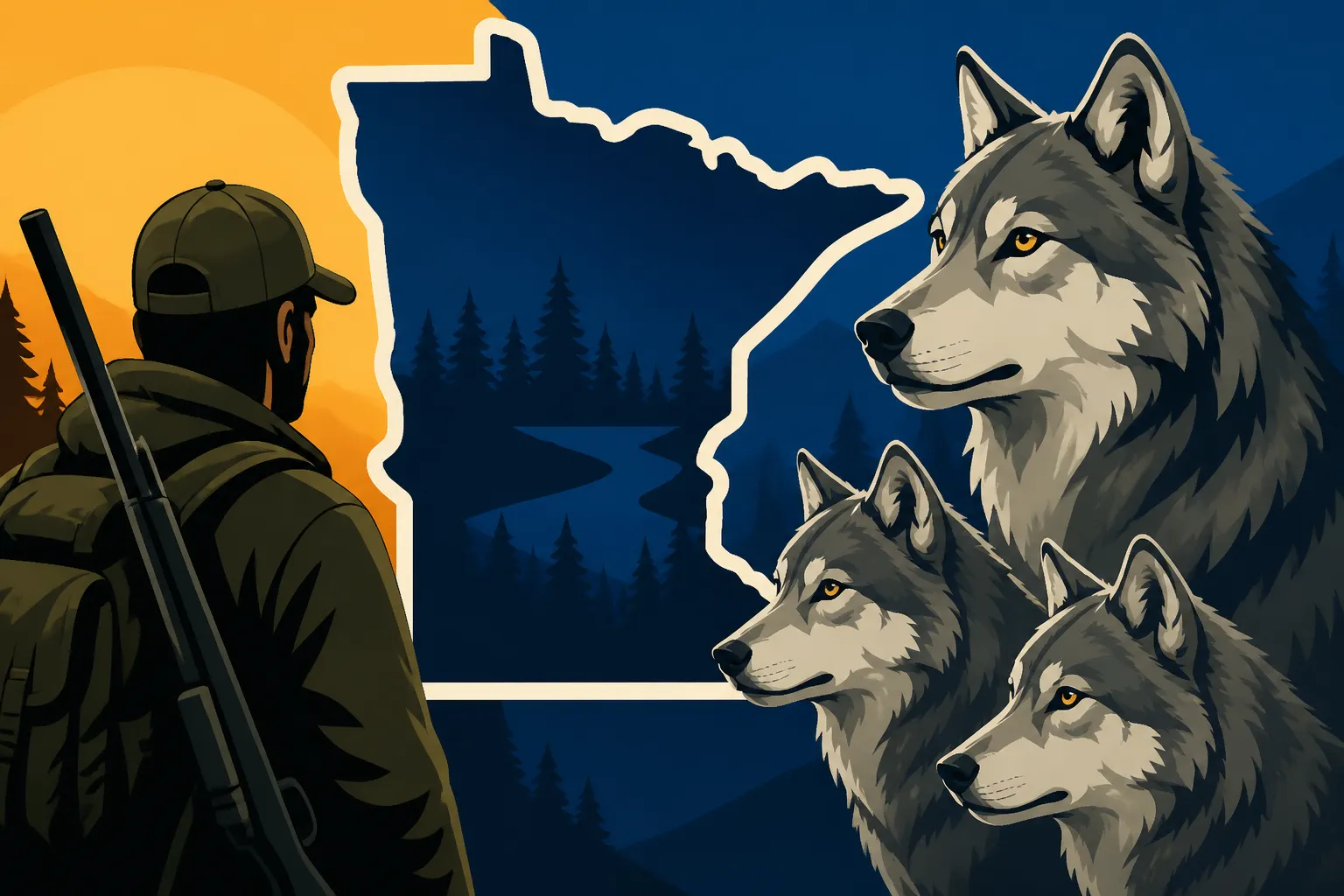
The question of "how many wolves Minnesota has" is one that fascinates, and sometimes concerns, nearly every hunter, trapper, and outdoor enthusiast who spends time in our state's wild places. You hear stories, see tracks, and maybe even get lucky enough to glimpse a shadow moving through the timber, and it leaves you wondering just how many of these elusive predators truly call Minnesota home. It’s not just a number on a page; it impacts everything from deer populations to how we plan our hunts, and getting a clear picture can feel like trying to nail Jell-O to a tree. This guide aims to shed some light on the various ways we try to estimate their numbers and what factors truly influence the presence of these magnificent animals in the North Star State.
The Historical Context of Minnesota's Wolves
Minnesota holds a unique place in the continental United States: it’s the only one of the Lower 48 states that has maintained a continuous, viable gray wolf population since European settlement. That's a pretty remarkable fact when you consider the widespread eradication efforts that took place across most of the country throughout the 19th and early 20th centuries. For decades, wolves were viewed as vermin, a direct threat to livestock and game animals, leading to bounty programs and aggressive hunting and trapping.
By the mid-20th century, wolf populations in Minnesota were at their lowest, clinging to existence in the most remote reaches of our northern forests, particularly in areas like the Boundary Waters Canoe Area Wilderness and the surrounding Superior and Chippewa National Forests. These vast, untamed landscapes provided the solitude and prey base necessary for their survival. Then, in the 1970s, a critical shift occurred with the implementation of the federal Endangered Species Act (ESA). Wolves were listed as endangered, which brought an end to active persecution and initiated a period of recovery.
Over the following decades, with legal protection and suitable habitat, Minnesota’s wolf population began a slow but steady rebound. They gradually expanded their range from the deep wilderness into more peripheral forested areas, and even occasionally into agricultural transition zones. This recovery has been a source of immense pride for conservationists, but it's also led to ongoing discussions and sometimes heated debates among hunters, farmers, and wildlife managers about the balance between a healthy predator population and the impact on other game species, particularly our beloved white-tailed deer. Understanding this history is crucial to grasping the current status and management of wolves here in Minnesota. You can see how deeply tied this history is when you look at how their numbers have ebbed and flowed alongside human policy and land use.
Understanding Minnesota's Wolf Population Estimates
When we talk about "how many wolves Minnesota has," it's important to understand that we're dealing with estimates, not precise headcounts. Wolves are incredibly intelligent, elusive, and wide-ranging animals that live in rugged terrain. Counting every single one would be an impossible task, much like trying to count every squirrel in your local woodlot! So, wildlife agencies rely on scientific methods to give us the best possible approximation of their numbers. These methods have evolved over time, becoming more sophisticated as technology and ecological understanding improve.
One of the primary ways biologists have traditionally estimated wolf populations is through winter track counts. Imagine flying over vast snowy landscapes in northern Minnesota, or driving snowmobile transects, specifically looking for wolf tracks. By identifying individual pack territories and estimating the number of wolves in each pack based on track patterns and sizes, researchers can piece together a regional picture. This method is heavily dependent on good snow conditions and requires a highly trained eye, as distinguishing between multiple wolves traveling together and a single wolf's varied tracks takes significant skill. It's a snapshot, offering a minimum number, but it helps establish trends.
Beyond tracks, other methods play a crucial role. Howling surveys involve researchers going into known wolf territories and attempting to elicit a response by howling. The number of wolves that respond, and the sound of their howls (adults versus pups), can help estimate pack size and reproductive success. Scat analysis, where wolf droppings are collected and analyzed for DNA, can identify individual wolves and help confirm pack sizes and territories without ever seeing the animals themselves. Newer technologies, like remote trail cameras and GPS collars, have also become invaluable. Collaring a handful of wolves within a pack allows researchers to study their movements, pack dynamics, and interactions with other packs over long periods. While expensive, this data provides incredibly detailed insights into wolf behavior and population structure. When I'm thinking about setting up trail cameras for deer, I often wonder about what else is moving through that timber, and these same camera techniques are vital for wolf research. If you're using a mapping tool like GoHunt, you might even be able to overlay past wolf sighting data or known pack territories, though direct access to scientific data can be harder to come by.
Here's a simplified look at the methodologies:
| Method | Description | Pros | Cons |
|---|---|---|---|
| Winter Track Surveys | Identifying and counting wolf tracks in snow along established routes. | Relatively cost-effective, good for estimating minimums. | Highly dependent on snow conditions, can underestimate if tracks are not fresh or clear. |
| Howling Surveys | Eliciting vocal responses from wolves to estimate pack size and presence. | Confirms presence and can indicate successful breeding. | Not all packs respond, difficult to get exact numbers, weather-dependent. |
| Scat & DNA Analysis | Collecting and analyzing wolf droppings for genetic identification. | Identifies individuals, confirms pack structure. | Labor-intensive, expensive, finding scat is challenging. |
| GPS Collaring | Attaching satellite collars to wolves to track movement and gather data. | Provides detailed movement, habitat use, and survival data. | Very expensive, difficult to capture and collar wolves, small sample size. |
| Citizen Science | Reporting of sightings, tracks, and howling by the public. | Broadens data collection, engages public. | Variable reliability, difficult to verify, can be anecdotal. |
These methods, when used in combination, provide a more robust and comprehensive estimate. It's truly a testament to dedicated wildlife biologists and their ongoing efforts to understand Minnesota's Black Bear Population and other large game animals across our diverse landscapes.
Current Trends and Factors Influencing Wolf Numbers
Minnesota's wolf population isn't static; it ebbs and flows, influenced by a complex web of environmental factors, prey availability, and human interaction. While exact numbers fluctuate annually, and the methods for estimating them are constantly being refined, general trends give us a good sense of their health and distribution. For many years, the population has been considered stable and healthy within its primary range, typically holding around the numbers that led to their eventual delisting from the federal Endangered Species Act.
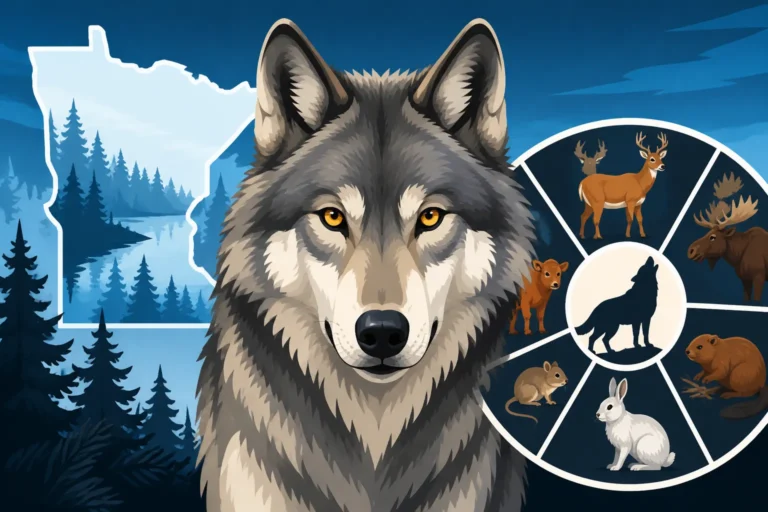
One of the most significant factors influencing wolf numbers is, without a doubt, the abundance of their primary food source: white-tailed deer. Our state is home to a robust deer herd, particularly in the northern forests where wolves are most prevalent. When deer populations are strong, wolves generally thrive. Conversely, severe winters or disease outbreaks that impact deer can lead to a dip in wolf numbers a year or two later, as it affects pup survival and overall pack health. It's a classic predator-prey relationship, and understanding Minnesota Deer Population Estimate is key to understanding wolf dynamics. Other prey animals, like moose and beaver, also contribute to their diet, especially in specific regions, but deer are the backbone.
Habitat availability and connectivity also play a huge role. While wolves can be incredibly adaptable, they still require large, relatively undisturbed areas to establish territories, raise pups, and hunt effectively. The vast expanses of the Superior and Chippewa National Forests, along with state forests and large tracts of private industrial timberland, provide critical habitat. As human development encroaches on these areas, or as roads become more prevalent, it can fragment habitat and impact wolf movement patterns and survival. Disease, such as parvovirus or mange, can also cause localized declines in wolf populations, though large-scale outbreaks that threaten the entire state population are less common.
Finally, human factors, even when indirect, always play a part. Vehicle collisions, illegal killing, and management strategies (even just monitoring without active hunting) all contribute to the overall picture. The balance between allowing a thriving wolf population and mitigating conflicts with livestock or perceived impacts on game herds is an ongoing challenge for wildlife managers. Many hunters, using resources like GoHunt to scout public lands, often find themselves thinking about these predator-prey dynamics when they see less deer sign in areas known for wolf activity. It's a natural concern, and understanding the science behind the population estimates helps provide perspective on what can sometimes feel like anecdotal observations in the field. The state's management goals often revolve around maintaining a viable population while also addressing these conflicts and concerns, aiming for a sustainable balance for all of Minnesota's wildlife, from the smallest grouse to the largest White-Tailed Deer Across Minnesota.
Where Minnesota's Wolves Primarily Range
If you've spent any significant time in the deep woods of northern Minnesota, particularly north of a line drawn roughly from Taylors Falls on the St. Croix River across to Moorhead, you've likely already stepped foot into Minnesota's primary wolf range. This vast area, encompassing over a third of the state, is where the vast majority of our wolf population resides and thrives. It's not a hard-and-fast border, of course; wolves are opportunists and explorers, and individuals or small packs can certainly wander much further south. However, their established territories and core populations are firmly rooted in the northern forested regions.
Think about the counties up north: St. Louis, Lake, Cook, Itasca, Koochiching, Beltrami, Cass, Hubbard, Becker, Mahnomen, Clearwater, Polk, Red Lake, Pennington, Marshall, Roseau, and Lake of the Woods. These are the strongholds. These areas offer the perfect combination of dense forest cover, relatively low human population density, and, most importantly, a consistent prey base of white-tailed deer. The rugged terrain, with its mix of pine, spruce, balsam fir, and aspen forests, interspersed with countless lakes, rivers, and swamps, provides ideal habitat for both the wolves and the animals they hunt. This is where you're most likely to see tracks on a logging road, hear a distant howl on a crisp night, or even catch a fleeting glimpse of a gray shape through the trees. For anyone exploring Superior and Chippewa National Forest Hunting opportunities, understanding the presence of wolves is just part of the wilderness experience.
While the core range is in the north, it’s not uncommon to hear reports of wolves pushing further south, particularly into areas with suitable habitat corridors or during periods of high population density. These peripheral movements might lead a lone wolf or a dispersing juvenile to venture into counties like Pine, Carlton, Aitkin, or even further down towards the central part of the state. However, these are generally transient individuals, and sustained breeding populations typically don't establish themselves outside the main northern range due to factors like increased human activity, more fragmented habitat, and potentially less consistent large prey.
When you're out Scouting Minnesota Public Land Before Season or planning a hunt in the north, it's wise to be aware of the wolf's presence. While encounters are rare, knowing you're sharing the woods with such formidable predators adds an undeniable element of wildness to your experience. Personally, when I'm pouring over aerial maps using tools like GoHunt or similar platforms, I'm not just looking for deer sign; I'm also thinking about potential predator travel routes, especially in remote areas. Identifying dense cover, remote clear-cuts, or natural funnels helps understand where both deer and wolves might be moving. Where Minnesota Wolves Live is largely dictated by these factors, making careful observation and research a valuable part of any northern Minnesota hunting or outdoor adventure.
Disclaimer
This article is for general informational purposes only and does not constitute professional advice. Laws, prices and regulations vary by location and change over time. Consult a qualified professional for guidance on your specific situation.