Minnesota Mallard and Wood Duck Numbers
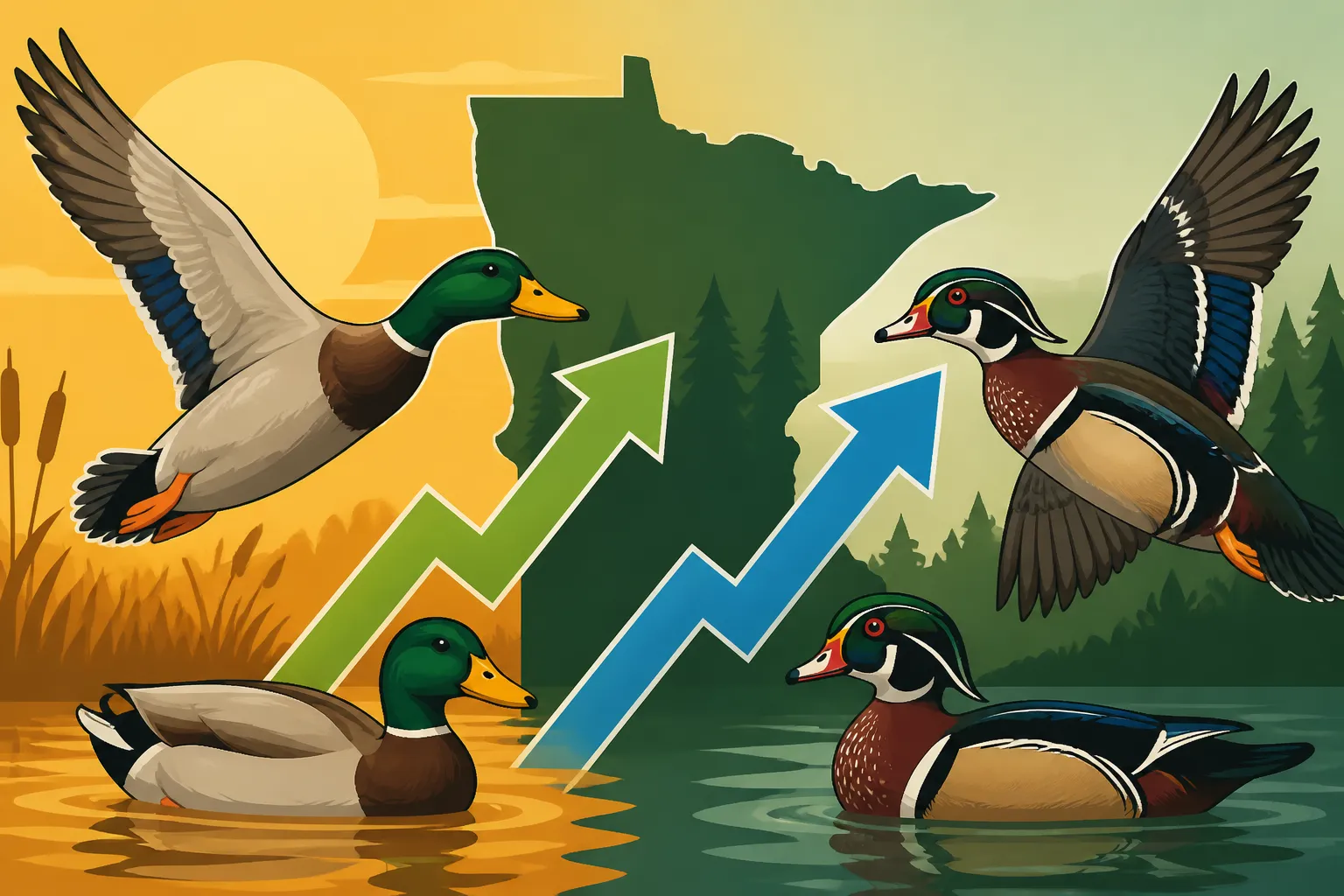
For Minnesota duck hunters, there's a constant buzz around the numbers – specifically, how our beloved mallards and wood ducks are faring. It’s a frustrating dance, really, trying to predict what the season will hold when so many factors are at play, from distant prairie potholes to the conditions right in our own backyards. This guide aims to pull back the curtain on the science and the on-the-ground reality of mallard and wood duck populations in Minnesota, giving you a clearer picture of what influences your hunting success.
The Dynamic World of Minnesota Mallard Populations
Mallards are the quintessential duck for so many of us in Minnesota, instantly recognizable, widespread, and often the first bird that comes to mind when you think of a fall hunt. But their numbers are constantly in flux, making them a fascinating, if sometimes challenging, species to pursue. Understanding these shifts is key to anticipating your season.
How Mallard Numbers Are Counted: The Big Picture
When we talk about mallard numbers, we're often looking at a continental scale. The United States Fish and Wildlife Service and Canadian Wildlife Service conduct extensive aerial breeding ground surveys each spring, primarily focusing on the prairie pothole region that stretches across the northern U.S. and southern Canada. This vast area, often called "the duck factory," is where the majority of mallards, and many other dabbling ducks, hatch and begin their lives. These surveys provide crucial data on breeding pair estimates, which then inform harvest strategies and bag limits across the flyways, including our own Mississippi Flyway. A good water year up north means more successful nests, more ducklings, and generally, more birds flying south come fall. Conversely, drought in these critical breeding grounds can significantly reduce the overall population, leading to tighter restrictions and fewer birds reaching Minnesota.
Local Factors Shaping Minnesota's Mallards
While the continental picture is vital, local conditions in Minnesota also play a huge role in what you see on opening day. We have a mix of mallards that breed right here in our state and those that migrate down from further north. The health of our own wetlands, agricultural practices, and predator populations can affect the success of our resident mallard breeding efforts. Think about those local marshes and small potholes that dot the landscape – if they dry up in a summer drought, even strong continental numbers might not translate to a strong local presence. On the flip side, a healthy network of diverse wetlands, from sedge marshes to flooded timber, can hold a surprising number of local birds, giving hunters opportunities even when the overall migration is slow. Resources like Minnesota Waterfowl Production Area Basics highlight some of the prime local habitats managed for these birds.
The Impact of Weather and Habitat on Breeding Success
The weather, both in the prairie breeding grounds and here in Minnesota, dictates so much. A wet spring that fills potholes and marshes creates ideal nesting conditions, providing cover for hens and abundant invertebrate food for ducklings. However, too much rain can lead to flooded nests. Drought, as mentioned, is perhaps the biggest natural enemy to breeding success, as it shrinks vital wetland habitat. Beyond weather, habitat quality is paramount. Undisturbed nesting cover, often in grasslands adjacent to wetlands, helps reduce predator impact. The loss of these critical nesting habitats to agriculture or development directly impacts mallard production. Understanding the annual reports on these factors can give you a better idea of what to expect each season. Minnesota's Prairie Pothole Ducks dives deeper into the specific dynamics of this critical region.
Wood Ducks: A Forested Wetland Success Story
Wood ducks, with their stunning plumage and preference for timbered waters, offer a completely different hunting experience than mallards. Their population dynamics are often more stable, and in many areas, their numbers have seen remarkable recovery thanks to dedicated conservation efforts.
Understanding Wood Duck Habitat Preferences
Unlike mallards that primarily nest on the ground in grassy uplands, wood ducks are cavity nesters. This means they rely on natural tree cavities or artificial nest boxes in or very near water. Their preferred habitat often includes flooded timber, beaver ponds, river backwaters, and wooded swamps. In Minnesota, you'll find them scattered throughout the forested regions, particularly along river systems and in areas with mature trees adjacent to wetlands. This distinct habitat preference means their populations are less directly affected by prairie drought conditions and more by the health of our forests and local water levels. If you're hunting in areas like the Hunting the Mississippi River Backwaters, you're likely in prime wood duck country.
Wood Duck Population Stability and Growth
The story of the wood duck is a true conservation success. Once severely impacted by habitat loss and overhunting in the early 20th century, their numbers have rebounded dramatically. This recovery is largely attributed to regulations like shorter seasons and bag limits, coupled with extensive nest box programs and the regeneration of timbered wetlands. Their reliance on local habitat means that sustained efforts in managing wooded wetlands and placing nest boxes have a direct, positive impact on their breeding success. In many parts of Minnesota, wood duck populations are robust, and hunters can often count on seeing good numbers, especially early in the season.
Conservation Strategies Tailored for Woodies
Conservation for wood ducks focuses heavily on habitat preservation and enhancement. Protecting forested riparian zones, encouraging timber management that leaves large trees with potential cavities, and maintaining water levels in wooded swamps are all critical. The widespread deployment of wood duck nest boxes by individuals, hunting clubs, and conservation organizations has also been hugely successful. These artificial cavities provide safe nesting sites in areas where natural ones might be scarce, directly boosting local production. Hunters contribute to these efforts through duck stamp purchases and license fees, which fund wetland acquisition and restoration.
Translating Numbers to Your Minnesota Hunt
Knowing the continental and local duck numbers is one thing, but translating that information into a successful hunting strategy on a cold Minnesota morning is another entirely. It's about combining the big picture with hyper-local scouting.
Regional Variations in Mallard and Wood Duck Encounters
Minnesota is a large state with diverse waterfowl habitats, and what you see in one region might be very different from another. In the prairie regions of western and southern Minnesota, you might expect to see more migrant mallards, especially as the season progresses and northern birds push south. The success of your hunt there often hinges on the water levels in local potholes and cornfields. The eastern and central parts of the state, with their mixed forests and lakes, can hold both resident mallards and strong wood duck populations, particularly in early season. Up north, in the vast forests, wood ducks thrive in secluded beaver ponds and river systems, while mallards might be found on larger lakes and managed impoundments. Understanding these Minnesota Duck Zone Boundaries can help you narrow down your expectations.
When planning your hunts, consider the timing. Wood ducks are early migrants; they're often the first to arrive and the first to leave as colder weather sets in. Mallards, especially the northern migrants, tend to stick around longer, often until freeze-up, becoming a primary target in late-season hunts. This timing influences your Minnesota Duck Daily Bag Limit strategy.
Scouting for Success: Finding the Ducks This Season
No matter what the population estimates say, scouting remains the most important factor in finding birds. Ducks are creatures of habit and opportunity, always looking for food, water, and security.
- For Mallards: Look for birds in harvested grain fields (especially corn), shallow marshes with abundant natural foods, and larger lakes with wild rice beds. During the early season, shallow water and emergent vegetation are key. As the season progresses and colder weather hits, focus on sheet water in cornfields and areas with open water that remain unfrozen. Using aerial imagery from tools like GoHunt can be incredibly helpful for pinpointing these areas, showing you satellite imagery and public land boundaries that might hold hidden pockets of ducks. Observing flight patterns in the evenings can tell you where they're feeding, giving you a perfect spot for a morning setup. Reading a Pothole for a Morning Flight offers great insight into understanding these smaller water bodies.
- For Wood Ducks: Concentrate on timbered wetlands, slow-moving creeks, beaver ponds, and river backwaters. They love dense cover, so don't be afraid to get into thick stuff. Walk-in access areas with wooded edges near water are often overlooked gems. In the mornings, they'll fly from roosts to feeding areas, often in small, tight groups, weaving through the trees. Look for acorns and other mast crops along wooded edges, as they are a favorite food source.
Season Timing and Daily Bag Limits: What to Expect
Minnesota's waterfowl seasons are carefully structured based on these population estimates and migration patterns. Early teal season in September often kicks things off, followed by the regular duck season. The timing of the regular season is split across different zones to account for varying migration patterns across the state. It's crucial to stay up-to-date on the official Minnesota Waterfowl Zones and Seasons and specific bag limits for mallards and wood ducks, as these can change annually based on breeding success. For instance, sometimes the daily bag limit for mallards might be generous, but there could be restrictions on the number of hen mallards. Wood ducks typically have a more conservative bag limit due to their slower reproduction rate compared to mallards. Remember, you'll also need your Minnesota Federal Duck Stamp Requirement and Minnesota HIP Certification for Bird Hunters before heading out.
The Future of Minnesota's Favorite Ducks: Conservation in Action
The good news is that both mallards and wood ducks are subjects of intense conservation efforts, and hunters are at the forefront of supporting these initiatives. The future of our duck populations in Minnesota largely depends on continued dedication to habitat preservation and smart management.
The Role of Hunters and Organizations in Population Management
Hunters are arguably the most significant contributors to waterfowl conservation. Every time you purchase a federal duck stamp or a state hunting license, a portion of that money goes directly towards wetland acquisition, restoration, and management. Organizations like Ducks Unlimited, Delta Waterfowl, and the Minnesota Waterfowl Association work tirelessly, often in partnership with the Minnesota DNR, to secure and enhance critical wetland habitats. These efforts benefit not just mallards and wood ducks, but countless other wetland-dependent species. From restoring drained potholes to planting nesting cover and installing wood duck boxes, these groups are hands-on, directly impacting the numbers you see each fall. It's a testament to the North American Model of Wildlife Conservation, where funding from hunters directly supports the health of game species and their habitats.
Ongoing Challenges and Opportunities for Waterfowl
Despite the successes, challenges remain. Habitat loss continues to be a major threat, particularly in the prairie pothole region where agricultural pressures can lead to the draining of wetlands. Climate change and its impact on water availability and extreme weather events also pose long-term risks. However, there are also opportunities. Advances in precision agriculture might allow for more habitat-friendly farming practices. Continued investment in programs like the Conservation Reserve Program (CRP) that set aside grassland for nesting cover is vital. Research into disease management, like avian influenza, is ongoing to protect populations.
As hunters, our role extends beyond financial contributions. It includes being ethical stewards of the land, respecting bag limits, actively participating in habitat projects, and advocating for sound wildlife policy. By staying informed and engaged, we help ensure that Minnesota continues to be a haven for mallards, wood ducks, and all migratory waterfowl for generations to come.
Mallard vs. Wood Duck Characteristics for Hunters
| Feature | Mallard | Wood Duck |
|---|---|---|
| Primary Habitat | Prairie potholes, agricultural fields, larger marshes, open water | Timbered wetlands, beaver ponds, river backwaters, wooded swamps |
| Nesting Site | Ground nests in dense upland vegetation | Tree cavities or nest boxes over/near water |
| Migration Timing | Arrive early, many stay late into freeze-up | Arrive early, generally migrate south earlier in the fall |
| Diet | Omnivorous; grains, seeds, aquatic plants, invertebrates | Acorns, seeds, aquatic plants, insects |
| Flight Speed | Strong, steady, often high | Fast, erratic, adept at flying through timber |
| Bag Limit (Typical) | Often higher, with hen restrictions | Generally lower, emphasizing conservation |
| Vulnerability to Drought | Highly vulnerable due to prairie breeding | Less vulnerable; relies on forested water |
Disclaimer
This article is for general informational purposes only and does not constitute professional advice. Laws, prices and regulations vary by location and change over time. Consult a qualified professional for guidance on your specific situation.