Why Popple Cuts Grow Grouse
For anyone who’s ever chased ruffed grouse through the timber, you know the frustration of walking mile after mile of seemingly perfect woods only to kick up nothing but squirrels. It feels like these elusive birds are playing a cruel game of hide-and-seek. But what if I told you there’s a secret ingredient to finding more grouse, a specific type of habitat that practically screams "grouse heaven"? This guide will unravel the mystery of why popple cuts – those freshly logged or regenerating stands of aspen – are absolute magnets for ruffed grouse in Minnesota, and how you can use this knowledge to fill your vest.
The Fundamental Appeal: Why Aspen is Grouse Gold
Ruffed grouse aren’t just any birds; they're specialists when it comes to habitat. They don't just "live in the woods." They thrive in very particular conditions, and across Minnesota, those conditions are most consistently found within aspen, or "popple" as we often call it up here. Understanding why this is the case is the first step to becoming a more successful grouse hunter. It’s all about survival, from a chick’s first peck to a mature drumming cock.
First and foremost, aspen provides an unparalleled food source. Think about a grouse's diet: it's not a gourmet affair, but it needs to be reliable and nutritious. In winter, when snow blankets the ground and other food sources are locked away or gone, ruffed grouse rely heavily on the flower buds of male aspen trees. These buds are packed with energy and are readily available high off the ground, safe from deep snow. A bird can feed on these buds for hours, literally stuffing its crop to survive the bitter cold Minnesota nights. During spring and summer, the tender leaves and catkins (those fuzzy, dangling things) of aspen are a staple, along with various berries and insects found in the understory of young aspen stands. It's a year-round buffet that other tree species just can't match in terms of consistent availability and nutritional value for grouse.
Beyond food, aspen provides critical cover, and this is where the "cuts" come into play. Ruffed grouse are ground-dwelling birds, vulnerable to a host of predators from goshawks and great horned owls swooping from above, to coyotes and foxes prowling below. They need dense, impenetrable cover to escape detection and to evade pursuit. Young aspen stands, particularly those that have regenerated after a timber harvest, create an incredibly thick tangle of saplings. Imagine hundreds, if not thousands, of young aspen shoots per acre, often growing shoulder-to-shoulder. This dense vertical cover breaks up the outline of a grouse, makes it difficult for predators to see them, and slows down any aerial attack. A predator bird trying to dive into such a thicket risks serious injury. On the ground, the sheer density makes it almost impossible for a coyote to move quickly enough to catch a flushed grouse. This "escape cover" is non-negotiable for grouse survival, especially for vulnerable broods of chicks. You'll often find these birds feeding on an edge, but always with that thick cover just a few feet away, ready to dive into at the first sign of danger. It's a constant balancing act between foraging and security.
Finally, aspen stands offer ideal drumming sites. Male grouse, especially in spring, need a prominent, secure spot to perform their drumming display to attract mates and announce their territory. These drumming logs are usually large, fallen trees, often within a dense stand of young aspen. The young aspen surrounding the log provides visual obstruction and cover, making the drumming bird feel safe enough to display. The log itself elevates the bird slightly, allowing the sound to carry further. While the log isn't aspen, the surrounding habitat – the popple cut – is what makes that log viable for a drumming grouse. This intricate relationship between the food, cover, and breeding requirements of the ruffed grouse and the unique characteristics of aspen explains why "popple cuts" are synonymous with prime grouse hunting in Minnesota.
The Life Cycle Connection: How Logging Creates Prime Habitat
It might seem counterintuitive to think that cutting down trees is good for wildlife, but for ruffed grouse, timber harvesting, particularly of aspen, is absolutely essential. The life cycle of aspen dictates that it thrives on disturbance, and this natural process perfectly aligns with the grouse's habitat needs. Understanding this dynamic is key to predicting where grouse will be.
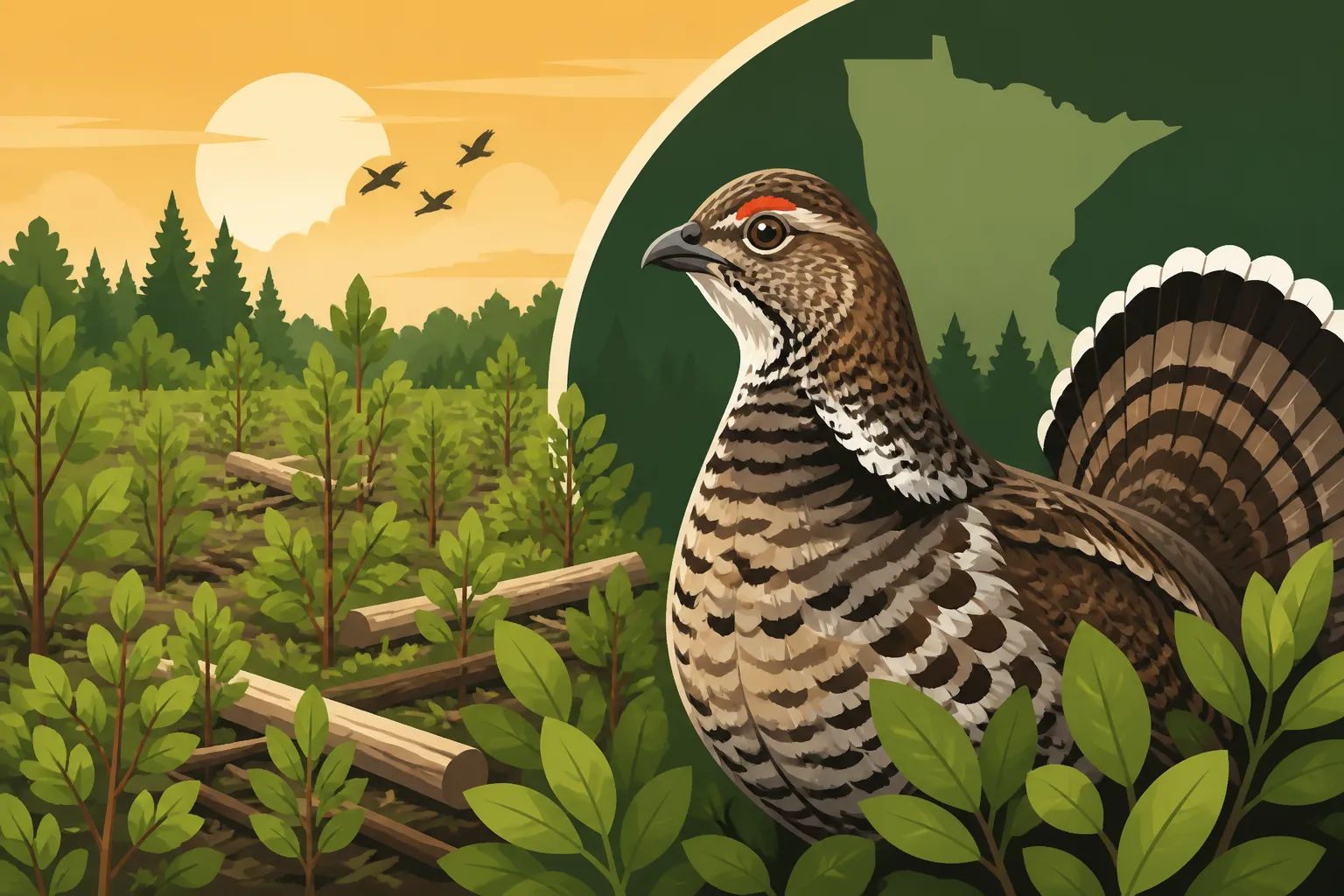
Aspen is a pioneer species. This means it's one of the first tree species to colonize an area after a major disturbance, like a wildfire or a clear-cut logging operation. Unlike many other trees that reproduce by seed, aspen primarily regenerates by sending up thousands of suckers from its root system when the parent trees are cut or killed. This process is called "suckering," and it's incredibly robust. When a stand of mature aspen is clear-cut, the sudden influx of sunlight to the forest floor, combined with the intact root system, triggers an explosion of new growth. Within a year or two, an area that was once a mature forest floor can become a dense, impenetrable thicket of young aspen saplings. This is the "popple cut" you're looking for.
This rapid, dense regeneration creates that vital escape cover we discussed. Imagine a hunter trying to walk through a stand of 5-foot-tall aspen saplings that are growing so close together you can barely push through them. That's exactly the kind of cover a grouse needs. As these aspen stands grow, they provide a continuous progression of habitat benefits. The youngest stands (1-5 years old) are incredibly dense, perfect for brood cover. As they mature (5-15 years), they offer excellent foraging and continued escape cover, while also providing budding opportunities as the trees grow taller. Eventually, these stands mature further, providing those crucial winter buds and, when they eventually fall, drumming logs for the next generation.
The magic truly happens when land managers or timber companies engage in practices that create a mosaic of different age classes of aspen. A forest that's all one age, whether young or old, won't hold as many grouse as a forest with a varied age structure. Grouse need a mix: some young, thick stuff for security and summer food, some slightly older stands for more mature buds and brooding, and even some mature stands nearby for winter food and occasional drumming logs. This is where good forestry practices come into play, often targeting blocks of aspen for harvest on a rotation. When done correctly, this creates a checkerboard pattern of different-aged stands, ensuring that all of a grouse's life cycle needs are met within a relatively small area. For instance, a clear-cut from five years ago might be adjacent to a 15-year-old stand, which is next to a mature block, providing everything a bird needs in close proximity. This variety minimizes how far a grouse has to travel, keeping them safe and allowing populations to thrive. It’s an ecological dance, and understanding the rhythm of Aspen Management and Minnesota Grouse can transform your scouting efforts.
Hunter's Guide: Locating and Working Popple Cuts
Knowing why popple cuts are good is one thing; knowing how to find and hunt them is another. This is where modern tools and traditional tactics come together to put more birds in your bag. Scouting and strategic hunting are paramount, and the right approach makes all the difference.
Identifying Productive Cuts
The first step is identifying these cuts on a map. This is where technology truly shines for the modern grouse hunter. Detailed aerial photography and land management layers on mapping apps are invaluable. Services like GoHunt allow you to overlay public land boundaries with satellite imagery, which often clearly shows recent logging activity. Look for areas that appear lighter green, almost neon, indicating young, rapidly growing trees, or stark rectangular patterns where clear-cuts have occurred within the last 5-20 years. These will often be adjacent to darker, mature timber. Also, don't overlook areas near alder runs or lowland swamps, as grouse frequently move between these habitat types.
Another key is understanding the age of the cut. While any regenerating aspen is good, the sweet spot for maximum grouse density is often cuts that are between 5 and 15 years old. These stands are typically dense enough for excellent cover, but the trees are tall enough to have developed some buds and provide good foraging opportunities. Cuts older than 20-25 years might start to thin out too much, reducing their value as escape cover, while very recent cuts (1-4 years) can sometimes be too thick to walk through comfortably, although they're excellent brood cover. How Old a Cut Should Be for Grouse is a fascinating topic to dive deeper into for optimizing your scouting. Many state forest management plans, which you can often find online, will even show planned timber harvests, giving you a heads-up on future grouse hot spots. When you're driving through potential areas, keep an eye out for timber sale signs or tell-tale signs of recent logging like logging roads and piles of slash.
Hunting Strategies in Popple
Once you've identified a promising popple cut, the real fun begins. The most effective way to hunt these areas is by systematically walking through them, ensuring you cover as much ground as possible. For those without dogs, this means a slower, more deliberate pace. Think of it like a grid search. Walk parallel lines through the cover, about 20-30 yards apart, staying alert for sudden flushes. Grouse often hold tight, especially on windy days or when temperatures are cool, so you need to be prepared for a close-quarters flush. Don't be afraid to stop and stand still for a minute or two; sometimes a grouse will flush after you pause, having thought you passed by. This "stop and go" technique can be incredibly effective.
If you're lucky enough to hunt with a good bird dog, they'll make the job much easier. A pointing dog will lock up when they scent a bird, allowing you to walk in and prepare for the flush. Even a flushing dog can be a huge asset, covering more ground and pushing birds out that you might have walked past. Just be sure your dog is trained to stay within gun range in this thick cover, as shots will likely be close and fast. Whether you're hunting with or without a dog, always be ready for a shot. These birds burst out of cover with surprising speed. For more detailed insights on working these covers, consider articles like Grouse Hunting Minnesota Popple Cuts or Flushing Grouse Without a Dog.
Regardless of your method, focus on edges. Grouse love edges – where young popple meets mature timber, where a popple cut borders an alder swamp, or along old logging roads and trails within the cut. These transition zones offer easier travel and access to different food sources while still being close to the security of the thick cover. When you find a good cut, don't just walk through it once; try different angles, different times of day. Early morning and late afternoon are often prime times, but grouse can be active all day, especially on overcast days.
Beyond the Buzz: Maximizing Your Popple Hunt
While popple cuts are undeniably the cornerstone of grouse habitat in Minnesota, there are nuances and additional considerations that can elevate your hunting success and overall experience. Thinking beyond just the cut itself can help you unlock even more opportunities.
One often overlooked aspect is paying attention to the weather and time of year. Early in the season (September), grouse might be more spread out, using a wider variety of cover. As the season progresses into October and November, and especially once snow starts to fall, they tend to concentrate more heavily in those dense young popple stands. The colder it gets and the more snow accumulates, the more critical that thermal and escape cover becomes. On crisp, clear fall days, grouse might be more active foraging in slightly more open areas adjacent to the thick stuff. On windy, blustery days, they'll often hunker down deep in the densest cover. Adjusting your strategy based on conditions is a game-changer.
Don't forget that grouse often share their preferred habitats with other game species. While you're focusing on popple for grouse, you might also encounter woodcock, especially in the wetter, alder-rich sections adjacent to aspen. Woodcock Hunting Minnesota Alder Runs can provide great strategies for these migratory birds, which often occupy similar mixed habitat types. Squirrels are almost a guarantee in these woods, and while not the primary target, they can provide a fun bonus hunt if you're carrying the right shotgun load. Even deer will often browse on the young aspen shoots and use the dense cover for bedding, making these cuts good areas for multi-species scouting, especially if you use a tool like GoHunt to visualize terrain and travel corridors.
Finally, managing hunting pressure is important. Popple cuts on public land can sometimes see a lot of foot traffic, especially on weekends. To find unpressured birds, consider venturing further off the beaten path. This might mean walking a bit deeper into a large WMA or State Forest, or using less obvious access points. Sometimes, simply walking an extra quarter-mile can take you into prime, unmolested cover. Using the GoHunt app or other mapping software to identify large blocks of public land with good access but less obvious trails can lead you to forgotten honey holes. When exploring new territory, don't forget to review resources like Scouting Minnesota Public Land Before Season to prepare effectively.
By understanding the intricate relationship between ruffed grouse and aspen, focusing on properly aged popple cuts, and adapting your hunting tactics to conditions and pressure, you'll find that chasing these "thunder chickens" becomes less about luck and more about applied knowledge. Happy hunting!
| Aspen Stand Age (Years) | Primary Benefit to Ruffed Grouse | Hunting Considerations |
|---|---|---|
| 1-5 | Dense escape & brood cover, some food | Very thick, hard to walk; chicks present early season |
| 5-15 | Prime escape cover, abundant food (buds, leaves), drumming logs | Excellent hunting, good visibility just beyond immediate cover |
| 15-25 | Good food source, less dense cover, drumming logs | Still holds birds, but might be easier for predators |
| 25+ | Primary winter bud food source, limited cover | Often hunted for buds, but birds might be in adjacent younger cover |
| Older/Decadent | Source of large drumming logs, poor cover & food | Likely to hold fewer birds overall, unless adjacent to young growth |
Disclaimer
This article is for general informational purposes only and does not constitute professional advice. Laws, prices and regulations vary by location and change over time. Consult a qualified professional for guidance on your specific situation.