Where the Minnesota Elk Herd Came From
For many of us who cherish Minnesota's wild places, the thought of elk roaming our landscapes feels like a whispered tale from a bygone era, or perhaps a dream reserved for hunters out west. It's true that elk are a rare sight in our state today, a magnificent game animal that stirs the imagination and demands respect. But how did these majestic creatures come to be in Minnesota, then disappear, and eventually make a comeback, albeit in very limited numbers? This guide will peel back the layers of time to reveal the fascinating, and sometimes heartbreaking, story of the Minnesota elk herd, from their ancient presence to their modern-day management.
The Original Wilds: Elk Before Settlement
Imagine Minnesota centuries ago, a vast wilderness stretching from the tallgrass prairies of the west to the dense pine forests of the north and east. In this untouched landscape, elk, specifically the Eastern elk subspecies, were not just present, but thriving. They were an integral part of the ecosystem, their migrations shaping the land, and their presence signaling a rich, healthy environment.
These were truly wild animals, much larger than the white-tailed deer we’re so accustomed to. Historical accounts and archaeological findings suggest that elk roamed widely across what would become Minnesota. They weren't just confined to the extreme northwest, where we find them today. Evidence indicates populations likely existed in the prairie-forest transition zones, making use of both open grasslands for grazing and dense timber for cover and winter sustenance. Think of them moving through the big woods areas, leaving trails, browsing on saplings, and interacting with other large native mammals like bison and wolves. Their presence was a testament to the sheer scale and productivity of the pre-settlement wilderness, and to the indigenous peoples who also called this land home, elk were a vital resource.
Disappearance: Why Elk Vanished from Minnesota
The story of the elk's disappearance from Minnesota is, sadly, a familiar one across much of North America. As European settlers pushed westward, bringing with them a new way of life and an insatiable demand for resources, the balance of nature began to shift dramatically. The elk, being large, relatively easy to spot, and providing a considerable amount of meat and hide, became a prime target.
Unregulated market hunting played a massive role in their decline. Unlike subsistence hunting by indigenous communities, which was often tied to sustainable practices, market hunting aimed to maximize profit, leading to the slaughter of animals without regard for population health. Elk were killed by the hundreds, sometimes thousands, for their meat, hides, and even just their antlers. This relentless pressure, combined with massive habitat destruction, sealed their fate. Vast tracts of forest were cleared for timber, prairies were plowed under for agriculture, and burgeoning towns fragmented the landscapes that elk needed to thrive. Without extensive, interconnected habitat and under constant hunting pressure, Minnesota's native elk population dwindled rapidly. By the early 1900s, the last native wild elk in Minnesota was gone, extirpated from the state. It was a profound loss, a silent testament to the impact of unchecked human expansion.
A Second Chance: Early Reintroduction Efforts and Lessons Learned
The realization of the elk's absence was a stark reminder of what had been lost, and by the early 20th century, some visionaries began to dream of bringing them back. These weren't easy undertakings, and they often faced significant challenges, teaching valuable lessons about what it truly takes to reestablish a wild population.
One of the earliest attempts to bring elk back to Minnesota started around 1913, with a release into Itasca State Park. These elk were often sourced from western states, like Wyoming. The idea was to create a protected environment where they could reproduce and, hopefully, eventually spill out into surrounding areas. Another notable effort took place on the Red Lake Indian Reservation. While these initial introductions did establish small, localized herds that persisted for a time, they often didn't lead to truly self-sustaining, free-ranging populations across broader landscapes. The reasons for this varied. Sometimes the numbers released weren't enough to overcome natural mortality or dispersal. Other times, habitat might have been suitable within the protected areas, but the surrounding landscape was still too fragmented or susceptible to poaching pressure.
These early attempts highlighted critical factors for successful reintroduction: large, contiguous habitat with adequate food and cover, protection from poaching, and the introduction of a sufficient number of healthy animals to establish a viable gene pool. It showed that simply dropping elk into an area wasn't enough; comprehensive planning and long-term commitment were essential. It set the stage for later, more successful endeavors, providing invaluable experience for future conservationists.
The Modern Return: Establishing the Kittson and Marshall County Herds
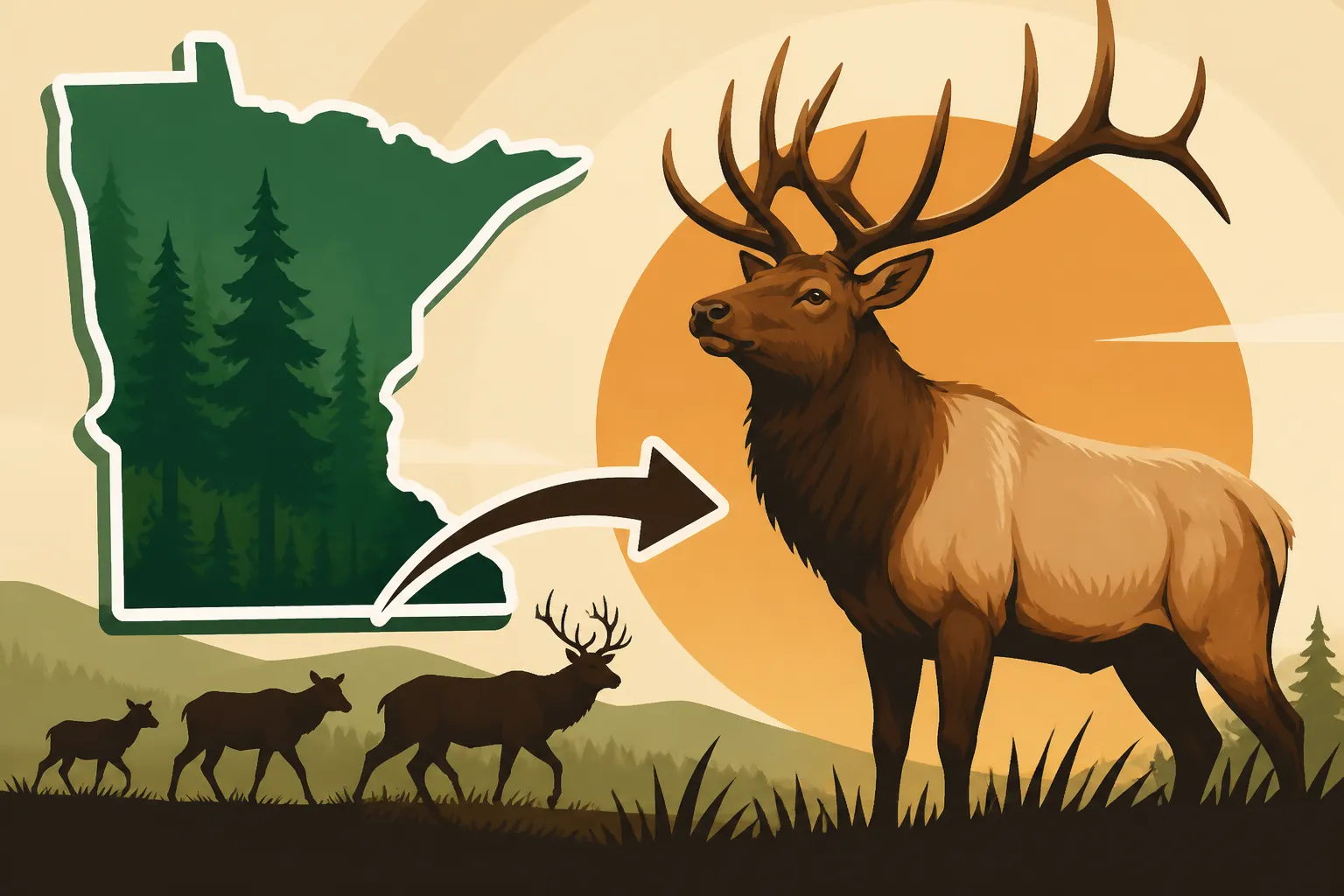
The real success story of bringing wild elk back to Minnesota began much later, in the late 1980s and early 1990s. This effort was a testament to persistent conservation work and careful planning, focusing on specific areas with suitable habitat and reduced human conflict. These modern reintroduction efforts were carefully orchestrated, with elk brought in from Manitoba, Canada.
The primary focus of these reintroductions was in the northwestern part of the state, specifically in Kittson and Marshall counties. This region, characterized by a mosaic of agricultural fields, brushlands, and aspen parklands, offered the kind of diverse habitat that elk need. The presence of large tracts of public land, including state forests and wildlife management areas, also provided crucial refuge and forage areas.
The process involved capturing wild elk in Manitoba, transporting them to Minnesota, and releasing them into designated areas. It wasn't just about moving animals; it was about ensuring their health, genetic diversity, and their ability to adapt to their new home. Over time, these efforts led to the establishment of two main, free-ranging elk herds in Minnesota: the Caribou-Vita herd, which ranges across northern Kittson County and extends into Manitoba, and the Grygla herd, primarily located in southeastern Marshall County. Both herds have grown slowly but steadily, offering a precious glimpse into what was once widespread across the state. Understanding where these specific herds came from helps us appreciate the careful planning that led to their re-establishment. If you're looking into applying for the extremely rare opportunity to hunt one of these animals, a platform like GoHunt, while primarily focused on Western states, can offer excellent research on general elk behavior and habitat characteristics that might inform your scouting, even if the specific Minnesota data is limited to the DNR's resources. Minnesota Elk Application Deadline is an important date for anyone interested in this unique opportunity.
Challenges and Management of Minnesota's Elk Herds
Bringing elk back was a monumental task, but managing them in a modern landscape presents its own unique set of challenges. Minnesota's elk herds, while a conservation success, are relatively small compared to their western counterparts and require continuous, careful management to ensure their long-term viability.
One of the primary challenges revolves around population control and agricultural conflicts. Elk, being large grazers, can cause significant damage to crops, especially in areas where their range borders farmland. This leads to understandable frustrations for farmers who bear the brunt of crop loss. The DNR works closely with landowners to mitigate these issues, often through hazing, fencing, and providing compensation for damages. These efforts are crucial to maintaining tolerance for elk among local communities, which is vital for the herd's survival.
Another significant management aspect is disease, particularly Chronic Wasting Disease (CWD). While Minnesota's wild elk herds have thankfully remained CWD-free to date, the threat is ever-present due to deer populations that may carry the disease. Monitoring is ongoing, and strict regulations are in place to prevent the spread, especially concerning carcass movement. You can learn more about CWD Risk to the Minnesota Elk Herd.
Hunting, though extremely limited, is also a management tool. The Minnesota elk lottery is one of the most difficult tags to draw in the nation, reflecting the small population size and the desire to maintain healthy herds. Only a handful of tags are issued each year, primarily in the Kittson and Grygla zones, allowing for very controlled harvest. This highly restricted hunting helps manage population growth, provides recreational opportunities, and funds further conservation efforts. For hunters dreaming of this once-in-a-lifetime opportunity, understanding Minnesota Elk Lottery Rules is essential, and realizing Why the Minnesota Elk Tag Is Once in a Lifetime highlights the scarcity.
Here's a quick overview of the Minnesota elk journey:
| Era | Elk Status in Minnesota | Key Factors Leading to Change |
|---|---|---|
| Pre-1800s | Widespread, abundant across much of state | Natural ecosystems, indigenous hunting |
| Mid-1800s – Early 1900s | Rapid decline, extirpation by early 1900s | Unregulated market hunting, habitat destruction, agricultural expansion |
| 1913-1930s | Early reintroduction attempts (Itasca, Red Lake) | Mixed success, limited to enclosed areas, challenges with self-sustaining wild herds |
| 1980s – 1990s | Successful reintroduction (Manitoba stock) in NW MN | Dedicated conservation efforts, suitable habitat, community support |
| 2000s – Present | Established, managed herds in NW Minnesota | Ongoing population monitoring, limited hunting, conflict mitigation, disease prevention |
The Future of Minnesota Elk: A Continuing Conservation Story
The presence of elk in Minnesota today is a powerful testament to the dedicated efforts of conservationists and the resilience of wildlife. Though our herds are small, mainly confined to The Kittson and Marshall County Elk Herds, they represent a successful reintroduction story and a commitment to preserving our natural heritage.
The ongoing management of these magnificent animals involves balancing ecological needs with human interests, particularly agriculture. Research into elk behavior, population dynamics, and habitat use is constantly being conducted to inform management decisions. Even for those who may never draw an elk tag, the opportunity to witness these majestic animals, perhaps through Elk Viewing in Northwest Minnesota, is a deeply rewarding experience.
Conservation isn't static; it's a continuous process of adaptation, learning, and dedication. The story of Minnesota's elk is far from over, and with continued support and thoughtful management, these symbols of the wild will hopefully continue to grace our state for generations to come. While comprehensive platforms like GoHunt provide valuable tools for understanding hunting opportunities and landscapes in general, for the specific nuances of Minnesota's unique elk situation, always prioritize information directly from the Minnesota DNR regarding seasons, lottery applications, and regulations, as found in resources like Minnesota Hunting Licenses and What They Cost. Every year, the few Minnesota Elk Season Dates are eagerly anticipated by the lucky few who draw a tag.
Disclaimer
This article is for general informational purposes only and does not constitute professional advice. Laws, prices and regulations vary by location and change over time. Consult a qualified professional for guidance on your specific situation.