Which Minnesota County Kills the Most Deer
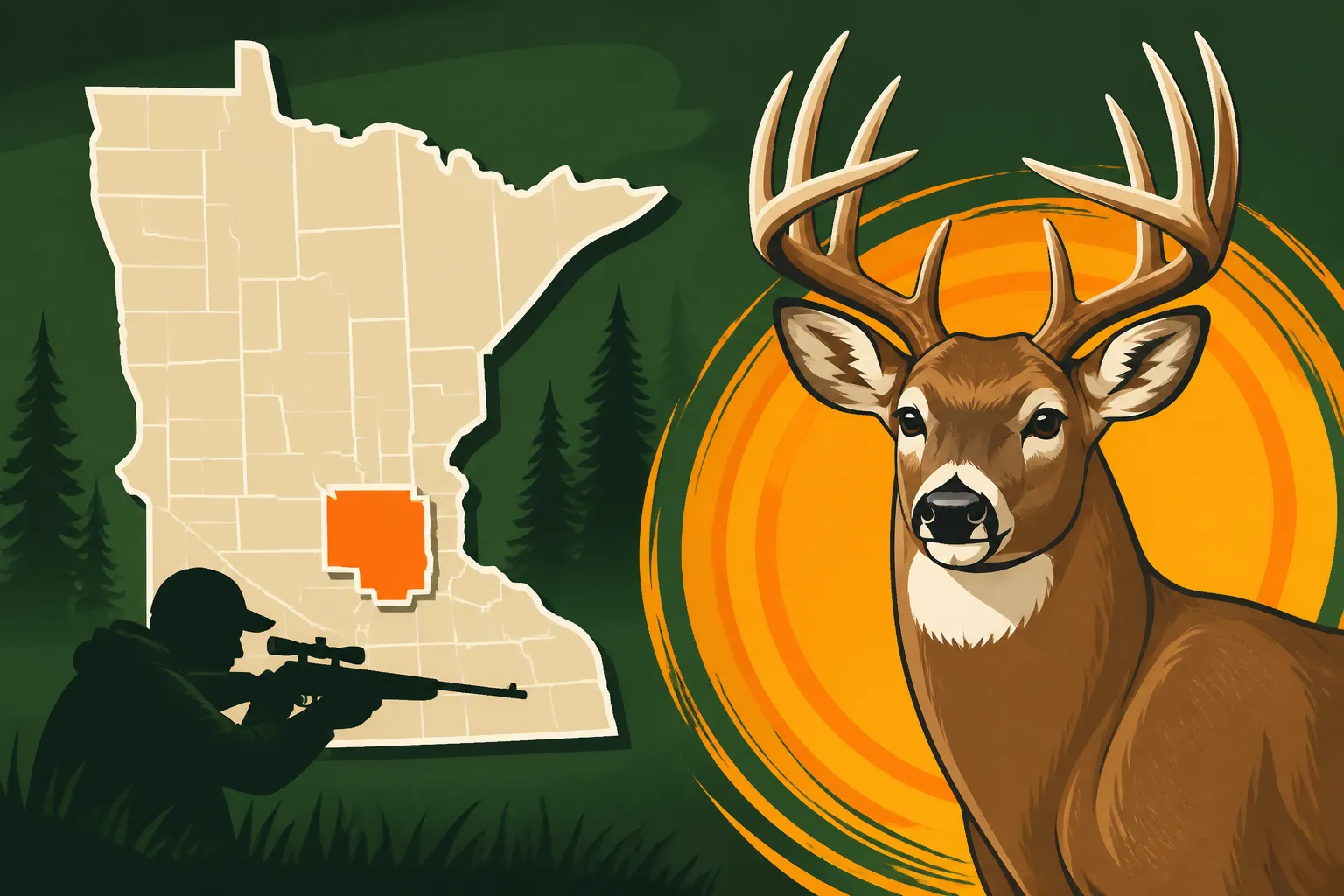
Every Minnesota deer hunter has been there: scrolling through forums, looking at maps, or just leaning against the truck at the local gas station, all wondering the same thing. "Where are they killing the most deer?" It’s a natural question, born from a desire to put venison in the freezer or tag that elusive buck. But figuring out which Minnesota county consistently produces the highest deer harvest numbers involves a lot more than just glancing at a chart; it's about understanding habitat, hunter pressure, and the intricate dance between deer and their environment. This guide will dive deep into what drives deer harvest figures in our great state, helping you understand where the action tends to be and what those numbers truly mean for your next hunt.
Understanding Minnesota's Deer Harvest Data
When we talk about deer harvest data, we're really looking at a snapshot of how many deer hunters successfully tagged and registered in a given season within a specific geographical area, typically a county or a permit area. This isn't just a random collection of numbers; it's a vital tool the Minnesota Department of Natural Resources (DNR) uses to monitor deer populations, assess herd health, and make critical management decisions. For hunters, these numbers can feel like a secret code to the best spots, but it's important to understand the layers behind them.
What Harvest Numbers Really Represent
At its core, a high harvest number for a county reflects a combination of factors. It means there's a healthy deer population in that area, and there are enough hunters pursuing them to achieve those numbers. It doesn't always mean easy hunting, mind you. Sometimes, a high harvest in a particular county might indicate significant hunting pressure, especially on public lands, or it could be a result of liberal antlerless harvest opportunities designed to manage the herd.
Think about it like this: a vast county with a decent deer population and a moderate number of hunters might show a solid harvest. Another, smaller county with incredibly dense deer numbers and a huge influx of hunters could show even higher numbers. Both are "high harvest," but the hunting experience in each will be profoundly different. Understanding this distinction is key to interpreting the data effectively.
Factors Influencing Deer Harvest Totals
Several elements come together to shape those county-level harvest totals we all pore over. It's never just one thing, but usually a complex interplay.
Firstly, deer population density is obviously a massive factor. More deer generally mean more opportunities for hunters. Areas with robust habitat – diverse food sources, thick cover, and readily available water – will naturally support more deer. Secondly, habitat quality and quantity play a huge role. Counties with large tracts of prime deer habitat, whether it's the sprawling forests of the north, the rich agricultural fields of the south, or the rugged bluff country of the southeast, will inherently have more deer and thus higher harvest potential. Thirdly, hunter numbers and access are crucial. A county might have a fantastic deer herd, but if there's very little public land or if private landowners are hesitant to grant access, the actual harvest numbers might be suppressed. Conversely, a county with a lot of easily accessible public land, even if the deer density isn't off the charts, could see high harvests simply due to the sheer volume of hunters. Lastly, DNR management strategies and season structures directly impact harvest. Areas with longer seasons, more liberal antlerless permit opportunities, or specific youth hunts can see elevated harvest figures as a direct result of management efforts to control populations or offer more recreational opportunities. For example, understanding the nuances of the Minnesota Deer Seasons and Permit Areas is essential here.
The Contenders: Which Minnesota Counties See the Most Deer Harvested?
Alright, let's get down to brass tacks. You want to know where the deer are hitting the ground. While I can't give you a real-time, up-to-the-minute leaderboard (because those numbers fluctuate and I don't have live data), I can absolutely tell you about the regions and counties that are historically and consistently at the top of Minnesota's deer harvest lists. These are the places where the combination of deer numbers, habitat, and hunter effort generally conspires to produce a significant harvest.
The Powerhouse of the Southeast: Bluff Country Boom
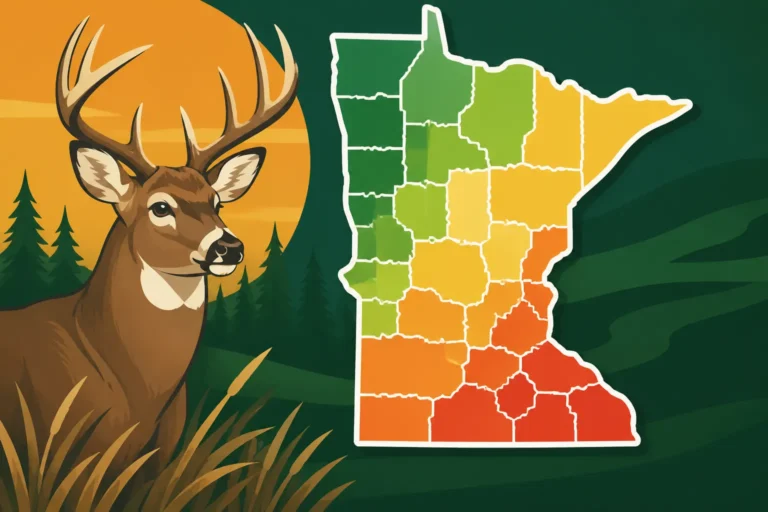
Without a doubt, if you're looking at consistent, high deer harvest numbers, the southeastern bluff country of Minnesota is a perennial standout. Counties like Houston, Fillmore, and Winona frequently rank at or near the top. This region is a unique mosaic of steep, wooded bluffs, deep ravines, and fertile agricultural valleys. The habitat here is fantastic, offering a perfect blend of cover on the hillsides and abundant food in the fields below.
What makes this area so productive for deer hunters? Well, the deer population here is generally very robust. The varied terrain also creates natural funnels and bedding areas, making it a bit easier for savvy hunters to pattern deer movement. Plus, the region often has a combination of private land (where many landowners actively manage for deer) and significant public access through areas like the Whitewater WMA. It’s a place where you'll find plenty of deer, but also plenty of hunters, especially during the firearm seasons. You’ll want to be prepared for Hunting Southeast Minnesota Bluff Country if you venture here.
Northern Giants: Vast Forests and Steady Harvests
While the southeast might grab headlines for its concentrated deer numbers, you can't overlook the sheer scale and consistent production of Minnesota's vast northern forests. Counties like St. Louis, Itasca, and Beltrami consistently show very high overall harvest numbers, not necessarily because of ultra-dense deer populations everywhere, but because they are simply massive. These counties contain huge tracts of state forests, national forests (like the Superior and Chippewa National Forests), and numerous Wildlife Management Areas.
In these "Big Woods" counties, deer densities might be lower per acre than in agricultural zones, but the vastness of the habitat means there are an incredible number of deer spread across millions of acres. This often translates to a steady, high harvest. Hunters here often work harder, covering more ground, utilizing techniques like Still-Hunting Minnesota Big Woods or searching for overlooked pockets. The deer are truly wild, and success often comes from understanding large-scale movements and finding remote areas. This is where tools like GoHunt become invaluable, allowing hunters to pore over satellite imagery and public land boundaries to identify potential hotspots away from the crowds.
Transitional Zones: Where Farm Meets Forest
Don't forget the counties in the "transitional zone" where the northern forests start to break up into agricultural land or more mixed habitats. Counties like Otter Tail, Cass, and even parts of Crow Wing and Wadena can also boast impressive harvest numbers. These areas offer a blend of timber, swamps, and agricultural fields, providing deer with diverse food sources and excellent cover.
These zones often benefit from both worlds: the consistent food supply of farming country and the security cover of expansive timber. Deer here can grow large and are often a bit less pressured than those in the prime agricultural belts, yet they have access to plentiful nutrition. Hunters in these areas often employ diverse tactics, adapting to whether they are hunting a standing cornfield or a thick swamp edge. It's an interesting challenge that often pays off with a full tag.
Beyond Raw Numbers: What High Harvest Really Means for Your Hunt
It’s easy to get fixated on the raw number of deer harvested in a county, but as any seasoned hunter will tell you, a high number doesn’t always paint the full picture of what your actual hunting experience will be like. High harvest can mean many things, and it's crucial to understand the nuances before you load up the truck and head out.
High Hunter Density vs. High Deer Density
One of the biggest distinctions to make is between a county with high hunter density and one with truly high deer density. Sometimes, a county will have an astronomical harvest simply because it’s a popular spot with a lot of public access, drawing in hunters from all over. This means more boots on the ground, more pressure on the deer, and potentially a less solitary, more competitive hunt.
- Example 1: High Hunter Density, Moderate Deer Density: Imagine a county with a good amount of public land near a major population center. Many hunters will gravitate there. Even if the deer population is healthy but not exceptionally dense, the sheer volume of hunters can drive up the harvest numbers. You might see a lot of deer, but they’ll likely be more wary, and you'll definitely see other hunters. Finding solitude might mean walking miles off the beaten path, as covered in Finding Ground Others Walk Past.
- Example 2: High Deer Density, Moderate Hunter Density: Conversely, a county that's more remote or has less obvious public access might have an incredible deer population, but if fewer hunters are working it, the harvest numbers might not appear as high as the first example, even though the hunting quality could be exceptional. In this scenario, your chances of encountering quality deer, and less pressured deer, might actually be better. This is where researching counties that are off the main radar can pay dividends. GoHunt's detailed maps can highlight overlooked pockets of public land or identify areas with favorable habitat that might not be immediately obvious.
Public Land vs. Private Land Dominance
Another critical factor is whether the high harvest numbers are coming primarily from public lands or private lands.
- Public Land Dominated Harvest: Counties with vast state or national forests, like those in northern Minnesota, will see a significant portion of their harvest coming from public ground. This is fantastic for access, but it also means more competition. To succeed, you'll need solid strategies for navigating Hunting Pressure on Minnesota Public Land and often covering a lot of ground.
- Private Land Dominated Harvest: In many of the agricultural counties, especially those without massive public tracts, the highest harvests often come from private land. This can be great for landowners or those with permission, as they can manage their land for deer and control pressure. However, for the average hunter, it means finding access can be the biggest hurdle. Knocking on doors and building relationships with landowners becomes paramount, as outlined in Knocking on Doors in Minnesota Farm Country.
Here's a quick comparison of what different high-harvest areas might entail:
| Type of High-Harvest Area | Typical Region | Deer Density | Hunter Density | Primary Access | Key Challenge for Hunters | Potential for Big Bucks |
|---|---|---|---|---|---|---|
| Bluff Country (SE Minnesota) | Houston, Fillmore, Winona | High | High | Mixed | Navigating steep terrain, finding unpressured deer | Good |
| Big Woods (N Minnesota) | St. Louis, Itasca, Beltrami | Moderate-High | Moderate | Public | Covering vast ground, locating deer in dense cover | Excellent |
| Transitional Zones | Otter Tail, Cass, Crow Wing | High | Moderate-High | Mixed | Adapting tactics to varied habitat, access | Good |
Antlered vs. Antlerless Harvest
Finally, when you're looking at overall harvest numbers, it's worth noting whether a large portion of that harvest is antlerless deer. In some permit areas, especially those designated as "Intensive" or "Managed" within the Minnesota Deer Seasons and Permit Areas framework, the DNR actively encourages the harvest of does to control population growth.
A high antlerless harvest indicates a very healthy and often burgeoning deer population. It also means there are plenty of opportunities for hunters to fill their freezers. While many hunters are focused on bagging a buck, the ability to take an antlerless deer can significantly increase overall harvest numbers for a county and provide a valuable food source for families.
Strategies for Hunting High-Harvest Counties
So, you've identified a promising county or region with a history of high deer harvests. Now what? Knowing where to go is one thing; knowing how to hunt it effectively is another. These areas often present unique challenges and opportunities.
Thorough Scouting and Map Study
Before you ever set foot in the woods, immerse yourself in scouting. This isn't just a suggestion; it's a necessity, especially in high-pressure areas. Utilize online mapping tools extensively. GoHunt, for instance, offers incredibly detailed satellite imagery and property line overlays that can reveal hidden access points, natural funnels, and overlooked pockets of cover that might hold deer.
- Identify Access Points and Pressure: Look for major roads, parking areas, and obvious trails. Assume these areas will see heavy hunter traffic. Then, use GoHunt to zoom in and find lesser-known forest roads, walk-in access points, or even just areas far from any vehicle access.
- Locate Key Habitat Features: Pinpoint changes in timber type, water sources, benches on hillsides, saddles in ridges, and agricultural field edges. These are all potential deer magnets. For example, understanding Reading a Ridge for Northern Minnesota Deer can give you an edge in the Big Woods.
- Scout for Bedding and Feeding Areas: Once you have an idea of the terrain, look for areas that offer thick security cover (bedding) near good food sources (feeding). Deer will travel between these two points, and setting up along their travel corridors can be incredibly effective. Even without "live" scouting, map analysis can reveal likely spots Where Big Woods Bucks Bed in Minnesota.
Navigating Hunter Pressure
High-harvest counties, by their very nature, often attract more hunters. Embracing strategies to deal with this pressure is crucial for success.
- Hunt Mid-Week: If your schedule allows, hunting on Tuesday, Wednesday, or Thursday can significantly reduce the number of other hunters you encounter, especially on public land. The deer will also be less disturbed during these times.
- Walk Further: This is perhaps the most fundamental strategy for escaping pressure. Most hunters don't venture far from their vehicles. If you're willing to hike a mile or two (or more!) into public land, your chances of finding unpressured deer improve exponentially. A good map tool on your phone, like those found in GoHunt, can be a lifesaver for navigating deep woods.
- Focus on Overlooked Cover: Deer will seek out the nastiest, thickest, most difficult-to-access cover when pressured. This might mean wading into a cattail slough, crawling through a thick cedar swamp, or navigating an alder thicket. These are the places where deer feel safe, and often, hunters are unwilling to follow. Learning Hunting Minnesota Cattail Sloughs for Deer can be a game-changer.
- Hunt the Edges: Sometimes, the best place to be is on the edges of major cover or even the fringes of developed areas where other hunters might not expect deer to be. Deer are masters of living close to humans, often using overlooked pockets of cover right next to subdivisions or busy roads.
Adapting Tactics to Local Conditions
Remember that deer behavior isn't uniform across the state. What works in the dense forests of the north might not be as effective in the open farmlands of central Minnesota.
- Northern Forests (Big Woods): Focus on travel corridors between clear-cuts, swamps, and mature timber. Still-hunting, patiently picking your way through the woods, or setting up on natural funnels can be effective. Consider using a ground blind if you prefer not to hang a stand, and know the rules for Using a Ground Blind on Minnesota Public Land.
- Southeast Bluff Country: The vertical terrain here means deer often bed high and feed low. Look for benches, saddles, and small drainages that create natural travel routes. Wind and thermals are paramount in this hilly country, so understanding Wind and Thermals on a Minnesota Ridge is essential.
- Farm Country: Focus on pinch points between woodlots, creek bottoms, and standing crops. Deer will use any available cover to move between bedding areas and food sources. Early morning and late evening hunts on field edges can be productive. If you're hunting a standing cornfield, knowing Hunting a Standing Cornfield in Farm Country can make a difference.
By combining an understanding of where deer are generally harvested with smart scouting and adaptive hunting strategies, you can significantly increase your chances of success, no matter which county you choose to pursue Minnesota's magnificent whitetails.
Disclaimer
This article is for general informational purposes only and does not constitute professional advice. Laws, prices and regulations vary by location and change over time. Consult a qualified professional for guidance on your specific situation.