Minnesota Sandhill Cranes
For many Minnesota hunters, the Sandhill Crane is a magnificent sight, its prehistoric call echoing across a marsh or a field at dawn or dusk, often leaving folks wondering about their place in our state's rich wildlife tapestry. While not currently a game species here, these majestic birds are an integral part of our ecosystem, and understanding their journey, habits, and population dynamics is a fascinating endeavor for any true outdoors enthusiast. This guide will take a deep dive into the world of Minnesota's Sandhill Cranes, exploring their history, habitats, behavior, and the ongoing discussions around their future in our state.
The Resurgence of Sandhill Cranes in Minnesota
It's easy to take the sight and sound of Sandhill Cranes for granted today, but not so long ago, seeing one in Minnesota was a truly rare event. Their journey back from the brink is a testament to conservation efforts and a story every hunter and nature lover should know.
Historical Presence and Decline
Historically, Sandhill Cranes were much more widespread across North America, including right here in Minnesota. Our vast prairies, wetlands, and open woodlands provided ideal breeding and nesting grounds. They were, however, hit hard by market hunting in the late 19th and early 20th centuries, as well as significant habitat loss due to agricultural expansion and wetland drainage. Imagine trying to make a living in those days; everything that could be hunted or converted to farmland often was. This combination of pressures led to a dramatic decline in crane numbers, pushing them out of many of their traditional ranges, including much of Minnesota. By the mid-20th century, if you heard a crane, it was likely migrating through, not nesting here. This was a real loss, not just for the birds, but for the wild character of our landscapes.
Conservation Efforts and Comeback
Thankfully, dedicated conservationists and wildlife agencies recognized the dire situation. Protections were put in place, and more importantly, efforts began to restore and preserve critical wetland habitats. Groups worked tirelessly to acquire and manage lands that could once again support breeding crane populations. Slowly but surely, the birds began to respond. It wasn't an overnight fix, but a painstaking, long-term commitment. Over several decades, their populations started to rebound, and we began to see them returning to Minnesota, first as migrants, and then, thrillingly, establishing nesting territories once more. It's a prime example of how thoughtful land management and a concerted effort can bring a species back from the edge, much like the successful reintroductions and management of wild turkeys across the state.
Where to Find Minnesota's Sandhill Cranes
If you're out scouting for deer or turkeys, or just enjoying a walk on public land, you might be surprised by where these magnificent birds turn up. Knowing their preferred haunts can make for some incredible wildlife viewing, even if you’re not out hunting them.
Prime Breeding and Nesting Habitats
In Minnesota, Sandhill Cranes are primarily known to nest in the western and northwestern parts of the state, though their range has been expanding. Think of the large, open wetlands, sedge meadows, and shallow marshes – often interspersed with agricultural fields. These areas provide the perfect blend of cover for nesting and easy access to diverse food sources. They need those isolated, undisturbed spots to lay their eggs and raise their chicks, away from most predators. You'll often find them utilizing areas like the massive Roseau River Wildlife Area or other sprawling Minnesota Wildlife Management Areas that offer vast stretches of wetland habitat. While searching for the best deer sign, or the ideal spot for a treestand, I've often stumbled upon these quiet marshy pockets that are absolutely buzzing with crane activity, a real bonus to a day in the field.
Migration Routes and Staging Areas
While some cranes breed in Minnesota, many more pass through our state during their annual migrations. Minnesota sits squarely in the Mississippi Flyway, a critical avian superhighway. You’ll see them in impressive numbers in the spring and especially in the fall, forming V-formations high overhead, their distinctive calls echoing for miles. They often stage in large groups in agricultural fields, particularly those with leftover grain, near large bodies of water, or expansive wetlands before continuing their journey. These staging areas are temporary, but they can concentrate thousands of birds. If you're paying attention to Minnesota Waterfowl Migration Timing in the fall, you're likely to see a huge influx of cranes as well. Places like Lac qui Parle Wildlife Area in western Minnesota are renowned for incredible concentrations of migrating waterfowl and, by extension, Sandhill Cranes. Using tools like GoHunt's mapping features to identify large agricultural fields adjacent to wetlands can be incredibly helpful for finding these staging areas, much like you might scout for deer.
Understanding Sandhill Crane Behavior and Biology
Beyond their striking appearance and distinctive call, Sandhill Cranes exhibit some truly fascinating behaviors and possess unique biological traits that make them stand out in the avian world.
Diet and Foraging Habits
Sandhill Cranes are omnivores, meaning they'll eat just about anything they can get their beaks on, which contributes to their adaptability and success. Their diet includes a wide array of items: grains like corn, wheat, and oats from agricultural fields, seeds from various plants, berries, and tubers they dig from the soil. But they're not strictly vegetarian! They'll also readily consume insects, frogs, small reptiles, and even mice. This varied diet allows them to thrive in diverse environments, from wetlands to open prairies and agricultural landscapes. You'll often see them walking slowly through a field, probing the ground with their long bills, or sweeping their heads through shallow water, looking for a meal. Their long legs are perfectly adapted for wading in the shallower parts of marshes and wetlands, giving them access to food sources other birds can't reach.
Unique Calls and Courtship Displays
One of the most iconic aspects of Sandhill Cranes is their truly unique and captivating vocalizations. Their call is a loud, rattling, trumpeting sound, often described as a "garooo-a-a-a." It’s a sound that instantly transports you to wild, open spaces. These calls are produced by their long trachea, which coils within their sternum, acting like a resonating chamber. They use these calls for communication within the flock, to warn of predators, and most notably, during their elaborate courtship rituals.
Their courtship displays are a sight to behold. Cranes engage in what's known as "crane dancing," a series of synchronized movements that include bowing, jumping, wing flapping, and tossing bits of vegetation into the air. It’s not just a beautiful spectacle; these dances are vital for pair bonding and reproductive success. Observing a pair of cranes dancing in a wetland in early spring is an unforgettable experience, far more dramatic and graceful than the simple gobbling of a wild turkey.
Lifespan and Reproductive Strategies
Sandhill Cranes are long-lived birds, capable of living for 20 years or more in the wild. This longevity is supported by their strong pair bonds; they typically mate for life. Each spring, the pair returns to their nesting territory, often the same one year after year. They build a large nest mound of vegetation in shallow water or on dry ground near water. Usually, two eggs are laid, and both parents share incubation duties. The chicks, called colts, are precocial, meaning they are covered in down and able to walk and leave the nest shortly after hatching. This early mobility is a survival strategy, allowing them to follow their parents to food and quickly seek cover from predators. Raising colts is a demanding task, and the parents are fiercely protective. The family unit stays together throughout the summer, with the young cranes learning essential survival skills before they embark on their first southern migration in the fall.
Minnesota's Sandhill Crane Population Status
Understanding the health of any wildlife population requires ongoing monitoring and assessment. For Sandhill Cranes in Minnesota, these efforts have painted a picture of a species that is not only recovering but expanding its presence in the state.
Population Trends and Survey Methods
The Minnesota Sandhill Crane Numbers have shown a remarkable upward trend over the last few decades. Wildlife agencies, in collaboration with national and international partners, conduct various surveys to monitor these populations. These often include aerial surveys during migration, ground counts on breeding territories, and banding efforts to track individual birds and their movements. By carefully tallying observations and analyzing data from these surveys, biologists can estimate population sizes, track reproductive success, and identify critical habitats. This scientific approach helps ensure that management decisions are based on the best available information, much like the rigorous methods used to estimate deer populations. It’s a painstaking process, but absolutely vital for informed conservation.
Factors Influencing Population Health
While the news for Minnesota's Sandhill Cranes is largely positive, their population health remains subject to various factors. Habitat availability is paramount; continued protection and restoration of wetlands, particularly in the western and northwestern parts of the state, are crucial for their breeding success. Climate patterns also play a role, with severe droughts impacting wetland conditions and food availability. Predation pressure, particularly on nests and young colts, can influence local reproductive rates. Additionally, concerns about diseases, similar to how Minnesota Wildlife Disease Monitoring tracks issues in other species, always remain. While their numbers are robust, vigilance is key to ensuring their continued flourishing in our state. For hunters, knowing these details offers a deeper appreciation for the ecological balance that allows all our game and non-game species to thrive.
The Conversation Around a Potential Minnesota Crane Season
With a thriving and expanding population, it's only natural that discussions periodically arise about managing Sandhill Cranes, including the possibility of a hunting season. This isn't a new conversation, but it's one with passionate advocates on both sides.
Arguments For and Against Hunting
The debate over Whether Minnesota Will Hunt Sandhill Cranes involves multiple perspectives. Proponents of a hunting season often point to the healthy and growing population numbers, arguing that a managed harvest is a sustainable way to utilize a renewable resource, similar to waterfowl or deer. They might highlight potential agricultural damage caused by large crane flocks in certain areas, suggesting hunting could serve as a management tool to disperse birds and reduce crop depredation. Furthermore, many hunters express interest in the challenge and the unique hunting experience cranes would offer.
On the other hand, opponents often raise concerns about public perception and the inherent value of these iconic birds as a non-hunted species. They emphasize the cranes' relatively recent recovery and question the necessity of introducing hunting pressure. There are also identification concerns, particularly regarding the visual similarity between Sandhill Cranes and the critically endangered Whooping Crane, though the vast majority of Whooping Cranes do not pass through Minnesota. The emotional connection many Minnesotans have to the crane's calls and presence also factors heavily into the opposition. It's a complex issue with no easy answers.
Management Considerations and Public Input
Any decision regarding a Sandhill Crane hunting season in Minnesota would involve extensive biological assessment and public discourse. Wildlife agencies would need to conduct thorough population modeling to determine sustainable harvest levels, if any, and consider potential impacts on breeding and migratory populations. Specific regulations would have to be crafted to ensure hunter safety and avoid confusion with protected species. The process would undoubtedly include numerous opportunities for public comment, hearings, and engagement with stakeholders from all sides – hunters, conservationists, landowners, and the general public. It's a deeply democratic process, reflecting that wildlife management isn't just about biology; it's also about societal values and priorities. As hunters, we understand the importance of managed populations, but also the sensitivity around introducing new hunting opportunities. For now, Sandhill Cranes remain on the list of Game You Cannot Hunt in Minnesota.
Distinguishing Sandhill Cranes from Other Birds
In the field, especially at a distance or in low light, it can sometimes be tricky to tell one large bird from another. But knowing the key identifying features of Sandhill Cranes can help you appreciate them more and avoid any misidentification.
Crane vs. Heron vs. Whooping Crane Identification
While both Sandhill Cranes and Great Blue Herons are large, wading birds found in Minnesota wetlands, they have distinct differences.
Comparison Table: Sandhill Crane vs. Great Blue Heron vs. Whooping Crane
| Feature | Sandhill Crane | Great Blue Heron | Whooping Crane |
|---|---|---|---|
| Size (Height) | 3-4 feet tall | 3-4.5 feet tall | 5 feet tall (tallest North American bird) |
| Plumage Color | Grayish-brown, often stained rusty-brown | Blue-gray, some white on head, black plume | Pure white with black primary wing feathers (visible in flight) |
| Head/Bill | Red patch on crown, long dark bill | White head with black stripe, dagger-like yellow bill | Red patch on crown, long dark bill, dark "mask" |
| Neck in Flight | Neck extended straight | Neck folded into S-shape | Neck extended straight |
| Legs in Flight | Legs extended straight past tail | Legs extended straight past tail | Legs extended straight past tail |
| Vocalization | Loud, rattling, trumpeting "garooo-a-a-a" | Deep, guttural croaks and squawks | Loud, clear, bugle-like "ker-loo" |
| Conservation Status | Least Concern (populations stable/increasing) | Least Concern (common) | Critically Endangered (extremely rare) |
| Typical Habitat | Open wetlands, wet meadows, agricultural fields | Edges of water bodies, marshes, swamps | Coastal marshes, prairies (limited range, primarily TX/Canada) |
The easiest way to differentiate a Sandhill Crane from a Great Blue Heron in flight is by their neck posture. Herons fly with their necks tucked into an S-shape, while cranes fly with their necks extended straight out. Additionally, Sandhill Cranes are typically a more uniform gray-brown, often with a rusty wash from iron in the soil, and they have a distinct bare red patch on their forehead. Herons, while majestic, are more blue-gray.
Distinguishing a Sandhill Crane from a Whooping Crane is crucial due to the latter's endangered status. While both fly with necks and legs extended, the Whooping Crane is much taller, pure white with black wingtips (primaries) that are clearly visible in flight, and has a different, more bugle-like call. Sandhill Cranes are entirely gray-brown. Thankfully, Whooping Cranes are extremely rare in Minnesota, with only occasional sightings, usually of individual birds. Knowing these differences is part of being an informed outdoors person.
Flight Patterns and Group Dynamics
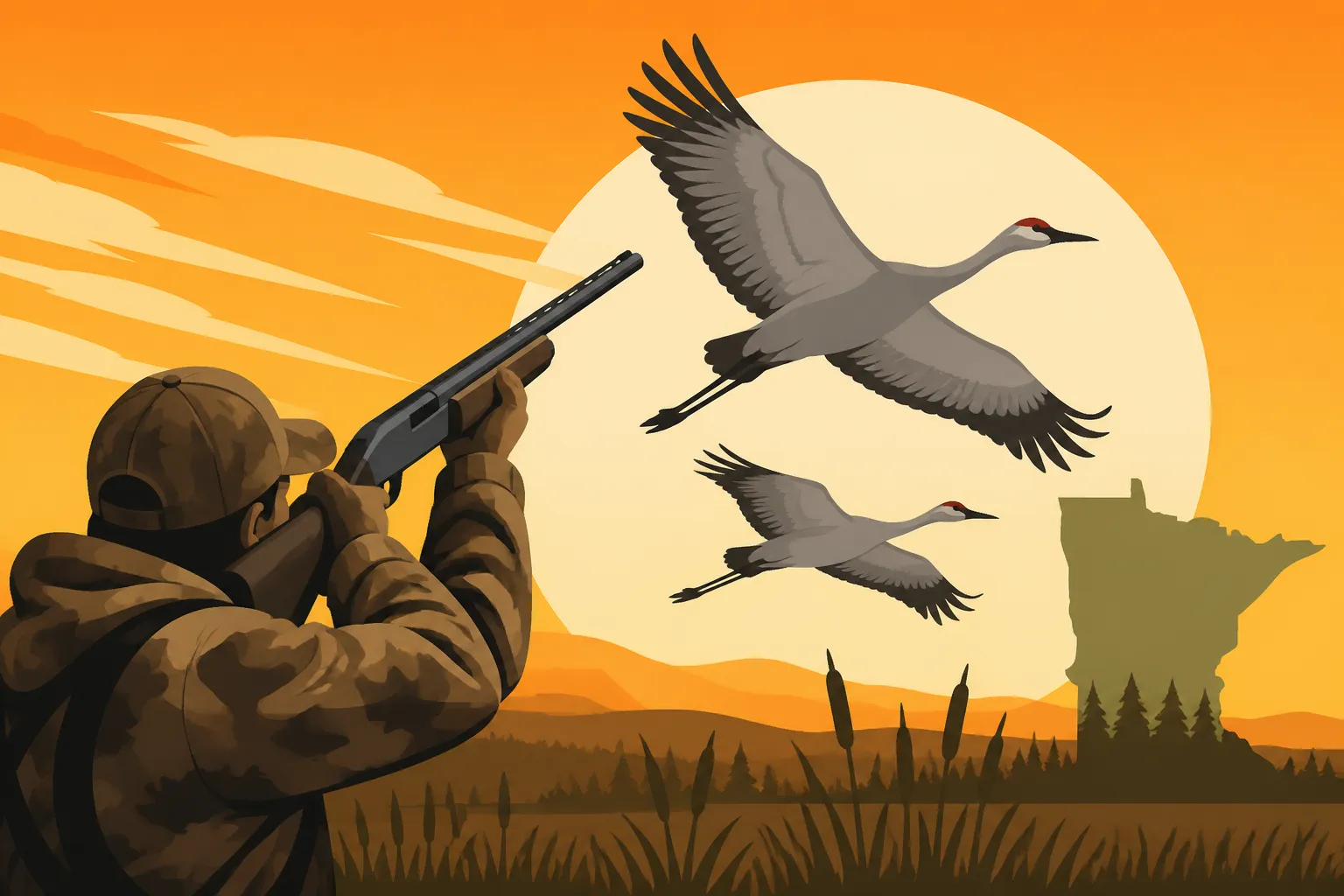
Sandhill Cranes are known for their strong, steady flight, often soaring on thermals at high altitudes or flying in large V-formations during migration. Watching a flock of hundreds or even thousands of cranes migrating overhead, especially against a setting sun, is truly a breathtaking experience. Their wingbeats are powerful and deliberate, and they appear almost prehistoric as they move across the sky.
When on the ground, cranes are typically seen in open areas, either alone, in pairs, or in large flocks, depending on the season and location. They move with a deliberate, almost stately walk, constantly probing for food. In wetlands, they often form loose groups, but during migration, they can congregate in vast numbers in specific staging areas. Understanding these flight patterns and group dynamics can help you identify them from a distance and appreciate their incredible journey, whether you're Scouting Minnesota Public Land Before Season or just enjoying a quiet afternoon in the field.
Disclaimer
This article is for general informational purposes only and does not constitute professional advice. Laws, prices and regulations vary by location and change over time. Consult a qualified professional for guidance on your specific situation.