Minnesota’s Wolf Population
For many of us who cherish the wild places of Minnesota, the presence of timber wolves evokes a powerful mix of awe, respect, and sometimes, a little bit of apprehension. These magnificent creatures are a symbol of true wilderness, yet their existence sparks lively debates and real concerns, especially for those living and working in their range or pursuing game animals. This guide will take a deep dive into Minnesota's wolf population, exploring their fascinating history, current numbers, ecological role, and the complex relationship they share with humans and the landscape.
The Resilient Return of Wolves to Minnesota
Minnesota holds a unique place in the story of North American wolves. For decades, it was the only state in the contiguous United States to maintain a viable, naturally occurring wolf population outside of Alaska. This didn't happen by accident; it's a testament to both their incredible resilience and decades of evolving conservation efforts and legal protections.
A History of Persecution and Protection
The story of wolves in Minnesota, like much of the continent, is one marked by intense conflict and, eventually, a dramatic shift towards conservation. Historically, wolves were viewed primarily as varmints, a threat to livestock and game populations, and were aggressively persecuted. Bounties were common, and eradication efforts pushed them to the brink in many areas. By the mid-20th century, wolves had been eliminated from most of their historical range in the lower 48 states, clinging to existence only in the most remote corners of northern Minnesota and Michigan's Isle Royale.
It was in these northern Minnesota forests – the vast stretches of boreal forest and mixed hardwoods – that a small but tenacious population managed to survive. Their sheer adaptability, combined with the wild nature of the landscape, provided just enough refuge to weather the storm. This tenacious survival laid the groundwork for their eventual recovery when attitudes and policies began to shift. The passage of the Endangered Species Act (ESA) in 1973 was a pivotal moment, granting federal protection to gray wolves and halting the systematic persecution that had defined their past.
The Legal Status Rollercoaster
The legal status of Minnesota's wolves has been a bit of a rollercoaster ride, reflecting the ongoing societal debate about their management. Under federal protection, the wolf population began to recover and expand its range within Minnesota. This success story eventually led to proposals for delisting the species from the ESA, allowing individual states more control over their management. However, each attempt at delisting has been met with legal challenges, often resulting in wolves being returned to federal protection, only to be delisted again later. This back-and-forth has created a complex and sometimes frustrating situation for wildlife managers, landowners, and hunters.
Understanding the history of these delisting and relisting events is crucial to appreciating the current state of wolf management. Each time they've been taken off the ESA, states like Minnesota have developed management plans, which sometimes included provisions for a regulated hunting or trapping season. When they've been relisted, those plans are immediately put on hold, and federal protections resume. This constant flux, as discussed in detail in posts like Minnesota Wolf Delisting History, makes long-term planning difficult and contributes to the strong opinions on both sides of the issue. Despite these policy shifts, the wolf population in Minnesota has largely remained robust, demonstrating the species' remarkable ability to thrive when given a chance.
Where the Wild Things Roam: Minnesota's Wolf Range and Numbers
When we talk about Minnesota's wolf population, it's not just a matter of total numbers but also where these animals live and how those populations are monitored and understood. They are not evenly distributed across the state, and their movements are constantly influenced by prey availability, habitat, and human activity.
Mapping Their Territory: Primary and Dispersal Zones
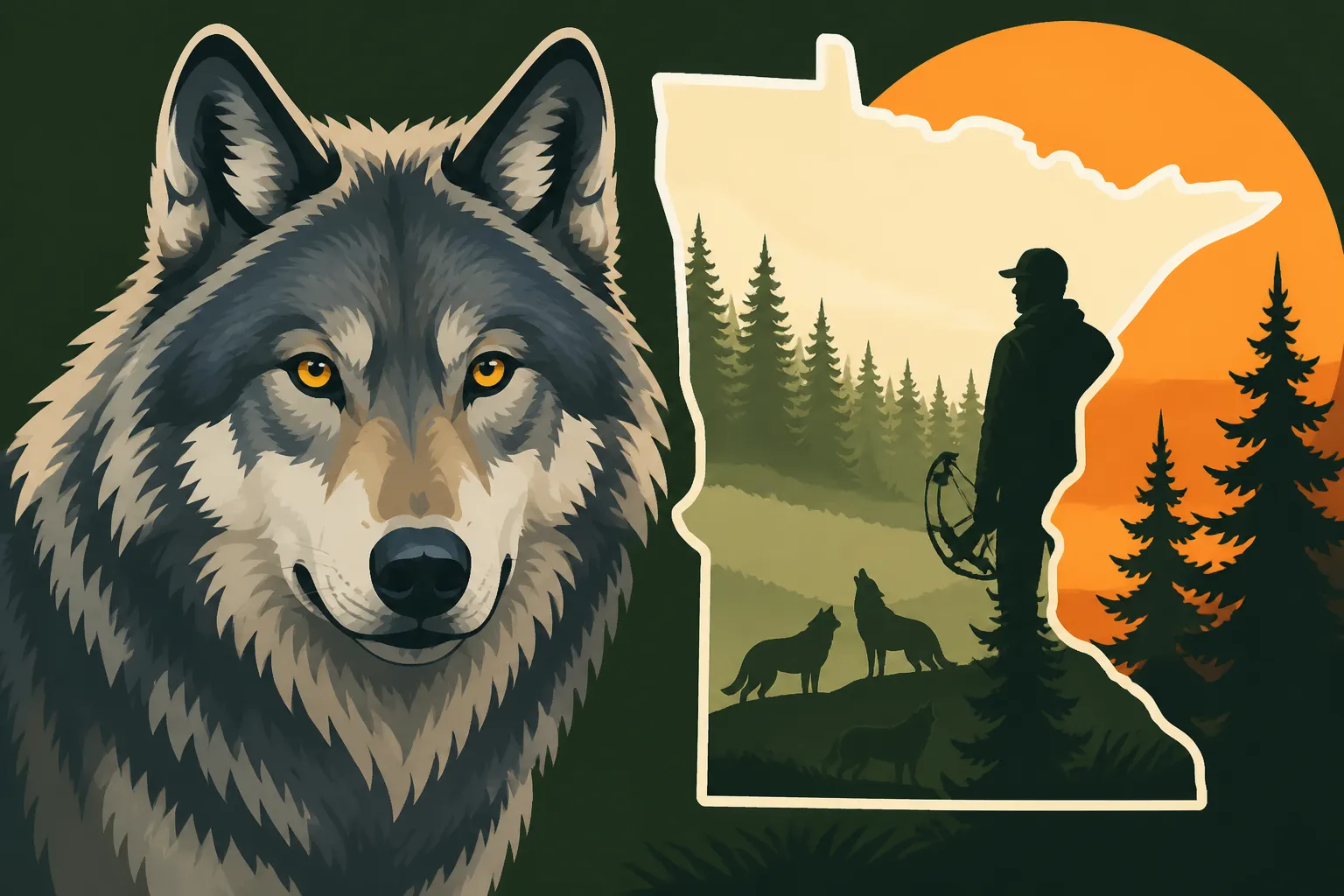
Minnesota's core wolf range is concentrated in the northern third of the state, roughly north of a line from Duluth to Moorhead. This area encompasses the vast wilderness of the Superior National Forest, the expansive wetlands and forests of the Chippewa National Forest, and the more rugged terrain along the Canadian border. These are the "Big Woods" and boreal forests that offer the dense cover, remoteness, and robust prey populations that wolves need to thrive. Within these areas, you'll find established packs with defined territories, rearing pups and sustaining the core population.
However, wolves are incredibly adaptable and can disperse far beyond this core range. Younger wolves, especially males, often strike out to find new territories or mates, sometimes traveling hundreds of miles. This means that while their primary range is northern, occasional wolf sightings can occur much further south, even into agricultural areas where they are much less common. These dispersal movements are vital for genetic exchange and for the potential re-establishment of populations in suitable habitats, though the southern parts of Minnesota present different challenges for wolf survival due to higher human density and less contiguous forest cover. For hunters, understanding these zones is critical; while a wolf encounter might be rare in the south, it's a very real possibility when you're deer hunting deep in the Northwoods. GoHunt mapping tools can be invaluable for pinpointing these remote public land areas where wolf encounters are more likely.
Estimating the Elusive Population: How We Count Wolves
Counting wolves isn't like counting deer; they're elusive, wide-ranging, and often active at night. Wildlife agencies rely on a combination of methods to estimate the population, understanding that it's always an estimate rather than an exact census. One of the primary tools involves snow-tracking surveys conducted by experienced biologists. Following wolf tracks in fresh snow allows researchers to identify pack sizes, determine territories, and even estimate the number of individuals within a given area. These ground-based efforts are supplemented by aerial surveys in some regions, though dense canopy can make this challenging.
Another crucial method involves radio-collaring a subset of wolves. By tracking these collared individuals, researchers gain insights into pack dynamics, dispersal patterns, survival rates, and causes of mortality. These radio-collared wolves also help researchers understand pack territories, which is then extrapolated across broader regions. The data collected from these combined efforts helps create a picture of the overall population, its health, and its distribution, giving us our best guess for How Many Wolves Minnesota Has. It's a challenging task, but one that is absolutely essential for informed management.
Understanding Population Trends and Dynamics
Minnesota's wolf population has generally been stable or slightly increasing since federal protections were put in place, hovering somewhere in the neighborhood of 2,500 to 3,000 individuals. However, like any wild population, it fluctuates due to various factors. Prey availability is a huge driver; a severe winter that decimates deer herds in the Northwoods, for example, can impact wolf survival and reproduction in subsequent years. Disease, such as mange or canine distemper, can also cause localized declines. Furthermore, human-caused mortality, even when regulated through limited hunting seasons or depredation control, plays a role.
Here's a simplified look at general trends in Minnesota's wolf population:
| Period | Estimated Population Range | Status | Key Factors |
|---|---|---|---|
| Pre-1970s | Very Low (hundreds) | Endangered, remnant population | Persecution, habitat loss |
| 1970s – 1980s (ESA) | Growing (500-1,200) | Recovering under federal protection | Hunting/trapping banned, growing prey |
| 1990s – Early 2000s | Steady Growth (2,000+) | Population expanding, stable | Strong prey base, continued protection |
| Mid-2000s – Present | Stable (2,500-3,000) | Fluctuating around carrying capacity | Delisting debates, depredation management, prey cycles |
These trends show a species that has successfully re-established itself within its preferred habitat. While the exact numbers might shift year to year, the overall picture is one of a healthy and self-sustaining wolf population in Minnesota, a remarkable conservation success story, especially when you consider Where Minnesota Wolves Live primarily in dense forests.
Wolves in the Ecosystem: Prey, Predators, and Balance
Wolves are apex predators, meaning they sit at the top of the food chain in their environment. Their presence has profound effects on the entire ecosystem, influencing the behavior and populations of everything from deer to beavers. Understanding their ecological role is key to grasping the complexities of Minnesota's natural world.
What Wolves Eat in Northern Minnesota
The diet of Minnesota's wolves is primarily dictated by what's available in their territory. In the dense forests of the Northwoods, white-tailed deer are undeniably their primary food source. Deer provide a high-calorie, relatively abundant prey item, especially during the colder months when other food sources are scarce. Wolves will often target the weakest, sickest, or oldest deer, playing a role in the natural selection process and keeping deer herds healthier overall.
Beyond deer, wolves are opportunistic hunters and will readily consume other animals. Moose, particularly calves and older or ailing adults, are another important food source, especially in areas where moose populations are healthy. You can learn more about this in our guide on Moose Sightings in Northeast Minnesota. Beavers are also a common prey item, especially in spring and summer, providing an easy meal for wolves near waterways. They'll also take snowshoe hares, ruffed grouse, and even smaller furbearers if the opportunity arises. This varied diet showcases their adaptability and their critical role in regulating multiple species within their ecosystem, as highlighted in our deeper look at What Wolves Eat in Northern Minnesota.
The Impact on Prey Populations
The impact of wolves on prey populations, particularly white-tailed deer and moose, is a topic of intense debate among hunters and wildlife enthusiasts. It's easy to assume that more wolves mean fewer deer, and while wolves do take deer, the relationship is far more nuanced than a simple equation. Studies have shown that wolf predation can influence deer numbers, especially in areas with other stressors like severe winters or poor habitat. However, wolves typically don't "wipe out" deer herds. Instead, they often work to keep populations within ecological carrying capacity, preventing overbrowsing and habitat degradation that can harm the deer herd in the long run.
For moose, the impact can be more pronounced, especially for a population already struggling with issues like brainworm, winter ticks, and habitat loss. Wolf predation on moose calves can be a significant factor in calf survival rates, which in turn affects the overall trajectory of the moose population. However, it's crucial to remember that wolves are just one piece of a very complex puzzle. Factors like habitat quality, winter severity, disease, and human hunting pressure all interact to shape prey populations. Attributing declines solely to wolves often oversimplifies a much broader ecological issue, a discussion often brought up when considering the health of Minnesota's Black Bear Population as well, given some overlap in diet.
Interactions with Other Predators
Wolves, being top predators, naturally interact with other carnivores in their environment. These interactions can range from competition for food resources to direct confrontations. Coyotes, for instance, are often outcompeted or even killed by wolves. Where wolf populations are robust, coyote numbers tend to be lower, as wolves view them as competition for deer and other small game. This dynamic is a fascinating aspect of ecological balance, influencing the distribution and behavior of coyotes across the landscape, which is explored further in Timber Wolves Versus Coyotes in Minnesota.
Black bears are another major predator in Minnesota, and while they primarily eat plants and berries, they will prey on fawns and scavenge carcasses. Wolves and bears can occasionally clash over a kill, but generally, they tend to avoid direct confrontation, operating in different niches. Wolves might move bears off a fresh kill, but a mature bear can certainly stand its ground. These inter-predator relationships create a dynamic tension, shaping the hunting strategies and territorial movements of all these animals, contributing to the rich biodiversity of Minnesota's wild places.
Human-Wolf Interactions: Conflicts and Coexistence
The coexistence of a thriving wolf population and human communities, especially those involved in agriculture or deer hunting, is a continuous balancing act. While many celebrate the return of wolves, real challenges and frustrations arise when their territories overlap with human interests.
Wolf Depredation on Minnesota Livestock
One of the most significant and historically contentious issues surrounding wolves is their impact on livestock. For farmers and ranchers in or near wolf country, the loss of a calf, sheep, or other farm animal to wolf predation can be financially devastating and emotionally taxing. Wolves are intelligent and opportunistic hunters; if easy prey like domestic animals are available, they may take advantage. These incidents are not just economic losses; they can erode trust and generate strong negative feelings towards wolves and their conservation.
While depredation events are relatively rare compared to the overall wolf population, they are very real for the affected landowners. It's a key part of the human-wolf conflict that cannot be ignored or downplayed. Understanding the patterns of depredation – which types of livestock are most vulnerable, at what times of year, and in what proximity to wolf territories – is crucial for developing effective management strategies. This is a topic that requires constant attention and thoughtful approaches to mitigate the very real burdens placed on rural communities, as detailed in our discussion of Wolf Depredation on Minnesota Livestock.
Managing Conflicts: Compensation and Deterrents
To address the issue of livestock depredation and foster coexistence, Minnesota has established programs aimed at managing conflicts. One vital component is a compensation program that reimburses landowners for documented losses of livestock due to wolf predation. This financial safety net helps alleviate some of the economic hardship, demonstrating an understanding of the challenges faced by farmers. While no amount of money can truly replace a lost animal, it's a critical tool for building goodwill and preventing illegal retaliatory killings.
Beyond compensation, significant efforts are made to educate landowners about non-lethal deterrents. These include practical measures such as installing fladry (flags on fences that temporarily scare wolves), using guard animals like dogs or llamas, and improving animal husbandry practices like bringing vulnerable livestock into barns at night. In cases of persistent depredation, state wildlife agencies may issue permits for lethal removal of problem wolves. These targeted removals are intended to address specific wolves causing issues, rather than broad population control, aiming to minimize conflict while maintaining the overall wolf population. Programs like those offered by GoHunt often include resources or articles discussing these conflict management strategies, providing valuable insights for rural land stewards.
Public Perceptions and the Future of Coexistence
Public perception of wolves in Minnesota is a complex tapestry of deeply held beliefs, experiences, and scientific understanding. For some, wolves represent wildness and ecological restoration, a vital part of what makes Minnesota special. For others, particularly those who have experienced livestock losses or perceive wolves as a threat to game species like Minnesota Deer Herd Size, their presence can be a source of frustration and anger. These differing viewpoints often fuel the ongoing debates about wolf management and their legal status.
Moving forward, the future of coexistence in Minnesota relies heavily on open dialogue, education, and continued efforts to manage conflicts effectively. It requires acknowledging the valid concerns of all stakeholders and seeking solutions that balance ecological health with human interests. This isn't just about managing wolves; it's about managing human expectations and understanding our place within a shared landscape. Ultimately, the goal is to find a sustainable path where both Minnesota's vibrant human communities and its iconic wolf population can thrive.
The Future of Minnesota's Wolves: Conservation and Management Challenges
The successful recovery of Minnesota's wolf population is a conservation success story, but it's not a static one. The future holds ongoing challenges related to habitat, disease, and the ever-present human dimension. Effective management requires continuous adaptation and a commitment to science-based decision-making.
Ongoing Monitoring and Research Efforts
To ensure the long-term health and stability of Minnesota's wolf population, continuous monitoring and robust research efforts are absolutely essential. Wildlife biologists aren't just counting wolves; they're studying their genetics to understand population connectivity and health, analyzing their diet through scat samples, and observing their behavior patterns. This includes investigating potential impacts of diseases like rabies or mange, and how environmental changes might affect their prey base or habitat. Tools and techniques for data collection are constantly evolving, providing more accurate and detailed insights.
For instance, understanding how wolves move through various landscapes, including human-modified ones, gives us critical information for land-use planning and conflict prevention. Research into pack dynamics, reproductive success, and mortality causes helps to refine population models and predict future trends. This deep scientific understanding is the backbone of any effective conservation strategy, allowing managers to anticipate challenges and respond proactively. It's about more than just keeping numbers up; it's about ensuring a healthy and resilient population for generations to come.
The Role of Science in Management Decisions
In the emotionally charged atmosphere that often surrounds wolf management, it's vital that decisions are grounded in sound science rather than just public opinion or political pressure. Wildlife management agencies rely heavily on the data collected from monitoring and research to inform their policies. This scientific approach helps determine appropriate population goals, assess the impact of various factors on wolf health, and evaluate the effectiveness of conflict mitigation strategies. Whether it's setting guidelines for depredation control or considering the potential for future regulated hunting seasons, scientific evidence provides the most objective basis for action.
Without this scientific foundation, management can become reactive and inconsistent, potentially harming both the wolf population and human-wolf relations. The aim is to achieve a balance that protects a thriving wolf population while addressing legitimate human concerns. This balance is often a moving target, requiring flexibility and a willingness to adjust strategies as new information emerges or environmental conditions change. For those interested in understanding the data, many state agencies publish detailed reports on their wolf research and population estimates, offering a transparent look into the science guiding management.
Policy Debates and the Path Forward
The path forward for Minnesota's wolves is likely to remain characterized by ongoing policy debates. The fundamental question of whether wolves should be managed federally or at the state level continues to be a point of contention. Each time federal protections are lifted, it reignites discussions about the role of hunting and trapping in wolf management, the level of control landowners should have over problem wolves, and the overall balance of power in conservation decisions. These debates reflect broader philosophical differences about wilderness, wildlife, and human responsibility.
Reaching a widely accepted long-term management strategy for Minnesota's wolves requires sustained effort to bridge these divides. It involves fostering dialogue between different interest groups – hunters, farmers, conservationists, and the general public – and a commitment to finding common ground. The goal isn't necessarily to eliminate all conflict, which is an unrealistic expectation when dealing with wild animals and diverse human interests. Instead, it's about finding robust, adaptable management frameworks that allow Minnesota to continue being home to a healthy wolf population, while minimizing negative impacts on its human residents. This journey towards sustainable coexistence is a testament to the enduring wild spirit of Minnesota.
Disclaimer
This article is for general informational purposes only and does not constitute professional advice. Laws, prices and regulations vary by location and change over time. Consult a qualified professional for guidance on your specific situation.