Minnesota Elk Hunt Zone Boundaries
For many Minnesota hunters, the thought of pursuing an elk right here in our own state is a dream that often feels out of reach, largely due to the incredibly limited opportunities and the mystifying specifics of where these magnificent animals actually roam. It's easy to get lost in the regulations, wondering which corners of the state might hold a huntable herd and how you'd even begin to navigate the permit process. This comprehensive guide is here to cut through that confusion, meticulously detailing Minnesota's designated elk hunt zone boundaries and clarifying how the highly competitive lottery system ties into these elusive areas, giving you a clearer picture of this once-in-a-lifetime chance.
The Elusive Minnesota Elk Herd: A Brief History and Current Status
Minnesota isn't a state that immediately springs to mind when you think of elk hunting, and that's understandable. Unlike our western neighbors, our elk population is small, highly localized, and the hunting opportunities are exceedingly rare. This rarity, however, makes the prospect of drawing an elk tag all the more thrilling and, frankly, a bit daunting for those who dream of it. Understanding the history of these herds helps paint a clearer picture of why the hunt zones are structured the way they are today.
Where Minnesota's Elk Came From
It might surprise some to learn that elk, or wapiti, were once a common sight across much of Minnesota. Historical accounts and archaeological evidence show they roamed the prairies and forests here for centuries, long before European settlement. However, by the late 19th and early 20th centuries, unrestricted hunting, combined with massive habitat loss as forests were cleared for agriculture and logging, pushed elk to extirpation from the state. They were completely gone by the early 1900s, a testament to the dramatic changes our landscape underwent.
The good news is that elk made a comeback! Beginning in the 1930s, and most notably in the 1980s, reintroduction efforts brought elk back to specific areas in northwestern Minnesota. These efforts primarily focused on what is now Kittson and Marshall counties, bordering North Dakota and Manitoba. These areas offered suitable habitat, a mix of agricultural fields, brushlands, and aspen forests, that could support a growing herd. The story of their return is a conservation success, but it also explains why their range is so confined today. You can read more about How Elk Returned to Northwest Minnesota to understand the full scope of this amazing journey.
The Current State of Minnesota's Elk Population
Today, Minnesota is home to a very modest, but stable, elk population. The Department of Natural Resources (DNR) actively monitors these herds, which are primarily concentrated in two distinct zones in the northwest corner of the state. While it's certainly not the vast numbers you'd find in the Rockies, the fact that we have huntable elk at all is something to celebrate. The DNR typically estimates a statewide elk population that fluctuates, but generally hovers around 100-150 animals, mostly split between these two areas. For a deeper dive into the numbers, it's worth looking at resources like the DNR's annual reports or even mapping platforms like GoHunt that integrate this data, allowing you to quickly visualize herd locations and sizes.
This small population means that the hunting opportunities are, by necessity, extremely limited. The goal is always to manage the herds for long-term health and growth, while also addressing potential conflicts with agricultural landowners. Because of this delicate balance, the number of permits issued each year is incredibly low, often in the single digits, making an elk tag one of the most coveted in the state. To get a handle on the exact figures, knowing How Many Elk Minnesota Has is crucial for any aspiring elk hunter.
Understanding Minnesota's Designated Elk Hunt Zone Boundaries
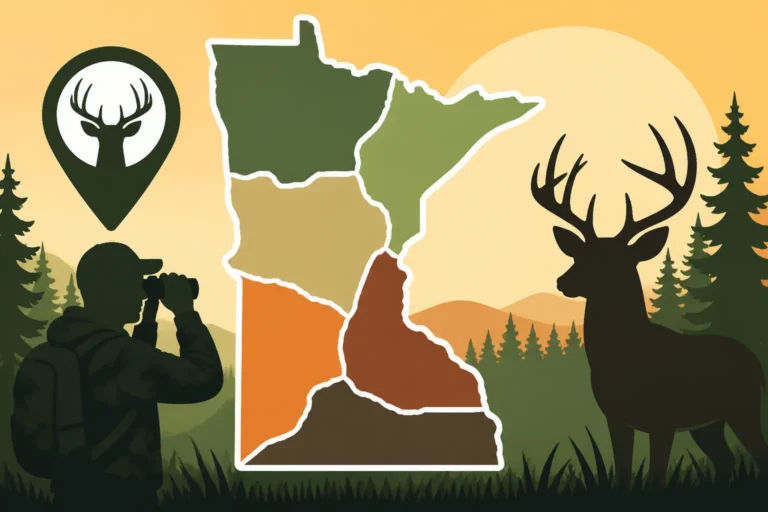
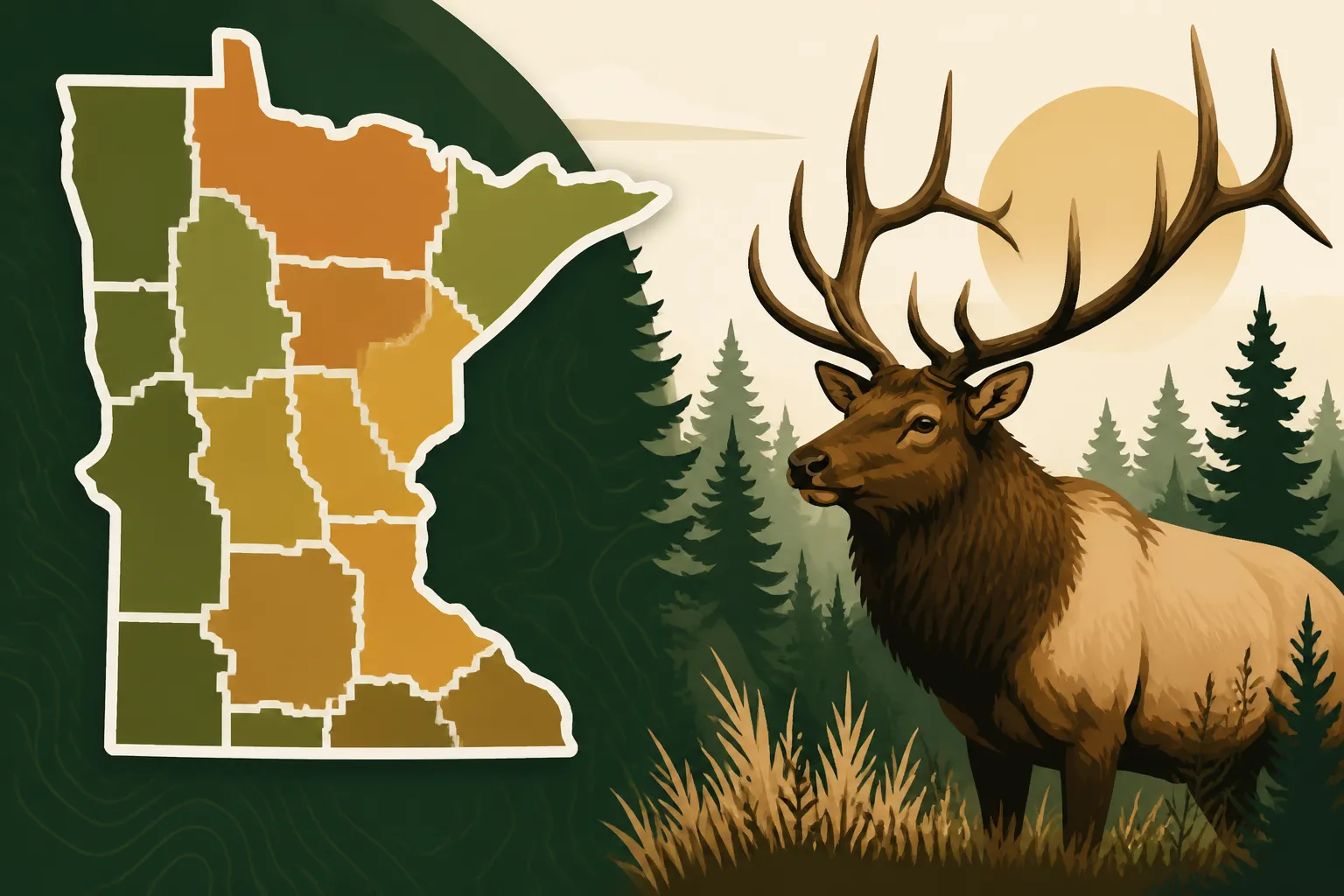
When it comes to actually hunting elk in Minnesota, it's not a free-for-all across their entire known range. The DNR has established specific hunt zones, often referred to by county names, where permits are allocated. These zones are designed to manage hunting pressure, distribute harvest, and address localized issues. It's absolutely critical to understand these boundaries if you ever hope to apply for or draw an elk tag.
Kittson County Elk Zone: The Primary Range
The Kittson County Elk Zone is by far the largest and most consistently productive elk hunting area in Minnesota. This zone encompasses a significant portion of central and western Kittson County, stretching from the Caribou Wildlife Management Area (WMA) south towards Lake Bronson and the Two Rivers State Forest. The habitat here is a mosaic of agricultural fields, particularly small grain crops, interspersed with brushy sloughs, aspen groves, and cattail marshes. Elk here often use the dense cover of these brushlands and marshes for bedding and security during the day, venturing out into agricultural fields to feed at night.
The primary herd, often referred to as the Caribou-Hallock herd, resides within this expansive zone. Because this is the largest and most established herd, the majority of the extremely limited elk tags are typically allocated here. Hunters successful in drawing a tag for this zone will find a mix of public lands, including the Caribou WMA, and private agricultural lands. Gaining permission on private land in this area can be incredibly beneficial, as elk often move between public and private holdings. Mapping tools, including those found on platforms like GoHunt, become indispensable for identifying Kittson County Elk Range Public Land and navigating property lines effectively. This area can present both open prairie challenges and dense cover for still-hunting or glassing, depending on the specific location you choose to pursue these animals.
Marshall County Elk Zone: A Smaller, Distinct Herd
South of the Kittson County zone lies the Marshall County Elk Zone, which holds a smaller, more localized herd, often referred to as the Grygla-Agassiz herd. This zone primarily covers a portion of northeastern Marshall County, near the towns of Grygla and Thief Lake, and borders the Agassiz National Wildlife Refuge. The habitat here is similar to Kittson County but tends to have more extensive marshlands and brush areas, especially closer to the Agassiz Refuge.
The Marshall County herd is generally smaller and offers even fewer permits, if any, in a given year, compared to Kittson. The presence of the Agassiz National Wildlife Refuge, which provides a significant sanctuary for wildlife, influences elk movements in this zone. Elk will often use the refuge for protection and then foray out into surrounding private and public lands to feed. For hunters, this means understanding the refuge boundaries and concentrating efforts on adjacent accessible lands. It's vital to research Marshall County Elk Range Public Land and potential access points, as the limited public access can be a challenge. The dynamics of a smaller herd can make hunting here incredibly challenging, requiring extensive scouting and a keen understanding of elk behavior relative to refuge boundaries and available forage.
The Challenge of Limited Elk Tags
The reality of Minnesota elk hunting boils down to one undeniable fact: opportunity is exceptionally scarce. When you consider the How Many Minnesota Elk Tags Are Issued each year, which might be as low as four or five across both zones, the odds are truly stacked against you. This isn't like deer hunting where you can buy an over-the-counter tag. Elk tags are awarded through a highly competitive lottery system, and most hunters will go their entire lives without drawing one.
This scarcity creates a unique challenge. While the zones themselves might be physically large, the actual number of animals to pursue, and the small handful of hunters allowed to pursue them, means that every piece of intelligence, every scouting trip, and every understanding of elk movement is magnified. Hunters often spend years, even decades, applying, learning the land, and hoping for that one lucky draw. It's a testament to the allure of these majestic creatures that so many remain committed to the chase despite the slim chances. This limited access is precisely why it's a Why the Minnesota Elk Tag Is Once in a Lifetime for most successful applicants, ensuring that as many different hunters as possible get a chance.
Navigating the Elk Lottery and Hunt Zone Specifics
The Minnesota elk lottery is a unique beast. It's not just about putting your name in a hat; it involves understanding preference points, season dates, and carefully selecting your desired hunt zone. Missing a deadline or misunderstanding the rules can cost you an entire year's chance, and with odds this long, every detail matters.
Applying for the Once-in-a-Lifetime Opportunity
The application process for a Minnesota elk license typically opens in the spring, with a firm Minnesota Elk Application Deadline usually in May or early June. It's critical to mark this date on your calendar, as late applications are simply not accepted. You'll apply through the Minnesota DNR's online GoHunt system, which streamlines the process but requires careful attention to detail. When you apply, you'll generally indicate your preference for a specific hunt zone – either Kittson County or Marshall County. Sometimes, if the herd dynamics allow, there might be specific sub-zones or even an "any legal weapon" option versus archery or muzzleloader only, depending on the year's specific regulations.
The lottery system in Minnesota awards preference points for unsuccessful applicants. This means that each year you apply and don't draw a tag, you accrue a point, increasing your odds slightly in subsequent years. However, even with maximum preference points, drawing an elk tag is still a long shot, as the sheer number of applicants far outweighs the available permits. It's important to remember that if you are successful, typically you cannot apply again for a set number of years, often for the rest of your life, depending on the specific tag and regulations. This "once-in-a-lifetime" aspect is part of what makes the opportunity so special and hotly contested.
Strategic Considerations for Zone Preference
When you're applying for an elk tag, choosing your zone preference isn't a decision to take lightly. It should be based on a combination of factors, including the historical success rates in each zone, the number of tags typically issued, and your own scouting efforts.
For example, the Kittson County zone generally offers more tags simply because it supports a larger portion of The Kittson County Elk Herd Size. This might make it seem like the "easier" choice, but it also means it's likely the most applied-for zone, potentially making the actual odds of drawing just as challenging. The Marshall County zone, with its smaller herd, might have fewer tags, but potentially also fewer applicants, though this isn't a guarantee.
Consider the terrain and access as well. Are you more comfortable hunting the mix of crop fields and brush of Kittson, or the more marshy, potentially refuge-influenced areas of Marshall? Scouting the areas before you apply, if possible, can give you a significant advantage. Even if you can't physically scout, utilizing mapping tools and satellite imagery, perhaps through GoHunt's detailed layers, to understand habitat types and public land access within each zone is invaluable. You'll want to review Minnesota Elk Hunt Zone Boundaries carefully, perhaps consulting the DNR's detailed maps which often show the precise lines for each permit area. Ultimately, your zone preference should align with where you feel you have the best chance of success, both in drawing a tag and in actually finding an elk if you're lucky enough to be drawn.
Here's a quick comparison of the main elk zones:
| Feature | Kittson County Elk Zone (Caribou-Hallock Herd) | Marshall County Elk Zone (Grygla-Agassiz Herd) |
|---|---|---|
| Primary Location | Central/Western Kittson County | Northeastern Marshall County |
| Herd Size | Larger, more established herd (approx. 80-120 animals) | Smaller, more localized herd (approx. 20-40 animals) |
| Typical Tags Issued | Higher proportion of annual permits (e.g., 4-6) | Fewer permits, sometimes none (e.g., 0-2) |
| Habitat Mix | Ag fields, brushlands, aspen groves, sloughs | Extensive marshlands, brush, near Agassiz Refuge |
| Public Land Access | Caribou WMA, Two Rivers State Forest, scattered WMAs | Scattered WMAs, near Agassiz NWR (no hunting within refuge) |
| Challenges | Private land access, managing pressure, open terrain | Extremely limited tags, smaller herd, refuge dynamics |
When planning your application, don't just focus on the numbers. Think about how you would actually hunt that specific area. Would you be Hunting Minnesota Now That Rifles Are Legal Statewide or opting for archery? Would you be relying on calls, or more on glassing? These are all important tactical considerations that will inform your best choice of zone.
Disclaimer
Please note: Hunting regulations, season dates, and permit area boundaries in Minnesota are subject to change annually by the Minnesota Department of Natural Resources (DNR). While every effort has been made to provide accurate and up-to-date information in this guide, it is essential for all hunters to consult the official Minnesota DNR hunting regulations and publications for the current year before planning any hunting activities. This content is for informational purposes only and should not be considered a substitute for official DNR resources.