Minnesota Rabbit and Hare Seasons
There's nothing quite like the crisp air, the crunch of fresh snow underfoot, and the thrill of tracking small game in Minnesota. But let's be honest, trying to decipher all the seasons, regulations, and specific species nuances for rabbit and hare hunting can feel like navigating a maze blindfolded. Many hunters, myself included, have stood in the woods wondering if they're even in the right place at the right time. This guide is here to untangle all that confusion, offering a clear path to understanding Minnesota's rabbit and hare seasons, helping you get out there and enjoy a truly classic winter pursuit.
Understanding Minnesota's Rabbit and Hare Species
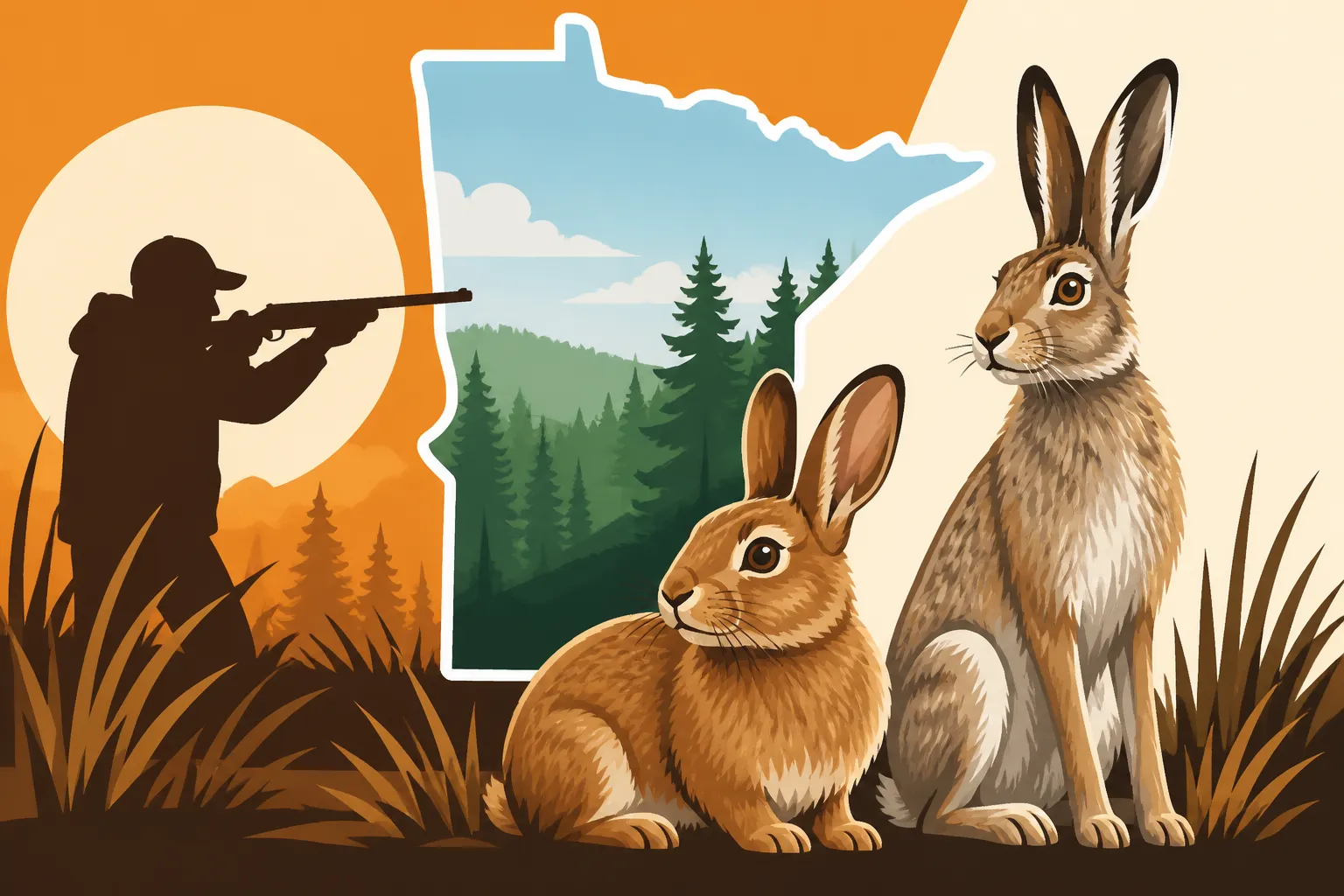
Before you even think about loading up the truck, it's really important to know what you're actually hunting. Minnesota is home to two primary species that fall under the "rabbit and hare" umbrella for hunters, and they are distinct in their habits, habitats, and even their appearance. Mistaking one for the other isn't just about identification; it's about understanding where to find them and how they behave in the wild.
Cottontail Rabbits: The Backyard Hopper
Ah, the ubiquitous cottontail! These are the little guys you often see munching grass in your backyard, darting across country roads, or flushing from brush piles in agricultural areas. In Minnesota, the eastern cottontail is our resident rabbit, and they are truly a creature of edge habitat. They thrive where different types of cover meet, like the transition from a cornfield to a wooded creek bottom, or a grassy field bordering a dense thicket. Their population trends, much like other small game, can fluctuate based on factors such as harsh winters and predator pressure. You can often find them in southern and central Minnesota, preferring areas with mixed agricultural land, brushy draws, and old farmsteads.
Cottontails are relatively small, usually weighing in at 2-3 pounds. Their fur is a mottled brown and gray, with that unmistakable fluffy white tail that gives them their name, especially prominent when they're hopping away. Unlike hares, cottontails don't change their fur color with the seasons; they remain brown year-round, which makes them stand out more against a snowy backdrop, making them a bit easier to spot but also more vulnerable to predators. They're also known for their short, quick bursts of speed, often running in a zigzag pattern to evade threats. When you're out hunting, remember that cottontails prefer to stay close to dense cover where they can quickly disappear if alarmed.
Their primary defense mechanism is to "freeze" or bolt for the nearest hole or brush pile. This means that if you're walking through likely cover, a cottontail might not flush until you're nearly on top of it, or it might just sit tight, hoping you'll pass by. Understanding this behavior is key to successful hunting, as it often means slower, more methodical pushes through prime areas. They're not going to lead you on a long, winding chase like a hare might. Instead, expect a quick flush and a dash for the densest cover available, which is often a tangled mess of thorns and briars that only a brave beagle would readily enter.
Snowshoe Hares: The Northwoods Ghost
Now, if the cottontail is the backyard hopper, the snowshoe hare is truly the ghost of the northern woods. These fascinating creatures are perfectly adapted to Minnesota's colder, snowier climes, primarily found in the dense coniferous and mixed forests of the central and northern parts of the state. Their name comes from their large, well-furred hind feet, which act like natural snowshoes, allowing them to traverse deep snow with relative ease, giving them a distinct advantage over predators like foxes and coyotes when the flakes really start to fly.
The most striking characteristic of the snowshoe hare, and indeed what makes them such a challenge to hunt, is their incredible camouflage. They undergo a seasonal color change, turning a rich brown in summer to blend with forest floors, and then molting to a pristine white in winter, virtually disappearing against a snowy landscape. Trying to spot a pure white snowshoe hare sitting perfectly still in a snow-covered cedar swamp is a frustration every northern hunter has experienced. You literally have to be looking for an eyeball or a twitch of an ear to pick them out.
Snowshoes are generally larger than cottontails, typically weighing 3-4 pounds, sometimes a bit more. They have longer ears and larger hind legs, which enable their powerful leaps and impressive speed. Unlike cottontails who prefer to hide, snowshoe hares often rely on their speed and camouflage, sometimes allowing you to walk right past them before they burst out of cover in a blur of white. They favor dense, young conifer stands, alder thickets, and cedar swamps – places where the cover is so thick, it feels like you're pushing through a wall, and you often are. It's a different kind of hunting experience altogether, more about navigating dense cover and being ready for a sudden, explosive flush. You can find more specific details on Snowshoe Hare Numbers in Minnesota for local population insights.
Key Season Dates and Regulations
Navigating the Minnesota Department of Natural Resources (DNR) regulations can sometimes feel like a puzzle. When it comes to rabbit and hare seasons, thankfully, it's one of the simpler ones, but there are still crucial details you need to get right to ensure you're hunting legally and ethically. Nothing takes the joy out of a successful hunt faster than realizing you've accidentally stepped outside the rules.
General Season Dates and Bag Limits
For both cottontail rabbits and snowshoe hares, Minnesota offers a remarkably long and hunter-friendly season. Generally, the season opens in mid-September and runs all the way through the end of February. This extensive timeframe provides ample opportunity to chase these critters, whether you prefer to hunt in the mild days of early fall or brave the bitter cold of deep winter. This long season often means you can combine a rabbit or hare hunt with other pursuits. For example, you might be out Grouse Hunting Minnesota Aspen Cover in the fall and stumble upon a cottontail, or be out after deer in December and spot a snowshoe hare.
The daily bag limit for both species is generous, allowing for up to 10 rabbits or hares per day. The possession limit is 20, which means you can have up to two days' worth of limits in your possession. This is fantastic for those longer trips up north or if you're putting together a good amount of meat for the freezer. This consistent and generous framework is a testament to the healthy populations of both cottontails and snowshoes across the state, and it’s a big reason why this can be such an accessible and rewarding hunting experience for newcomers and seasoned veterans alike. Always double-check the current year's hunting regulations booklet, easily accessible on the DNR website, or within mapping apps like GoHunt which often integrate regulatory overlays for the most up-to-date information, before heading out, as dates can shift slightly from year to year.
Important Regulatory Considerations
Beyond the dates and bag limits, there are a few other regulations to keep in mind. First and foremost, you'll need a valid Minnesota small game license. This is non-negotiable and easily obtained online, at most sporting goods stores, or through the DNR's eLicense system. It’s always good practice to carry proof of your license, whether physical or digital, when you're afield. You can learn more about what you need in my guide on Minnesota Small Game License Requirements.
Blaze orange requirements are also important. While small game hunters aren't always required to wear blaze orange in the same way deer hunters are, it's always a smart idea, especially during overlapping seasons or when hunting on public land where other hunters might be present. Check the specific regulations for small game if you're hunting during firearm deer season, for instance. It's truly a matter of safety for you and others. The use of dogs is generally permitted, and in fact, running beagles for rabbits and hares is a time-honored tradition and incredibly effective. If you plan on Running Beagles on Minnesota Snowshoe Hares, make sure your dogs are leashed or under your immediate control when not actively hunting, and that you respect property boundaries.
Another key regulation to remember, particularly when hunting cottontails in more populated or agricultural areas, is Minnesota's general trespass law. Always secure permission before hunting on private land. While many farmers are happy to let responsible hunters help control rabbit populations, a quick conversation can save you a lot of trouble. You might even find success trying to access small, overlooked woodlots by simply Knocking on Doors in Minnesota Farm Country. Even on public lands, it's wise to be aware of any local ordinances or special area rules that might impact your hunt. For example, some wildlife management areas might have specific rules about vehicle access or methods of take. A tool like GoHunt can often help you identify public land boundaries and even overlay land ownership, making it easier to navigate.
Prime Habitat and Hunting Tactics
Finding rabbits and hares often comes down to knowing their preferred hideouts. These aren't creatures that roam vast, open plains; they are masters of cover. Understanding their habitat preferences and adapting your hunting tactics accordingly is what will fill your game bag. It’s about being observant, methodical, and sometimes, a little bit stubborn in pushing through thick stuff.
Locating Cottontails in Farm Country and Brush
Cottontail rabbits are primarily found in the southern two-thirds of Minnesota, especially prevalent in the agricultural landscape. They thrive in areas that offer a mix of open feeding grounds and dense escape cover. Think about the edges of cornfields, soybean fields, or alfalfa patches that butt up against a thick shelterbelt, a brushy creek bottom, or an overgrown fenceline. These "edge habitats" are gold for cottontails. They'll feed in the fields, especially at dawn and dusk, and then retreat into the heavy cover to rest and hide during the day.
When you're actively hunting, focus your efforts on these dense areas. Walk slowly through brush piles, honeysuckle thickets, multiflora rose patches, or plum thickets. Any tangled mess of vegetation that looks impenetrable to a human is probably a cottontail haven. Don't be afraid to kick at brush piles or use a stick to rustle cover; many cottontails will sit tight until the last possible second. A good strategy is to have one or two hunters walk through the cover, pushing rabbits towards "blockers" positioned at the ends or sides of the thicket. This works particularly well for Rabbit Hunting Thick Minnesota Brush. Remember to always be aware of your hunting partners and know your safe shooting lanes. Utilizing a mapping app like GoHunt can help you visualize these cover types and plan your pushes effectively.
Another often-overlooked spot for cottontails is around old farmsteads, abandoned buildings, and even suburban fringes (where hunting is legal and safe, of course). The old foundations, discarded machinery, and overgrown gardens provide excellent cover and food sources. These areas can be incredibly productive, but also require extra caution and often necessitate prior landowner permission. When snow is on the ground, look for tracks leading into and out of these cover patches. A fresh set of tracks can tell you a lot about recent activity and preferred travel routes, narrowing down where you should focus your efforts.
Pursuing Snowshoes in Northern Forests
Hunting snowshoe hares is a different beast entirely, largely because their preferred habitat is so distinct. You'll find snowshoes primarily in the dense, coniferous, and mixed forests of northern and central Minnesota. They absolutely love young aspen stands, cedar swamps, spruce thickets, and areas with dense undergrowth. Think about the places where the forest is so thick you can barely walk through it – that's snowshoe country. These habitats provide both excellent cover from predators and abundant food sources like small twigs, buds, and bark.
Tactically, pursuing snowshoes often involves pushing through these incredibly dense areas. It's physically demanding work, often involving climbing over downed trees, pushing through branches, and post-holing in deep snow. Again, having a line of hunters pushing through a thicket towards blockers can be very effective. Be prepared for a lightning-fast flush and a quick shot opportunity. Their white camouflage in winter makes them incredibly difficult to spot, so you're often shooting at movement rather than a clearly defined target. This is where a good pair of Boots for Walking Minnesota Popple Cuts and Brush Pants for Minnesota Alder become absolutely essential.
For many, the most effective and enjoyable way to hunt snowshoes is with a good pack of beagles. These tenacious hounds excel at unraveling a hare's trail and keeping it moving. The sound of a beagle's baying as it works a track is music to a hare hunter's ears. If you're fortunate enough to have access to beagles, let them do the work. Position yourself along known hare runways or escape routes within the thick cover, and let the dogs push the hare to you. This is where Running Beagles on Minnesota Snowshoe Hares truly shines. Even without dogs, the key is persistent, methodical pushing through the densest cover you can find. Look for clipped twigs and small browse marks, especially when snow reveals their feeding habits.
Essential Gear and Preparation
Success in the field, whether for rabbits or hares, often boils down to having the right gear and being properly prepared for the conditions you'll encounter. Hunting small game in Minnesota, especially in winter, can throw a lot at you, from freezing temperatures to thick, unforgiving cover. Being uncomfortable or unprepared leads to less time in the field and a less enjoyable experience.
Firearm and Ammunition Choices
When it comes to firearms for rabbits and hares, simplicity and versatility are key. The most common and effective choice is often a 20-gauge or 12-gauge shotgun. A standard modified or improved cylinder choke is usually ideal, providing a good spread for close-range flushing shots in dense cover without blowing the target to bits. For ammunition, small game loads with #6 or #7.5 shot are perfect for cottontails, and often #4 or #5 shot for snowshoes, which can be a bit tougher. If you're wondering about specifics, checking out guides on Shot Size for Grouse and Woodcock can give you good cross-over insights since the shot sizes are often similar.
Some hunters prefer a .22 caliber rifle or handgun for cottontails, especially if they are sitting still. This offers a more challenging shot and preserves more meat. However, a .22 is less forgiving on moving targets in thick brush, and it's generally not recommended for snowshoes which often explode out of cover. Whatever firearm you choose, make sure it's sighted in and you're comfortable and proficient with it. Safety is always paramount, and knowing your effective range with your chosen setup in the actual hunting conditions is critical. Always carry your firearm safely and unload it when crossing obstacles or entering a vehicle.
Clothing, Footwear, and Dog Considerations
Minnesota weather, especially during the long rabbit and hare season, can be incredibly variable. Dressing in layers is absolutely crucial. You might start a November morning feeling crisp, but by afternoon, busting brush, you'll be shedding layers. Think about a moisture-wicking base layer, insulating mid-layers like fleece or wool, and a durable, waterproof/windproof outer shell. Blaze orange is always a good idea, as discussed earlier, for visibility. Having quality Upland Guns for Popple and Alder means nothing if you're freezing cold.
Footwear is arguably the most important piece of gear. For general cottontail hunting in brushy fields, waterproof leather boots might suffice, but if you're heading into northern snowshoe territory, you'll want something much more substantial. Insulated, waterproof boots are non-negotiable for keeping your feet warm and dry, especially when post-holing through snow or slogging through wet cedar swamps. Good wool socks are a game-changer. Gloves, a warm hat, and even hand warmers will make a long day in the cold much more enjoyable.
If you're hunting with dogs, particularly beagles for hares, remember their needs too. Cold weather can be tough on paws, so consider protective boots for your canine companions. A reflective vest can also help keep them visible in thick cover. Always carry water for your dogs and keep an eye on them for signs of fatigue or cold. A first-aid kit, both for yourself and your dog, is also a wise addition to your pack. Finally, don't forget the practical items: a game bag or vest with a large pouch for carrying your harvest, a small knife, and a reliable compass or GPS device (or a mapping app like GoHunt on your phone) to help you navigate unfamiliar terrain.
Disclaimer
Hunting regulations and conditions can change. Always consult the official Minnesota Department of Natural Resources (DNR) regulations for the current season before planning any hunt. This guide is for informational purposes only and does not supersede official state regulations. Be safe, ethical, and respectful of landowners and wildlife.