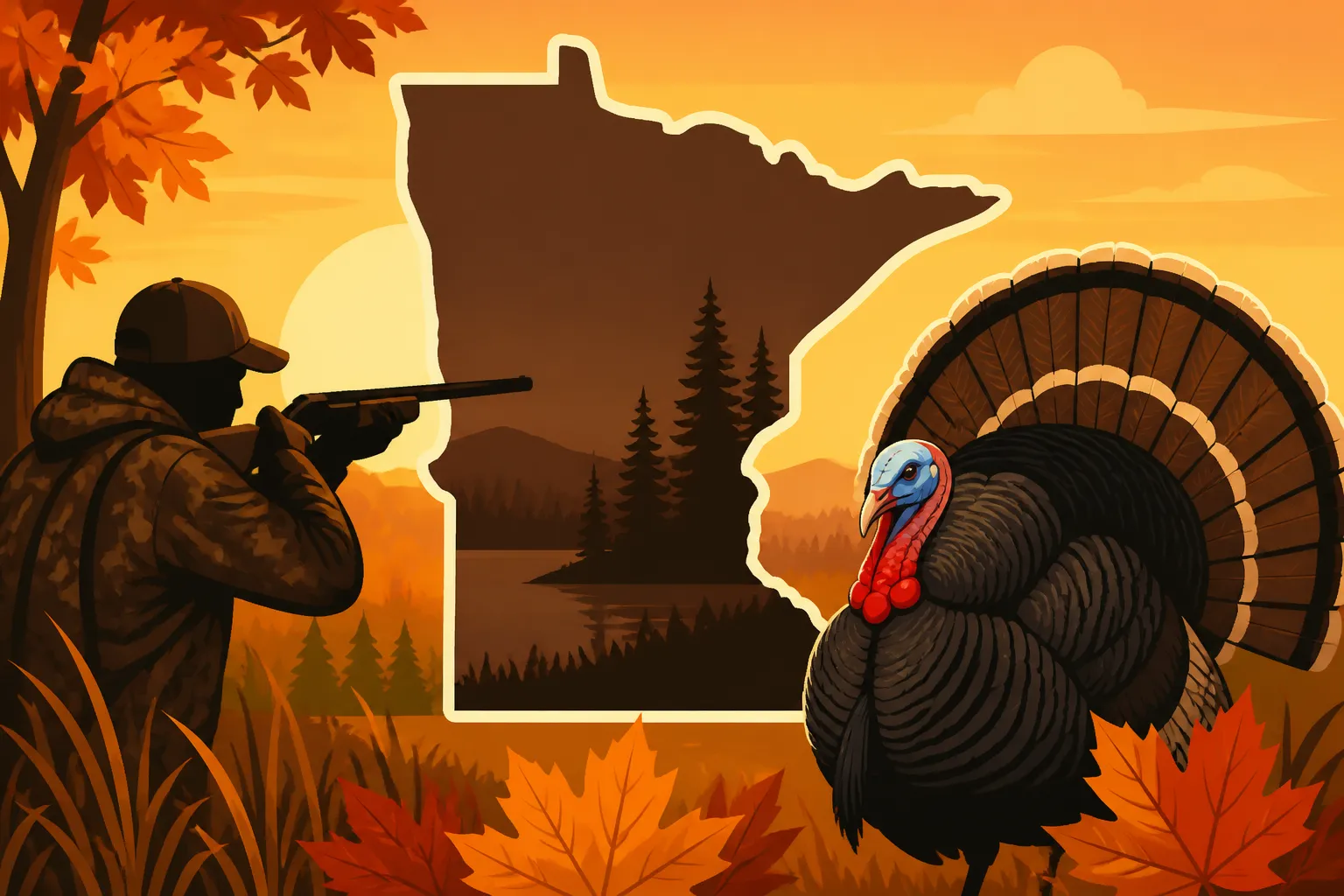
Minnesota Fall Turkey Season Dates
It can feel like you need a special decoder ring just to figure out hunting season dates sometimes, especially when you're looking at something as specific as fall turkey. The Minnesota DNR website is a wealth of information, but pinning down exactly when and where you can chase gobblers in the autumn can be a bit of a maze. This guide is here to untangle all that, giving you clear, up-to-date information on Minnesota's fall turkey season dates, how to get your license, and what you need to know to hit the woods successfully.
Understanding Minnesota's Fall Turkey Season Framework
Fall turkey hunting in Minnesota is a completely different beast than the spring, and understanding that fundamental difference is key to wrapping your head around the season structure. Gone are the days of territorial gobblers strutting and sounding off. In the fall, it's all about flocks, food sources, and different tactics. This shift in turkey behavior naturally influences how the seasons are set up.
Fall Season's Unique Appeal and Challenges
While spring offers the thrilling, vocal give-and-take with a love-struck tom, fall hunting presents its own set of unique appeals and challenges. Instead of trying to coax a lonesome gobbler into range, you're often dealing with larger flocks of birds, including hens and their poults. The goal usually shifts from calling in a single dominant male to locating, scattering, and then calling back scattered birds, often mimicking lost poults or a lone hen. This requires a different kind of patience and a keen eye for subtle turkey behavior.
The fall landscape also plays a huge role. With leaves changing and falling, visibility can either improve or make birds harder to spot against a busy background. Food sources become paramount, with turkeys keying into acorns, waste grain, and various berries to pack on weight before winter. Understanding these seasonal shifts in turkey behavior and habitat use is crucial, and it's why successful hunters often approach the fall with a completely different mindset and set of tactics. If you're looking for more specific methods, you might want to check out our article on Fall Turkey Tactics in Minnesota.
The Statewide Approach to Fall Turkey Hunting
One of the great things about Minnesota's fall turkey season is its relative simplicity compared to the spring's zone-and-period lottery system. For the most part, the fall season operates on a largely statewide basis. This means fewer complex drawings and more opportunities for hunters across various regions of the state to participate. You generally don't have to worry about specific geographic zones like you might for deer or spring turkeys; instead, it's about the general season framework that applies broadly.
However, "statewide" doesn't mean "everywhere." There are always specific nuances, such as designated no-hunting areas or properties under special management, but the overarching principle is accessibility. This simplified structure makes planning a fall hunt much easier for many, allowing more flexibility in choosing where to go within the state's diverse landscapes, from the big woods up north to the agricultural fields down south. This broad eligibility is a refreshing change of pace and one of the reasons many hunters look forward to the autumn months.
Official Minnesota Fall Turkey Season Dates
Getting to the heart of the matter, understanding the official dates is paramount. The Minnesota Department of Natural Resources (DNR) sets these dates annually, and while they tend to be consistent year-to-year, it's always best to double-check before making your plans. The key here is the general statewide season, which covers the vast majority of opportunities for fall turkey hunters.
General Statewide Season Window
For the upcoming 2024 season, Minnesota's fall turkey season officially opens on September 1st and runs through October 31st. This two-month window provides ample opportunity for hunters to get out and pursue turkeys across the state. This means you have the entire month of September, with its lingering warmth and lush foliage, and the cooler, crisper days of October, often accompanied by vibrant fall colors, to chase after wild turkeys.
During this general season, the bag limit is one turkey of either sex. This differs significantly from the spring season, where hunters are typically limited to male turkeys or bearded hens. The "either sex" rule in the fall reflects the different management goals for the autumn hunt, allowing for greater flexibility in harvesting a bird from the abundant flocks found during this time of year. Hunters can generally purchase an over-the-counter license for this period, simplifying the process immensely. You can find more details on general licensing requirements in our guide to Minnesota Hunting Licenses and What They Cost.
Specific Permit Areas and Their Nuances
While the general statewide season covers most of Minnesota, it's important to be aware that there can be exceptions for specific permit areas or managed hunts. These areas often have unique rules, dates, or lottery requirements due to specific management objectives, habitat considerations, or high hunting pressure. For instance, locations like Carlos Avery Wildlife Management Area or Whitewater Wildlife Management Area sometimes host special hunts that require a separate application process and may have different dates or harvest restrictions.
These special hunts are typically detailed well in advance by the DNR and often have application deadlines that precede the general season. Hunters interested in these specific opportunities should consult the DNR's annual hunting regulations booklet or their website for the most accurate and up-to-date information. While you won't need a lottery to hunt most of Minnesota during the fall turkey season, these special permits are the exception, not the rule. Tools like GoHunt can be invaluable for researching these localized opportunities and understanding the nuances of different hunting areas, helping you tailor your approach to specific regulations.
Here's a quick overview of the main fall turkey season details:
| Season Type | Dates | Bag Limit | Permit Type | Notes |
|---|---|---|---|---|
| General Statewide Fall | Sept 1 – Oct 31 | One turkey (either sex) | Over-the-counter | Applies to most of Minnesota |
| Special Managed Hunts | Varies by Area | Varies by Area | Lottery/Special Permit | Check DNR for specific locations/rules |
Navigating Licenses and Regulations for Your Fall Hunt
Once you have the dates squared away, the next critical step is ensuring you're properly licensed and understand all the regulations. The process for obtaining a fall turkey license is usually straightforward, but overlooking small details can quickly turn a planned hunt into a missed opportunity.
Securing Your Minnesota Fall Turkey License
Obtaining your Minnesota fall turkey license is a fairly simple process, typically done over-the-counter or online. Unlike the spring season, which often involves a lottery for specific zones, fall turkey licenses are generally available for purchase by anyone with a valid small game license and firearms safety certificate (if required by age). You can buy your license at any authorized license agent, such as sporting goods stores, bait shops, or county auditor offices.
The most convenient way for many is to purchase their license through the Minnesota DNR's eLicense system online. This allows you to print your license at home or save it digitally to your phone, ensuring you have proof of license readily available in the field. Remember, you'll also need to have proof of your small game license and potentially your Minnesota Migratory Game Bird Certification if you're pursuing other game. Always ensure you complete the purchase before you head out, as game wardens are diligent about checking for proper documentation. For more detailed steps, our article on Buying a Minnesota License on eLicense can walk you through the online process.
Key Rules and Bag Limits to Remember
Beyond just the season dates and obtaining a license, there are several key rules and bag limits that all fall turkey hunters must adhere to. As mentioned, the daily and season bag limit for the general statewide fall season is one wild turkey of either sex. This means you can harvest one turkey throughout the entire September 1st to October 31st period. There's no separate daily limit that would allow you to take more than one bird within that single season.
It's also crucial to be aware of legal shooting hours, which typically run from half an hour before sunrise to half an hour after sunset. Always carry a reliable light source for walking in and out of your hunting spot, especially in the low light of dawn and dusk. Additionally, hunters must carry their license and tags, and be prepared to immediately validate and tag their harvested turkey. The DNR's rules on Minnesota Legal Shooting Hours and Minnesota Turkey Bag Limit provide comprehensive details you'll want to review. Knowing these regulations inside and out ensures a responsible and legal hunt, and resources like GoHunt can help you quickly reference state regulations while planning your trips.
Preparing for a Successful Fall Turkey Hunt
With dates and regulations clear, the next step is preparation. Fall turkey hunting demands a slightly different approach than spring, both in terms of scouting and the gear you bring to the field. Thinking ahead about these aspects can significantly increase your chances of success.
Scouting and Strategy Differences from Spring
Fall turkey hunting strategies pivot heavily on locating flocks and understanding their feeding patterns. Unlike spring, where you might focus on roosting areas and strut zones, fall scouting emphasizes finding food sources. Look for areas with abundant acorns, wild grapes, or waste grain in agricultural fields. Turkeys will spend a lot of time in these areas, especially as the weather cools. You'll also want to identify travel corridors between roosts and feeding areas.
One common and effective fall tactic is to locate a flock, then try to break it up by running at them or making a loud commotion. Once scattered, you'd then set up and call birds back, often mimicking the yelps of a lost hen or the excited clucks of young birds. This is a stark contrast to the patient waiting and careful calling of spring. Using aerial maps and scouting apps, like those found on GoHunt, to identify potential feeding areas, open timber, and field edges before you even step foot in the woods can give you a significant advantage. If you want to dive deeper into specific methods, consider our article on Hunting Minnesota's Fall Turkey Season.
Essential Gear and Resources for Fall Success
The gear you bring for a fall turkey hunt will overlap with spring essentials, but some items become even more critical. Layering your clothing is paramount, as fall weather in Minnesota can be highly unpredictable, swinging from mild to chilly in a single day. Quality waterproof outerwear is a must, especially if you plan to sit for extended periods in potentially damp conditions. Good boots are also non-negotiable, as you might cover significant ground looking for active flocks.
For calling, focus on calls that can mimic the sounds of scattered hens and poults – a good slate call or box call, along with some diaphragms, are excellent choices. Decoys can be effective, but often a single lost hen or jake decoy is enough to draw in birds trying to regroup. A comfortable ground blind or a good seat cushion is also a smart addition for those longer waits after scattering a flock. Always carry a compass or a GPS unit (like a dedicated device or a reliable phone app) to navigate unfamiliar terrain, especially if you're venturing into expansive public lands. Planning is key, and ensuring you have the right equipment for Minnesota's varied fall conditions will make your hunt far more enjoyable and productive.
Disclaimer
Please remember that hunting regulations can change. Always consult the official Minnesota Department of Natural Resources (DNR) website or the most current hunting regulations booklet before planning any hunting trip. This guide is for informational purposes only and should not be considered a substitute for official DNR regulations.