When the Late 300B Season Opens
There's a unique frustration that often sets in after Minnesota's main firearm deer seasons wind down. You've been out in the brisk November air, maybe you filled a tag, maybe you didn't, but suddenly, it feels like the deer woods are quiet. Yet, for many hunters, the opportunity isn't over. This comprehensive guide is here to shed light on one of Minnesota's most advantageous late-season opportunities: the 300B firearm deer season, detailing exactly when it opens, where it applies, and how you can make the most of this often-overlooked hunt.
Understanding Minnesota's 300B Deer Season
The 300B season isn't just another hunting period; it's a strategically placed opportunity designed to achieve specific deer management goals. While it might feel like an extension, it's distinct in its timing, focus, and the areas it covers, offering a unique challenge and reward for dedicated hunters.
What Makes the 300B Different?
Unlike the bustling opening weekends of the 100 or 300A series firearm seasons, the 300B is a much calmer, colder affair. Its primary purpose is to help the Minnesota DNR manage deer populations in specific areas, often those designated as Intensive or Managed permit areas where higher antlerless harvests are desired. This means the season is almost exclusively focused on harvesting antlerless deer, though in some areas, any-deer tags might be valid if population goals allow. The extended opportunity comes at a time when deer are often concentrated in wintering areas, making it a critical tool for managing herd health and mitigating agricultural damage or chronic wasting disease (CWD) risks.
This late timing, typically running into early December, means hunters face different conditions than those encountered in early November. The leaves are long gone, snow often covers the ground, and temperatures can plummet. These factors dramatically change deer behavior, concentrating them around available food sources and dense thermal cover. For a hunter willing to brave the cold, it presents a different kind of challenge, often with less competition from other hunters.
Geographical Areas and Permit Types
The 300B season isn't statewide; it's specific to certain permit areas, primarily those that have been designated as "Intensive" or "Managed" harvest zones. These are areas where the DNR has determined that the deer population is above objective or where increased harvest is necessary for disease management. You won't find 300B seasons in every corner of Minnesota, which makes understanding your specific permit area crucial.
Historically, areas in central Minnesota and parts of the southeast, particularly those with a mix of agricultural land and good deer cover, have been candidates for 300B opportunities. For example, in recent years, permit areas like 338, 339, and 348 have frequently been included in the 300B framework. These are often zones where deer can easily find refuge in dense woods but still impact agricultural fields, necessitating an extended harvest. Using mapping tools like Scouting With the Minnesota Recreation Compass App or even a reliable commercial app like GoHunt, can help you visualize these permit area boundaries and understand how they intersect with public and private land. Before planning your hunt, always verify that your target permit area is indeed open for the 300B season.
Key Dates and Permit Area Specifics for 300B
When you're eyeing that late-season opportunity, knowing the exact dates is paramount. The 300B season consistently falls into a particular window, but the specific start and end dates, along with the applicable permit areas, can vary slightly year to year.
When the 300B Season Typically Opens
The late 300B firearm season traditionally kicks off the Saturday following Thanksgiving. This timing places it squarely in late November and often extends through the first week or two of December. For instance, in a recent season, the 300B ran from November 25th through December 10th. This provides a roughly two-week window for hunters to pursue deer when many other firearm seasons have already concluded.
It's absolutely critical to remember that while this pattern holds true most years, the Minnesota DNR officially publishes the specific dates and applicable permit areas each summer. These dates are set after biologists evaluate harvest data from previous seasons and assess current deer population trends against management objectives. Always double-check the current year's Minnesota Hunting Seasons and Permit Areas regulations to confirm these dates and avoid any unfortunate surprises. This is especially true as seasons and regulations can sometimes shift based on CWD management needs or severe winter impacts on deer herds.
How to Confirm Your Permit Area and Season Choice
Navigating Minnesota's deer permit areas can feel like a labyrinth at times, especially with different season structures, weapon restrictions, and lottery requirements. For the 300B season, it's essential to:
- Identify Your Permit Area: Know Which Zone a Minnesota County Falls In or, more specifically, your chosen permit area number. This number dictates everything from season dates to antlerless tag availability.
- Check the Regulation Handbook: The annual Minnesota Hunting Regulations Handbook is your Bible. It will clearly list all permit areas open for the 300B season, along with specific dates, weapon restrictions (though Minnesota's New Statewide Rifle Rules generally apply now, it's wise to confirm), and bag limits.
- Utilize Online Resources: The Minnesota DNR website has an interactive map and search tools where you can input a permit area number and get detailed information. Additionally, mapping apps like GoHunt are invaluable for overlaying permit area boundaries with land ownership and topographical features, helping you plan your hunt.
- Understand Tag Requirements: The 300B season often requires a bonus antlerless tag, or you might need to have successfully drawn an antlerless lottery tag for that specific permit area. Before the season, ensure you have the correct tags in hand. If you're hoping to be Hunting the Late 300B Firearm Opener, make sure you've applied for the antlerless lottery before September 10 if your area requires it.
Remember, even if you hunt the same permit area every year, regulations can change. A quick, proactive check can save you a lot of hassle and ensure a legal, enjoyable hunt.
Strategies for Hunting the Late 300B Season
Hunting in late November and early December demands a shift in tactics. The deer you're pursuing have been pressured for weeks, and the changing landscape dictates a different approach to finding success.
Adapting to Cold Weather and Snow Conditions
The most apparent change during the 300B season is the weather. The mild temperatures of early archery season are a distant memory, replaced by biting winds, freezing rain, and often, significant snowfall. This isn't just uncomfortable for hunters; it dramatically impacts deer behavior. Deer become highly focused on two things: food and thermal cover.
When hunting the 300B, your strategy must revolve around these priorities. Look for deer to be concentrated in areas with reliable Late-Season Food Sources for Minnesota Whitetails, such as standing cornfields, oak ridges with remaining acorns (especially after a poor acorn year), or brushy areas with browse. South-facing slopes that catch more sunlight can be critical thermal cover, melting snow slightly and offering warmer bedding areas. Dense conifer stands, cattail sloughs, and thick tag alders also become prime spots for deer to escape the wind and cold.
Snow, while cold, can be a hunter's best friend. Fresh snowfall offers a pristine canvas to read deer movement. You'll be able to clearly identify travel corridors, feeding areas, and bedding sites by following tracks. Learning to differentiate fresh tracks from older ones and understanding how deer move through various terrains, such as when Tracking a Deer in Fresh Minnesota Snow, is an invaluable skill. However, be prepared for deep snow, which can make travel difficult and game retrieval challenging, so plan your entry and exit routes carefully.
Locating Deer in December
By late season, deer are wise to hunting pressure and tend to gravitate towards sanctuary areas – places with thick cover that are difficult for hunters to access. Your job is to find these spots and figure out how to approach them effectively.
One highly effective strategy, especially on public land with suitable terrain, is coordinating Deer Drives With Three or Four Hunters. This involves strategizing how to push deer out of dense cover towards designated standers. Communication and safety are paramount here, but a well-executed drive can be incredibly successful in moving deer that have become stationary. If you're a solo hunter or prefer a quieter approach, still-hunting Minnesota big woods, moving slowly and deliberately through cover, paying close attention to wind direction, can yield results as deer often don't move far from bedding to feeding in the cold.
Another key is to focus on funnels and pinch points between bedding and feeding areas. Deer, especially in cold weather, prefer the path of least resistance and safety. A narrow strip of woods connecting two larger blocks of cover, a fence line, or a creek crossing can be a high-traffic zone. Look for sign – tracks, rubs, and scrapes, even if older – that indicate historical deer movement. Thermal bedding areas near food sources will be goldmines. On private land, don't overlook areas around homesteads or suburban fringes where deer might feel safer from pressure and have access to supplemental food. Using a platform like GoHunt can help you scout these areas virtually and identify potential travel corridors or bedding thickets before you ever step foot in the woods.
Gear and Regulations Unique to the 300B Hunt
Success in the 300B season often boils down to proper preparation, both in terms of the gear you carry and your understanding of the specific rules governing this late-season opportunity.
Essential Gear for Late-Season Success
Hunting in Minnesota in late November and early December means embracing the cold. Your gear choices will make or break your comfort and ability to stay out long enough for a shot opportunity.
- Layered Clothing: Forget your lightweight early-season camo. You'll need serious insulation. Start with moisture-wicking base layers, add warm mid-layers like fleece or wool, and top it off with a heavy, insulated, windproof, and waterproof outer shell. Investing in good quality gear for Layering for a Minnesota Deer Stand is non-negotiable. Wool is a fantastic choice for quiet movement and retaining warmth even when damp.
- Insulated Boots: Cold feet are miserable. Opt for highly insulated, waterproof boots designed for extreme cold. Look for boots with at least 1000 grams of Thinsulate or equivalent. Rubber boots are also excellent for keeping feet dry in snowy or slushy conditions, and a good pair can withstand low temperatures. Pair them with warm, moisture-wicking socks.
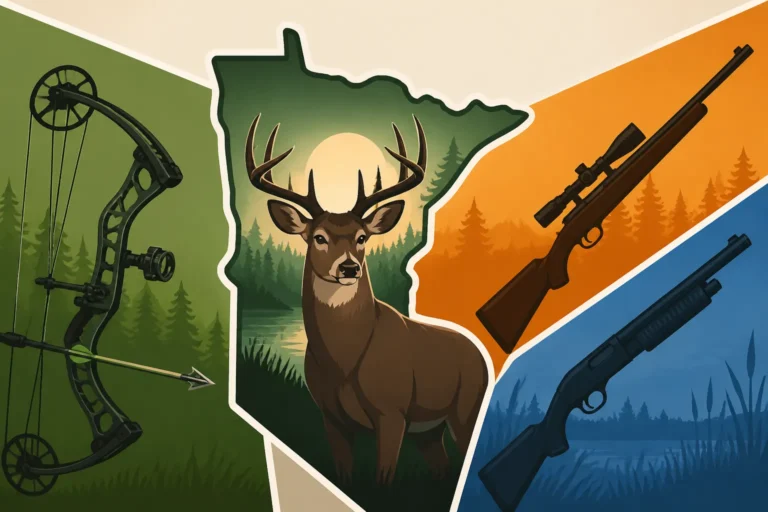
- Firearm Choice: With Minnesota's New Statewide Rifle Rules, most hunters can use a rifle in 300B areas unless a specific county or permit area retains shotgun-only restrictions. Choose a reliable rifle with a suitable caliber for whitetails, like a .30-06, .308, or even a .270. Ensure your Rifle Setups for Minnesota Deer Hunting are sighted in for typical timber ranges. If you're hunting one of the Thirteen Remaining Shotgun-Only Counties, ensure your slug gun is accurate and reliable.
- Optics: Good binoculars and a scope with excellent low-light gathering capabilities are crucial. The days are shorter, and deer often move during dawn and dusk.
- Game Retrieval: If snow is on the ground, a deer sled is invaluable. Forget dragging a heavy deer through drifts; a plastic Deer Sleds for Snow Country will save your back and make the recovery process much faster, especially when you're recovering a deer from a frozen slough.
- Safety Gear: A safety harness is always essential when hunting from an elevated stand. Pack a first-aid kit, a reliable headlamp with extra batteries, and a way to communicate, even if cell service is spotty.
Navigating Special 300B Regulations
While many general Minnesota hunting regulations apply, there are often specific considerations for the 300B season that you must be aware of to ensure a lawful and successful hunt.
- Weapon Legality: While rifles are now broadly legal statewide for deer, always double-check the specifics for your permit area. There are still a few counties and special hunt areas where only shotguns or muzzleloaders are permitted.
- Blaze Orange Requirements: Minnesota law mandates blaze orange (or blaze pink) during the firearm seasons. Ensure you have the required amount visible from all directions. Even though deer may have been pressured, safety is always paramount, especially when other hunters might be out.
- Deer Registration: All harvested deer must be registered according to DNR rules. This can often be done online via the Registering a Minnesota Deer Online system or at designated registration stations. Understand the deadline for registration after your harvest.
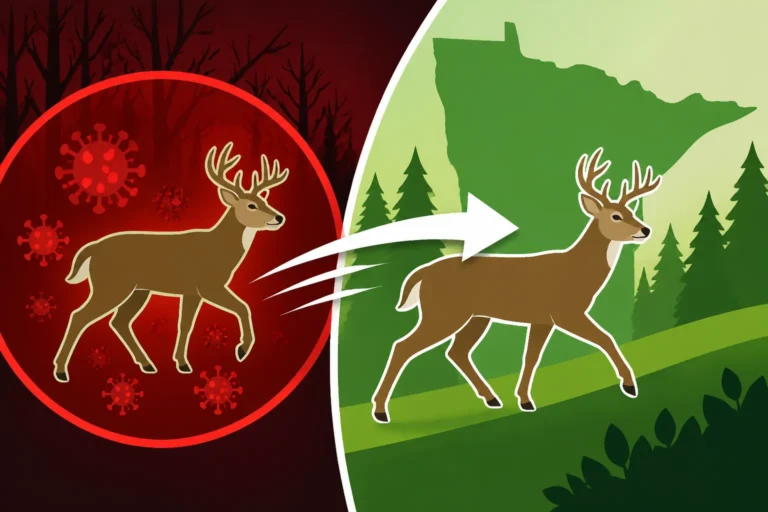
- CWD Management: Chronic Wasting Disease is a serious concern, and certain CWD management zones in Minnesota may have specific rules for carcass movement, mandatory sampling, or additional testing requirements. If you're hunting in or near a CWD management or surveillance zone, familiarize yourself with Minnesota's Four-Year CWD Testing Rotation and any special regulations that apply, such as the voluntary sampling stations or mail-in kits.
- Antlerless Focus: The 300B is heavily focused on antlerless harvest. Be certain of the antler point restrictions and tag requirements for your specific permit area. Accidentally harvesting an antlered deer if only antlerless is allowed could lead to a violation.
Staying informed and prepared will allow you to focus on the hunt itself, rather than worrying about compliance. The 300B season offers a fantastic late-season opportunity for those willing to embrace the colder conditions and adapt their strategies, and with GoHunt's detailed mapping and regulations features, you'll be well-equipped to navigate the specifics of your chosen hunting grounds.
| Feature | Standard Firearm Seasons (e.g., 100 Series) | 300B Late Firearm Season |
|---|---|---|
| Typical Opening | Early to Mid-November | Saturday after Thanksgiving (late Nov) |
| Typical Duration | ~9 days | ~2 weeks (into early Dec) |
| Primary Focus | General deer harvest, including bucks | Antlerless harvest (population control) |
| Conditions | Variable, often crisp to mild, falling leaves | Often cold, snowy, bare trees |
| Deer Behavior | Active rutting behavior, feeding, seeking cover | Concentrated on food/thermal cover, wary |
| Hunter Pressure | High, especially opening weekend | Lower, more solitary hunting |
| Permit Areas | Statewide (zones 100-300) | Specific Intensive/Managed areas |
| Tag Requirements | Archery/Firearm deer tag | Often bonus antlerless tag required |
Disclaimer
Please note that hunting regulations, season dates, and permit area designations can change annually. While this guide provides general information and typical patterns for Minnesota's 300B deer season, it is crucial to consult the official Minnesota Department of Natural Resources (DNR) hunting regulations handbook for the current year before planning any hunt. Always verify all dates, rules, and permit area specifics directly with the DNR to ensure compliance and a safe, legal hunting experience.