Minnesota Mentored Youth Hunting Rules
Bringing new hunters into the fold can sometimes feel like navigating a maze of regulations, especially when you're trying to share your passion with a youngster. Many experienced hunters remember the struggle of getting started, and it often involved a lot of self-teaching or informal guidance. The good news is, Minnesota has designed a fantastic program specifically to ease this transition: the Mentored Youth Hunting Program. This guide will walk you through everything you need to know to confidently take a young, aspiring hunter afield, ensuring a safe, legal, and memorable experience for both of you.
Understanding the Mentored Youth Hunting Program
For generations, the transfer of hunting knowledge was an informal apprenticeship, often passed down from parent to child or elder to younger. While that tradition remains strong, the formal Mentored Youth Hunting Program in Minnesota provides a structured, yet flexible, pathway for young people to experience hunting without first needing to complete the full hunter education certification. It's an acknowledgment that hands-on experience, under careful supervision, is often the best teacher.
What is Mentored Youth Hunting?
At its heart, Minnesota's Mentored Youth Hunting Program allows youth under the age of 16 to hunt certain game species before they've completed the required firearms safety or hunter education course. The critical component is the presence of an authorized, licensed, and responsible adult mentor who supervises them directly. This isn't just about sharing a blind; it's about sharing knowledge, safety protocols, ethical considerations, and the deep respect for wildlife and the outdoors that defines responsible hunting. It provides a taste of the hunting experience, hopefully sparking a lifelong interest, all within a strictly controlled environment designed for maximum safety.
The program addresses a common hurdle: the time commitment required for traditional hunter education. While those courses are invaluable and ultimately mandatory for unsupervised hunting, they can be a barrier for youngsters eager to try hunting now. This program bridges that gap, allowing a provisional entry into the field, fostering immediate engagement. It means a kid doesn't have to wait an entire year after an idea sparks to get out there and experience a hunt.
Why Minnesota Implemented It
Minnesota, like many states, recognizes the importance of recruiting and retaining hunters. The future of conservation, wildlife management, and the rich hunting heritage depends on new generations picking up the torch. Data consistently shows a decline in hunter numbers nationwide, and often, complex regulations or a lack of immediate access can deter potential newcomers. By implementing this mentored program, Minnesota aims to lower the initial barrier to entry, making it easier for interested youth to try hunting without the immediate, full investment of time and resources into hunter education.
Furthermore, the program is a proactive measure to ensure safety. Rather than leaving inexperienced youth to learn through trial and error or inadequate informal teaching, it mandates direct, responsible adult supervision. This ensures that fundamental safety lessons – firearm handling, shot placement, ethics, and fieldcraft – are imparted from the very first moments in the woods or fields. It's a structured way to instill the core tenets of safe and ethical hunting from day one, fostering good habits from the start.
The Core Philosophy Behind the Rules
The philosophy underpinning Minnesota's Mentored Youth Hunting Rules is a dual focus on access and safety. On one hand, it's about making hunting accessible and appealing to youth, providing a positive first impression that encourages continued participation. This access is crucial for connecting young people to nature and traditional outdoor activities in an increasingly indoor world. The hands-on learning aspect is invaluable; you can read about gun safety a hundred times, but handling a firearm responsibly under the watchful eye of an experienced mentor cements those lessons.
On the other hand, every rule is designed to prioritize the safety of the young hunter, the mentor, and anyone else in the vicinity. The program isn't about shortcuts; it's about a different learning path. The mentor isn't just a chaperone; they are the direct instructor, responsible for ensuring every action taken by the youth hunter is safe and ethical. This framework builds confidence in young hunters, knowing they have a knowledgeable guide, while also reassuring the public that these provisional hunters are operating under strict, experienced guidance. It’s a testament to Minnesota’s commitment to both its hunting heritage and public safety.
Eligibility and Requirements for Mentors and Youth
Navigating the specifics of who can mentor and who can be mentored is crucial for staying legal and safe. Minnesota has clear guidelines to ensure that this program is both effective and responsible. It's not a free-for-all; it's a carefully crafted system designed to provide the best possible learning experience.
Youth Age and Hunter Education Status
The Mentored Youth Hunting Program is specifically designed for young people under the age of 16. This age limit is key. Once a hunter turns 16, they are required to have completed the Minnesota Hunter Safety Requirements and possess a valid hunter education certificate to hunt independently. The beauty of the mentored program is that it allows youth to participate without the certification while they are still below this age threshold.
Crucially, any youth participating in the program does not need to have completed hunter education. This is the primary benefit and defining characteristic of the program. They can hunt under the direct supervision of a licensed adult. However, it's important to understand that while they don't need a hunter education certificate, acquiring one is still highly recommended and will eventually be necessary for them to hunt on their own. Many families use the mentored program as an introductory phase, with the full hunter education course being the next logical step.
Mentor Requirements and Responsibilities
Becoming a mentor in Minnesota is a significant responsibility, and the state outlines specific qualifications. To serve as a mentor, an adult must be at least 18 years old and possess a valid Minnesota hunting license for the specific game species being hunted. For example, if you're taking a youth deer hunting, you'll need a valid deer license for yourself. Additionally, the mentor must have a valid hunter education certificate. This ensures that the mentor themselves has a strong foundation in safety and ethical hunting practices. The program states that the mentor must be capable of providing direct and immediate supervision.
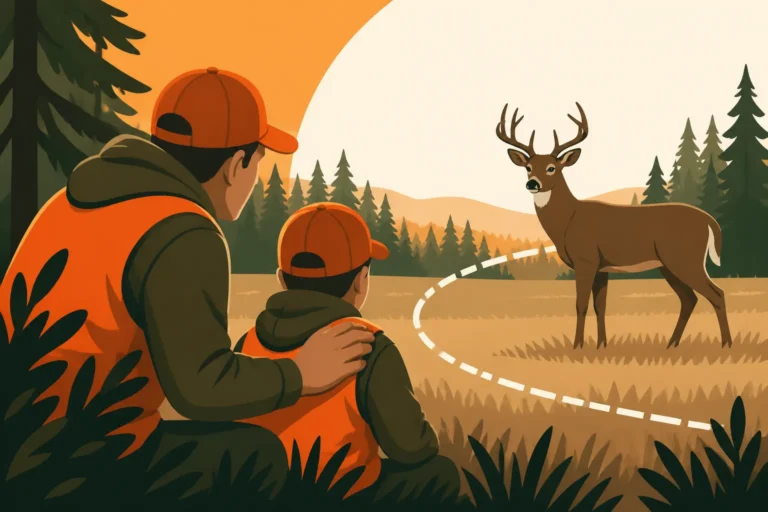
Direct supervision means that the mentor must be within "immediate sight and voice contact" of the youth hunter at all times. This isn't a situation where the mentor drops the youth off at one end of a field and picks them up at the other. The mentor is right there, guiding every step, every shot decision, and reinforcing safety. They are responsible for ensuring the youth understands and follows all hunting laws and safety rules. The mentor should also carry a firearm and ammunition appropriate for the hunt, even if they aren't actively hunting themselves, as a safety precaution and to assist if necessary. It's truly a one-on-one teaching experience, reinforcing the importance of proper technique and decision-making in real-time.
License and Tagging Considerations
When it comes to licenses, the youth hunter needs to purchase an appropriate license for the species they intend to hunt. For deer, for example, they would purchase a youth deer license. This license is generally offered at a reduced cost and is a fantastic way to encourage youth participation. The mentor also needs their own valid hunting license for the species in question. So, if you're taking a youth turkey hunting, both of you would need to possess a valid turkey license. You can find more information on specific costs and options in the guide to Minnesota Resident Hunting License Options.
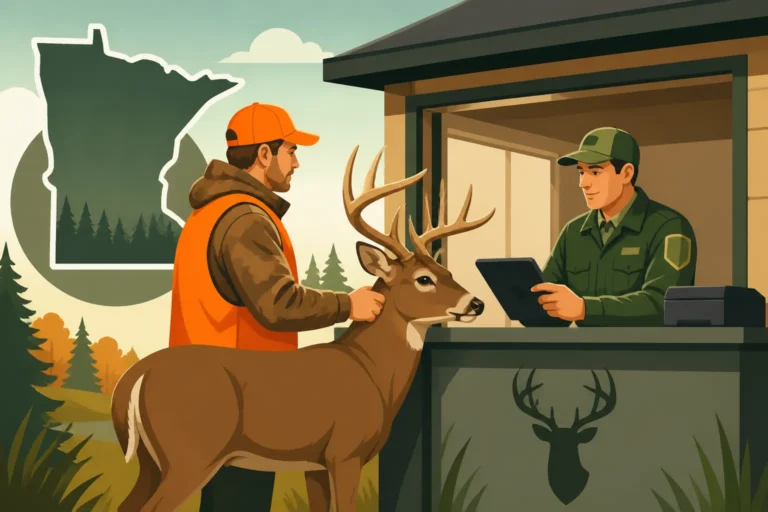
In terms of tagging, if the youth harvests an animal that requires tagging (like a deer or turkey), it is tagged with the youth's tag, not the mentor's. This is a crucial detail that ensures proper harvest reporting and allocation to the youth hunter. The youth is the one participating in the hunt and is the one making the harvest, so the animal is credited to them. It's a proud moment when a young hunter tags their first deer or turkey, and the program ensures that recognition goes directly to them. Always double-check the specific regulations for the species being hunted, as some require special permits or lottery applications, such as for Minnesota Spring Turkey Zones and Periods or specific deer permit areas mentioned in Minnesota Deer Seasons and Permit Areas.
Game Species Covered Under Mentored Youth Hunting
The Mentored Youth Hunting Program in Minnesota is quite broad, covering a good range of popular game species. This flexibility allows mentors to introduce youth to different types of hunting, from the excitement of upland birds to the strategic challenge of deer hunting. It’s designed to give a comprehensive taste of what Minnesota’s diverse landscapes have to offer.
Deer, Turkey, and Small Game Opportunities
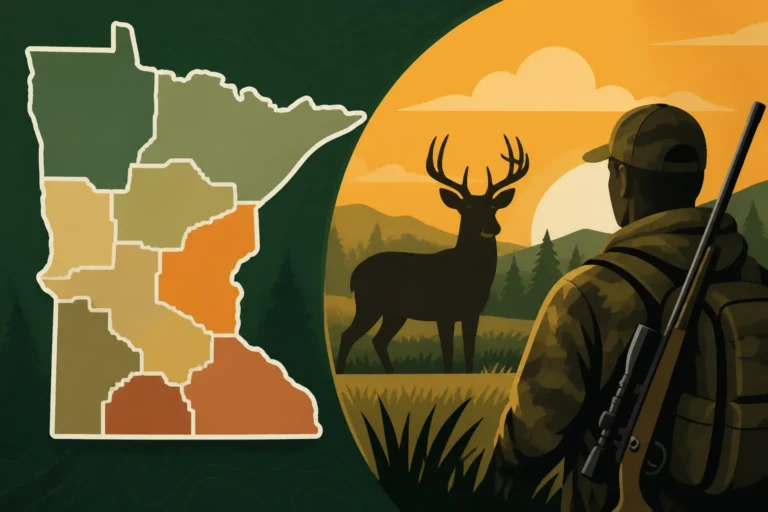
Deer hunting is often a rite of passage, and the mentored program provides an excellent avenue for youth to experience it firsthand. Under direct supervision, a youth can participate in the archery, firearm, or muzzleloader deer seasons. This means they can join the family deer camp, learn tracking, stand etiquette, and the thrill of spotting a deer, all while having an experienced hunter right by their side. They are eligible to harvest deer according to the specific permit area rules, just like any other licensed hunter. This early exposure can build crucial skills and confidence long before they are ready to hunt solo.
Similarly, wild turkey hunting is another popular option. The mentored program allows youth to participate in spring and fall turkey seasons, learning calling techniques, camouflage, and the patience required for these wily birds. Imagine the excitement of a young hunter calling in their first gobbler with their mentor! Small game hunting, including squirrels, rabbits, and hares, is also covered. This is an ideal entry point for many young hunters, offering frequent action and less pressure than big game. It provides ample opportunities to practice safe gun handling, learn to identify game, and understand basic field ethics, often while using smaller calibers or shotguns.
Waterfowl and Upland Bird Mentorship
Minnesota is a waterfowl hunter's paradise, and the mentored program extends to ducks, geese, and other migratory birds. This means a youth, under direct supervision, can experience the early mornings, decoy spreads, and calling that define waterfowl hunting. Learning to identify ducks in flight, understanding decoy placement, and practicing safe shooting from a blind are all critical lessons best taught by an experienced hand. Given the complexity of waterfowl regulations, especially regarding zones and bag limits (check out Minnesota Waterfowl Zones and Seasons), having a knowledgeable mentor is invaluable.
Upland birds like ruffed grouse, pheasants, and woodcock also fall under the mentored program. This opens up opportunities for exciting hunts in the diverse habitats of Minnesota. A youth can learn to walk through cover, work with a bird dog (if the mentor has one), and react to explosive flushes. For pheasants, especially in the state's prime pheasant country, it means learning to work shelterbelts and slough edges. The quick action of upland hunting is a fantastic way to build shooting skills and quick decision-making in a safe, mentored environment.
Species Not Included in the Program
While the Mentored Youth Hunting Program covers a wide array of popular game species, it's important to understand its limitations. Not all species are eligible for mentored youth hunting. Specifically, big game species that often require special permits or have more inherent risks, such as bear or elk, are typically not part of the standard mentored youth hunting framework. These hunts often involve unique challenges, greater physical demands, or specific public safety considerations that warrant full hunter education certification for all participants, regardless of age.
For species like bear, which often involve baiting or running hounds, or elk, which are a once-in-a-lifetime draw in Minnesota's limited range, the requirements are more stringent. This is generally due to the nature of the animal, the specific hunting methods, or the conservation status and management goals for those populations. Therefore, if a youth is interested in pursuing these species, they will need to complete their full hunter education certification and meet all age and licensing requirements before participating. Always check the current Minnesota DNR regulations for any species you intend to hunt to ensure full compliance.
Specific Rules and Regulations to Follow
The Mentored Youth Hunting Program's success hinges on strict adherence to its rules, which are primarily focused on safety and responsible hunting practices. These aren't just suggestions; they are legal requirements designed to protect everyone and ensure a positive experience for the young hunter.
Firearm and Archery Restrictions
When it comes to equipment, the youth hunter must use a legal firearm or archery equipment appropriate for the species they are hunting. For deer, this means adhering to the regulations outlined in resources like Legal Firearms for Minnesota Deer Hunting. If using a firearm, the mentor must be within immediate sight and voice contact. This means literally being able to see and verbally communicate with the youth at all times. This isn't just a recommendation; it's a legal mandate. For example, a mentor cannot sit in a deer stand 100 yards away while the youth sits in another. They must be together, in the same stand or within close proximity on the ground.
If a youth is using a firearm, the mentor must also ensure that the youth is familiar with its safe operation and handling. This includes knowing how to load, unload, engage the safety, and maintain muzzle control. The mentor is directly responsible for all aspects of firearm safety during the hunt. This immediate supervision significantly reduces the risk of accidents and allows for real-time correction and instruction. For archery, the same direct supervision rules apply, ensuring the youth understands safe nocking, drawing, and shooting practices, as well as responsible arrow placement and recovery.
Blaze Orange and Supervision Requirements
Blaze orange requirements are paramount for safety, especially during firearm seasons. For deer hunting, for instance, both the youth and the mentor must comply with Minnesota's blaze orange regulations. This typically means wearing a visible amount of blaze orange (or blaze pink, which is also legal) above the waist. This requirement helps hunters stand out to other hunters, significantly reducing the risk of accidental shootings. For full details on specific requirements, refer to the Minnesota Blaze Orange Requirements guide.
As reiterated, the supervision requirement is the cornerstone of the entire program. The mentor must be within immediate sight and voice contact of the youth hunter. This is not optional. It ensures that the mentor can intervene immediately if a dangerous situation arises, provide guidance on shot selection, or offer instruction on ethical decision-making. This level of supervision is what allows the state to waive the hunter education requirement for the youth. Without it, the youth would be considered an unsupervised hunter and would need full certification. It's a critical legal and safety distinction.
Bag Limits and Permit Area Rules
All standard bag limits, season dates, and permit area rules apply to mentored youth hunters. The program provides an exemption from the hunter education certificate, not from the established game regulations. For example, if a youth is hunting deer in a "Lottery" permit area, they would still need to apply for and draw a tag, or be hunting in an area that allows bonus tags, just like any other hunter. If they are hunting pheasants, they must adhere to the daily and possession limits for pheasants. To ensure compliance, it's always wise to consult the DNR's current regulations booklet or use a trusted hunting app like GoHunt to look up specific rules for your intended hunting zone and species.
Understanding The 100 Series Firearm Deer Zone or Intensive, Managed and Lottery Permit Areas is just as important for a mentored youth hunt as it is for an adult solo hunt. The mentor is responsible for ensuring the youth understands and follows all these rules, teaching them the importance of ethical harvest and respecting conservation efforts. This includes proper game registration, which applies to animals like deer and turkey. After a successful hunt, the youth's tag is used, and the mentor should guide them through the registration process, reinforcing their role in wildlife management. Using resources like GoHunt can help clarify these area-specific regulations quickly and efficiently, ensuring you're always operating within the law.
Benefits and Broader Impact of Youth Mentorship
The Mentored Youth Hunting Program isn't just about getting a license; it's about investing in the future of hunting and conservation. The benefits extend far beyond the immediate harvest, shaping individuals and contributing to the outdoor community.
Fostering a New Generation of Hunters
One of the most significant impacts of the mentored program is its role in actively fostering a new generation of hunters. By providing an accessible entry point, Minnesota makes it easier for youth to discover the joys and challenges of hunting. This isn't just about filling quotas; it's about fostering an appreciation for nature, an understanding of wildlife ecology, and a connection to the land that many might otherwise miss. When a young person experiences the anticipation of a sunrise in a deer stand or the flush of a pheasant, those moments create lasting memories and build a foundation for continued involvement.
These early experiences, guided by a passionate mentor, are often the spark that ignites a lifelong love for the outdoors. It's an opportunity for mentors to share not just hunting techniques, but also the broader lessons of patience, perseverance, and respect for the natural world. This foundational learning helps ensure that the future of conservation, traditionally funded in large part by hunting license sales and excise taxes on gear, remains robust. Without new hunters, these critical funding streams would diminish, impacting wildlife management efforts across the state.
Safety and Skill Development
The program's mandated direct supervision is a powerful tool for safety and skill development. Instead of learning in a purely theoretical classroom setting, youth immediately apply safety principles in a real-world context. A mentor can correct a muzzle direction instantly, explain why a shot is safe or unsafe based on the terrain, or demonstrate proper firearm carrying techniques. This hands-on, immediate feedback is far more effective than simply reading about safety rules.
Beyond safety, youth develop practical hunting skills that are difficult to learn otherwise. This includes identifying legal game, understanding animal behavior, tracking, field dressing, and developing ethical shot placement. They learn how to read the wind, move quietly through the woods, and interpret animal sign. These are not just hunting skills; they are life skills that foster critical thinking, observation, and responsibility. The mentor guides them through decision-making processes, building confidence and competence that will serve them well when they eventually hunt independently. The use of robust planning tools, such as those found on GoHunt, can also reinforce the importance of pre-hunt preparation and understanding terrain, adding another layer to skill development.
Strengthening Hunting Traditions
Hunting is often deeply intertwined with family and community traditions. The Mentored Youth Hunting Program strengthens these bonds by providing a formal framework for passing down these traditions. It's a structured way for parents, grandparents, aunts, uncles, or trusted friends to share their passion and knowledge, creating shared experiences that can last a lifetime. Think of the stories that will be told around the campfire for years to come after a successful mentored hunt.
This intergenerational transfer of knowledge is vital for the health of hunting culture in Minnesota. It ensures that the rich history and ethical values of hunting continue to be understood and respected. It's about more than just bagging game; it's about the camaraderie, the time spent outdoors, the connection to food sources, and the stewardship of natural resources. By bringing youth into this fold early, the program helps perpetuate a legacy that is both personally rewarding and crucial for broader conservation efforts. It creates a seamless bridge from curious observer to active participant, cementing the future of Minnesota's hunting heritage.
Common Misconceptions and Troubleshooting
Despite the program's clear intentions, some common questions and misunderstandings pop up. Clearing these up ensures everyone can participate confidently and legally.
Clarifying Supervision Distances
One of the most frequent points of confusion is the "immediate sight and voice contact" rule for supervision. Many interpret this loosely, thinking "nearby" is sufficient. However, the Minnesota DNR means it quite literally. If you can't see your mentored youth, or speak to them in a normal conversational tone without shouting (or through a radio, which is generally not sufficient for "voice contact" in this context), then you are not in compliance. This means you need to be very close, often just a few feet away, or in the same ground blind or treestand.
This strict interpretation is designed for maximum safety, allowing the mentor to immediately intervene if the youth makes an unsafe decision, misidentifies game, or needs immediate assistance. For example, if a young hunter is walking a field edge, the mentor should be walking right beside them, or slightly behind them, never out of view. In a treestand, they should be in the same stand or in stands so close they function as one unit. This close proximity ensures that the educational aspect is constant and that any potential risks are managed instantly. It’s a level of supervision that leaves no room for doubt or separation.
Understanding 'Apprentice' vs. 'Certified' Hunters
The Mentored Youth Hunting Program essentially creates an "apprentice" status for the youth hunter. They are learning the ropes, operating under a provisional status, and are not yet considered fully "certified" hunters in the eyes of the law when it comes to independent hunting. The key distinction is that an apprentice hunter must be under direct supervision, whereas a certified hunter (someone who has completed Minnesota Hunter Safety Requirements) can hunt independently once they reach the Minimum Age for Unsupervised Minnesota Hunting (which is generally 12 years old for firearms and 10 for archery, assuming hunter education completion).
It's crucial not to conflate these two categories. A mentored youth hunter does not automatically become a certified hunter once they turn 12 or 16. They still need to complete the full hunter education course to gain that certification. The mentored program is a gateway, not a replacement for full certification. Understanding Who Needs Minnesota Hunter Safety Training clarifies that eventually, everyone planning to hunt on their own will need that certificate. The program is about exposure and initial training, not bypassing the final certification step.
Addressing Common Questions on Public Land
Hunting public land with a mentored youth presents some unique considerations. All public land rules and regulations still apply to both the mentor and the youth. This includes rules regarding treestand placement, ground blind construction, vehicle access, and any specific restrictions within Wildlife Management Areas (WMAs) or State Forests. It’s always smart to check the specific rules for the public land you plan to hunt. Using mapping tools, such as those integrated into GoHunt, can be incredibly helpful for identifying public land boundaries, access points, and specific regulations before you even leave home.
One common question is about crowded public lands, especially during opening weekends. While the program encourages youth participation, mentors should consider choosing less-pressured areas or times to ensure a positive and safe experience. A crowded area can be overwhelming and less conducive to focused instruction. Look for opportunities in less-traveled corners, or consider hunting mid-week if possible. Always respect other hunters and demonstrate ethical behavior, teaching the youth the importance of courtesy and sharing resources. The goal is a memorable learning experience, and sometimes that means choosing solitude over high-traffic spots.
| Aspect | Mentored Youth Hunter | Certified Youth Hunter (12-15) | Adult Hunter (18+) |
|---|---|---|---|
| Hunter Education Req. | No (under mentor) | Yes | Yes |
| Supervision Req. | Immediate sight & voice | None (if 12+ w/ HE) | None |
| Minimum Age | Under 16 | 12 (firearm), 10 (archery) | 18 |
| License Needed | Yes (youth license) | Yes (youth license) | Yes (adult license) |
| Tagging | Youth's tag | Youth's tag | Hunter's tag |
| Allows Independent Hunt? | No | Yes (if 12+ w/ HE) | Yes |
Disclaimer
Please remember that hunting regulations can change. While this guide provides a comprehensive overview of Minnesota's Mentored Youth Hunting Rules, it is always your responsibility to consult the most current Minnesota Department of Natural Resources (DNR) hunting regulations booklet or website before heading afield. This guide is for informational purposes only and should not be considered legal advice.