Intensive, Managed and Lottery Permit Areas
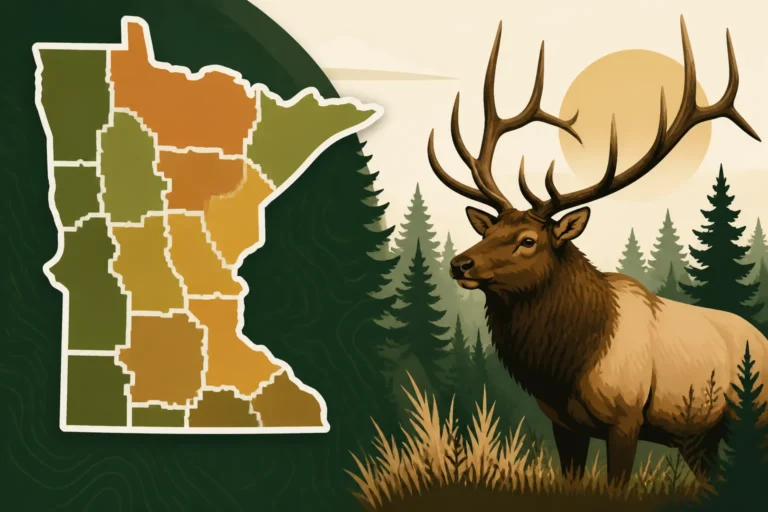
Trying to make sense of Minnesota's deer permit areas can often feel like you're trying to solve a complex puzzle, especially when you encounter terms like "Intensive," "Managed," and "Lottery." It's confusing to know what these classifications actually mean for your hunt, how many deer you can take, or if you even stand a chance of drawing a tag. This guide is here to untangle that complexity, giving you a clear understanding of Minnesota's permit area system so you can plan your next deer season with confidence.
Understanding Minnesota's Deer Permit Area System
Minnesota's deer management approach is a dynamic, region-specific strategy designed to balance healthy deer populations with the ecological capacity of the land and the desires of its hunters. It's not a one-size-fits-all system, and for good reason—the northern forests are vastly different from the agricultural landscapes of the south. This means the Minnesota Department of Natural Resources (DNR) tailors its regulations to the unique characteristics of each area, and that's where the Intensive, Managed, and Lottery permit classifications come into play.
The Core Challenge: Balancing Deer Numbers and Hunter Opportunity
At its heart, Minnesota's deer permit area system aims to strike a delicate balance. On one hand, the DNR works diligently to ensure that deer populations remain healthy and sustainable, avoiding both overpopulation, which can lead to habitat degradation and increased disease risk like Chronic Wasting Disease, and underpopulation, which diminishes hunting opportunities. On the other hand, they strive to provide ample and diverse hunting opportunities for the state's passionate deer hunters, whether they prefer pursuing a trophy buck or filling their freezer with venison. This balancing act is influenced by ecological factors like habitat quality, winter severity, and disease prevalence, as well as social factors such as agricultural damage concerns and hunter satisfaction. The constant interplay of these elements makes deer management an evolving science.
Historical Context of Deer Management in Minnesota
The system we have today is a product of decades of experience and adaptation. Historically, Minnesota's deer management was much simpler, often relying on statewide or large regional regulations. However, as human populations grew, land use changed, and more sophisticated data became available, it became clear that a more granular approach was needed. The shift toward smaller, more specific permit areas, each with its own harvest goals, allowed the DNR to respond more effectively to local conditions. This evolution has been critical in adapting to challenges such as harsh winters that decimate northern herds, or burgeoning populations in agricultural areas that cause crop damage. It's a continuous learning process, with the DNR constantly evaluating harvest data, deer surveys, and public input to refine these permit area classifications year after year. Understanding this history helps contextualize why these classifications are so vital for the health of the herd and the future of hunting in our state.
Decoding Intensive Harvest Permit Areas
When you see a permit area designated as "Intensive," it means the DNR is actively trying to reduce the deer population in that specific region. This isn't a punitive measure; rather, it's a strategic decision based on data indicating that the local deer numbers are higher than what the habitat can sustainably support, or they're causing significant conflicts with human interests. As hunters, these areas often present fantastic opportunities to fill multiple tags and contribute directly to wildlife management efforts.
Characteristics and Objectives of Intensive Areas
Intensive permit areas are typically found in regions where deer populations have experienced significant growth, often in agricultural landscapes, suburban fringes, or areas with abundant food sources and limited natural predators. The primary objective in these zones is to reduce deer density to a more ecologically balanced level. This means the DNR wants hunters to take more deer, particularly antlerless deer, which are the drivers of population growth. Consequently, hunters in Intensive areas will almost always find themselves with liberal bag limits for antlerless deer, sometimes even being able to purchase multiple antlerless permits over the counter or having their main deer license count for any deer, including antlerless. These areas are designed to offer maximum harvest opportunity, and as such, they rarely require hunters to apply for a lottery for antlerless tags.
For example, many Intensive areas are located in southern Minnesota’s farm country, where standing cornfields provide abundant food and thick cattail sloughs offer refuge. In these environments, deer populations can quickly expand beyond desired levels. The DNR might implement these intensive regulations to mitigate crop damage, reduce deer-vehicle collisions, or curb the spread of diseases. If you're looking to put venison in the freezer, these areas are often your best bet. Planning for a successful hunt often involves identifying good cover within these agricultural zones, perhaps by scouting public lands using tools like GoHunt that overlay parcel information, or by securing permission on private property where deer often congregate.
Hunting Strategies and Opportunities in Intensive Zones
Hunting in Intensive permit areas often requires a different approach than in less populated zones. Because the goal is volume, hunters should focus on opportunities to take any legal deer. This might mean prioritizing antlerless deer early in the season to maximize your chances. Deer drives, for instance, can be highly effective in Intensive areas, especially if you have a group of hunters willing to coordinate. With multiple hunters pushing patches of cover, you can often move deer into shooting lanes, allowing everyone a chance at success. For more insights on this method, check out our guide on Deer Drives With Three or Four Hunters.
Treestand hunting or ground blind setups in these areas should focus heavily on food sources and travel corridors. In farm country, setting up on the edge of a standing cornfield or near a freshly cut bean field can be incredibly productive, especially during the morning and evening hours. If you're hunting more wooded Intensive areas, keying in on natural funnels, pinch points, or bedding areas will increase your odds. Given the higher deer densities, you'll likely see more deer throughout the day, increasing your chances of filling those generous antlerless tags. Remember, every antlerless deer harvested in an Intensive area contributes directly to the DNR's population management goals, making your hunt both personally rewarding and ecologically beneficial.
Navigating Managed Harvest Permit Areas
Moving from "Intensive" to "Managed," you'll find a shift in the DNR's primary objective. Managed permit areas represent the sweet spot where deer populations are generally in line with habitat capacity and social tolerance. The goal here isn't to drastically reduce or increase deer numbers, but to maintain a stable, healthy herd over the long term, offering consistent hunting opportunities year after year.
Defining Managed Permit Area Goals
In Managed permit areas, the DNR's aim is to maintain deer populations at goal levels, meaning the current numbers are considered optimal. This balance considers winter severity, habitat quality, disease risks, and public input, all to ensure a sustainable future for the herd. These areas are often found in regions where deer habitat is strong and predation, harvest, and other factors keep populations relatively stable. Think of the transition zones between dense northern forests and sprawling farmlands, or areas with a mix of woods and smaller agricultural plots.
Regulations in Managed areas typically reflect this stability. You won't usually find the same ultra-liberal antlerless harvest opportunities as in Intensive zones, nor will you face the extreme lottery odds of the most restrictive areas. Instead, hunters might be able to purchase a single antlerless permit, or antlerless permits may be available on a limited lottery basis, but with much higher drawing odds. The focus here is on a balanced harvest, allowing hunters to take a buck and often one antlerless deer, contributing to a stable population while still providing ample hunting satisfaction.
Hunter Experience in Managed Zones
Hunting in a Managed permit area often provides a "classic" Minnesota deer hunting experience. You can expect to see deer, but perhaps not in the same overwhelming numbers as in Intensive zones. This often means more strategic hunting is required, with a greater emphasis on scouting and understanding deer movement patterns. Success rates tend to be consistent, reflecting a healthy, stable population without extreme pressure to reduce numbers. For many hunters, these areas offer the best chance at a mature buck while still providing opportunities for antlerless harvest.
When planning your hunt in a Managed zone, detailed scouting before the season is paramount. Pay close attention to food sources, bedding areas, and the travel corridors that connect them. Understanding Reading a Ridge for Northern Minnesota Deer or focusing on Hanging a Stand on a Big Woods Funnel can be crucial tactics. Hunters often find success with traditional methods like still-hunting, strategic treestand placements, or even calling methods during the rut. While you might not fill multiple tags with ease, the opportunities for a rewarding and challenging hunt are plentiful. Using digital mapping tools, especially those that include public land boundaries and topography, can give you a significant advantage in these areas.
The Lottery Permit Area System: What You Need to Know
Lottery permit areas represent the most restrictive side of Minnesota's deer management spectrum. These areas are designed to protect and grow deer populations that are below desired levels, or in sensitive habitats where overharvest could have long-lasting negative impacts. Consequently, access to antlerless tags is highly controlled, and hunters must apply in advance, hoping to draw one of the limited permits available.
The Rationale Behind Lottery Areas
The decision to designate an area as a Lottery zone typically stems from a need to increase or stabilize a deer population that has experienced declines due to factors like severe winters, habitat loss, or previous overharvest. In these areas, the DNR wants to significantly reduce the harvest of does to allow the population to rebound and grow. By limiting the number of antlerless tags through a lottery system, the DNR can precisely control how many female deer are removed from the herd each year. This focused approach is essential for long-term population recovery and sustainability.
Lottery areas are often found in the heavily forested northern regions of the state, where harsh winters and limited food sources can naturally suppress deer numbers. They might also appear in specific pockets across the state where localized issues have impacted the herd. The very purpose of the lottery is to ensure that harvest doesn't exceed the population's ability to replace itself, thereby protecting future hunting opportunities. While it can be frustrating to apply and not draw a tag, it's a vital part of responsible wildlife management, ensuring that future generations will have deer to hunt.
Applying for and Hunting in Lottery Zones
Hunting in a Lottery permit area, if you're lucky enough to draw an antlerless tag, is a unique experience. First and foremost, you must apply for the antlerless lottery before the deadline, which is typically in early September. This application process is crucial; if you don't apply and get drawn, you can only harvest an antlered deer in that permit area (unless specific regulations state otherwise for "hunter choice" or "either-sex" tags, which are rarer in lottery zones). Many hunters use online resources or tools like GoHunt to keep track of application deadlines and drawing odds, helping them plan where to apply.
Once you have a coveted antlerless tag, your hunting strategy should still prioritize ethical and responsible harvest. While you've secured the right to take a doe, the overall deer density might be lower than what you're used to. This often means more intensive scouting, longer hours in the stand, and a greater emphasis on patience. You might be focused on identifying Where Big Woods Bucks Bed in Minnesota and then patiently waiting for deer to move through those areas. Successfully hunting a Lottery zone means not only being drawn but also adapting your tactics to conditions where deer numbers are intentionally kept lower. For more detailed information, make sure to check out our comprehensive guide on How the Antlerless Lottery Works.
Overlap and Key Differences Between Permit Area Types
Understanding the nuances between Intensive, Managed, and Lottery permit areas is crucial for any Minnesota deer hunter. While they all fall under the umbrella of deer management, their specific objectives and the hunting experiences they offer vary significantly. Recognizing these differences will not only help you navigate the regulations but also inform your hunting strategy.
Comparing Tag Opportunities and Bag Limits
The most direct impact of a permit area's classification is on the tag opportunities and bag limits available to hunters. This is where the rubber meets the road for your hunting plans.
| Feature / Permit Area Type | Intensive Harvest | Managed Harvest | Lottery Harvest |
|---|---|---|---|
| Primary Objective | Reduce population | Maintain population at goal | Increase population |
| Antlerless Tags | Very liberal (multiple/over-the-counter often) | Limited (often 1 per hunter, sometimes lottery) | Highly restricted (lottery only, limited permits) |
| Hunter Choice | Often "any deer" for main license (meaning you can use your main license to take an antlerless deer) | Often "hunter choice" for main license in some periods/zones | Typically "buck-only" for main license unless antlerless tag drawn |
| Success Rate Expectation | Generally higher (more deer, more opportunities) | Moderate to high (stable population) | Lower for antlerless (due to fewer permits and lower density) |
| Bag Limit | Higher (multiple antlerless possible) | Moderate (1-2 deer total common) | Lower (1 deer total typical, maybe an antlered or drawn antlerless) |
| Purpose | Alleviate crop damage, reduce disease spread, balance habitat | Sustainable hunting, healthy ecosystem | Population recovery, protect core breeders |
As you can see, the scale of opportunity changes dramatically from Intensive to Lottery areas. In an Intensive area, your main deer license might be "any deer," meaning you can tag a buck or a doe with it, and then you might be able to purchase additional antlerless permits. This offers incredible flexibility for filling your freezer. Conversely, in a Lottery area, your main license is often strictly for an antlered deer (a buck), and you must draw a separate antlerless permit to harvest a doe. This distinction is paramount when planning your hunt and understanding your potential take. Before you finalize your plans, always double-check the specific regulations for your chosen Finding Your Minnesota Deer Permit Area for the current season, as they can change annually based on DNR assessments.
Impact on Deer Behavior and Hunting Pressure
Beyond just tag limits, these different management approaches also influence deer behavior and the overall hunting pressure in an area. In Intensive zones, where deer numbers are high, deer might be more accustomed to human presence, or conversely, more pressured due to higher hunter density. This could mean they move more during daylight hours or seek out thicker cover more frequently. The sheer number of deer often means there's less competition for food, and they might be more visible. This is where active strategies like Deer Drives on Minnesota Public Land can be highly effective.
In Managed areas, deer populations are stable, which means individual deer might be a bit more wary due to consistent hunting pressure, but not necessarily over-pressured. Their movements will be more predictable, tied closely to food, water, and bedding. Hunters here often focus on patterning specific animals. Finally, in Lottery areas, where populations are lower and hunter access to antlerless tags is restricted, deer tend to be warier and can be significantly more challenging to locate. Hunting pressure can still be present, especially for bucks, but the overall encounter rate might be lower. Hunters in these areas often need to be extremely patient and adaptable, spending more time scouting and less time chasing. Knowing how the permit area designation influences deer and hunters allows you to tailor your tactics accordingly.
How to Determine Your Permit Area and Plan Your Hunt
Navigating Minnesota's permit area system starts with knowing exactly where you plan to hunt. Whether you own private land, have permission on a farm, or plan to explore vast tracts of public land, understanding the specific permit area boundaries and regulations is your first and most important step.
Using DNR Resources and Mapping Tools
The Minnesota DNR website is your absolute best friend when it comes to understanding permit areas. They provide detailed maps, regulation handbooks, and an interactive "Recreation Compass" tool that allows you to zoom in on specific locations and see the permit area boundaries, public land ownership, and even habitat types. Before planning any hunt, make it a habit to visit the DNR's official site. You can also find downloadable PDFs of the current year's hunting regulations, which will specify the bag limits, antlerless permit availability, and special rules for each permit area. Tools like GoHunt or other mapping apps can also be invaluable, allowing you to layer permit area boundaries directly onto satellite imagery or topographic maps, helping you visualize the terrain and plan your access points.
It's not enough just to know the permit area number; you need to understand the current rules for that specific area for the season you're hunting. Regulations can change annually based on the DNR's latest population assessments, winter mortality, and disease monitoring. For instance, an area that was "Managed" one year might become "Intensive" the next if deer numbers significantly increase, or vice-versa. Always verify the most up-to-date information before opening day to avoid any costly misunderstandings. Knowing the specific regulations for your chosen permit area is critical for a legal and successful hunt.
Adapting Your Tactics to Area-Specific Regulations
Once you've identified your permit area and its classification, you can then fine-tune your hunting strategy to match. If you're in an Intensive area, you might prioritize antlerless harvest early in the season to maximize your opportunities, perhaps using ground blinds near agricultural fields or organizing small drives in dense cover. If your goal is to harvest several deer, these areas are designed to help you achieve that.
In a Managed area, your approach might be more traditional: focusing on mature buck sign, patterning deer movements between bedding and feeding, and employing patient stand hunting or still-hunting tactics. Success here often comes down to precise execution and deep knowledge of a specific piece of ground. For example, knowing Hunting the Minnesota Rut in Early November can be especially effective in these areas.
For Lottery areas, the focus shifts even more to quality over quantity. If you've drawn an antlerless tag, you'll be one of the few with that opportunity, so careful shot selection and maximizing every chance are paramount. For buck hunters in Lottery areas, the hunt becomes more challenging, requiring extensive scouting and often deeper penetration into less accessible areas to find the sparse, wary deer. Remember, regardless of the classification, ethical hunting practices and adherence to all regulations are non-negotiable. Your flexibility in adapting your tactics to the specific permit area type will significantly increase your odds of success and satisfaction.
Disclaimer
This guide is intended for informational purposes only and should not be considered legal advice. Hunting regulations in Minnesota can change annually. It is the hunter's responsibility to review and understand the most current Minnesota Department of Natural Resources (DNR) regulations and local ordinances before engaging in any hunting activities. Always prioritize safety, ethical hunting practices, and compliance with all laws.