Finding Woodcock in Alder Runs
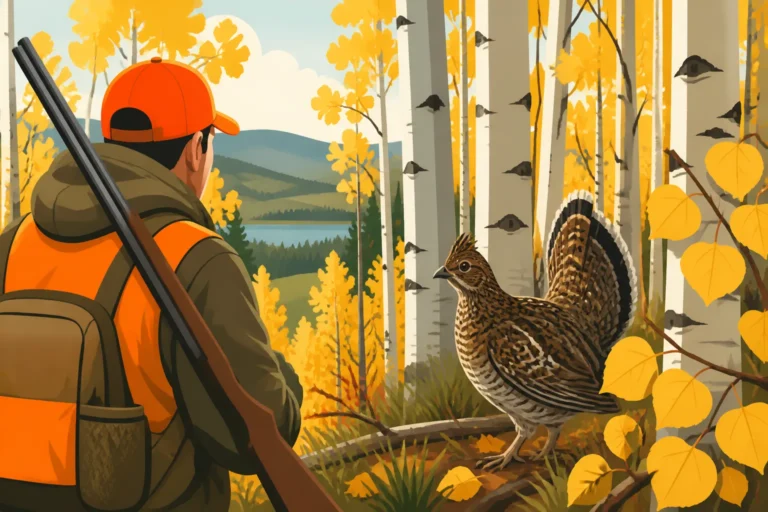
Many Minnesota upland hunters find themselves endlessly walking through seemingly good cover, only to discover their game vests are still empty at the end of a long day. This can be especially true for woodcock, those delightful, camouflaged "timberdoodles" that blend seamlessly into their dense, wet surroundings. Their elusive nature and specific habitat preferences make locating them a real challenge, often leading to frustration. This guide will help you understand the woodcock's world, teaching you how to identify prime alder runs and employ effective tactics to find these unique migratory birds in the Land of 10,000 Lakes.
Understanding Woodcock Habitat and Behavior
The American Woodcock, often affectionately called a "timberdoodle," is a truly unique upland bird. Unlike the fast-flushing pheasant or the explosive ruffed grouse, woodcock prefer to hide, relying on their incredible camouflage to avoid detection. Understanding their biology and behavior is the first step to consistently finding them.
The Allure of the Timberdoodle
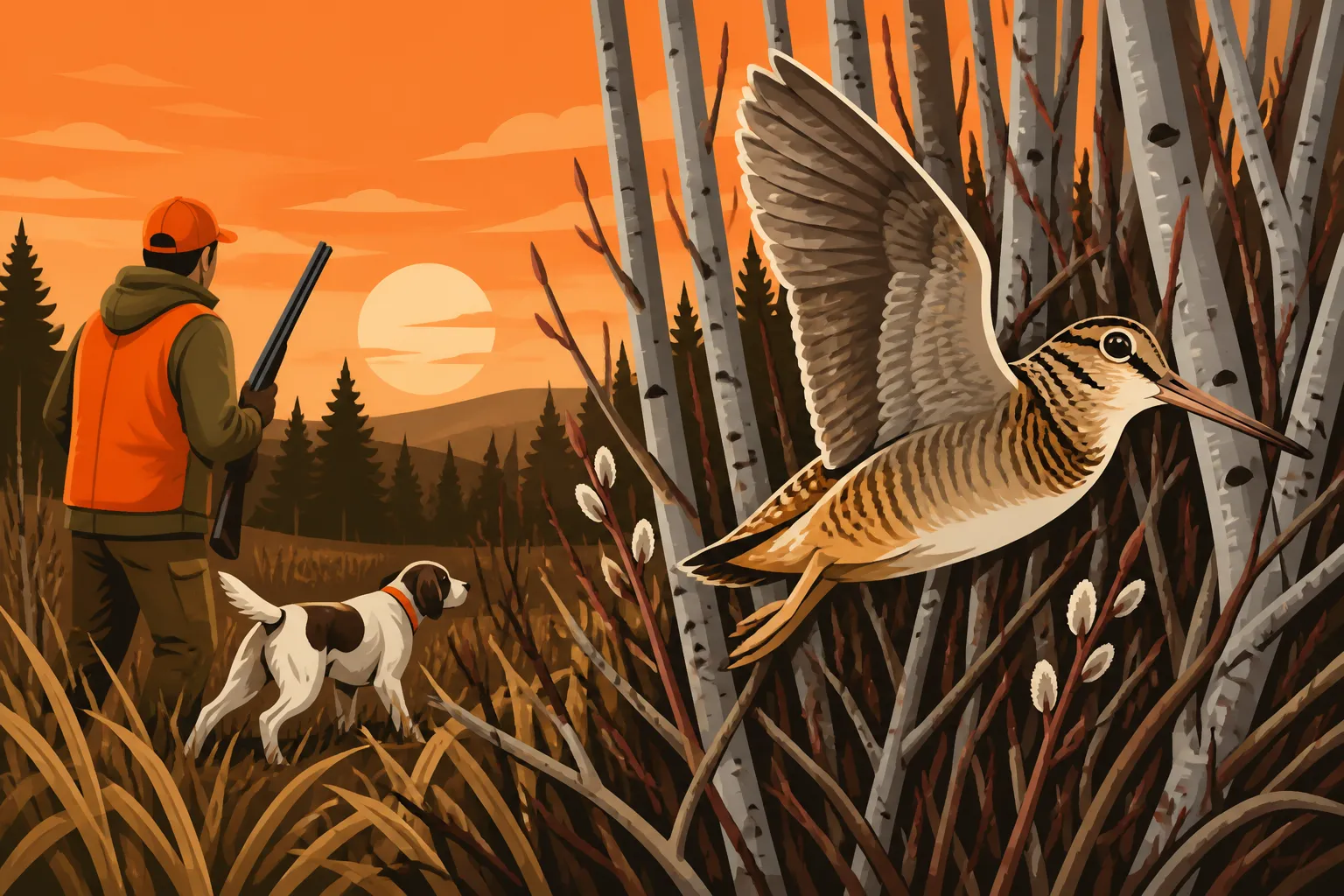
What makes the woodcock so captivating? For many, it's their quirky appearance: long, prehensile bills, large eyes set high on their heads, and a distinctive, rocking walk. They're primarily crepuscular, meaning most active at dawn and dusk, especially during their elaborate sky-dance courtship displays in spring. They are migratory birds, passing through Minnesota in early spring and again in the fall. You can learn more about When Woodcock Migrate Through Minnesota to time your hunts effectively.
Their diet is almost exclusively earthworms, which is the key to understanding where they live. They use their long bills to probe soft, moist soil, extracting worms with surprising efficiency. This dietary preference dictates their habitat choices and, consequently, where you're most likely to find them. If the soil is too dry or too hard, woodcock simply won't be there, no matter how thick the cover looks. This singular focus on worms means that successful woodcock hunting is fundamentally about finding the right soil conditions.
Key Habitat Features: Wet Soil and Young Forest
Woodcock aren't just looking for "woods"; they're looking for a specific type of woodland, characterized by two primary features: wet, rich soil and young, dense forest growth. This is where alder runs come into play. Alder thickets often grow in low-lying areas, along stream banks, marsh edges, or in old fields that are reverting to forest. These locations naturally tend to have the consistently moist, loamy soil that earthworms thrive in.
The dense vertical cover provided by young alders, saplings, and brush offers crucial protection from avian predators like hawks and owls. Woodcock prefer areas with canopy cover that's not too high, typically 10-20 feet, with a thick understory. They also need some small openings nearby for roosting at night and for males to perform their singing ground displays. These "edge" habitats—where dense alders meet slightly more open patches—are often goldmines. In Minnesota, you'll find these conditions along the edges of peat bogs, near beaver ponds, or in regenerating clear-cuts where alders have colonized. The trick is to identify these specific microhabitats within the larger landscape.
Identifying Prime Alder Runs in Minnesota
Locating the right alder runs for woodcock requires a combination of pre-season scouting, map analysis, and understanding the types of land available for hunting in Minnesota.
Reading the Landscape: Maps and Scouting
Before you ever set foot in the woods with your shotgun, spend some time with maps. Topographical maps, aerial imagery, and even soil maps can be invaluable. Look for low-lying areas, depressions, and stream corridors. Features like abandoned farm fields, clear-cuts (especially those 5-15 years old), or areas bordering wetlands are prime candidates. When you're trying to locate these specific types of cover, tools like GoHunt can be incredibly useful for overlaying aerial imagery with public land boundaries, allowing you to quickly identify potential hot spots from the comfort of your home. However, don't rely solely on technology. Ground scouting, even without a dog, is essential. Look for "sign"—the small, white splash droppings woodcock leave behind, or the tell-tale probe holes in the soil from their feeding. This kind of detailed scouting is similar to what you might do when Scouting Minnesota Public Land Before Season for deer, just on a smaller, more focused scale.
Here's a quick guide to what to look for on a map:
| Map Feature | Indicator for Woodcock Potential |
|---|---|
| Contours (Topo) | Tight contours in low-lying areas, indicating damp depressions. |
| Hydrography | Small streams, creeks, seeps, beaver ponds, marsh edges. |
| Aerial Imagery | Patches of dense, short deciduous growth, often a brighter green. |
| Soil Maps | Loamy, silty, or organic soils; avoid sandy or heavy clay. |
| Land Cover (GIS) | Young deciduous forest, shrub/scrub, emergent wetlands. |
When you're actually walking the ground, pay attention to the vegetation. Alders are key, but also look for dogwood, willow, young aspen, and even some tag alders. These are often indicators of the moist, rich soil that woodcock crave. If you find yourself in an area where your boots sink slightly with each step, and you see plenty of small, brushy stems, you're likely in the right neighborhood. Conversely, if the ground is dry, sandy, or covered in mature, open timber, keep moving.
Public vs. Private Land Opportunities
Minnesota offers a wealth of public land, much of which can hold excellent woodcock cover. State Wildlife Management Areas (WMAs), State Forests, and National Forests (like the Superior and Chippewa National Forests) are all potential hotspots. These areas are specifically managed for wildlife and often contain diverse habitats, including the young forest and wet edges preferred by woodcock. Checking out resources on Public Hunting Land in Minnesota or specific guides like Minnesota Wildlife Management Areas can help you pinpoint promising regions. Often, the best woodcock cover is found in less accessible corners of these public lands, requiring a bit more walking to escape pressure. For those who plan extensive scouting trips, whether it's for woodcock or larger game, keeping detailed notes or marking potential spots on a mapping app like the one offered by GoHunt, can save immense time in season.
Private land also offers fantastic opportunities, though securing permission is, of course, necessary. Farmers with low-lying, brushy areas near their fields, or timber companies with recent clear-cuts that are growing back to brush, can be great contacts. Always be respectful and ask permission well in advance. Remember to adhere to all Minnesota Small Game and Upland Bird Seasons when planning your hunts on any land type.
Tactics for Flushing Woodcock
Woodcock are masters of concealment, and getting them to fly can be a genuine challenge. Whether you're hunting with a loyal canine companion or relying on your own two feet, specific tactics will greatly improve your success rate.
Working with a Dog
For many, hunting woodcock without a dog feels almost impossible. The dense cover and the bird's tendency to hold incredibly tight make a good bird dog an invaluable asset. Pointers, setters, and flushers like spaniels can all be effective. A pointing dog will lock up when it scents a woodcock, giving you time to move into position for a shot. Because woodcock hold so tight, often waiting until you're practically stepping on them, a pointing dog's job is crucial. They locate the bird, and then you, the hunter, become the "flusher."
Flushers, on the other hand, will work through the cover, pushing birds into the air. This can be exhilarating but also chaotic in dense alder. Regardless of the breed, your dog needs to be disciplined and respond to commands, especially "whoa" or "heel," to prevent them from flushing birds too far out of range. Scenting conditions play a huge role; damp, overcast days with light winds are often ideal, as they help hold bird scent low to the ground. This gives your dog the best chance to pinpoint a timberdoodle before you've walked right past it.
Flushing Woodcock Without a Dog
Don't have a dog? No problem, you can absolutely find woodcock. It just requires a different approach and a lot more patience. The key is to hunt slowly and methodically. Instead of walking in a straight line, weave back and forth, creating a zig-zag pattern through the densest cover. This erratic movement can sometimes convince a tight-holding bird that it's been "found" and prompt it to flush.
Pause frequently. Woodcock often hold their nerve when you're moving, but a sudden stop can make them nervous and encourage a flush. Stand still for 10-20 seconds, scanning the ground in front of you and listening intently. Many woodcock are flushed when a hunter simply pauses to tie a boot or catch their breath. When hunting solo, focus on the most promising cover, like small thickets, brush piles, or the very edge of an alder run. It’s similar to Flushing Grouse Without a Dog, where deliberate, varied movement and strategic pauses are key to putting birds in the air. Be ready for a shot at all times; when a woodcock flushes, it's often a quick, erratic flight through the trees, offering a fleeting window of opportunity.
Gear and Best Practices for Alder Runs
Woodcock hunting in alder runs is a unique experience that calls for specific gear and a mindset geared for dense, wet conditions. Being properly equipped can make all the difference between an enjoyable hunt and a miserable slog.
Shotguns and Ammunition
Given the dense cover and the woodcock's relatively slow, fluttering flight, you'll want a shotgun that swings easily and delivers a broad pattern at close range. An open choke, such as improved cylinder (IC) or skeet, is almost always the best choice. For a rundown on specific firearms, check out our guide on Upland Guns for Popple and Alder. Many hunters prefer lighter gauges like a 20-gauge or even a 28-gauge, but a 12-gauge with light field loads works perfectly well.
When it comes to ammunition, small shot sizes are the order of the day. Number 7.5 or 8 shot is ideal for woodcock. They are not large birds, and these smaller pellets provide a dense pattern that's forgiving in close quarters. Heavy loads or large shot sizes are unnecessary and can damage the meat. Remember, woodcock are typically flushed at very close range, often within 15-25 yards. Knowing Shot Size for Grouse and Woodcock will help you choose the right shells for both species if you're Hunting Grouse and Woodcock Together. Always be mindful of your surroundings and only take safe shots, as the cover can be extremely thick.
Essential Clothing and Navigation
Hunting alder runs means one thing: you're going to get wet and you're going to get tangled. Waterproof boots are non-negotiable. Look for boots that are tall enough to handle soggy ground, even hip waders can be a good idea in particularly swampy areas. Our article on Boots for Walking Minnesota Popple Cuts offers some excellent advice on footwear that holds up in dense, wet Minnesota cover. Briar-resistant pants or chaps are also essential to protect your legs from thorns and snags. Layering is important, even in fall, as you'll be exerting yourself but might also be standing still in damp, chilly conditions.
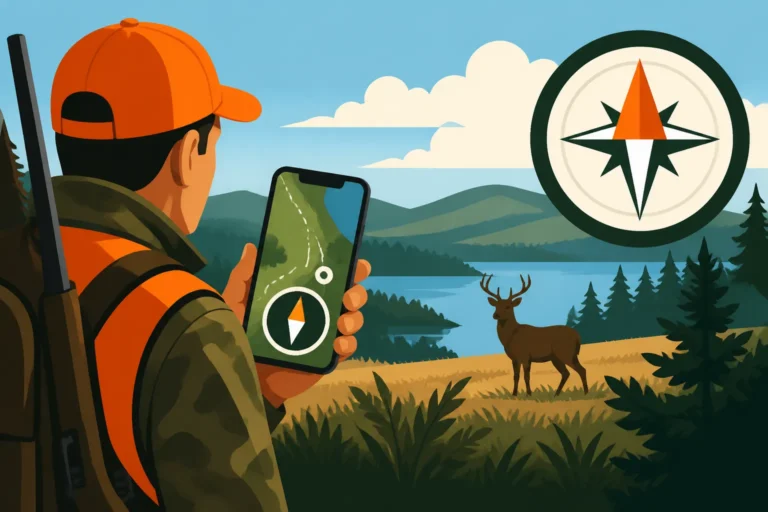
Navigation is paramount. It's incredibly easy to get disoriented in thick alder, where visibility can be limited to just a few yards. A reliable GPS unit or a mapping app on your smartphone is crucial. While general hunting platforms like GoHunt provide excellent base maps, a dedicated GPS unit or a robust app with pre-downloaded maps is often preferred, especially in areas with poor cell service. Beyond the maps, general hunting platforms such as GoHunt also offer a wealth of knowledge on different game species and hunting strategies. Always carry a compass and know how to use it as a backup. A headlamp is also a must, especially if you plan to hunt until dusk or need to track a bird in fading light. Safety glasses are highly recommended to protect your eyes from snapping branches, and a blaze orange hat or vest is required by law and is a smart safety measure in dense cover. Always check the current Minnesota hunting regulations, which can often be found through state DNR websites or general hunting community platforms, some of which are aggregated on sites like GoHunt.
Disclaimer
Please note that hunting regulations, seasons, and licensing requirements can change. Always consult the official Minnesota Department of Natural Resources (DNR) website or their current hunting regulations handbook for the most up-to-date and accurate information before planning any hunting trip. This guide is for informational purposes only and does not supersede state regulations.