How a Minnesota Bear Hound Race Works
The idea of a "bear hound race" in Minnesota might conjure up images of a track with cheering crowds, but for those of us involved in the world of bear hunting, we know it's a completely different animal. It’s not about crossing a finish line first; it's about a highly specialized, intense, and deeply traditional method of pursuing black bears using a well-trained pack of hounds. This guide will take you through the intricacies of how these "races" work, from the arduous training to the adrenaline-pumping chase in the Minnesota wilds.
Understanding What a Minnesota Bear Hound Race Truly Is
When people outside the hunting community hear "bear hound race," their minds often jump to competitive events with specific start and end points. This couldn't be further from the truth when we're talking about Minnesota bear hunting. The term "race" here describes the dynamic and challenging pursuit of a bear by a pack of trained dogs, a true test of canine instinct, endurance, and teamwork. It's a method deeply rooted in tradition and skill, demanding immense dedication from both the hounds and their handlers.
It's Not a Spectator Sport with a Finish Line
Forget grandstands, starting gates, or photo finishes. A Minnesota bear hound "race" is an immersive, often remote, and physically demanding event conducted in the actual bear habitat – dense forests, swamps, and rugged terrain. There are no predetermined courses or easy viewing areas. Instead, handlers and their support teams are often miles deep into public lands, navigating through thick brush and challenging landscapes, relying on technology and intuition to keep pace with their dogs. The "race" is truly a chase, an intricate dance between predator (the hounds) and prey (the bear), with the handler serving as the orchestrator.
This isn't about speed in a straight line; it's about the dogs' ability to pick up and follow a scent trail, persevere through obstacles, and ultimately, tree or bay a bear. For hunters, it’s a profound experience that connects them to the wild in a unique way, showcasing the incredible capabilities of their canine partners. Many describe it as less of a sport and more of a highly skilled endeavor, akin to a chess match unfolding over vast, wild spaces.
The Core Purpose: Training and Simulation
At its heart, the "race" serves multiple crucial purposes. Primarily, it's a training ground for both young and seasoned hounds, honing their natural instincts to track, trail, and corner bears. Just like an athlete, a hound needs consistent practice to maintain peak performance, and these simulated hunt scenarios are invaluable. Think of it as advanced field training where the stakes are real, even if the intention isn't always to harvest the bear on every run. It builds confidence in the dogs, teaches them to work as a cohesive unit, and develops their ability to overcome challenges like cold trails or difficult terrain.
Furthermore, these "races" allow handlers to assess their pack's strengths and weaknesses, identifying which dogs excel at striking a trail, which are best at driving a bear, and which are the reliable "tree dogs." It's an ongoing process of refinement. The experience gained during these pursuits directly translates to successful legal hunts during the official Minnesota bear season. Understanding Running Hounds for Minnesota Bears is key to appreciating the dedication involved. Many hunters who participate in these activities use specialized apps like GoHunt to track their dogs and study terrain, making the most of every simulated chase to refine their strategies.
The Intensive Training and Preparation for Hound and Handler
Bear hounding isn't a casual hobby; it's a year-round commitment that requires substantial investment in time, effort, and resources. From selecting the right lineage to consistent conditioning, every aspect is meticulously managed to create a capable and effective bear hound pack. The success of a "race" hinges on the preparedness of both the dogs and the humans who guide them.
Building the Pack: Breeding and Early Development
It all starts with careful breeding. Serious bear hound enthusiasts often look for specific bloodlines known for traits like strong scenting ability, endurance, courage, and a calm demeanor when confronting a bear. These aren't just any dogs; they are purpose-bred athletes. Pups are typically chosen from working parents with proven track records. Early development is critical, focusing on socialization, basic obedience, and familiarization with different terrains and environments. Young dogs are gradually introduced to bear scent through controlled training exercises, perhaps with a bear hide or in areas known to have bear activity, before they ever hit a "live" trail. This slow and steady approach helps build their confidence and prevents them from becoming overwhelmed or injured.
The pack dynamic is also crucial. Hounds learn to work together, respecting the hierarchy within the group and understanding their roles. Some dogs naturally become leaders, others drivers, and some specialize in holding a bear at bay or up a tree. This isn't something that happens overnight; it's a process of development over several years, with constant reinforcement and patient guidance from the handler.
From Training Runs to Tracking Mastery
Once the dogs have a foundational understanding, the real training begins: actual "races" or training runs in the field. These aren't always about catching a bear; often, they are simply about letting the dogs work a cold trail, build stamina, and learn to navigate various conditions. Handlers will often "strike" a dog – release it on a fresh bear track – and allow it to work independently or with a small group. This teaches the dog to solve problems on the trail, deciphering subtle scent cues that might be hours old.
Throughout the spring and summer, these training runs escalate in intensity and duration. Dogs are conditioned to run for hours, sometimes covering many miles over challenging terrain. This physical conditioning is vital, as a bear chase can be incredibly grueling. The dogs learn to communicate through their barks and howls, signaling to the handler and each other whether they're on a fresh track, pushing the bear hard, or have it treed. The handler, in turn, learns to interpret these varied vocalizations, understanding what each dog is "telling" them from a distance. Utilizing sophisticated GPS tracking systems, often integrated with services like GoHunt, allows handlers to monitor their dogs' location and progress, making adjustments to their own travel plans to keep up or intercept the chase. This constant feedback loop between hound and handler, augmented by technology, is what transforms raw instinct into refined tracking mastery.
Essential Gear and Technology for the Field
Bear hounding is a gear-intensive endeavor, especially for the handler. Here's a quick rundown of what's typically involved:
| Item | Purpose | Key Features |
|---|---|---|
| GPS Tracking Collars | Real-time location and movement of each dog | Durable, waterproof, long battery life, clear signal |
| Handheld GPS Receiver | Displays dog locations, mapping, handler navigation | Rugged, clear screen, pre-loaded maps, long-range reception |
| VHF Radio System | Communication with dogs (via collar speaker) and other handlers | Durable, clear audio, long range, multiple channels |
| Truck with Dog Boxes | Safe and secure transport of hounds to and from the hunting area | Ventilated, comfortable, easily cleaned, secure locking |
| Protective Dog Vests | Shields dogs from cuts and punctures in thick brush and rocky terrain | Puncture-resistant, visible colors, flexible for movement |
| First Aid Kit (Dogs) | Essential for treating injuries in the field | Antiseptics, bandages, pain relief, tick removers, splints |
| First Aid Kit (Human) | For handler injuries | Standard wilderness first aid, blister care, pain relief |
| Navigation Tools | Maps, compass, dedicated hunting apps like GoHunt | Offline mapping capabilities, property lines, terrain analysis |
| Hydration/Snacks | For both dogs and handlers during long pursuits | Water, electrolyte supplements, high-energy snacks |
| Reliable Footwear | Durable, waterproof boots for rugged terrain | Ankle support, good traction, comfortable for long hikes |
Knowing GPS Collars for Bear Hounds is absolutely critical. Without reliable tracking, dogs can get lost, injured, or simply outrun the handler's ability to keep tabs on them. These systems are invaluable for ensuring the safety and recovery of the pack, especially in the vastness of Minnesota's northwoods.
The "Race" Day: Tracking, Chasing, and the Art of the Tree
When a bear hound "race" truly begins, it's a flurry of controlled chaos, adrenaline, and calculated decision-making. It’s a multi-stage process that can unfold over hours and many miles, demanding intense focus and coordination.
Locating the Bear and Releasing the Hounds
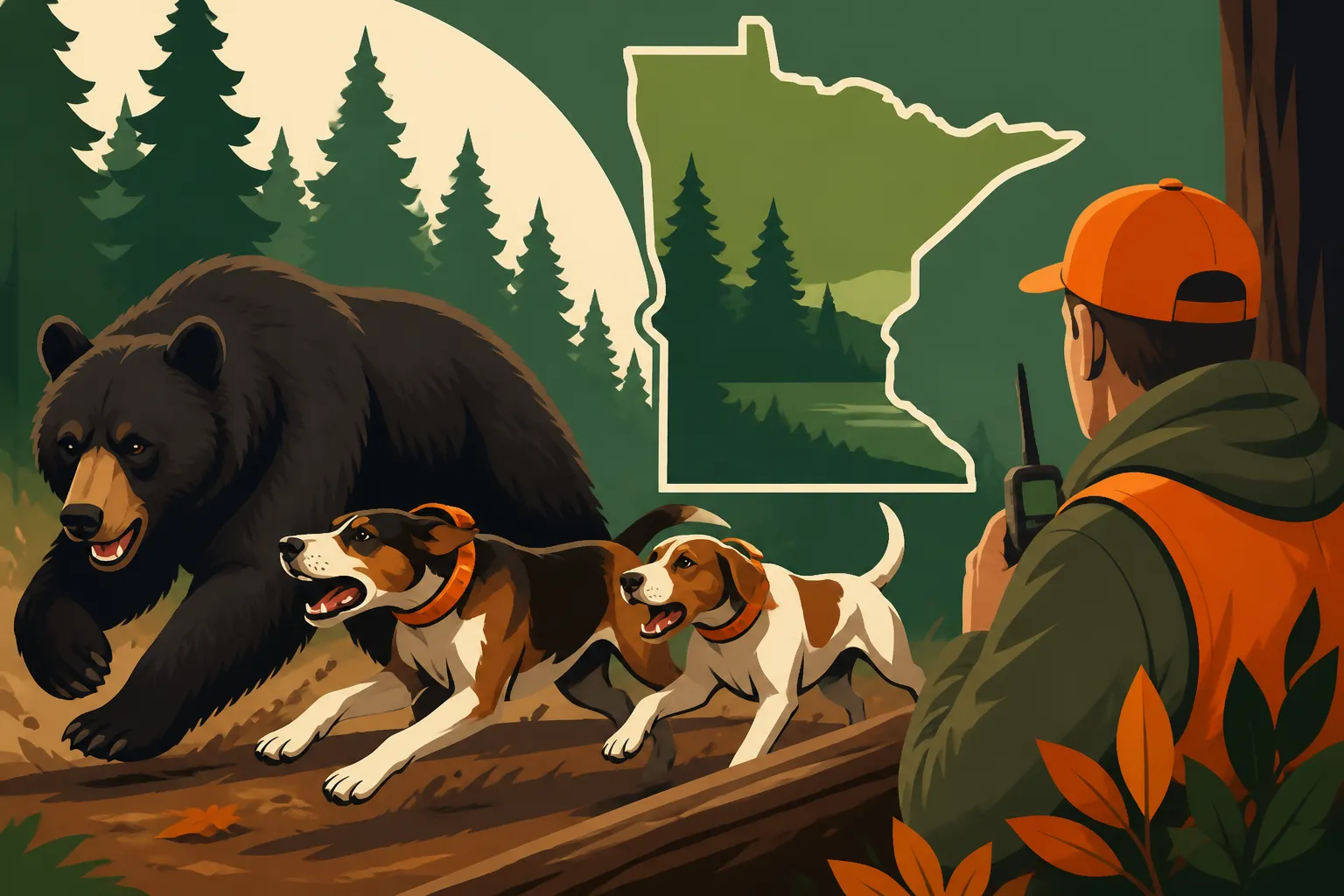
The "race" typically begins with scouting. Handlers might drive forest roads or trails at dawn, looking for fresh bear tracks on dirt or dew-covered grass. This initial "strike" is critical. Once a promising track is found, a few lead hounds, often the most experienced "strike dogs," are released from the truck. Their job is to verify the freshness of the track and determine if it's a bear worth pursuing. They'll follow the scent, giving excited barks and bawls as they confirm the trail.
This is where the excitement really builds. As the lead dogs confidently work the track, the rest of the pack, eager and vocal in their dog boxes, are often released. It's a symphony of baying as the full pack hits the ground, quickly picking up the trail and disappearing into the woods. The handler, meanwhile, is intensely monitoring their GPS devices, watching the digital icons representing their dogs move across the map, trying to predict the bear's direction of travel. Many hunters rely on detailed mapping features within their hunting apps, like those offered by GoHunt, to help visualize the dogs' movements against terrain features and property lines.
Reading the Race: Following the Dogs' Progress
Once the hounds are off, the handler's "race" begins. This isn't about running with the dogs, which is often impossible given the terrain and speed of the chase. Instead, it's about strategically moving to intercept or get ahead of the chase, anticipating the bear's movements, and staying within range to retrieve the dogs when the chase concludes. This involves driving forest roads, sometimes hiking long distances through rough country, and constantly analyzing the data from the GPS collars.
The sounds of the chase are also vital. The pitch and cadence of the hounds' baying tell a story:
- "Trailing" or "Chop" bark: The dogs are on a cold or semi-fresh trail, working it out.
- "Screamers" or "Running" bark: The dogs have a hot trail and are actively pushing the bear.
- "Tree bark" or "Baying": The dogs have successfully cornered the bear, either up a tree or on the ground (bayed).
Interpreting these sounds, combined with the GPS data, allows the handler to make tactical decisions, knowing when to push harder to keep up, or when to slow down if the bear is making a stand. This constant assessment of the "race" is a skill refined over years of experience, critical for both the safety of the dogs and the potential success of the hunt. This dynamic, unpredictable chase is part of the allure of Bear Hunting With Bait and Hounds in Minnesota.
The Moment of Truth: Treeing or Baying the Bear
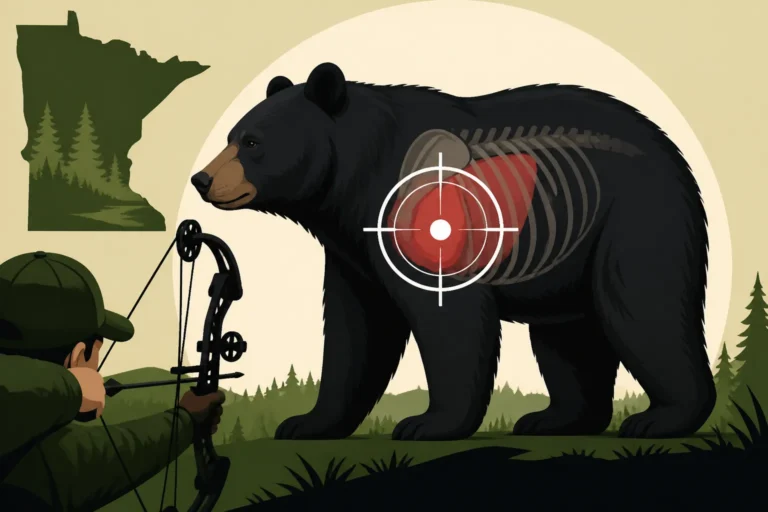
The ultimate goal of a bear hound "race" is for the dogs to either tree the bear or bay it on the ground. When the barks shift to the distinctive, often frantic, "tree bark," the handler knows the chase is nearing its conclusion. This is the moment to move in swiftly and safely. Hiking in to the treed or bayed bear can be a significant challenge, sometimes involving miles of bushwhacking through dense cover.
Upon reaching the site, the handler assesses the situation. If the bear is treed, it's typically in a position of defense, trying to avoid the dogs below. If bayed on the ground, the bear will be standing its ground, often growling, swatting, and bluff charging the dogs who keep it contained. The handler's first priority is always the safety of the dogs. They'll secure the dogs, either by leashing them or using commands to keep them at a safe distance from the bear.
At this point, if it's during the legal hunting season and the hunter has the appropriate Minnesota Bear Lottery and Permit Areas tag, a decision is made regarding harvesting the bear. If not, or if it's a training run, the dogs are praised, given water, and then led away, leaving the bear unharmed to descend from the tree or wander off. This ethical approach ensures that the "race" is about the pursuit and the training, not just the kill, reinforcing the responsible aspects of the sport. Knowing Minnesota Bear Registration Rules is also crucial for legal harvest.
Regulations, Ethics, and the Future of Hound Hunting in Minnesota
Bear hounding in Minnesota, while a tradition for many, is a highly regulated activity. It's important for participants and the public alike to understand the rules and the ethical considerations that guide this method of hunting.
Navigating Minnesota's Legal Framework
Minnesota has specific regulations governing the use of hounds for bear hunting. These regulations cover aspects such as:
- Season Dates: Hound hunting for bears is only legal during specific periods within the overall bear season. This is crucial for hunters to be aware of; a chase outside these dates, even if for training, has legal implications.
- Licensing: Hunters must possess the proper bear hunting license, which often involves participating in the Minnesota Bear Lottery and Permit Areas system. Each bear harvested requires a valid tag.
- Dog Training Regulations: There are specific rules regarding dog training, including when and where dogs can be used to pursue bears outside of the hunting season. These often stipulate that no bear can be taken during these training periods.
- Equipment: Restrictions on certain equipment, like some electronic devices, may apply. However, GPS collars for tracking are generally permitted and encouraged for responsible dog management.
- Permit Areas: Minnesota is divided into bear permit areas, and hunters must adhere to the rules specific to the zone where they intend to hunt. Understanding Minnesota's Fifteen Bear Permit Areas is essential.
These regulations are in place to manage the bear population, ensure fair chase, and promote responsible hunting practices. Hunters must stay current with the latest DNR rules, as they can change annually.
Ethical Considerations and Fair Chase
For hound hunters, ethical conduct is paramount. This includes:
- Dog Safety: Protecting the hounds is a top priority. This means ensuring they are well-conditioned, wearing protective gear, and that handlers are equipped to handle injuries or retrieve lost dogs quickly.
- Bear Welfare: While hunting, the goal is a quick, humane harvest. During training runs, the bear's welfare is also considered; undue stress or injury to the bear is avoided. If a bear is treed or bayed for training, handlers extract their dogs and leave the bear unharmed as quickly as possible.
- Respect for Public Land: Hound hunters are often operating on public land, meaning respect for other users – hikers, birdwatchers, other hunters – is vital. This includes minimizing disturbance, cleaning up after themselves, and being mindful of noise.
- Knowledge of the Quarry: Understanding How Many Minnesota Black Bears There Are and their behavior is crucial. Ethical hunters strive to learn as much as possible about bear biology and ecology to make informed decisions in the field. This also includes understanding the minimum legal calibers for a humane harvest, like those discussed in Rifle Calibers for Minnesota Bear.
The concept of fair chase is central. While hounds give hunters an advantage in locating and containing a bear, the chase itself is often long, arduous, and far from a guaranteed success. The challenges of navigating the terrain, reading the dogs, and making a clean shot ensure that fair chase principles are maintained.
The Community and Culture of Bear Hounding
Beyond the regulations and ethics, bear hounding is a vibrant community in Minnesota. It's a culture of shared passion, mutual support, and deep respect for the animals and the outdoors. Many hound hunters are part of local clubs or associations that promote responsible practices, organize training events, and advocate for their hunting traditions. These groups often engage in conservation efforts, supporting habitat management and wildlife research.
The mentorship aspect is also significant; experienced hounders often take new enthusiasts under their wing, passing down generations of knowledge about dog training, tracking, and wilderness navigation. It's a tradition that fosters camaraderie and a strong connection to Minnesota's rich hunting heritage. For those interested in participating, attending club meetings or reaching out to experienced hunters can be an excellent way to learn the ropes and understand the dedication and skill involved in this unique form of hunting.
Disclaimer
Please note that hunting regulations and seasons in Minnesota can change. Always consult the latest Minnesota Department of Natural Resources (DNR) regulations and guidelines before planning any hunting trip or engaging in dog training activities. This content is for informational purposes only and does not constitute legal advice.