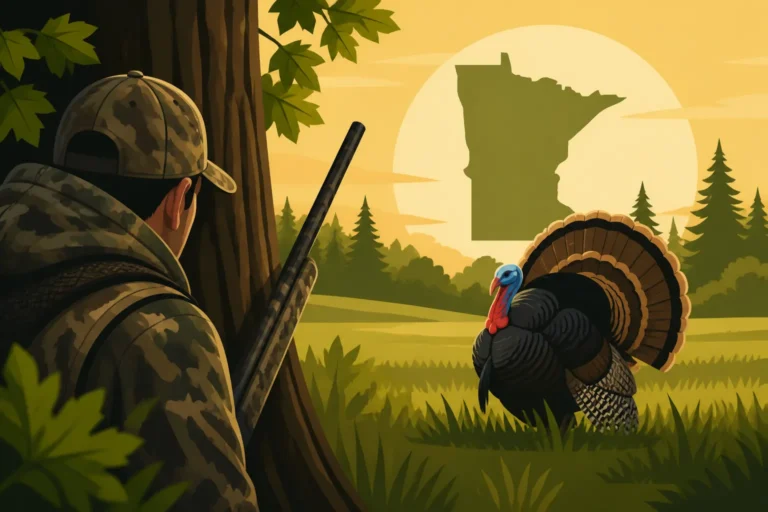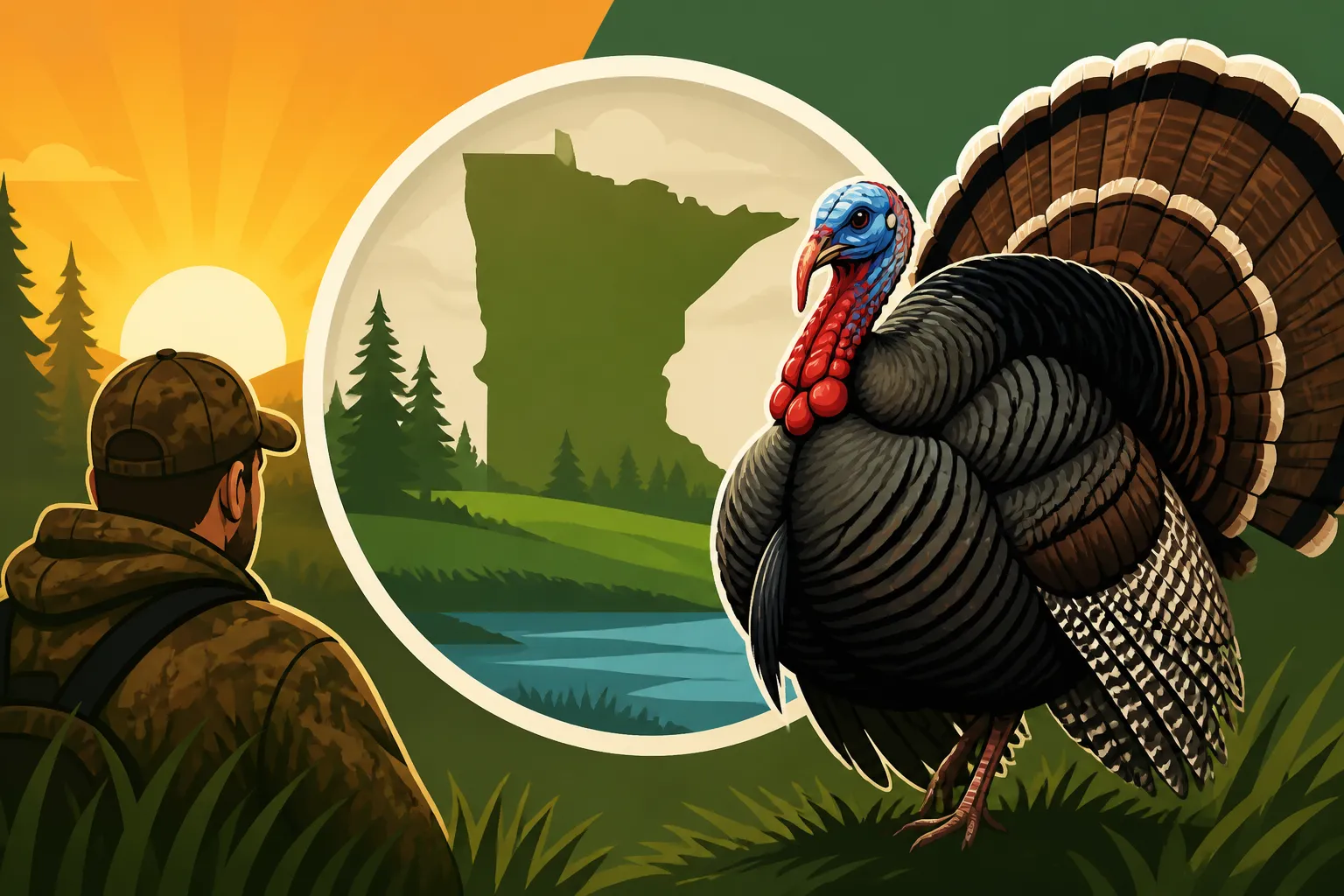
Why the A-Season Turkey Lottery Matters at Carlos Avery
For many Minnesota turkey hunters, the promise of that first gobble ringing through the crisp, early spring air is what keeps them going through the long winter. But if you’ve ever dreamed of chasing a longbeard on opening weekend at a prime location like Carlos Avery Wildlife Management Area, you know the frustration: getting a tag there for the coveted A-season is notoriously tough. This guide will dive deep into why the A-season lottery at Carlos Avery is such a significant, and often challenging, hurdle for turkey hunters and how to navigate it.
The Unique Allure of Carlos Avery for Early Season Turkeys
Carlos Avery WMA isn't just any piece of public land; it's a sprawling, diverse landscape that holds a special place in the hearts of many Minnesota hunters, especially when it comes to spring turkeys. Its proximity to the Twin Cities metro area, combined with its fantastic habitat, makes it an undeniable magnet, creating a unique set of challenges and opportunities.
Habitat and Turkey Density
What truly sets Carlos Avery apart for spring turkeys is its incredibly diverse and turkey-friendly habitat. We're talking about a mosaic of mature hardwoods, oak ridges, dense marshlands, open fields, and thick brush. This variety provides everything a wild turkey needs to thrive: ample roosting trees in the tall oaks and pines, abundant food sources in the forest floors and crop fields, and crucial nesting and brooding cover in the grasslands and wetland edges. This combination creates prime real estate for Minnesota's wild turkey population.
Because of this superior habitat, the Minnesota Turkey Population Estimate for areas like Carlos Avery is often quite high, leading to a significant concentration of birds. In early spring, especially during the "A" period, these birds are still often grouped up, and gobblers are actively seeking hens, making them more visible and vocal. This natural density, unfortunately, also leads to increased hunter interest, making it a very popular spot. If you're looking at Where Minnesota Turkeys Are Densest, Carlos Avery often ranks right up there, particularly for public land.
High Hunter Pressure and Limited Opportunity
Now, here's the rub: everybody knows how good Carlos Avery is. Its relatively short drive from major population centers means it sees immense hunter pressure. Imagine trying to find a quiet corner on opening weekend when dozens, if not hundreds, of other hunters have the exact same idea. This isn't some remote wilderness; it's a heavily utilized public resource.
To manage this pressure and prevent overcrowding, the Minnesota Department of Natural Resources (DNR) implements a lottery system for certain prime areas and early seasons. For Carlos Avery, the A-season is a prime example. Without this system, it would be a chaotic free-for-all, diminishing the quality of the hunt for everyone. While the lottery system creates a hurdle, it's a necessary evil to preserve a semblance of a quality experience, ensuring that those who do draw a tag have a reasonable chance at a less pressured hunt.
Navigating the A-Season Lottery System
Getting a spring turkey tag for Carlos Avery's A-season is a game of strategy, timing, and a fair bit of luck. Understanding how the system works is your first, and most crucial, step.
Understanding the Application Process and Deadlines
The application process for Minnesota's spring turkey lottery is straightforward but unforgiving if you miss a deadline. Typically, the application period for spring turkeys opens in early January and closes in mid-February, though it's always best to confirm exact dates on the DNR website. The Minnesota Spring Turkey Application Deadline is one of the most important dates on a turkey hunter's calendar.
When applying, you'll select your preferred permit area and one of The Seven Minnesota Turkey Firearm Periods. For Carlos Avery, it's permit area 501. The "A" period is almost always the toughest draw. While Minnesota doesn't have a traditional preference point system for spring turkeys like some other states do for big game, every application has an equal shot in the initial draw. However, if you don't draw your first choice, you might still get a second or third choice if tags remain. It's often a straight lottery, but understanding the system is key. Using online resources or even specialized mapping tools like GoHunt, you can often find historical draw odds, which can give you a realistic picture of your chances.
Maximizing Your Odds and Planning Alternatives
Given the tough odds for Carlos Avery A-season, it’s wise to approach the lottery with both optimism and a solid backup plan. While you can't guarantee a tag, applying with a party can sometimes marginally improve your collective chances, as some states draw parties as a single unit. However, for Minnesota spring turkeys, it's generally still a random individual draw, so don't bank too heavily on that for an advantage.
A more practical approach is to carefully consider your choices. If Carlos Avery A-season is your dream, put it down as your first choice. But then, for your second and third choices, think about other permit areas or later periods that might have better draw odds. For example, some of the later periods, like E, F, or G, often have tags remaining after the lottery and might even be available over-the-counter. You might also explore other public lands listed under Minnesota Spring Turkey Zones and Periods that have more generous tag quotas or less competition.
It's also essential to be ready to pivot. If you don't draw that coveted A-season Carlos Avery tag, don't throw in the towel! Immediately start researching other opportunities. The Using the Recreation Compass Map Tool from the DNR is an invaluable resource for exploring other WMAs, state forests, and public lands that might offer fantastic turkey hunting. GoHunt also offers robust mapping and data layers that can help you identify overlooked pockets of public land with good turkey habitat, even if they aren't as famous as Carlos Avery.
Why the "A" Period is Such a Hot Ticket
Beyond the sheer joy of opening day, there are some very real, tactical advantages that make the A-period at Carlos Avery so highly desired by turkey hunters. It's not just about bragging rights; it's about the unique behavior of the birds early in the season.
Early Season Advantages and Gobbler Behavior
The "A" period, which kicks off the Minnesota spring turkey season, offers some truly unique hunting conditions. Gobblers are often less pressured, having not yet encountered a barrage of hunters and calls. They're also highly motivated by reproduction, meaning they are frequently more vocal, more aggressive, and more responsive to calls as they actively seek out hens. This makes for exciting, classic turkey hunting.
During this time, birds tend to stick to more predictable patterns. They'll often fly down from the same roost trees, gather in established strut zones in fields or open timber, and follow consistent travel routes. This predictability can make Calling a Minnesota Gobbler Off the Roost a highly effective tactic, as can setting up on known field edges or timber clearings where birds are likely to gather. You might even find them still in larger winter flocks, making it easier to locate groups of birds. The crisp air and often leafless trees also mean better visibility, making it easier to spot birds from a distance.
The Impact on Hunter Experience
Drawing an A-season tag for Carlos Avery means you're among a select group of hunters who get to experience opening week in one of Minnesota's top turkey destinations. The atmosphere is electric, but paradoxically, the hunter density within the WMA might feel less intense than if it were an open-to-all system. You have a better chance of finding a secluded spot, hearing fewer competing calls, and experiencing a more natural interaction with the birds.
Contrast this with the later periods, where birds have been called to, shot at, and spooked for weeks. They become "heaned up" (meaning they're already with hens) and often "call shy," making them incredibly challenging to entice. While later periods can certainly yield success, the early A-season at Carlos Avery often promises a more responsive bird and a more quintessential spring turkey hunting experience. It's that feeling of being one of the first out, with eager birds, that truly elevates the A-season experience for those lucky enough to draw a tag.
Beyond the Lottery: Strategies for Carlos Avery Success (If You Draw)
So, you beat the odds, and that precious A-season Carlos Avery tag is in your hand. Congratulations! But drawing the tag is only half the battle. Carlos Avery is a vast and challenging WMA, and success depends on smart scouting and adaptable hunting tactics.
Scouting and Access Considerations
Even with a golden ticket, a successful hunt at Carlos Avery demands diligent pre-season scouting. This WMA is huge, with thousands of acres of diverse habitat. Don't just show up on opening morning expecting to stumble into birds. Start by thoroughly studying aerial maps on your computer or a mapping app like GoHunt. Look for key features: large timber blocks for roosting, open fields or food plots for strutting, and transition zones between different habitat types. Pay close attention to creeks, roads, and trails that might act as natural funnels or travel corridors for turkeys. The DNR provides information on Carlos Avery WMA Hunting Access which can guide you to parking areas and entry points.
Once you have a few promising spots identified, put boots on the ground. A couple of scouting trips in the weeks leading up to the season can be invaluable. Look for fresh turkey sign: tracks, droppings, and shed feathers. Identify potential roost trees, and if possible, try to locate birds gobbling on the roost in the pre-dawn hours. Remember that Carlos Avery sees a lot of pressure, so be willing to walk further than most. The birds might be concentrated deeper within the property, away from easy road access. Knowing Setting Up Against a Big Oak near a travel corridor or strut zone can make all the difference.
Adaptable Hunting Tactics
Carlos Avery turkeys are wild birds, and even in the A-season, they can be unpredictable. You need to be ready to adapt your tactics based on what the birds are telling you. While early season gobblers are often more vocal, they won't always come running to every call. Carry a variety of calls – slate, box, and mouth calls – and be proficient with all of them. Sometimes soft clucks and purrs are all it takes; other times, an aggressive series of cuts and yelps is needed to get a response. For tips on how to use decoys, particularly for wary birds, you might find insights in Decoy Placement for Pressured Minnesota Birds.
If birds are henned up and simply won't break away, or if the initial setup isn't producing, don't be afraid to change your game plan. Run-and-Gun Turkey Tactics on Public Land can be highly effective in a large WMA like Carlos Avery. This involves moving through the woods, stopping frequently to call, and trying to locate a responsive gobbler. It's a more active approach that can cover a lot of ground and help you find birds that might not have responded to a static setup. Be patient, but also be persistent and flexible; the early season offers prime opportunities for hunters who are willing to put in the effort and adapt.
Here’s a quick overview of what makes Carlos Avery’s A-season so sought-after:
| Feature | Carlos Avery A-Season Lottery | General Public Land (Later Periods) |
|---|---|---|
| Turkey Population | High concentration | Variable, often dispersed |
| Hunter Pressure | Lottery-controlled (less in-unit) | High, open access can lead to crowding |
| Gobbler Responsiveness | Often high, less call-shy | Can be low, more henned up |
| Competition for Tags | Very high (lottery) | Lower, often OTC tags available |
| Habitat | Excellent, diverse | Varies widely |
| Overall Experience | High potential for quality, less crowded feel | More challenging, often crowded |
The A-season turkey lottery for Carlos Avery WMA is a cornerstone of Minnesota's spring turkey hunting landscape. It represents both a challenge and a coveted opportunity for hunters seeking an early-season gobbler on prime public land. While it requires forethought and a bit of luck to draw a tag, the rewards of hunting such a fantastic area during the peak of gobbler activity can be truly memorable. For more details on the application process and what to expect from the spring season, make sure to check out Minnesota Spring Turkey Application Deadline and Minnesota Turkey Preference and Leftover Tags.
Disclaimer
Please remember that hunting regulations, seasons, and lottery procedures can change. Always consult the official Minnesota Department of Natural Resources (DNR) website or their current hunting regulations booklet for the most up-to-date and accurate information before planning any hunt. This guide is for informational purposes only.