Late-Season Food Sources for Minnesota Whitetails
As the snow flies and the temperatures plummet in Minnesota, many deer hunters find themselves scratching their heads, wondering where all the whitetails have gone. The deer seem to vanish, and the woods feel empty after the initial firearm rush. This can be incredibly frustrating, especially when you have a tag to fill or are simply looking to extend your season. The key to cracking this late-season code often boils down to one critical element: understanding and locating dependable food sources. This guide will walk you through why these food sources are so vital, how to identify them, and how to effectively hunt around them to put venison in your freezer during the coldest months.
The Critical Role of Food in Late Season for Whitetails
Once the vibrant hues of autumn fade into the muted palette of winter, a whitetail deer's world dramatically shifts. The abundant buffet of acorns, lush browse, and green agricultural fields from early fall is long gone, replaced by a harsh landscape that demands every calorie a deer can find. This transition from plentiful food to scarcity is why understanding late-season food sources isn't just a tactic; it's the absolute foundation of successful cold-weather hunting.
Deer, particularly bucks, are often in a state of depletion after the grueling rut. The intense activity of chasing does, fighting rivals, and constant vigilance burns through their fat reserves at an alarming rate. Does, too, need to replenish their energy stores to prepare for the nutritional demands of gestation in the coming months. As December settles in, and even into January for archers pursuing a Bowhunting Minnesota's Long Archery Season, these deer are acutely focused on survival. Their primary instinct shifts from reproduction to simply finding enough energy to stay warm and rebuild their body condition. This fundamental need drives their movement patterns, often making them much more predictable than during the chaotic rut. They're looking for the highest calorie, most digestible food they can find, and they’re willing to travel for it, but only as efficiently as possible.
The plummeting temperatures and accumulating snow also amplify the need for high-energy food. Each degree drop means a deer's body has to work harder to maintain its core temperature. This burns even more calories. When snow depth increases, it makes travel more difficult, requiring even more energy expenditure just to move between bedding and feeding areas. If a deer can't find adequate food, it enters a negative energy balance, leading to weight loss, decreased immune function, and, in severe cases, starvation. This isn't just a concern for the deer; it's a huge opportunity for hunters. By understanding this biological imperative, you can pinpoint the areas where deer must be, shifting the odds significantly in your favor. It's about finding their survival zones, and in late season, those zones revolve almost entirely around food.
Identifying Prime Late-Season Forage
When the landscape turns stark, not all food sources are created equal. Deer become incredibly selective, prioritizing foods that offer the most bang for their caloric buck. Knowing what to look for can save you countless hours of fruitless scouting in areas devoid of actual deer sustenance.
Standing Agricultural Crops: The Winter Goldmine
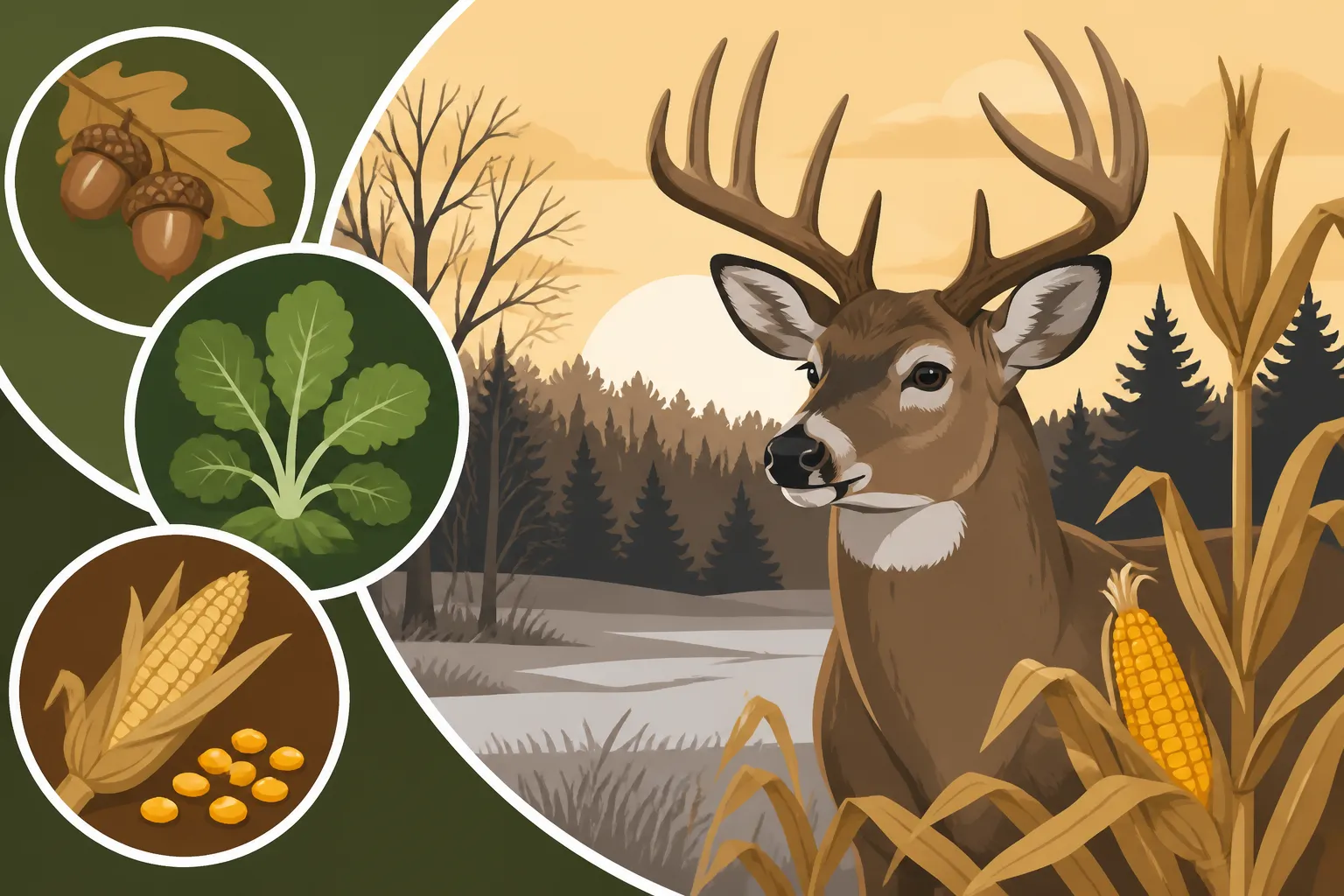
In agricultural regions of Minnesota, nothing draws deer like unharvested or partially harvested fields of corn and soybeans. After farmers have gone through, there are always ears of corn missed by the combine or beans shelled out onto the ground. These dense, high-energy morsels become absolute magnets. Corn, in particular, with its high carbohydrate content, is a survival food for deer. A field of standing corn, especially if it’s bordered by thick cover, offers both a consistent food source and crucial thermal and visual protection from the elements and predators. This is why a strategic setup near a Hunting a Standing Cornfield in Farm Country can be incredibly effective. Even harvested fields can provide a decent amount of scattered grain if the harvest was rushed or conditions were less than ideal. Similarly, soybeans, if still available, offer vital protein and fat, though they tend to be picked clean faster than corn. Always check local farming practices and weather patterns; a late, snowy harvest might mean more dropped grain.
Brassicas and Specialized Food Plots
For landowners and hunters who have invested in food plots, brassicas like turnips, radishes, and kale truly shine in the late season. These plants convert starches to sugars after a hard frost, making them incredibly palatable and nutritious for deer. While they might be ignored in early fall, they become a primary attraction once temperatures consistently drop below freezing. A well-maintained brassica plot, especially in areas with limited natural food, can become a deer hotspot, drawing in deer from considerable distances. Other food plot choices like winter wheat or rye can also provide some green browse, though typically not as calorie-dense as brassicas. The key is that these plots are designed to remain attractive and accessible when other options have vanished.
Persistent Mast and Natural Browse
Beyond agriculture and planted plots, natural food sources, though scarcer, still play a critical role. White oak acorns, if any are left after the early fall rush and competition from other wildlife, are highly sought after. They are a high-fat, high-carbohydrate food that deer will actively dig through shallow snow to find. However, their availability can be highly variable year to year based on the mast crop. Apples, if available from old orchards or crabapple trees, also provide a sweet, energy-rich treat that deer will seek out.
As snow deepens, deer turn more and more to browse – the woody stems, twigs, and buds of various shrubs and trees. Important browse species in Minnesota include red osier dogwood, sumac, aspen, and various evergreens like cedar and balsam fir, especially when other options are completely buried. While browse typically offers lower nutritional value than agricultural crops or acorns, it's a reliable fallback. Deer will often "yard up" in areas of dense conifer cover that also offer abundant browse, creating predictable patterns of movement between their thermal cover and these woody snacks. Understanding Where Big Woods Bucks Bed in Minnesota will often lead you directly to these browse-rich pockets adjacent to their bedding.
| Food Source | Caloric Value | Accessibility in Snow | Key Advantage | Consideration |
|---|---|---|---|---|
| Standing Corn | Very High | Good | Extremely calorie-dense, offers cover | Can be quickly harvested, competition with other deer |
| Dropped Soybeans/Grain | High | Fair | High protein/fat, good energy | Buries easily in deep snow, less protective cover |
| Brassica Food Plots | High | Excellent | Palatable after frost, specifically grown for deer | Requires prior planting, limited acreage |
| White Oak Acorns (residual) | High | Fair | Fat/carb rich, natural draw | Highly variable crop, often picked clean early |
| Apples/Crabapples | Medium-High | Fair | Sweet, quick energy source | Limited locations, often picked clean by early winter |
| Natural Woody Browse | Low-Medium | Good | Reliable fallback, widely available in forest | Lower nutritional density, deer must consume more |
Scouting Techniques for Late-Season Opportunities
Finding these critical late-season food sources isn't always easy, especially when much of the landscape is covered in snow. But with the right approach and modern tools, you can pinpoint the hot spots where deer are concentrating their efforts. Effective scouting during this time combines digital reconnaissance with crucial boots-on-the-ground investigation.
Digital Reconnaissance and Mapping Tools
Before you ever step foot in the woods, leverage technology to your advantage. Tools like GoHunt, along with other mapping applications, are invaluable for late-season scouting. Use aerial and satellite imagery to identify key features: unharvested corn or soybean fields, dense conifer stands that offer thermal cover, south-facing slopes that melt snow faster, and areas of clear-cuts or young forest growth that provide abundant browse. Pay close attention to the edges of agricultural fields where they meet thick timber – these are natural funnels. You can use these platforms to outline potential bedding areas, travel corridors, and, most importantly, identify the few remaining food sources. For instance, if you're trying to figure out Where to Hang a Camera on a Logging Trail, looking for trails that connect bedding to these identified food sources on a digital map is a great start. Many of these tools even allow you to mark specific trees for potential stand sites or note areas of observed deer sign, which can be shared if you're hunting with a group doing Deer Drives With Three or Four Hunters.
Boots-on-the-Ground and Snow Tracking
While digital maps provide the blueprint, nothing beats putting your boots on the ground. This is especially true after a fresh snowfall, which acts as a giant chalkboard, revealing all recent deer activity. Look for heavy deer tracks leading from known bedding areas to potential food sources. Pay attention to the size and number of tracks; multiple tracks converging in an area or particularly large tracks can indicate a concentration of deer or the presence of a mature buck.
When Tracking a Deer in Fresh Minnesota Snow, don't just follow blindly. Instead, use the tracks to understand the deer's behavior. Are they lingering in certain areas? Is there fresh browsing sign on specific plants? Are they digging through the snow for acorns? Look for scat to determine how recent the activity is and what they might be eating. Focus your efforts on the transition zones between dense thermal cover and the identified food sources. These pinch points and funnels are where deer will often stage before entering a field or feeding area, especially during daylight hours.
Leveraging Local Knowledge and Timing
Local knowledge, whether from farmers, other hunters, or even simply observing road-killed deer, can give you huge clues. Farmers often know which fields were harvested late or if certain areas consistently hold deer through the winter. Pay attention to game cameras you might have left out during earlier seasons; the intelligence they provide about deer movement can be invaluable, though be mindful of Trail Camera Rules on Minnesota Public Land. Timing your scouting is also crucial. Do it during midday when deer are typically bedded, minimizing disturbance to their feeding routine. If possible, scout immediately after a significant snowfall to get the freshest picture of current deer movements. If you're hunting in December, knowing Minnesota Muzzleloader Season Dates or late archery season extensions will help you understand the current hunting pressure and how deer might be adapting to it.
Hunting Strategies Around Late-Season Food
Once you've diligently scouted and pinpointed those crucial late-season food sources, the next step is to execute a smart hunting strategy. Deer are wary this time of year, especially if they've already survived weeks of hunting pressure. Your approach needs to be calculated and minimize intrusion.
Stand Placement and Access Routes
The cardinal rule of late-season hunting is stealthy access. Deer are hyper-alert, and any undue pressure will send them packing to the most remote corners. Your stand, whether it's an elevated treestand or a ground blind, should be set up downwind or crosswind of the expected deer approach to the food source. Often, deer will stage in a thicket or wood edge before committing to an open field. Placing your stand 50-100 yards inside this edge can be highly effective, catching them before they enter the main feeding area. Consider a ground blind for excellent concealment and warmth, especially if you're planning a Cold-Weather Sitting Strategy in Minnesota in brutal temperatures.
Your entry and exit routes are just as important as your stand location. Use natural terrain features, ditches, thick cover, or even waterways to approach your stand undetected. Always ensure your exit doesn't spook deer that might already be feeding or bedded nearby. It’s a frustrating scenario to spend hours on stand only to blow deer out on your way back to the truck. If you know Hunting Deer in Deep Northern Minnesota Snow, you know that visibility can be limited, so taking extra care with your approach is paramount.
Timing Your Hunts for Peak Activity
Unlike the rut where deer are active throughout the day, late-season deer often exhibit more predictable patterns centered around feeding. They will typically move from bedding areas to food sources in the late afternoon and return to bedding in the early morning. However, don't rule out midday movement entirely. On extremely cold days, deer may need to feed multiple times to maintain their body temperature, sometimes venturing out during the warmest part of the day around noon or early afternoon. This is a critical window to capitalize on.
For those pursuing Late-Season Antlerless Hunting in Minnesota, a long, patient sit, often from daylight to dark, can be beneficial, especially if the food source is a highly attractive one, like a standing cornfield. If you're still-hunting, doing so in the mid-morning, slowly working your way from bedding cover towards a known food source, can yield encounters with deer that are getting up for a snack before hunkering down again. Don't be afraid to adjust your hunting times based on temperature and snow depth; the colder and deeper the snow, the more pressing the deer's need for food, potentially increasing daylight movement.
Adapting to Pressure and Using Topography
Hunting pressure profoundly impacts late-season deer behavior. If public land has been heavily hunted, deer will often become almost entirely nocturnal or seek refuge in the thickest, nastiest cover adjacent to food. This is where Finding Ground Others Walk Past becomes crucial. Don't be afraid to walk an extra half-mile or push through seemingly impenetrable brush. Deer want safety, and if you can provide a sense of security near their food, you'll have an advantage.
Topography also plays a significant role. South-facing slopes receive more sunlight, melting snow faster and exposing ground-level forage or providing warmer bedding. Hunting these slopes, especially when they connect to a food source, can be highly productive. Consider wind and thermals meticulously. Cold air sinks, meaning deer will often bed high on ridges during the day to catch rising thermals, then drop down to feeding areas in the evening as thermals switch and fall. Using a mapping tool like GoHunt or the Using the Minnesota Recreation Compass App can help you visualize these topographical features and plan your approach. Remember, every little detail, from scent control to silent movement, matters even more when deer are focused on survival.
Disclaimer
Please note that hunting regulations and seasons can change. Always consult the official Minnesota Department of Natural Resources (DNR) website or their current hunting regulations handbook before heading afield to ensure you are compliant with all local laws and permit area rules. This guide provides general information and does not substitute for official regulations or personal judgment based on specific conditions.