When Minnesota’s Archery Season Opens
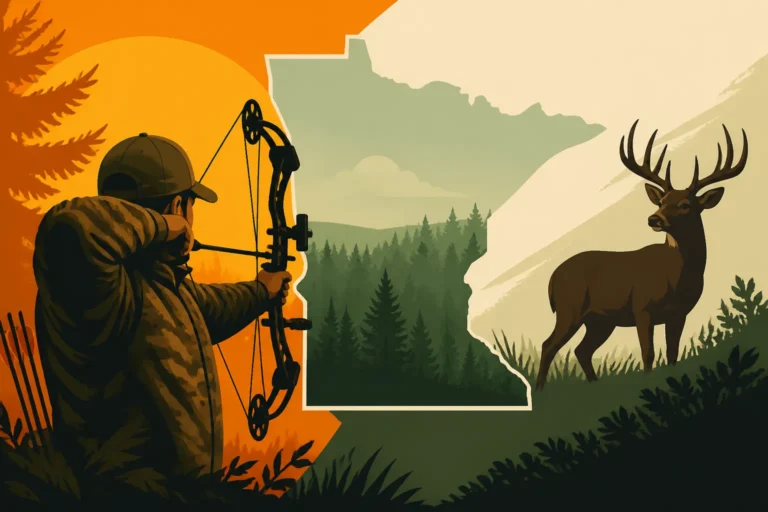
Oh, the crisp September air, the changing leaves, and that undeniable itch to get back into the deer woods. If you're anything like me, you've been counting down the days since last season ended, and now, as summer begins to fade, that burning question really starts to set in: When exactly does Minnesota's archery season open? It's a critical date on every bowhunter's calendar, dictating when we can finally trade our summer chores for camouflaged mornings and quiet evenings in a tree stand. This guide is here to walk you through exactly when that magical moment arrives and what it means for your hunting plans.
The Official Kick-Off: When Archery Season Opens in Minnesota
There's a special kind of anticipation that builds as the dog days of summer give way to the promise of fall. For many, that promise is inextricably linked to the opening day of archery season. Knowing the exact date is more than just curiosity; it's the launchpad for all your pre-season preparations, from scouting new spots to getting your bow tuned just right.
The Standard Statewide Archery Opener
For the vast majority of Minnesota bowhunters, the deer archery season consistently kicks off in mid-September. While the exact date might shift by a day or two each year depending on the calendar, you can generally mark your calendar for the Saturday closest to September 16th. This consistent opener across the state means that whether you're hunting the big woods up north, the rolling hills of southeast bluff country, or the farmland fringes, your season begins on the same day as everyone else. It’s a date steeped in tradition for many, often signaling the first cool mornings and the first real chance to stretch those bowhunting muscles. This initial phase of the season is often characterized by deer still being in their summer patterns, focusing heavily on available food sources and typically moving during the early morning and late evening hours.
Early Archery Opportunities
While the statewide opener is the big one, Minnesota sometimes offers specific early opportunities that savvy hunters can take advantage of. The most notable of these is the Youth Early Antlerless Season. This special season usually takes place in late October, before the main firearm season opens, but after the general archery opener. It's specifically designed for young hunters (typically 10-17 years old) who are properly licensed and accompanied by an adult. The goal is to provide a less pressured hunting experience for youth, focusing on antlerless deer, which can be a fantastic way to introduce new hunters to the sport and put venison in the freezer. Always double-check the current year's regulations for the precise dates and eligibility requirements for this specific opportunity, as it can vary. Understanding these nuances can provide an additional chance to get out with younger family members or friends.
Understanding Minnesota's Archery Season Structure
Knowing when the season starts is just the beginning. Minnesota's archery season is remarkably long and diverse, offering opportunities that extend far beyond those initial warm September days. It’s a marathon, not a sprint, and understanding its full span is key to maximizing your success.
Length of the Season and Winter Archery
One of the greatest benefits of being a bowhunter in Minnesota is the sheer length of the season. The archery deer season typically runs from that mid-September opener all the way through December 31st. In some specific permit areas or for certain special hunts, it might even extend into early January. This extended timeframe allows hunters to experience various phases of the deer season, from early-season patterns to the peak of the rut, and even into the quiet, snow-covered days of late season. Hunting late into the year presents unique challenges and opportunities, often requiring different strategies as deer focus on finding reliable food sources in deep snow and brutal cold. If you're interested in really pushing the limits of the season, you'll definitely want to check out my guide on How Minnesota's Archery Season Runs Into Winter for some specialized tactics.
Weapon Restrictions and Crossbows
When it comes to equipment, the Minnesota archery season is primarily for vertical bows (recurve and compound). However, crossbows have also become a legal method for all deer hunters during the entire statewide archery season, without needing a special permit or disability exemption. This change has opened up bowhunting to a wider audience, including those who may not be able to draw a traditional bow or simply prefer the mechanical advantages of a crossbow. Regardless of whether you choose a vertical bow or a crossbow, the core principles of silent movement, scent control, and ethical shot placement remain paramount. For a deeper dive into the pros and cons and specific regulations, you might find my article Crossbow Versus Vertical Bow in Minnesota really helpful in making your gear choices. Always ensure your equipment meets the minimum legal requirements for draw weight and arrow length, which are clearly outlined in the Minnesota DNR regulations.
Essential Pre-Season Preparation for Archery Hunters
The opening day of archery season isn't just a date on the calendar; it's the culmination of weeks, if not months, of preparation. The work you put in before the season begins can make all the difference between a frustrating season and a successful one.
Scouting and Stand Setup
Long before you draw back on a deer, you need to know where they are. Pre-season scouting is absolutely critical for archery success. This means getting out into the woods, even when it's hot and buggy, to look for deer sign: tracks, rubs, scrapes, and feeding areas. Identify bedding cover, travel corridors, and water sources. Observe how deer move through the landscape and note any changes in crop rotation or habitat. You can even use digital mapping tools, like those offered by GoHunt, to mark potential stand locations, scout property boundaries, and analyze terrain features from your couch. Don't wait until the last minute to hang your stands or set up your ground blinds. Get them in place early enough that deer have time to get accustomed to them. If you're heading to public land, my piece on Scouting Minnesota Public Land Before Season offers some great tips. For those planning to hunt from above, setting up your stand in a way that minimizes your presence and maximizes your shot opportunities is an art form. Make sure to consult Treestand Setups in Minnesota Hardwoods for detailed advice on optimal placement and safety.
Gear Check and Practice
The worst time to discover a problem with your gear is when that buck of a lifetime steps out. Thoroughly inspect your bow, arrows, broadheads, and release. Make sure your bow is tuned, and your sights are perfectly dialed in. Practice, practice, practice! Shoot from various distances, different angles, and even from elevated positions if you plan to hunt from a tree stand. Practice with the broadheads you intend to use, as they can sometimes fly differently than field points. It's also vital to practice shooting in your hunting clothes, including your safety harness, to ensure comfort and freedom of movement. Don't forget to check your other essential gear: rangefinder, binoculars, grunt calls, rattling antlers, and your scent control regimen. Making sure everything is in working order instills confidence, which is a massive advantage when a shot opportunity arises. A reliable resource like the GoHunt platform can also offer updated gear lists and reviews to help you make informed decisions.
Navigating Regulations and Permit Areas
Minnesota's hunting regulations can feel like a labyrinth if you don't know where to look. Understanding the rules, especially those pertaining to your specific hunting zone, is paramount for a legal and ethical hunt.
Knowing Your Permit Area
Minnesota is divided into numerous Deer Permit Areas (DPAs), and the rules for hunting can vary significantly between them. Before you even head out to scout, it's crucial to know which DPA your hunting spot falls within. Each DPA is classified as either "Intensive," "Managed," or "Lottery," and these classifications dictate how many antlerless deer permits are available and how they are allocated. For example, in a "Lottery" area, you might need to apply for an antlerless tag and hope you're drawn, while in an "Intensive" area, you might be able to purchase multiple antlerless tags over the counter. This directly impacts your tag strategy and how many deer you can legally harvest. A resource like GoHunt can provide detailed permit area maps and direct links to the DNR's official DPA information. Taking the time to understand Finding Your Minnesota Deer Permit Area is one of the most important steps you can take to ensure compliance and avoid any legal issues during your season. Additionally, familiarize yourself with Minnesota Deer License Options by Weapon to ensure you purchase the correct tags for your preferred hunting method and target.
License and Certification Requirements
Beyond knowing your permit area, you need to make sure all your paperwork is in order. Every hunter needs a valid Minnesota hunting license. If you're a new hunter or hunting with someone new, remember that Minnesota Hunter Safety Requirements must be met before anyone can purchase an initial hunting license. This certification ensures that hunters understand safe firearm handling, game identification, and ethical hunting practices. While it's generally required for anyone born after December 31, 1979, there are also apprentice hunter validations available for those just getting started. Always carry proof of your license while hunting, whether it's a physical copy or stored digitally on your phone via the DNR's e-license system. For waterfowl hunters, remember the Federal Duck Stamp and HIP certification. Even if you only plan to bowhunt deer, understanding the full scope of Minnesota Hunting Licenses and What They Cost can be helpful for future endeavors. Staying current with regulation changes can be easier with a tool like GoHunt, which often summarizes key updates and provides direct links to the official sources.
When that mid-September date finally arrives, you'll be ready. All the hard work, the practice, the scouting, and the careful planning will culminate in those first few moments in the stand, bow in hand, waiting for the Minnesota woods to come alive.
| Season Type | Typical Start Date | Typical End Date | Notes |
|---|---|---|---|
| General Archery | Mid-September | December 31st | Statewide, extended season for deer. |
| Youth Early Antlerless | Late October | Late October | Specific dates vary; consult DNR for current year. |
| Muzzleloader Season | Late November/Early Dec | Mid-December | Follows firearm season, can overlap with late archery in some zones |
| Firearm Season (100 Series) | Early November | Mid-November | Varies by zone, check specific DPA. |
Note: All dates are approximate and can shift slightly year-to-year. Always check the official Minnesota DNR regulations for precise, up-to-date information for the current hunting season.
Disclaimer
Please remember that hunting regulations, dates, and requirements can change. Always consult the official Minnesota Department of Natural Resources (DNR) website or their current year's hunting regulations handbook for the most accurate and up-to-date information before planning any hunting activities. This guide provides general information and insights for educational purposes only.