Hunting Squirrels in Minnesota Hardwoods
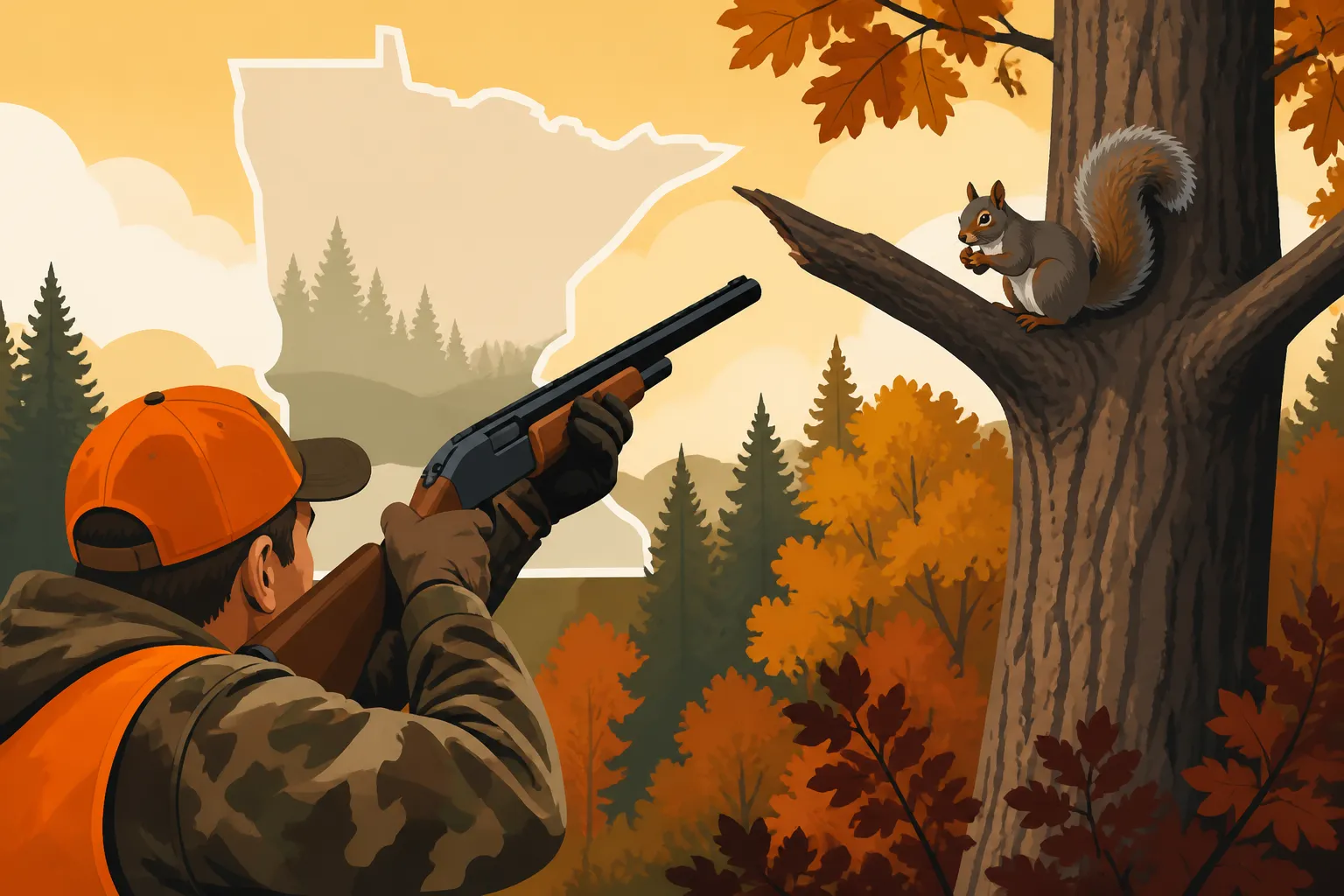
It's easy to get caught up in the pursuit of Minnesota's big game, with deer, bear, and even elk often dominating our hunting thoughts. But for those who love to be in the woods, hone their skills, and bring home some truly delicious table fare, overlooking squirrel hunting in our abundant hardwood forests is a missed opportunity. This comprehensive guide will equip you with the knowledge and tactics to successfully pursue these crafty rodents, ensuring you make the most of Minnesota's hidden small game gems.
Why Squirrel Hunting is a Rewarding Pursuit
Many hunters relegate squirrel hunting to childhood memories or see it as an "off-season" activity. However, dedicating time to squirrels in Minnesota's hardwoods offers a profound and practical benefit, sharpening crucial outdoor skills that directly translate to success in bigger game pursuits, while also providing a fantastic protein source.
Beyond the Big Game Mentality
Let's be honest, the allure of a trophy buck or a bruin is powerful. But that single-minded focus can make hunters feel limited to just a few weeks a year. Squirrel hunting breaks that mold. It extends your time afield significantly, often from early fall right through the colder months, filling those gaps when other seasons are closed or tags are harder to come by. It's an accessible hunt for all ages and skill levels, making it a perfect entry point for new hunters or a relaxed outing for seasoned veterans. You're not fighting crowds for a limited draw; you're simply enjoying the woods and honing your craft. Plus, the pressure is significantly lower, allowing for a more enjoyable, less stressful experience where observation and woodcraft are key. It's a fantastic way to enjoy the tranquility of Minnesota's forests without the intensity that often comes with bigger game.
Sharpening Essential Hunting Skills
Think of squirrel hunting as a masterclass in deer hunting fundamentals. Success requires stealth, patience, keen observation, and precise shooting – all skills directly transferable to larger quarry. When you're trying to sneak within range of a wary gray squirrel or spot a fox squirrel camouflaged against bark, you're practicing the same quiet footwork you'd use for a whitetail. Listening for the subtle rustle of leaves, the bark of a distant squirrel, or the tell-tale chunk-chunk-chunk of an acorn being gnawed forces you to engage all your senses. This type of active listening and observation is vital for Scouting Minnesota Public Land Before Season or even when trying to pinpoint where big woods bucks bed in Minnesota. Furthermore, placing a shot accurately on a small, often moving target in thick cover dramatically improves your marksmanship, making you a more confident and ethical hunter when that trophy buck finally steps out. Every small movement you make, every shadow you check, every sound you interpret, is a lesson learned for your next big game adventure.
Locating Prime Hardwood Habitat for Squirrels
Finding squirrels isn't always about seeing them; it's about understanding their needs. In Minnesota's vast hardwood forests, squirrels gravitate towards areas that provide abundant food, reliable cover, and proximity to water. Knowing these key habitat features will dramatically improve your chances of success.
Oak and Hickory Stands: The Preferred Pantry
If you want to find squirrels, you need to find their food. And in Minnesota hardwoods, that means acorns and hickory nuts are king. Both gray squirrels and fox squirrels rely heavily on these mast crops, especially in the fall and early winter. Areas dominated by mature red oaks, white oaks, and the less common shagbark hickory are absolute squirrel magnets. When you're scouting, look for high ground with stands of these trees. Don't just look up; look down. The ground under a productive oak will often be littered with fresh shell casings and "cuttings" – the tell-tale chewed remnants of acorns or nuts. This is a critical sign, and learning to read these can be incredibly valuable for Reading Cuttings Under an Oak. A good mapping tool, like the one offered by GoHunt, can help you identify these specific tree species and forest types before you even set foot in the woods, saving you valuable time and focusing your efforts. They also enjoy the seeds from maple and basswood, but oaks and hickories are generally the primary draw.
River Bottoms and Creek Beds: Water and Cover
Beyond just food, squirrels need water, and they appreciate dense cover for nesting and escaping predators. River bottoms and areas along creek beds often provide all three in spades. The fertile soils in these low-lying areas support a diverse mix of hardwood trees, including oaks, maples, and often cottonwoods or silver maples, which, while not primary food sources, offer crucial denning sites. The dense undergrowth, thorny thickets, and downed timber common in these riparian zones create perfect escape routes and protection from hawks and coyotes. These areas also tend to hold moisture longer into the fall, which can keep food sources viable for longer. Hunting these areas is often challenging due to the thick cover, but the reward can be significant. Look for mature trees with plenty of cavities for dens and a good mix of smaller trees and brush that squirrels use for travel and cover. This blend of food, water, and security makes river bottoms and creek beds prime hunting locations.
Transition Zones and Forest Edges
Squirrels, like many other game animals, love edges. These are the areas where one habitat type transitions into another. Think of where a dense oak forest meets an open field, a clear-cut, or even a swampy lowland. These transition zones often offer the best of both worlds: the safety and food of the hardwoods, combined with the quick access to different food sources or escape cover in the adjacent habitat. For example, a timber edge bordering an agricultural field might have squirrels venturing out into the corn or soybean stubble for spilled grains, while still being able to dart back into the oaks for safety. Forest edges also receive more sunlight, which can encourage more mast production on the edge trees. When you're looking at a map, identify these seams in the landscape. Sometimes, a logging trail or even a well-used deer trail cutting through the woods can act as a linear edge, concentrating squirrel activity along its path. Remember to check areas where different hardwood types meet, such as an oak ridge dropping into a maple bottomland; these subtle shifts can create productive hunting zones.
Timing Your Hunt for Maximum Success
Understanding when squirrels are most active and when certain habitats are most productive is crucial for a successful hunt. Minnesota offers a generous squirrel season, allowing you to chase them through various conditions and learn their patterns throughout the year.
Early Fall Opportunities: Before the Leaves Drop
The earliest part of Minnesota's squirrel season, typically starting in September, presents unique opportunities and challenges. The dense canopy is still full of leaves, offering excellent camouflage for the squirrels but making it incredibly difficult for hunters to spot them. However, this is also when acorns and other nuts are beginning to ripen and drop, driving intense squirrel activity. You'll hear them scampering through the leaves, cutting nuts, and burying them for winter. This period is ideal for still-hunting, as the noisy leaves on the forest floor make it harder for squirrels to pinpoint your movements. Focus on listening intently for the distinctive sounds of squirrels at work. The warm temperatures also mean you'll need to be mindful of quick field dressing and cooling your game, much like you would for Field Dressing a Deer in Cold Weather, but in reverse – you want to cool it down, not keep it warm. GoHunt's detailed maps can highlight canopy density, helping you anticipate visibility challenges and plan your approach for these early season hunts. Mornings and late afternoons are particularly productive as squirrels are actively feeding.
Late Season Strategies: Winter's Bounty
As fall progresses into winter, the hardwood forests transform, and so do the squirrel hunting dynamics. Once the leaves have fallen, visibility improves dramatically. Squirrels become easier to spot, but they are also more wary of movement on the now-bare forest floor. This is a fantastic time for precise shooting and patient glassing. Look for squirrels emerging from their dens on sunny, calm winter days, especially after a fresh snowfall. The snow acts as a perfect tracking medium, showing you exactly where squirrels are traveling, feeding, and even digging up buried caches. The colder temperatures mean squirrels are constantly seeking out their stored food, making those oak and hickory stands even more vital. Don't overlook large, mature trees with plenty of cavities; these are critical denning sites when the mercury drops. Even after a significant snowfall, squirrels will tunnel under the snow to access buried nuts, leaving tell-tale tracks and tunnels. This time of year offers a chance for a truly peaceful hunt, with the crisp air and quiet woods adding to the experience.
Daily Activity Patterns: When to Be in the Woods
Squirrel activity isn't constant throughout the day; they follow predictable patterns tied to feeding and resting. Generally, the best times to hunt squirrels are during the early morning hours, right around sunrise, and again in the late afternoon, leading up to sunset. During these periods, squirrels are most actively foraging for nuts, chasing each other, and generally being visible. Midday activity tends to drop off as squirrels retreat to their dens for a snooze or simply move less during the warmest part of the day.
On particularly cold or windy days, squirrel activity might be compressed even more, so focusing your efforts during those prime windows becomes even more critical. If it's warm and sunny, they might stay out longer. Overcast days without strong winds can also be excellent, as the subdued light can make them feel a bit bolder, and there's no glaring sun to work against your eyes. Conversely, extremely windy or rainy days will often send squirrels into their dens, making hunting much less productive. Always check the weather forecast and plan to be in your chosen hardwood stand during these peak activity times. Patience is key; sometimes you might sit for an hour with no activity, then suddenly, the woods come alive with chatter and movement.
Essential Gear and Tactics for Hardwood Squirrels
Successful squirrel hunting in Minnesota's hardwoods doesn't require a truckload of specialized gear, but having the right tools and employing effective tactics will significantly increase your harvest and enjoyment. Simplicity and quiet efficiency are your best friends.
Firearm Choices: Precision and Punch
When it comes to firearms for squirrel hunting, precision is paramount. Rimfire rifles are the overwhelming favorite for a good reason.
- .22 Long Rifle (LR): This is the classic choice, and for good reason. It's accurate, quiet, inexpensive to shoot, and has more than enough power to humanely take squirrels. A bolt-action or semi-automatic .22LR with a good scope (4x or 3-9x magnification is plenty) is practically made for squirrel hunting. The low recoil and report also make it an excellent training tool for younger hunters.
- .17 HMR: For those who want flatter trajectory and even more precision at slightly longer ranges, the .17 HMR is a fantastic option. It's incredibly accurate but also has a higher muzzle velocity and a more explosive impact, which can sometimes cause more meat damage if not placed perfectly.
- Shotguns: While less common for precision headshots, a shotgun can be effective, especially if you're hunting with a dog or prefer to take running shots. A 20-gauge or .410 loaded with small shot (like #6 or #7.5) can be deadly at close range. However, it requires careful consideration of lead shot restrictions on Minnesota Waterfowl Production Areas and other public lands where only non-toxic shot is allowed for all species. For general hardwood hunting, rimfires are typically preferred for their accuracy and quiet nature.
Regardless of your choice, ensure your firearm is sighted in properly. For a .22LR, zeroing at 50 yards is a great starting point for typical squirrel ranges in the woods.
Still Hunting and Stalking: The Art of Quiet Movement
Still hunting is arguably the most effective and rewarding tactic for squirrels in Minnesota's hardwoods, especially without a dog. It's an exercise in extreme patience and quiet observation. The idea is to move slowly, take a few steps, then stop and stand absolutely still for several minutes, scanning the trees and ground for any sign of movement or listening for the tell-tale sounds of squirrel activity.
- Slow Movement: Each step should be deliberate, placing your foot heel-to-toe to minimize noise on fallen leaves or twigs. Wear soft-soled boots.
- Stop and Look/Listen: This is the most crucial part. When you stop, don't just glance around. Systematically scan every tree trunk, every limb, and the ground. Pay attention to movement, even just a flick of a tail or an ear. Listen for cutting, scratching, barking, or the thud of a falling nut. Binoculars (8x or 10x power) are incredibly useful here to pick apart the canopy and identify those subtle movements.
- Patience is a Virtue: Squirrels often freeze when they detect movement. By standing still for 5-10 minutes, you give them time to relax and resume their activity, revealing their position. This tactic directly translates to successful Still-Hunting Minnesota Big Woods for deer, training your eyes and ears to discern game from background noise.
Stalking involves carefully moving towards a spotted squirrel. Use natural cover, move when the squirrel's head is down or when it's obscured, and avoid sudden movements. The challenge and reward of outsmarting a wary squirrel on its home turf are immense.
The Unfair Advantage: Hunting with a Dog
While many enjoy the solitude and challenge of still hunting, bringing a well-trained squirrel dog (often a feist, cur, or a treeing breed) adds an entirely different, highly effective, and incredibly fun dimension to the hunt. These dogs are specifically bred to locate squirrels by scent and sight, bark at the base of the tree (known as "treeing"), and hold them there until the hunter arrives.
- How it Works: The dog ranges ahead, searching for squirrel scent or spotting them moving on the ground or in trees. Once a squirrel is located and goes up a tree, the dog will "tree" it, barking excitedly to indicate its location. You then approach the treed squirrel, trying to spot it in the canopy.
- Benefits: A good dog can cover far more ground than a human, find squirrels that a hunter would easily miss, and keep them focused on one tree. This takes much of the guesswork out of locating squirrels and allows for a faster-paced hunt. It's also a fantastic way to introduce new hunters to the sport, as the dog does much of the work.
- Training and Etiquette: Training a squirrel dog takes time and consistency, but the rewards are well worth it. When hunting with a dog on public land, always be mindful of other hunters. Keep your dog under control, and ensure they are wearing appropriate blaze orange if required. This is also a great opportunity to explore various types of Minnesota State Forest Hunting where dogs are often allowed. GoHunt's mapping features can also help you identify areas with good cover and mast crops, guiding your dog's search effectively.
Field to Table: Processing Your Squirrel Harvest
Bringing game from the field to the table is one of the most satisfying aspects of hunting. Squirrels are no exception; their lean, flavorful meat is a true delicacy that many hunters cherish. Proper field care is essential to ensure the best quality for your culinary adventures.
Quick Field Dressing and Cooling
Squirrels are relatively easy to field dress, but doing it quickly and efficiently is important, especially on warmer days.
- Safety First: Ensure your firearm is unloaded and safe before beginning.
- The Incision: Lay the squirrel on its back. Make a shallow cut through the skin across the abdomen, from one hind leg to the other. Be careful not to cut too deep and puncture the intestines.
- Skinning Technique: You can either peel the skin back from this incision, often tearing it with your hands, or try a common trick: step on the tail (or a patch of skin near the tail) and pull up sharply on the hind legs. The skin should rip cleanly up the back. Continue to peel the skin down over the squirrel like a glove, working it over the front legs. You'll need to cut around the feet and head to remove the skin entirely.
- Evisceration: Once skinned, make a deep cut from the sternum down to the pelvis, exposing the internal organs. Reach in and remove all organs, including the heart, liver, and lungs. Check for any remaining bits and wipe the cavity clean with a cloth or leaves.
- Cooling: On cooler days, you can simply place the skinned and gutted squirrel in your game bag. On warmer days, it's crucial to get the meat cooled as quickly as possible. Placing them on ice in a cooler is ideal, but if you're deep in the woods, hanging them in a shady spot to allow air circulation can help. For this task, a sharp, sturdy knife is invaluable, and you might want to consider what type of Field Dressing Knives Worth Carrying is best for small game.
Delicious Recipes for Minnesota Squirrel
Squirrel meat is lean and can be tough if not cooked properly, much like older rabbits or hares. Slow cooking methods often yield the most tender and flavorful results. It's a versatile meat that can be substituted in many recipes calling for chicken or rabbit.
- Classic Fried Squirrel: A time-honored tradition. Cut the squirrel into manageable pieces (legs, backstraps, shoulders). Brine them overnight in saltwater (or buttermilk for extra tenderness). Dredge in seasoned flour (salt, pepper, paprika, garlic powder) and fry in hot oil until golden brown and cooked through. Serve with mashed potatoes and gravy for a truly comforting meal.
- Squirrel Stew/Chili: This is where tough cuts really shine. Brown the squirrel pieces, then add them to a pot with vegetables (carrots, potatoes, celery, onions), broth, and your favorite herbs and spices. Simmer for several hours until the meat is falling off the bone. A rich squirrel chili, slow-cooked all day, is a fantastic way to enjoy your harvest.
- Braised Squirrel: Braising is another excellent method for tenderizing squirrel meat. Sear the pieces, then braise them in wine, broth, or cider with aromatics like onions, garlic, and thyme. Cook slowly in an oven or slow cooker until the meat is incredibly tender. This method brings out a deep, rich flavor, making it one of the Best-Eating Game in Minnesota options in many hunters' opinions.
Remember, squirrel meat is distinct. Don't expect it to taste exactly like chicken. It has a mild, somewhat nutty, wild flavor that is best appreciated when allowed to shine through with simple seasonings or complementary ingredients. Experiment with different recipes to find your family's favorite!
Understanding Minnesota's Squirrel Hunting Regulations
Like all hunting in Minnesota, pursuing squirrels requires adherence to specific rules and regulations designed to ensure sustainable populations and safe hunting practices. Before you head afield, it's critical to familiarize yourself with these guidelines.
Licensing Requirements and Hunter Safety
To legally hunt squirrels in Minnesota, you generally need a valid small game license. For residents, this is usually part of a general small game license package, while non-residents will need to purchase the appropriate non-resident small game license.
- Resident Licenses: A basic small game license is usually all that's required for adult residents. You can find current pricing and options under Minnesota Resident Small Game License Cost.
- Non-Resident Licenses: Non-residents will need to check the specific requirements and costs for their small game license, which can vary.
- Hunter Safety: If you were born after December 31, 1979, you must possess a firearms safety certificate (hunter education) to purchase a hunting license in Minnesota. There are provisions for mentored youth hunting, allowing younger hunters to participate under the direct supervision of an experienced, licensed adult before completing their certification. Always carry proof of your license and hunter safety certification (if applicable) while hunting. You can purchase licenses online via the DNR's eLicense system or at authorized vendors across the state.
Bag Limits and Season Dates
Minnesota's squirrel season is quite generous, offering a long window of opportunity for hunters. However, there are specific dates and daily bag limits you must adhere to.
- Season Dates: The season typically opens in early September and runs through the end of February. Always double-check the current year's regulations on the Minnesota DNR website for the exact Minnesota Squirrel Season Dates and Minnesota Small Game and Upland Bird Seasons. These dates can sometimes see minor adjustments, so staying informed is crucial.
- Daily Bag Limit: There is usually a generous daily bag limit for squirrels, often around seven per day for gray and fox squirrels combined. This means you can harvest a good number of squirrels during a productive outing, providing ample meat for several meals.
- Possession Limit: There's also a possession limit, which is typically double the daily bag limit, allowing you to have multiple days' worth of harvest at your home or camp. These regulations are in place to manage the squirrel population responsibly and ensure that this excellent small game resource remains abundant for future generations.
It's always a good practice to download or print a copy of the current Minnesota hunting regulations booklet or use the DNR's website to confirm all details before each season. Ignorance of the law is never an excuse, and staying informed keeps you a responsible and ethical hunter.
Minnesota Squirrel Hunting: Tactics and Comparison
| Tactic/Aspect | Still Hunting | Hunting with a Dog |
|---|---|---|
| Primary Method | Slow, deliberate movement; frequent stops to observe. | Dog locates, trees, and barks at squirrel; hunter approaches. |
| Patience Required | High | Moderate (patience while dog works) |
| Skill Focus | Stealth, observation, listening, marksmanship | Dog training, listening to dog, marksmanship |
| Noise Level | Very Low | Moderate (dog barking, but focused on tree) |
| Best Conditions | Calm, cool mornings; fallen leaves (noisy for you, but helps hear them) | Any conditions; dog's nose is always working |
| Ideal Terrain | Dense hardwood stands, varied topography | Open hardwoods where dog can run and be heard |
| Gear Emphasis | Binoculars, comfortable quiet clothing, accurate rifle | Leash, e-collar (optional), dog vest, accurate rifle |
| Physical Demands | Moderate (slow walking, standing) | High (following dog, navigating thick cover) |
| Social Aspect | Solitary, contemplative | Often done with a partner and dog |
| Success Rate (Gen.) | Good, if patient and skilled | High, with a well-trained dog |
Disclaimer
Please remember that hunting regulations, season dates, and license requirements can change. Always consult the official Minnesota Department of Natural Resources (DNR) website or their most current hunting regulations booklet before planning your hunt. This guide is for informational purposes only and should not be considered a substitute for official DNR publications.