Decoy Spreads for Minnesota Divers
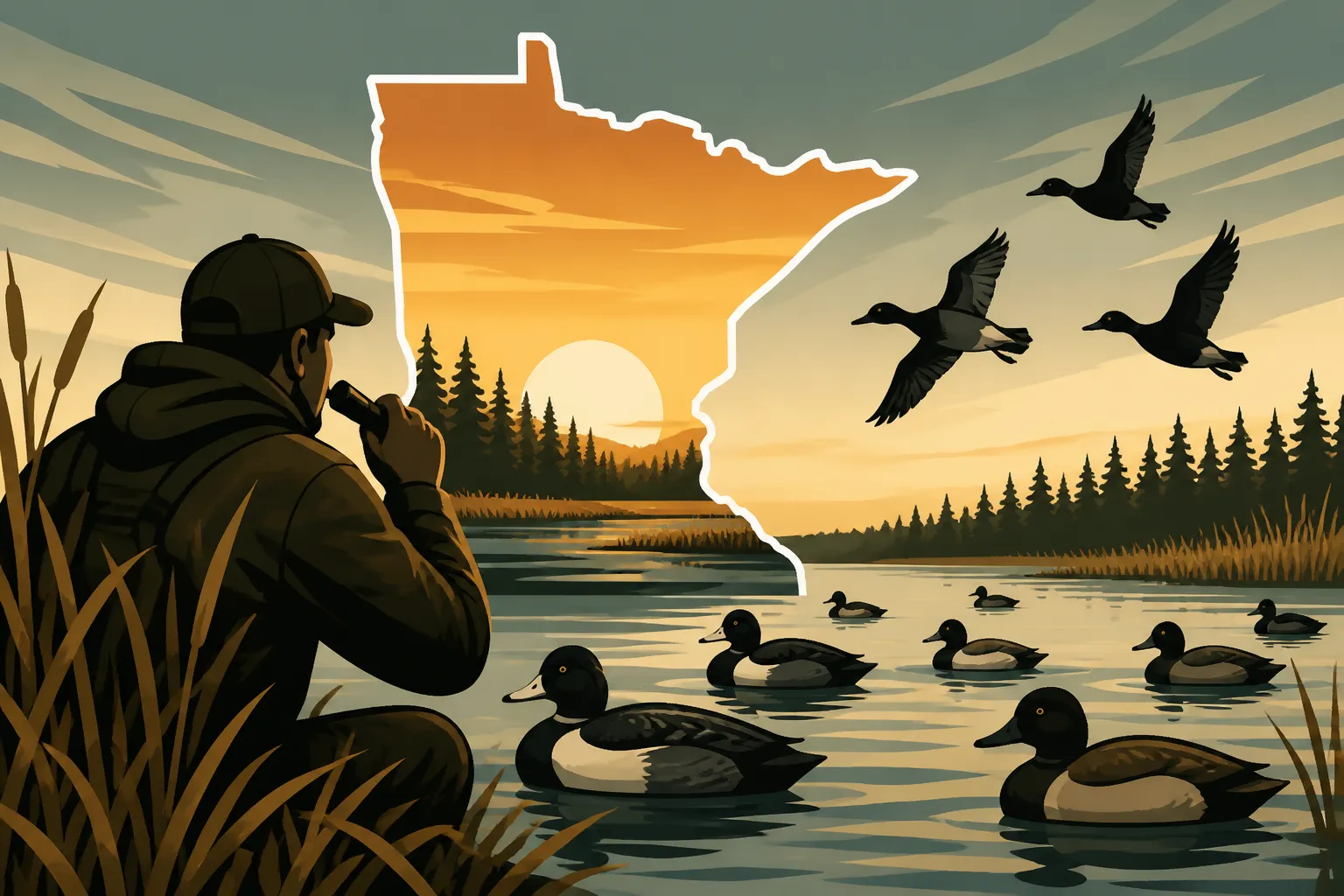
The wind whips across the vast expanse of a big Minnesota lake, and those diver ducks, they're some of the smartest, fastest birds out there. Trying to pull them into your spread can feel like an impossible task, especially when they're flying high and wary after seeing a dozen other hunters. This guide is all about demystifying the art of decoy spreads for Minnesota divers, helping you understand their habits, rig your gear right, and set up spreads that truly draw them in.
Understanding Minnesota Diver Behavior and Habitat
Diver ducks are a different breed from your typical puddle ducks. They're built for speed and thrive on big, open water, often feeding by diving deep beneath the surface. If you've ever watched a flock of bluebills or canvasbacks zip across the sky, you know they move with an urgency that requires specific strategies to bring them to the gun. Trying to hunt them like you would a wood duck in a flooded timber hole just won't cut it. Their world is one of vastness, strong winds, and deep-water food sources.
Key Diver Species in Minnesota Waters
Minnesota is a prime destination along the Mississippi Flyway, and we're blessed with a variety of diver species passing through or residing here during the season. Each has its own nuances, but generally, they share common traits that influence how we hunt them. Scaup, often called bluebills (both Lesser and Greater), are perhaps the most common, known for flying in large, tight flocks. Ring-necked ducks, with their distinctive white ring on the bill (though often hard to see in flight), are also abundant and tend to favor slightly smaller, clearer waters than scaup. Canvasbacks, the "kings of the divers," are larger, faster, and incredibly wary, recognizable by their sloped profile and red heads (on drakes). Redheads, similar in size to canvasbacks but with a more rounded head and a shorter bill, often travel with other divers and can be equally challenging. Knowing which species you're targeting can subtly shift your spread setup, though many techniques work for a mixed bag.
When you're out there, observing their flight patterns and how they react to different conditions can tell you a lot. Are they flying high and wary? Are they cupping their wings at a distance, hesitant to commit? These observations are crucial. Minnesota Waterfowl Migration Timing can give you a good idea of when to expect certain species to be moving through your area in force.
Preferred Habitats: Deep Water and Large Lakes
Unlike mallards that might dabble in a shallow marsh, divers prefer the expansive, deeper waters of large lakes and major river systems. Think of Lake Mille Lacs, Lake Winnibigoshish, or the vast backwaters of the Mississippi River. These areas offer the abundant aquatic vegetation, mussels, and other invertebrates that divers feed on by diving. They need open water for their distinctive long-distance take-offs and landings, and they're less likely to be found tucked away in a tiny pothole. This preference for big water dictates much of our strategy, from the type of boat we use to the sheer number of decoys required to create a visible, enticing spread.
Hunting these big waters means contending with big waves, strong winds, and colder temperatures, adding layers of challenge and requiring robust gear. Diver Hunting on Mille Lacs Open Water is a prime example of the kind of challenging environment divers call home. Safety on these large bodies of water cannot be overstated; it's a completely different ballgame than hunting smaller, sheltered ponds.
Why Divers Are Different: Speed, Flight Patterns, and Wariness
Divers are athletes of the avian world. Their long, torpedo-shaped bodies and powerful wings make them incredibly fast flyers, often clocked at speeds exceeding 70 miles per hour. They typically fly in tight formations, especially scaup, and can change direction with surprising agility. This speed and tight grouping means they cover ground quickly, and if they spot something amiss in your spread, they're gone in a flash.
Furthermore, divers tend to be much warier than puddle ducks. They've often seen many decoy spreads and heard plenty of shotgun blasts by the time they reach Minnesota, especially later in the season. They circle high, sometimes several times, scrutinizing the spread for any sign of danger. You'll often see them commit at the last second, or bank off just outside of range. They're looking for large, natural-looking groups of their own kind, and a small, haphazard spread might not even get a second glance. This heightened wariness means attention to detail in your spread, from the number of decoys to their arrangement and realism, is paramount.
Essential Gear for Diver Decoy Spreads
Hunting divers successfully really boils down to having the right tools for the job. You're not just setting out a few plastic blocks; you're trying to create an illusion of a safe, inviting feeding or resting area in a vast, often unforgiving environment. Investing in proper gear isn't just about efficiency, it's about making sure your efforts pay off and, more importantly, ensuring your safety on big water.
Decoy Types and Counts for Diver Hunting
When it comes to diver decoys, bigger numbers usually mean better results. Divers are attracted to large congregations, signaling safety and a good food source. A typical diver spread can range from 50 to 100+ decoys, sometimes even more for super wary birds on huge lakes. You'll want a good mix of species, but focusing on the primary divers in your area is key. Bluebill and ring-neck decoys are staples, with canvasbacks and redheads mixed in if those species are prevalent.
Realism is also critical. Full-body decoys offer the most lifelike appearance, especially on choppy water. Some hunters also incorporate silhouette decoys for bulk and visibility from a distance, though they're less effective up close. Confidence decoys, like coots or even a few Canada geese, can make your spread look even more natural and inviting. Imagine a hunter just using six mallard decoys for divers – it’s almost laughable to a seasoned diver hunter, because those birds just aren't going to buy it. The illusion must be substantial enough to register from high above.
Rigging Your Diver Decoys: Lines, Weights, and Keels
The way you rig your diver decoys is just as important as the decoys themselves, especially when dealing with deep, moving water. The goal is a tangle-free, efficient system that can be deployed and retrieved quickly, even with numb fingers in cold weather.
| Rigging Method | Pros | Cons | Best Use Case |
|---|---|---|---|
| Longlines | Efficient for large numbers; natural movement; easy deployment. | Can tangle if not stored properly; requires good anchors. | Open water, deep lakes, current where decoys drift naturally. |
| Texas Rigs | Quick deployment/retrieval; less tangle on individual decoys. | More labor-intensive for many decoys; can drift in strong current. | Smaller spreads, shallower water, less current. |
| Jerk Rigs | Adds critical motion to the spread; very lifelike. | Requires hunter interaction; can spook birds if overused. | Any spread, especially on calm days or with wary birds. |
| Traditional | Simple, low cost, individual placement. | Very slow to deploy/retrieve; tangles easily; less natural movement. | Very small, static spreads; not ideal for divers. |
Longlines, often called gang rigs, are a favorite for divers. They consist of a main line, usually 100-200 feet long, with dropper lines attached every few feet. Each dropper holds one or two decoys. This system allows you to deploy dozens of decoys simultaneously and creates a very natural, linear look that divers prefer. You'll need sturdy anchors, often several pounds each, for both ends of the longline to keep it in place against wind and current. Texas rigs, which are individual decoys with a weighted line that slides up to the keel for storage, are excellent for quick setup and retrieval, especially if you're not using hundreds of decoys. However, for sheer numbers and natural movement on big water, longlines often reign supreme. You'll also want heavy-duty decoy line, ideally braided nylon or tarred line that resists tangling and holds up to abrasive keels. Waterfowl Gear for Minnesota Lakes and Sloughs goes into more detail about essential items you'll need for this kind of hunting.
Boats, Blinds, and Layout Systems
Hunting big water divers means you'll almost certainly be hunting from a boat or a specialized layout system. Standard shore blinds or smaller jon boats just won't cut it when you're miles from shore. Layout boats are designed to be low-profile, blending into the decoys on open water, offering an incredibly effective way to hide from high-flying divers. They require a tender boat to transport hunters and gear, and to pick up downed birds. Other options include larger marsh boats or well-camouflaged aluminum boats anchored down, often with natural vegetation or netting.
The key is to disappear. Divers have excellent eyesight, and any unnatural silhouette on the water will send them veering off course. Having a reliable, stable boat that can handle choppy conditions is non-negotiable for safety, especially when you factor in carrying heavy decoy bags and potentially retrieving large birds. Always make sure your boat is equipped with all necessary safety gear, including PFDs, a reliable motor, and communication devices. Layout Blind Hunting Minnesota Farm Fields focuses on field setups, but the principle of concealment is universal, even on the water.
Classic Diver Decoy Spreads and Their Applications
Decoy spreads are more than just a random scattering of plastic ducks. They are carefully designed formations meant to mimic real birds, creating landing zones and drawing attention from afar. Understanding the intention behind each classic spread will drastically improve your success rate.
The J-Hook or Fish Hook Spread
The J-hook, or fish hook, spread is a time-tested favorite for diver hunters, and for good reason. It’s designed to guide approaching birds into a specific landing zone, usually within optimal shooting range. Imagine the shape of a capital "J" or a fishing hook. The long arm of the "J" stretches out into the wind, perpendicular to your blind or boat, serving as a highly visible attractant for birds flying high. The curve of the "J" then sweeps back towards your shooting position, creating a protected, inviting pocket where birds feel comfortable landing.
This spread works beautifully because divers instinctively land into the wind. As they approach the long arm, they follow it, gradually turning into the curve, and by the time they're in the pocket, they're often cupping their wings, committed, and offering a clean shot. Place your boat or blind at the "hook" part, slightly downwind and hidden. The key is to make that landing zone feel safe and unobstructed. Avoid placing decoys directly in the pocket; instead, leave it open for incoming birds. The GoHunt app can be a handy tool for visualizing these spread patterns relative to your position and wind direction on a digital map.
The Longline or Gang Rig Spread
The longline spread is less about a specific shape and more about maximizing visibility and creating a natural-looking string of birds, particularly effective on large bodies of water. As discussed earlier, longlines are main lines with multiple decoys attached, often 5 to 10 decoys per line, sometimes more. For a diver setup, you might run several parallel longlines, creating massive, linear blocks of decoys.
This method excels in situations where you need to draw attention from a great distance, such as on Lake Superior or the vast expanses of Lake of the Woods. Divers are used to seeing large rafts of birds on open water, and these linear longlines mimic that perfectly. They convey a sense of scale and safety. You can anchor one end of the longline upwind and let the line stream out downwind, allowing the decoys to move naturally with the current and waves. Another tactic is to create a large "V" or "W" pattern using multiple longlines, with the open end facing into the wind, funneling birds towards a central landing zone where your hide is positioned. The sheer volume created by longlines is a huge draw for wary diver flocks.
The Open Water Vee or U-Shape
Similar in principle to the J-hook but often on a grander scale, the open water Vee or U-shape spread is designed to create a large, welcoming landing strip for incoming divers. The "V" or "U" is formed by two arms of decoys extending out from your hunting position, with the open end of the "V" facing into the prevailing wind. The decoys in the arms act as boundaries, guiding birds to land right in the middle, in the open water pocket between the arms.
This spread is especially effective on calm days or when divers are particularly wary, as it presents a wide, non-threatening approach. You can use longlines to create the arms of the "V," or individually rigged decoys if you prefer. The depth and width of the "V" can be adjusted based on the wind speed and the wariness of the birds. A wider "V" offers a larger landing zone, which can be more appealing to hesitant flocks. Sometimes, adding a few "sentinel" decoys further out on the tips of the "V" can increase visibility and signal even more safety to distant birds. This spread often works well for Hunting the Mississippi River Backwaters where you have wide-open sections of slow-moving current.
Advanced Tactics for Pressured Minnesota Divers
As the season progresses and more birds encounter hunters, divers become incredibly smart. Standard spreads that worked opening weekend might barely get a glance by late October or November. This is where advanced tactics come into play, pushing you to think critically about your setup and adapt to increasingly wary birds.
Adjusting Spreads for Wind and Water Conditions
Wind is arguably the single most important factor when setting diver decoys. Divers, like all ducks, want to land and take off into the wind. If your spread isn't set up to accommodate this, you're fighting an uphill battle. On windy days, you'll want your open landing zone directly facing the wind, allowing birds to cup their wings and float in naturally. Strong winds also mean choppy water, which can make smaller decoys disappear. On these days, ensure your decoys are larger, more visible, and your longlines are anchored securely to prevent shifting or tangling.
On those rare, calm days, when the water is like glass, diver hunting becomes exceptionally challenging. Without wind to create natural movement and break up the surface, birds can see every detail, including your blind. On these days, you might need to spread your decoys out more, making the spread appear even larger and more dispersed. Adding movement (which we'll discuss next) becomes absolutely critical. The direction of current also matters, especially on big rivers like sections of the Mississippi. Always factor in how the current will interact with the wind to dictate your decoy movement and how birds will approach. Understanding Minnesota Duck Zone Boundaries can help you predict general weather patterns for different regions, impacting your decoy spread decisions.
Adding Movement: Jerk Rigs and Spinning-Wing Decoys
Movement is the universal language of waterfowl. On calm days, or when birds are holding up at a distance, a static spread can look lifeless. This is where jerk rigs and spinning-wing decoys become invaluable. A jerk rig is a simple yet effective system: a line runs from a decoy (or several decoys) in your spread, back to your blind, with a bungee cord or heavy weight providing tension. A gentle tug on the line makes the decoy splash and move, mimicking a feeding or preening duck. This sudden burst of activity can grab the attention of wary birds and convince them to commit. You'll want sturdy line for your jerk rig, and ideally, some heavier-keeled decoys that move well.
Spinning-wing decoys (SWDs), often called "mojos," are controversial among some hunters, but their effectiveness in attracting ducks is undeniable. The flashing wings of an SWD are highly visible from a great distance, mimicking a landing duck. For divers, placing an SWD strategically within your spread, often near the edge of your intended landing zone, can be a game-changer. However, be aware that overusing SWDs or placing them too close to your blind can sometimes flare wary, late-season birds. Experiment with placement and timing; sometimes, less is more, or using it only when birds are far off can be most effective.
Confidence Decoys and Species-Specific Strategies
Sometimes, to really sell the illusion, you need more than just diver decoys. This is where confidence decoys come in. A few coot decoys, scattered naturally among your diver spread, can add a layer of realism. Coots are often found mingling with divers, and their presence signals safety to wary ducks. You might even consider a few Canada goose floaters on the far edges of your spread; geese are excellent sentinels, and their presence suggests a truly safe resting area.
Beyond confidence decoys, species-specific strategies can make a difference. For example, canvasbacks are notorious for being one of the wariest ducks. When targeting canvasbacks specifically, you might want to use a larger proportion of canvasback decoys in your spread and ensure they are all in pristine condition, mimicking a pristine flock. Redheads, on the other hand, often respond well to large groups and a visible feeding motion, so strategically placed jerk rigs can be particularly effective. Learning about Canvasbacks on the Mississippi River can help you refine your approach for these specific, challenging birds. Always observe the natural behavior of the birds you're hunting; what are they doing when they're not being hunted? Try to replicate that.
Scouting, Setup, and Safety Considerations
Hunting divers isn't just about throwing out some decoys. It's a comprehensive process that begins long before opening day and continues until your gear is packed up. Neglecting any part of this process, especially safety, can turn a fantastic hunt into a dangerous ordeal.
Reading the Water: Wind, Current, and Dive Depth
Successful diver hunting starts with meticulous scouting. You need to know where the birds are feeding and resting before you even think about setting decoys. Look for rafts of birds, observe their flight paths, and identify key feeding areas. Once you've found a spot, understanding the water itself is paramount.
Wind is critical, as we've discussed, dictating how birds will approach and how your decoys will move. Always set your spread so that the birds are flying into the wind as they enter your shooting lane. Current, particularly on rivers or in connecting channels, also plays a huge role. Strong currents can sweep your decoys away, tangle your lines, or make it impossible for birds to land where you want them. You might need heavier weights or different anchoring strategies. Finally, consider the dive depth in the area. Divers are feeding on submerged vegetation or mussels; if the water is too shallow or too deep for their comfort, they won't use it. Tools like the GoHunt app can provide invaluable topo maps and water depth data, helping you pick prime spots and avoid nasty surprises.
Setting Up Your Spread: Anchoring and Positioning
Setting a diver spread, especially on big water, is a physical endeavor. It usually requires at least two people, often more, working together efficiently. First, establish your blind or boat position, ensuring you have good cover and an unobstructed shooting lane. Then, begin deploying your longlines or individual decoys, always working into the wind or current (or both, depending on conditions). It's typically easier to set anchors first, then unspool your lines and attach decoys as you go.
For longlines, ensure your main anchor lines are sufficiently heavy and securely set to the lake bottom. Use buoy markers on your anchor lines to make retrieval easier and prevent losing your expensive spread. Positioning is key: aim for a natural, uncrowded look in your landing zone. Avoid placing decoys too close to your blind, as this can make birds shy. Leave ample open water for them to commit and land comfortably. Remember, the goal is to make your spread look like a safe, thriving group of real ducks. Think about the overall visual appeal from the perspective of a bird high above.
Safety First: Large Water, Cold Weather, and Boat Operations
This cannot be stressed enough: diver hunting on large Minnesota waters in the fall and winter can be incredibly dangerous. The water is often frigid, and changing weather conditions can quickly turn a calm morning into a white-knuckle ride. Always check the marine forecast before heading out and err on the side of caution. If the winds are too high or a storm is brewing, stay home. No duck is worth risking your life over.
Wear your life vest (PFD) at all times, especially when deploying or retrieving decoys. Cold water immersion is a serious threat, and a PFD can save your life if you unexpectedly go overboard. Ensure your boat is well-maintained, with a reliable engine, backup motor, and adequate fuel. Carry emergency communication devices like a marine radio or satellite messenger, as cell service can be spotty on big lakes. Dress in layers, prioritizing waterproof and insulated clothing. Hypothermia can set in quickly. Hunting with a partner is always recommended for diver hunting, providing an extra set of hands and another layer of safety. Blind Bags and Cold-Weather Gear is a good resource for preparing for the elements. Remember, a successful hunt is always a safe hunt.
Disclaimer
This article is for general informational purposes only and does not constitute professional advice. Laws, prices and regulations vary by location and change over time. Consult a qualified professional for guidance on your specific situation.