Turkey Gear for a Minnesota Spring
Spring turkey season in Minnesota is a magical, yet often maddening, time. One minute you're shivering in a frosty blind, the next you're sweating under a bright sun, all while trying to outwit a bird with eyesight sharper than a hawk and ears like a radar dish. It's enough to make even seasoned hunters pull their hair out. This comprehensive guide is here to cut through the confusion and help you assemble the right gear to confidently pursue those elusive Minnesota gobblers, ensuring you're prepared for whatever the woods throw at you.
Essential Clothing and Layering for Minnesota Spring
Minnesota weather in the spring is notoriously fickle, swinging from frosty mornings that feel like winter to balmy afternoons reminiscent of summer, often within the span of a few hours. This makes your clothing choices paramount, not just for comfort but for your ability to stay focused and still. You'll be sitting, crawling, and waiting, sometimes for hours, and being ill-prepared for the elements is a sure way to cut your hunt short.
Base Layers for Variable Temperatures
Think of your base layers as the foundation of your hunting system. They're what sit directly against your skin and are responsible for managing moisture and regulating your body temperature. On those crisp Minnesota mornings, often dipping near freezing, a good set of moisture-wicking, insulating base layers is absolutely crucial. Merino wool or quality synthetics are your best friends here, as they'll keep you warm even if they get a little damp from perspiration, which is inevitable when you're hiking to your spot in the pre-dawn dark.
As the sun climbs higher, and the woods warm up, you might find yourself shedding layers. This is where a good mid-weight base layer shines. It provides warmth without being bulky and can easily be peeled off and stowed in your pack. The key is to avoid cotton at all costs; once it gets wet, it stays wet, making you cold and miserable. Nobody wants to be shivering when a gobbler is finally closing the distance, and trust me, those cold shivers always happen at the worst possible moment.
The ability to adapt is everything in spring turkey hunting. Maybe you start the day glassing a field, bundled up, then decide to make a move on a hot gobbler halfway across the section, requiring a brisk hike. If your base layers aren't doing their job, you'll either be freezing on the sit or drenched in sweat during the move, both of which are serious discomforts that can cost you a bird. Invest in quality here; it pays dividends in comfort and longevity.
Outerwear for Camouflage and Protection
Your outer layers serve a dual purpose: providing the necessary camouflage to break up your silhouette and offering protection from the elements. Turkeys have incredible eyesight, so effective camo is non-negotiable. Choose patterns that mimic the natural environment you'll be hunting in, whether it's the mottled browns and grays of deciduous hardwoods or the greens and tans of agricultural field edges. The goal is to blend seamlessly into your surroundings, becoming just another shadow or clump of brush.
Beyond stealth, your outerwear needs to be durable and quiet. Picture this: you're painstakingly crawling through a patch of thick brush, trying to get into position on a strutting tom. The last thing you want is a noisy fabric rustling with every movement, broadcasting your presence. Look for materials that are brushed, fleece-lined, or otherwise designed for silent movement. Furthermore, the thickets and briars you'll encounter can be brutal on flimsy fabric, so durability is a key factor in ensuring your gear lasts season after season.
Finally, consider waterproofing and wind resistance. A sudden spring shower can turn a pleasant hunt into a miserable ordeal, and a biting wind can cut through lesser materials, making you cold. While full rain gear might be overkill if it's not actively raining, a water-resistant outer layer is a wise choice. It provides a barrier against light precipitation and keeps that chilly Minnesota wind from sapping your body heat, allowing you to stay focused on the hunt rather than the weather.
Footwear for Wet and Varied Terrain
Minnesota's spring turkey woods can be a mucky, challenging environment. From saturated lowlands and creek crossings to damp leaf litter and muddy field edges, your feet are going to face it all. That's why good footwear isn't just a recommendation; it's a necessity. Waterproof boots are paramount. There's nothing worse than wet feet in cold weather, leading to discomfort, blisters, and an overall miserable experience. Look for boots with a reliable waterproof membrane, ensuring your feet stay dry no matter what you tromp through.
Beyond keeping your feet dry, you need boots that offer support and traction. You might be hiking considerable distances to get to your hunting spots, especially if you're pursuing birds on public land. Good ankle support can prevent twists and sprains when navigating uneven terrain, while aggressive outsoles will provide the grip you need on slippery slopes, muddy trails, or moss-covered rocks. Consider the weight of your boots too; heavy, clunky boots can quickly lead to fatigue on a long day of moving and calling.
Many Minnesota turkey hunters opt for knee-high rubber boots, especially when hunting areas prone to standing water or thick, wet vegetation like cattail sloughs. These offer superior waterproofing and are easy to clean. However, they might lack the ankle support or breathability of a traditional hiking-style hunting boot. Your choice should ultimately depend on the specific terrain you anticipate encountering and your personal comfort preferences. Regardless of style, ensure they are broken in before opening day. The last thing you need is a debilitating blister when you're miles from the truck with a gobbler sounding off.
Shotguns and Ammunition: Your Primary Tool
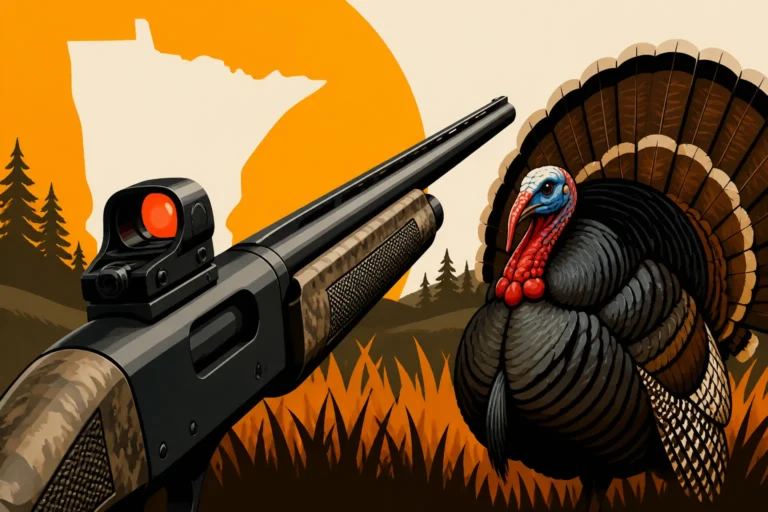
When it comes to spring turkey hunting, your shotgun is your primary instrument for success. It's not just about pulling the trigger; it's about having a system that delivers a dense, consistent pattern where you need it most. Minnesota gobblers are tough birds, and a well-placed shot is essential for a clean, ethical harvest. Taking the time to understand your shotgun and its ammunition is one of the most critical steps you can take in preparation for the season.
Shotgun Gauge and Action Choices
The 12-gauge shotgun has long been the undisputed king of the turkey woods, and for good reason. It offers the widest array of ammunition choices and the most robust patterns for anchoring a tom. However, the 20-gauge has seen a massive resurgence in popularity, especially with advancements in dense, heavy-hitting loads. Many hunters now prefer the lighter weight and reduced recoil of a 20-gauge, particularly for longer hikes or for youth hunters. A 20-gauge, when properly choked and loaded, is perfectly capable of killing a turkey at ethical ranges.
When considering action types, you have a few main contenders. Pump-action shotguns are rugged, reliable, and generally more affordable, making them a fantastic choice for many hunters. Semi-automatics offer reduced recoil and quick follow-up shots, though they can be a bit more finicky with different loads and require more meticulous cleaning. Single-shot shotguns are the ultimate in simplicity and lightness, forcing you to make that first shot count, which is a great discipline for turkey hunting. The specific action matters less than your comfort and proficiency with the gun. What's most important is that you can confidently and safely operate your chosen firearm in the heat of the moment.
Ultimately, the "best" gauge or action is the one you shoot most accurately and comfortably. There's no sense in lugging a heavy 12-gauge if you flinch every time you pull the trigger, or struggling with a semi-auto that doesn't cycle reliably with your chosen turkey loads. Spend time at the range with your prospective turkey gun. Get to know its quirks and find a setup that inspires confidence. That confidence will be your greatest asset when that big tom steps into range.
Chokes and Patterning for Spring Gobblers
This is arguably the most crucial aspect of your shotgun setup: the choke and patterning. A "turkey choke" is an extra-full constriction designed to deliver the tightest pattern possible, putting the maximum number of pellets into a gobbler's head and neck. This is where you need to do your homework and hit the range. Don't just screw in a choke and assume it will perform perfectly with any given load. Every shotgun, choke, and ammunition combination is a unique system, and they all behave differently.
You need to pattern your shotgun at various distances, typically 20, 30, and 40 yards, to determine its effective range with your chosen ammunition. Set up large paper targets with a turkey head outlined on them and shoot multiple rounds. You're looking for a dense, even distribution of pellets within that head and neck area. A good pattern will have enough pellets to ethically harvest a bird, usually around 100 pellets in a 10-inch circle, within your maximum effective range. This testing is often tedious and can get expensive, but it's absolutely non-negotiable for responsible turkey hunting. Without proper patterning, you're just guessing, and that's not fair to the bird or to yourself. For more insights on this critical step, refer to Patterning a Turkey Gun at 40 Yards.
Don't be afraid to try different chokes or different ammunition brands and shot sizes. Sometimes a specific choke from one manufacturer will perform dramatically better with a particular brand of shell than another. This experimentation is part of the process of building a reliable turkey hunting system. You might find that a custom choke tube designed specifically for turkey hunting makes a noticeable difference compared to a factory-provided extra-full. The goal is consistency and density; once you find a combination that delivers, stick with it.
Ammunition Selection for Maximum Effectiveness
Once you've settled on your gauge and chosen a choke, it's time to pick your ammunition. Modern turkey loads are a far cry from standard birdshot; they are specifically designed to deliver maximum energy and penetration to bring down a tough gobbler. This usually means heavier payloads of larger shot sizes, often using specialized materials like tungsten-based alloys or nickel-plated lead, which retain energy better and create denser patterns than traditional lead shot.
Shot sizes commonly used for turkeys range from #4 to #7, with many hunters favoring #5 or #6 for a good balance of pellet count and penetration. However, with the advent of super-dense materials like TSS (Tungsten Super Shot), smaller shot sizes like #7 or even #9 can be incredibly effective, carrying more energy and providing a higher pellet count than larger lead shot. This allows hunters using 20-gauges or even smaller sub-gauges to achieve patterns comparable to, or even better than, traditional 12-gauge lead loads. The downside is that these advanced loads often come with a significantly higher price tag.
When selecting ammunition, always check local regulations regarding minimum shot sizes or materials if any apply. After that, it truly comes down to what patterns best in your specific shotgun and choke combination. Don't cheap out on turkey loads. A few extra dollars spent on premium ammunition that consistently patterns well is a small price to pay for a clean harvest and the satisfaction of knowing you've done everything in your power to be effective in the field. Test different options, pay attention to recoil, and prioritize pattern density above all else.
Turkey Calls: Luring in Those Gobblers
Turkey hunting is often described as a chess match, and your calls are your primary means of communication. A well-executed call can bring a wary tom strutting into range, while a poorly timed or unnatural sound can send him packing. Mastering a variety of calls is key to success in the Minnesota spring woods, allowing you to adapt to different scenarios and the mood of the birds.
Friction Calls Slate and Glass
Friction calls, specifically slate and glass calls (also known as pot calls), are among the most popular and versatile tools in a turkey hunter's arsenal. They consist of a circular pot with a striking surface (slate, glass, or even aluminum) and a striker made of wood or synthetic material. By dragging or tapping the striker across the surface, you can produce a wide range of turkey sounds: yelps, clucks, purrs, and cutts.
The beauty of friction calls lies in their realism and the control they offer. A skilled caller can achieve nuanced inflections that are incredibly seductive to a gobbler. Slate calls tend to produce softer, raspier sounds, ideal for close-in calling or when birds are henned up. Glass calls, on the other hand, typically produce higher-pitched, sharper sounds that carry farther, making them excellent for locating distant birds or calling aggressively. Learning to use both can give you a significant advantage, allowing you to vary your pitch and tone to imitate different hens. Practice, practice, practice is the mantra here; develop a consistent rhythm and control before you hit the woods.
The conditions can affect friction calls. Wet weather can sometimes dampen the sound of a slate call, though many hunters carry conditioning pads or sandpaper to rough up the surface and striker as needed. Glass calls are generally more weatherproof. Consider carrying a couple of different strikers made from various materials (e.g., wood, carbon, or synthetic) as they will all produce slightly different tones on the same pot call. This versatility allows you to fine-tune your calling to the specific situation and the birds you're encountering.
Mouth Calls for Hands-Free Calling
Mouth calls, or diaphragm calls, are arguably the most challenging turkey calls to master, but they offer an unparalleled advantage: hands-free operation. This is critical when a gobbler is in close range, and you need to keep your hands on your gun, ready for the shot. These calls consist of one or more latex reeds stretched over a frame that you hold in your mouth against the roof of your palate. By pushing air over the reeds with your tongue, you create a wide variety of turkey sounds.
The learning curve for mouth calls can be steep, often requiring significant practice to produce consistent, realistic sounds. However, once mastered, you can make every turkey sound imaginable – from soft tree yelps to aggressive cutting and gobbling – all without moving your hands. This means you can keep your shotgun mounted and aimed, ready to take a shot the moment a bird steps into view. This ability to call while simultaneously being prepared to shoot is a game-changer, especially on wary public land birds.
There are many different cuts and numbers of reeds in mouth calls, each producing a slightly different tone and level of raspiness. Some hunters prefer single-reed calls for clear, high-pitched hen yelps, while others opt for triple or quad-reed calls for more raspy, aggressive sounds. Experiment with different styles to find what works best for you and your mouth shape. Keep them clean and dry between hunts to prevent mildew, and always have a few spares on hand, as they can sometimes wear out or get lost. Being able to effortlessly switch between calls without any visible movement can be the difference between a missed opportunity and a successful harvest. For excellent choices, check out Turkey Calls Worth Carrying in Minnesota.
Locator Calls for Pinpointing Birds
Before you can call a gobbler in, you often need to find him. That's where locator calls come in. These calls imitate non-turkey sounds that often trigger a shock gobble from a tom, revealing his location. Common locator calls include owl hoots, crow caws, and coyote howls. The key is to use them strategically, especially in the pre-dawn hours when birds are still on the roost, or throughout the day to pinpoint a tom that's gone silent.
An owl hooter, for example, is fantastic for getting a gobbler to sound off right before fly down. You can stand at the edge of a woodlot, let out a series of realistic owl hoots, and often a tom will give away his position with a thunderous gobble. Just remember to be set up and ready, because sometimes they're much closer than you think! Crow calls are also highly effective, particularly later in the morning or throughout the day. A sharp, aggressive crow caw can often elicit a response from a tom that's been quiet to other hen calls.
Coyote howlers can also be effective, especially if you want to sound like a threat, sometimes pushing a gobbler to respond defensively. The trick with all locator calls is to use them sparingly and authentically. Over-calling or making unnatural sounds can alert birds to your presence. Remember, these aren't meant to attract the bird to you, but simply to get him to gobble. Once you've located a tom, you can then switch to hen calls to try and pull him into range. For specific tactics on using these effectively, you might find Calling a Minnesota Gobbler Off the Roost very helpful.
| Call Type | Sound Profile | Advantages | Disadvantages | Ideal Situations |
|---|---|---|---|---|
| Slate Call | Soft, raspy, realistic | Excellent control, natural sounds, versatile | Can be affected by moisture, two-handed operation | Close-range, subtle calling, finishing wary birds |
| Glass Call | Sharp, clear, higher pitch, loud | Good volume, weatherproof, versatile | Can be less subtle, two-handed operation | Locating distant birds, aggressive calling |
| Box Call | Raspy, loud, good volume | Easy to learn, loud, distinct rhythm | Requires two hands, can be bulky, less nuanced | Aggressive calling, reaching distant birds |
| Mouth Call | Wide range of sounds, versatile | Hands-free, compact, extremely realistic | Steep learning curve, can be uncomfortable | Any scenario, especially when bird is in close range |
| Owl Hooter | Realistic owl hoots | Great for pre-dawn roost location | Only useful for locating, not attracting | Pre-dawn, early morning to locate roosted birds |
| Crow Call | Sharp, aggressive caws | Excellent for shock gobbling throughout the day | Only useful for locating, not attracting | Mid-morning, field edges, thick cover |
Decoys: Visual Appeal for Aggressive Toms
While calling draws a gobbler's attention and sparks his interest, decoys provide the visual confirmation he's looking for. In the spring, turkeys are highly visual creatures, and seeing another turkey, especially a receptive hen or a rival tom, can often be the final piece of the puzzle that convinces a wary bird to commit. However, using decoys effectively requires understanding their types, placement, and when to use them.
Types of Decoys and Their Placement
Turkey decoys come in various forms, each designed to illicit a specific response from a gobbler. The most common types are hen, jake, and full-strut tom decoys. Hen decoys are the workhorses; a single feeding or breeding hen can be incredibly effective, signaling safety and a potential mate. Multiple hen decoys can create the illusion of a small flock, which can be even more enticing. Jake decoys, which represent a young male turkey, often spark aggression in mature toms looking to assert dominance. A jake decoy often works best when paired with one or two hen decoys, creating a "breeding group" scenario.
Full-strut tom decoys are highly aggressive and are designed to challenge mature gobblers head-on. These can be incredibly effective on dominant birds, but they can also intimidate less aggressive toms. Care must be taken when using them, especially on public land, due to safety concerns from other hunters who might mistake them for a live bird. Always set up your decoys in a way that allows you to shoot safely in the direction of the approaching gobbler, and never set them up so they are between you and the incoming bird.
Placement is critical. Always set your decoys out in an open area where they can be easily seen by an approaching gobbler, typically within ethical shotgun range (20-30 yards from your setup). Position hen decoys to look natural, perhaps feeding or slightly receptive. If using a jake, place him so he's looking towards your position, as if he's reacting to your calling. If using a full-strut tom, put him out where he's highly visible and appears to be challenging any approaching tom. Consider the sun's position too; placing decoys so they are illuminated by the morning sun can make them stand out even more.
Decoy Strategies for Different Scenarios
The best decoy strategy often depends on the specific hunting scenario and the temperament of the birds you're targeting. For quiet, wary birds, especially on heavily pressured public land, a minimalist approach often works best. A single hen decoy, perhaps in a breeding posture, can be enough to draw attention without raising suspicion. Sometimes, no decoy at all is the right call if birds are incredibly shy or if you're trying to sneak close to a roosted bird.
For more aggressive or visible birds, particularly in open fields or clearings, a larger spread can be very effective. A combination of a jake decoy with one or two hens can be a powerful magnet for a dominant gobbler looking to run off a younger rival and claim the hens. If you're confident in your calling and scouting, a full-strut tom decoy can provoke an immediate charge from an alpha bird. Remember, Minnesota turkeys have seen a few springs, so varying your approach based on their behavior is crucial.
Consider the time of day as well. Early in the morning, a simple hen might be all you need to get a gobbler to fly down and come investigate. Later in the day, when toms might be more cautious or henned up, a more enticing spread might be necessary. Some hunters even employ "fanning" or "reaping" tactics, using a real or artificial turkey fan to crawl and ambush birds, but this is a highly aggressive and potentially dangerous technique that requires extreme caution and awareness of your surroundings, especially when hunting with others or on public land. Whatever your strategy, ensure your decoys are realistic and securely anchored so they don't blow over in a gust of wind. To get more specific on how to make your decoys work, check out Turkey Decoys That Work on Pressured Birds.
Comfort and Concealment: The Waiting Game
Turkey hunting often involves long periods of sitting motionless, waiting for that gobbler to commit. Your ability to stay comfortable and completely concealed is paramount, as a single twitch or flash of movement can send a keen-eyed tom running for cover. Investing in the right gear to ensure comfort and concealment allows you to remain patient and focused for as long as it takes.
Ground Blinds and Portable Seats
For many spring turkey hunters, especially those who prefer to remain absolutely still and hidden, a ground blind is an indispensable piece of gear. Pop-up ground blinds offer exceptional concealment, breaking up your outline completely and allowing for some movement inside without alerting turkeys. They also provide protection from the elements, which is a huge plus during unpredictable Minnesota spring weather, offering a respite from wind, rain, or intense sun. Setting one up along a field edge, at the corner of a woodlot, or near a known travel corridor can be incredibly effective.
If a full ground blind isn't your style, or if you prefer a more mobile approach, a portable hunting seat or cushion is essential. Sitting directly on the cold, damp ground for hours is a recipe for discomfort and fidgeting. A small, lightweight foam cushion or a folding stool provides insulation and a much-needed reprieve for your backside. Many turkey vests come with an integrated padded seat that folds down, making it easy to deploy when you find the perfect tree to lean against. Remember, stillness is key, and comfort helps facilitate stillness.
When choosing a spot, whether for a blind or just leaning against a tree, always prioritize your backdrop. A wide tree trunk or a dense patch of brush behind you will break up your silhouette much better than sitting in the open. For hunters using ground blinds, consider brushing them in with natural vegetation from the area to help them blend even further into the environment. A well-placed blind or a comfortable seat can extend your hunting time significantly, increasing your odds of encountering a gobbler. For tips on setting up, Setting Up Against a Big Oak is a good read. And for those utilizing specific gear, many popular brands offer excellent portable seats within the Turkey Vests With a Kickstand Seat category.
Face Masks, Gloves, and Other Accessories
Beyond your main camouflage clothing, critical accessories like face masks or paint, and gloves are non-negotiable for complete concealment. A turkey's eyesight is legendary; they can spot the slightest glint of skin or movement from an incredible distance. A full face mask, balaclava, or even quality face paint will cover your exposed skin, ensuring your face doesn't stand out. Similarly, gloves are vital to cover your hands, which are constantly moving as you call, adjust your gun, or simply scratch an itch. Look for thin, stretchy gloves that still allow for good dexterity and trigger feel.
Eyewear is also worth considering. While not strictly a concealment item, polarized sunglasses can reduce glare and help you spot subtle movements of turkeys in the distance. Clear shooting glasses are a must for safety, protecting your eyes from stray pellets or other debris, even if you just stick to clear lenses for low-light conditions.
Don't forget the small but mighty items that enhance your comfort and overall experience. Insect repellent is absolutely vital in Minnesota's spring woods, as ticks and mosquitoes can be relentless. A head net can be a lifesaver on particularly buggy days. Hand warmers, especially on those frigid mornings, can keep your fingers nimble and ready for a precise shot. Having these little things tucked into your vest or pack makes a huge difference in staying in the field longer and more comfortably.
Navigation and Safety: Beyond the Shot
While the thrill of the gobble is often all-consuming, a responsible hunter understands that navigation and safety are just as crucial as calling and shooting. Getting lost or facing an emergency in unfamiliar terrain can quickly turn a memorable hunt into a dangerous ordeal. Always prioritize knowing where you are, where you're going, and how to handle unexpected situations.
Mapping and GPS Tools
Navigating Minnesota's vast public lands, whether it's a State Forest, WMA, or even a smaller public parcel, requires reliable mapping tools. Relying solely on memory or a simple paper map might cut it for familiar spots, but for exploring new territory or tracking a bird far from your entry point, a digital mapping system is invaluable. GPS units, either dedicated handheld devices or robust smartphone apps, allow you to pinpoint your exact location, mark waypoints (like your vehicle, a roost tree, or a gobbler's last known location), and follow trails.
Many hunters swear by mapping apps like GoHunt or similar platforms that provide detailed satellite imagery, topo maps, and crucially, property boundaries. These tools are fantastic for scouting potential hunting areas before the season, understanding terrain features, and avoiding accidental trespass onto private land. When you're actively hunting, they allow you to confidently move through unfamiliar woods, track your progress, and safely navigate back to your vehicle, even in the dark. Always download offline maps before heading out, as cell service can be spotty or non-existent in many remote Minnesota hunting areas.
Beyond just finding your way, these tools can greatly enhance your hunting strategy. You can mark areas where you've heard gobblers, locate likely roosting spots, or identify natural funnels and pinch points that turkeys might use. This information, combined with your on-the-ground observations, helps build a more complete picture of turkey behavior in your specific hunting area. Always carry a backup power bank for your phone or extra batteries for your GPS, because a dead battery can quickly turn a useful tool into a useless brick.
First Aid and Emergency Supplies
Even on the shortest hunt, unforeseen circumstances can arise. A simple fall, a run-in with stinging nettles, or a more serious injury can happen anywhere. Carrying a basic first aid kit is not just good practice; it's a responsibility. This kit should include items like bandages, antiseptic wipes, pain relievers, mole skin for blisters, and any personal medications you might need. Being able to treat minor injuries immediately can prevent them from becoming major problems later.
Beyond first aid, consider other emergency supplies. A whistle is a small, lightweight item that can be invaluable for signaling for help if you get lost or injured. A small fire starter (waterproof matches, lighter, or ferro rod) can provide warmth and a signal if you unexpectedly have to spend a night out. A headlamp or small flashlight is absolutely essential for navigating in the dark, whether you're heading out before dawn or tracking a bird after sunset. Even if you think you'll be back before dark, delays happen, and trying to navigate a dark woods without light is a recipe for disaster.
Communication is also key. While cell service can be unreliable, carrying a fully charged cell phone is still important for emergencies where service might be available. Some hunters venturing into truly remote areas might consider a satellite messenger device for two-way communication or SOS capabilities when out of cell range. Always inform someone of your hunting plans, including your general location and expected return time. This "hunt plan" is a simple but incredibly effective safety measure, ensuring someone knows to look for you if you don't check in.
Packing Essentials: The Small Things That Matter
Turkey hunting is all about attention to detail, and that extends to the small, often overlooked items that can make or break a hunt. Having the right tools and provisions packed thoughtfully can prevent frustration and allow you to stay in the field longer, more comfortably, and more effectively.
Knives, Headlamps, and Multi-tools
A sharp, reliable knife is an essential tool for any hunter. From cutting decoy strings and opening ammunition boxes to field dressing a harvested bird, its uses are endless. Choose a fixed-blade knife with a comfortable grip and a blade material that holds an edge well. A small sharpener or strop is also a good idea to keep your blade in top condition throughout the season. Remember, a dull knife is more dangerous than a sharp one.
As mentioned in the safety section, a headlamp is absolutely crucial. You'll be walking in and out of the woods in low-light or complete darkness, and a hands-free light source is invaluable. Look for a headlamp with multiple brightness settings and, ideally, a red light option to preserve your night vision and reduce disturbance to wildlife. Battery life is also important, so carry spare batteries or ensure it's fully charged.
A good multi-tool can solve a myriad of small problems in the field. From tightening loose screws on a decoy stake to cutting wire or opening a stubborn package, the versatility of a multi-tool makes it a worthwhile addition to your pack. It's often lighter and more compact than carrying individual tools, making it perfect for streamlining your gear. Every item in your pack should serve a purpose, and a multi-tool often serves several.
Water, Snacks, and Bug Protection
You can't hunt effectively if you're dehydrated or running on empty. Carrying enough water is non-negotiable, especially on warmer spring days or if you're doing a lot of hiking. A hydration bladder in your vest or pack is a convenient way to carry a good volume of water, allowing you to drink hands-free. Alternatively, a couple of water bottles will suffice. Err on the side of carrying too much rather than too little.
Energy-rich snacks are also vital for maintaining focus and energy throughout a long morning or full day of hunting. Think about items that are easy to eat quietly, won't spoil, and provide sustained energy: granola bars, trail mix, jerky, or fruit snacks. Avoid noisy wrappers or crinkly bags that could alert a nearby gobbler. A growling stomach is a distraction you don't need when a tom is strutting in.
Finally, bug protection in Minnesota is a non-negotiable. Spring can bring out swarms of mosquitoes, ticks, and gnats, especially in low-lying or wooded areas. Carry a good quality insect repellent containing DEET or picaridin, and apply it liberally to exposed skin and clothing. Additionally, pre-treating your hunting clothes with permethrin can offer excellent protection against ticks, which are abundant in Minnesota and can carry diseases. A head net, as mentioned before, can provide critical relief on particularly buggy days, allowing you to stay still and focused without constant swatting. Being comfortable from bugs is a small thing that makes a huge difference.
Disclaimer
This article is for general informational purposes only and does not constitute professional advice. Laws, prices and regulations vary by location and change over time. Consult a qualified professional for guidance on your specific situation.