George Washington State Forest Hunting
There’s nothing quite like the allure of Minnesota’s vast state forests, offering a true Northwoods experience, but let’s be honest, the sheer scale of these places can feel incredibly daunting if you’re trying to find a prime hunting spot. You pull up a map, see thousands of acres, and the question immediately hits you: where do you even start? This guide is here to help you peel back the layers of George Washington State Forest, pinpointing its unique character and arming you with the knowledge to approach its extensive acreage with confidence for your next hunt.
Navigating the Vastness of George Washington State Forest
George Washington State Forest, nestled in Itasca County, is a prime example of Minnesota's deep woods hunting opportunities, yet it presents its own set of challenges. It's not just a block of trees; it's a dynamic ecosystem that demands careful consideration from any hunter hoping to succeed.
Understanding the Landscape and Topography
When you first look at a map of George Washington State Forest, you’ll notice a mosaic of terrain. We're talking about a classic mix of uplands and lowlands, often abruptly transitioning from one to the other. You’ll find towering red and white pines, dense stands of spruce and balsam fir, intermingled with younger aspen and birch cuts. These conifer thickets can be incredibly dense, creating nearly impenetrable cover that deer and other wildlife absolutely love. Navigating these areas on foot can be a workout, not to mention a lesson in patience when you’re trying to move quietly.
The topography often features subtle rises and dips, shallow drainages, and numerous small wetlands and bogs. While there aren't massive mountain ranges, these slight elevation changes and wet areas create natural funnels and pinch points that are goldmines for deer movement. Understanding how water flows and where deer might seek refuge from hunting pressure is paramount. Many hunters get overwhelmed by the "sameness" of the big woods, but if you look closely, especially on a detailed topo map, you'll start to see the subtle veins of the landscape that animals follow. This varied terrain means your hunting strategy can’t be one-size-fits-all; you need to adapt to what the forest gives you.
Access Points and Internal Road Systems
Access into George Washington State Forest is primarily via a network of state forest roads, county roads, and an intricate web of logging trails. The main arteries, like County Road 57 (which cuts through the southern portion) or various State Forest Roads, are generally maintained and provide decent access. However, getting off the beaten path is where the real opportunities often lie. You'll find countless two-track logging trails, some of which are seasonal, others that might be overgrown or impassable depending on recent logging activity or weather conditions. It’s not uncommon to find a promising trail that quickly turns into a muddy rutted mess or simply dead-ends unexpectedly.
It’s crucial to distinguish between roads that are open to vehicle traffic and those that are strictly for foot or ATV use (and then only when ATVs are permitted, which isn't always the case). For example, many old logging roads have been gated or decommissioned for vehicle use but make fantastic walking trails. During the winter, some of these same trails transform into snowmobile routes, which can sometimes provide an easier, albeit shared, path for late-season hunting access. Always double-check current regulations for vehicle use, as these can change. Having a reliable map that clearly delineates these access points is a non-negotiable part of your prep.
Using Maps and Technology to Your Advantage
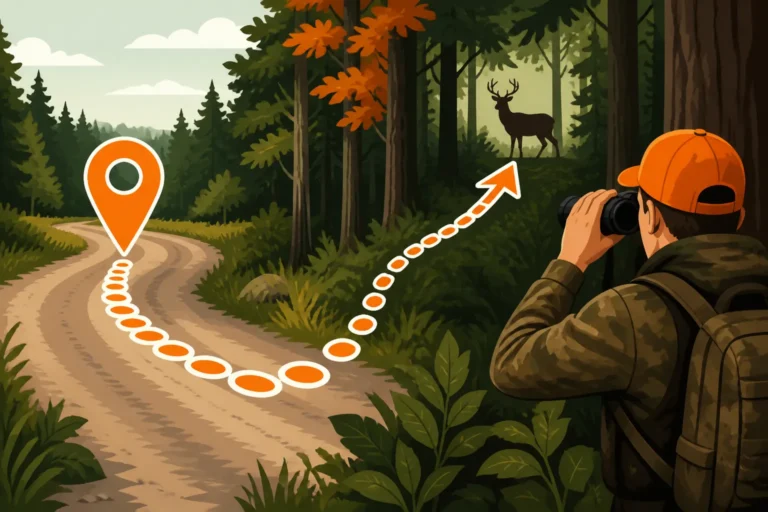
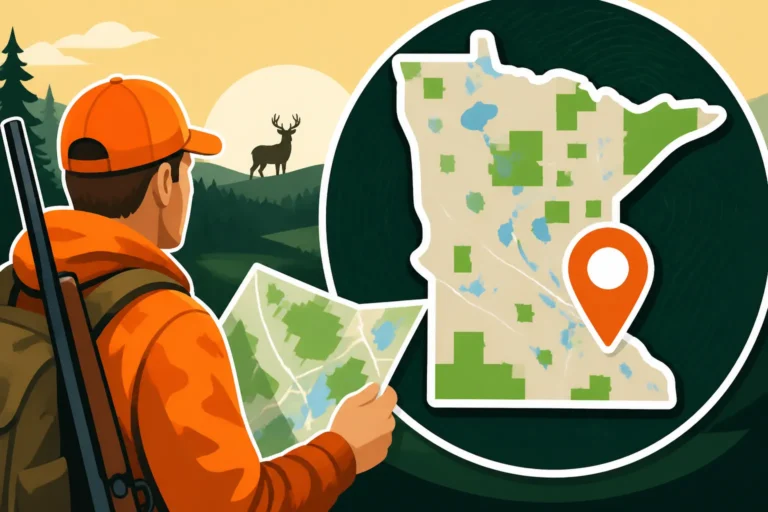
In a forest as expansive and nuanced as George Washington, getting lost or disoriented is a genuine concern, especially if you’re pushing deep into thick cover. Relying solely on a compass and paper map is a time-honored tradition, and I still recommend carrying them, but modern technology can be a game-changer. Digital mapping apps like onX Hunt are incredibly useful. They allow you to overlay private and public land boundaries, clearly showing you where the state forest begins and ends, which is crucial when hunting close to private parcels. These apps also display topographic lines, timber type maps, and often, even unmaintained trails that might not appear on standard paper maps.
Before you head out, make sure to download offline maps to your phone. Cell service in many parts of George Washington State Forest is notoriously unreliable, and you don't want to be caught without navigation when you're miles from the nearest road. A dedicated GPS unit can also serve as a reliable backup, especially if you prefer not to drain your phone battery. Mark your truck, your stand locations, and any promising sign you find. This digital breadcrumb trail can be invaluable for navigating out in the dark or returning to a hot spot later. Remember, information is power in the big woods, and these tools give you a massive advantage in understanding your surroundings. For more on navigating without cell service, check out Using Recreation Compass Without Cell Service.
Hunting Opportunities and Species in George Washington State Forest
George Washington State Forest offers a diverse range of hunting opportunities, primarily focused on deer, grouse, and woodcock, with some possibilities for other small game and predators. Each species requires a slightly different approach, but the common thread is understanding their habitat preferences within this specific forest environment.
Whitetail Deer Strategies
Hunting whitetails in the big woods of George Washington State Forest is a vastly different experience than hunting farmland edges. Here, deer densities might not be as high as in some agricultural areas, but the bucks often grow older and wiser, becoming true phantoms in the dense cover. Success hinges on finding food, cover, and understanding how deer use the terrain to move. Look for areas with a mix of regenerating aspen and birch, as these young forests provide crucial browse. Mature oak stands can be deer magnets during an acorn drop, but keep in mind that acorn crops vary year to year, so always scout for current conditions.
Conifer swamps and dense spruce thickets offer thermal cover in winter and security cover year-round. These are often where big bucks will bed down, making them great places to focus your efforts. Where Big Woods Bucks Bed in Minnesota provides more insights into this. Rather than glassing wide-open fields, you’ll be focusing on subtle movements, tracks, and rubs along transition zones. Still-hunting, moving slowly and deliberately through the woods, pausing frequently to observe, can be incredibly effective here. You might not see dozens of deer, but when you do, it often means you've found a good spot. Grunt calls and rattling can be effective during the rut, but often at a lower volume given the thick cover. For tactics that work well in this environment, consider Still-Hunting Minnesota Big Woods.
Ruffed Grouse and Woodcock Hunting
George Washington State Forest is a fantastic destination for upland bird hunters, particularly those targeting ruffed grouse and woodcock. The varied timber management within the forest creates a mosaic of habitat stages, with young aspen cuts being the primary draw for ruffed grouse. Look for areas that have been logged within the last 5 to 20 years; these provide the dense understory and tender shoots that grouse feed on and use for cover. When you find one good aspen cut, often you’ll find another nearby. Early season hunts can be done along logging roads, but as the season progresses and leaves fall, you'll want to get into the thicker cover where birds hold tight.
Woodcock, often found in the same areas as grouse, prefer wetter, softer ground near alder runs or willow thickets. Their migration typically peaks in mid to late October in northern Minnesota, so timing your hunt can be key for these birds. If you're walking an aspen cut that has a small creek or damp depression running through it, you're in prime woodcock habitat. Keep an eye out for their distinctive probing holes in the soft earth. For detailed strategies on specific habitat types, refer to Grouse Hunting Minnesota Aspen Cover and Woodcock Hunting Minnesota Alder Runs. A good pointing dog can be invaluable for both species, but walking them up is a rewarding challenge as well.
Other Small Game and Predators
Beyond deer and upland birds, George Washington State Forest also offers opportunities for other small game and predators. Snowshoe hares are abundant in the dense conifer stands, especially around spruce and fir thickets. They make for fun, fast-paced hunting, especially after the first snow when their white coats blend in perfectly with the winter landscape. Squirrels, both gray and fox, can be found in the hardwood portions of the forest, particularly where oak and hickory trees provide a food source. Hunting squirrels in Minnesota hardwoods, often by listening for cutting acorns or seeing movement in the canopy, is a classic fall pastime. Rabbit and Hare Hunting in Minnesota can offer more tips.
For those interested in predator hunting, coyotes roam throughout the forest. Their keen senses and ability to blend into the landscape make them a challenging quarry. Calling is often the most effective method, especially during the winter months when they are actively hunting for food. While not as common, bobcats are also present and can be pursued by trappers or dedicated hunters. Always be aware of your surroundings and any other potential species that might present themselves; the big woods are full of surprises.
Practical Tips for a Successful Hunt
Hunting in George Washington State Forest is a true test of preparedness and skill. The vastness of the area, combined with the often challenging terrain and weather, means that thoughtful planning and execution are paramount for a successful and safe outing.
Scouting and Preparation
Effective scouting is the bedrock of a successful hunt in the big woods. While you might not be able to physically walk every acre, utilizing aerial photos and topo maps in the off-season can help you identify potential pinch points, bedding areas, and food sources. Look for subtle terrain features like ridges, saddles, and creek bottoms that might funnel deer movement. Identify different timber types; a fresh clear-cut surrounded by mature timber is often a great place to start looking for deer sign. Many hunters also find success by focusing on older timber cuts that are now regenerating, providing excellent browse and cover. Scouting Minnesota Public Land Before Season offers valuable perspectives on this.
Beyond digital scouting, put boots on the ground when you can, well before the season opens. Walk those logging trails, look for old rub lines, scrapes, and established game trails. Pay attention to what browse is available and if it's being hit by deer. Understanding where deer have been active gives you a significant advantage when the season opens. Physical fitness is also a major component; deep woods hunting means a lot of walking, often through tough terrain, and potentially dragging out a deer from a remote location. Don’t underestimate the physical demands.
Stand Placement and Ground Tactics
Deciding between a treestand or ground blind in George Washington State Forest depends largely on the specific spot and your hunting style. Treestands can give you a height advantage, allowing you to see over some of the underbrush that clutters the forest floor. They can also help with scent control, getting your scent up and away from a deer’s primary line of detection. When setting up a treestand on public land, remember to abide by all regulations regarding leaving stands overnight or for extended periods. Climbing sticks and mobile stands are often preferred by public land hunters who want to move with the deer. For more on optimizing elevated positions, check out Treestand Setups in Minnesota Hardwoods.
However, the dense cover in many parts of George Washington State Forest can make finding a suitable tree for a stand challenging, and visibility can still be limited. This is where ground tactics shine. Using natural cover, a small ground blind (either pop-up or brushed-in with natural materials), or even just finding a good blowdown to sit against can be incredibly effective. The key is to blend in completely and control your scent as much as possible. Movement is a deer’s biggest detector, so minimize it. Ground blinds are particularly useful in thicker areas or along field edges if you find any clearings, as discussed in Using a Ground Blind on Minnesota Public Land.
Safety and Cold Weather Considerations
Hunting in northern Minnesota, especially in late fall or early winter, means preparing for rapidly changing and often harsh weather conditions. Hypothermia is a real risk. Layering is not just a suggestion; it’s a necessity. Start with a moisture-wicking base layer, add insulating layers like fleece or wool (wool is particularly good at retaining warmth even when wet), and finish with a waterproof and windproof outer shell. Bring extra layers in your pack, even if the forecast looks mild, because conditions can shift dramatically. Pay special attention to your extremities: warm hat, gloves or mittens, and insulated, waterproof boots are critical. A good pair of rubber boots is essential for navigating the numerous wet areas and sloughs.
Beyond clothing, always carry essential safety gear: a fully charged cell phone (with offline maps downloaded), a compass, a whistle, a headlamp, fire-starting materials, a basic first-aid kit, and enough water and high-energy snacks for longer than you anticipate being out. Tell someone exactly where you’re going and when you expect to return. The vastness and remoteness of George Washington State Forest mean that help might be a long time coming if something goes wrong. Being prepared for cold-weather sitting, as discussed in Cold-Weather Sitting Strategy in Minnesota, can make or break your hunt, ensuring you stay comfortable and safe.
Here's a quick overview of what George Washington State Forest offers:
| Feature/Opportunity | Description |
|---|---|
| Location | Primarily Itasca County, Northern Minnesota. |
| Primary Game Species | White-tailed Deer, Ruffed Grouse, Woodcock. |
| Secondary Game Species | Snowshoe Hare, Squirrels, Coyote, Bobcat (check seasons/regulations). |
| Terrain | Mixed forest: uplands (pine, aspen, birch) and lowlands (spruce, fir, cedar swamps, bogs). Subtle elevation changes, varied cover. |
| Access | Network of state forest roads, county roads, logging trails (some seasonal/unmaintained). ATV use restricted to designated trails. |
| Scouting Tips | Utilize digital mapping (onX Hunt), aerial photos for clear-cuts, terrain features. Focus on transition zones, cover, and food sources. Boots-on-the-ground recon essential. |
| Best Hunting Methods | Still-hunting, stand hunting (treestands, ground blinds), walking old logging roads for grouse/woodcock. |
| Key Challenges | Dense cover, limited visibility, navigation in vastness, unreliable cell service, variable weather conditions. |
| Recommended Gear | GPS/phone with offline maps (onX Hunt), compass, quality layered clothing (wool/synthetics), waterproof boots, communication device, safety kit. |
Hunting in George Washington State Forest is an experience unlike any other. It’s a place where the prepared hunter can truly test their skills against a challenging, yet incredibly rewarding landscape. Don't be discouraged by its size or density. With proper planning, keen observation, and the right tools, you'll uncover the secrets of this wild Minnesota gem. Respect the land, stay safe, and enjoy the profound satisfaction of a hunt earned in one of Minnesota's great forests.
Disclaimer
This article is for general informational purposes only and does not constitute professional advice. Laws, prices and regulations vary by location and change over time. Consult a qualified professional for guidance on your specific situation.