Treestand Rules on Minnesota Public Land
Many hunters feel a knot of anxiety when it comes to placing treestands on Minnesota's vast public lands. The rules can feel like a tangled thicket, and nobody wants to inadvertently break regulations or create issues for other hunters. This guide is here to untangle that confusion, laying out the precise treestand rules for public hunting areas across our beautiful state, ensuring you can hunt safely, legally, and ethically while still finding that perfect setup.
Understanding the Basics of Treestand Regulations on Minnesota Public Land
Navigating public land for deer hunting means understanding a specific set of rules, and treestands are a major part of that equation. Unlike private land, where you can often leave a stand up year-round, public land has strict guidelines to ensure fair access and minimize environmental impact. Getting these basics down is your first step to a stress-free hunt.
The 'No Permanent Stands' Rule and Its Implications
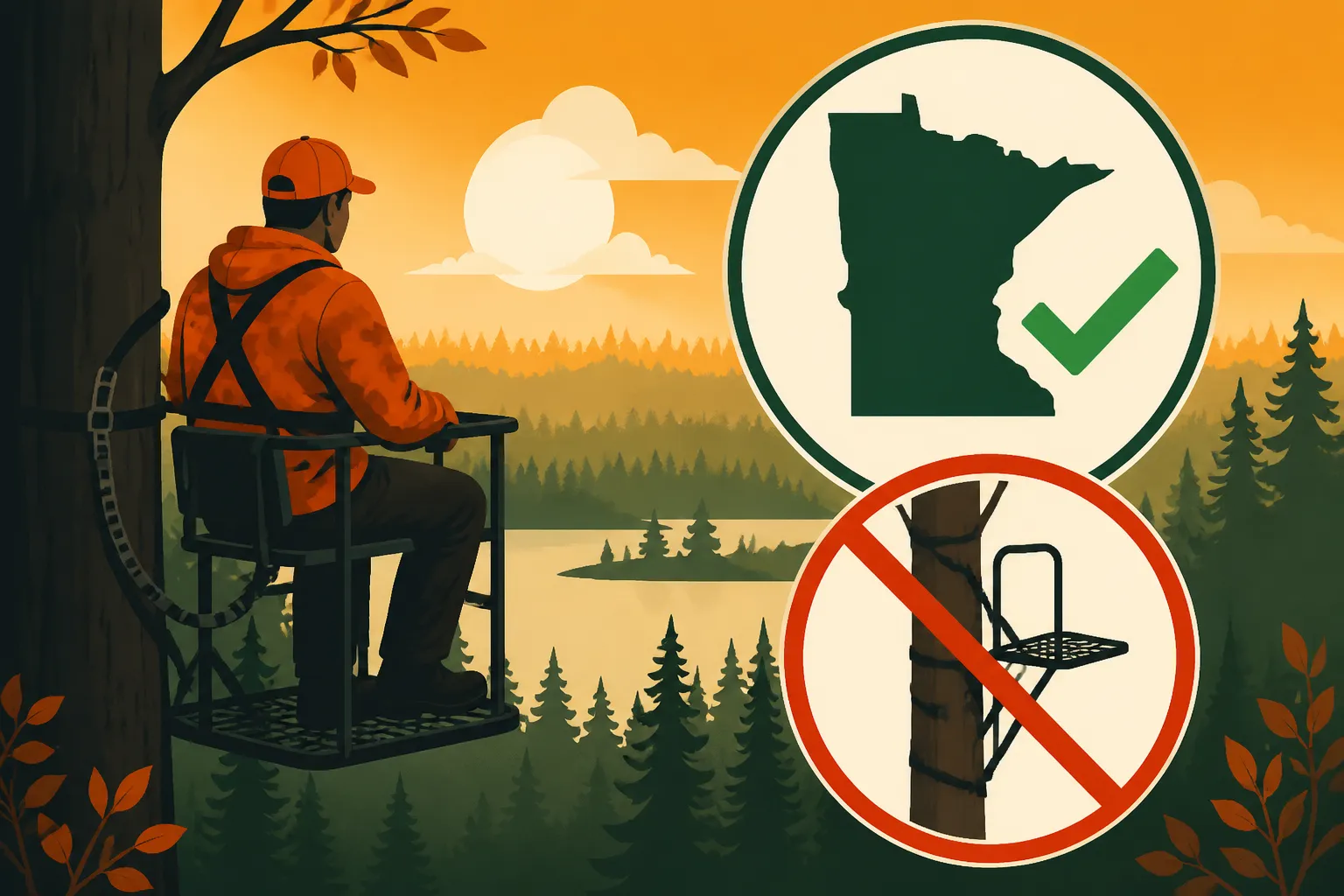
Let's face it, many of us dream of leaving a stand out all season, or even year-round, especially if we've found that perfect pinch point or oak ridge that consistently holds deer. However, Minnesota's public land rules are crystal clear on this point: permanent stands are strictly prohibited. This means anything that is nailed, screwed, or bolted into a tree in a way that damages it permanently. This rule isn't just about preserving the health of our precious timber; it's also about fairness and preventing individuals from claiming "their spot" indefinitely. Imagine every hunter leaving their equipment in place – public lands would quickly become cluttered with old, decaying stands, creating not only an eyesore but also potential safety hazards for other users.
This regulation ensures that public lands remain accessible and viable for all hunters, discouraging the idea of "owning" a piece of public ground. Even something as seemingly innocent as screw-in steps, which might seem convenient for quick access, is generally considered a permanent attachment and can damage the tree over time by exposing it to disease and insect infestation. The goal is to ensure that the trees themselves, which are a critical part of the ecosystem and the hunting experience, are not harmed by our activities.
So, what does this mean for your hunting strategy? It means you need to be prepared to pack your stand in and out with each hunt, or at least be ready to remove it by the designated deadlines. For bowhunters making frequent trips during the early season, this can be a real workout, especially if you're hiking deep into the woods to a remote location. For firearm season, when many hunters set up for just a few days, it might seem less daunting. The key is to select stands and climbing systems that are designed for portability and easy setup and takedown. This might mean investing in lightweight models or systems that can be put up quickly and quietly in the dark.
Temporary Stands, Removal Deadlines, and Marking Requirements
While permanent stands are out, temporary stands are definitely in! This category includes most modern hang-on stands, ladder stands, and even climbing stands, as long as they don't involve destructive attachment methods like nails or large lag bolts. The critical distinction for these temporary setups is that they must be removed by a specific date, typically shortly after the last deer season closes. This deadline is absolutely crucial and often overlooked by hunters, sometimes with costly consequences.
For many areas across Minnesota, the deadline for treestand removal is around the end of December or early January, directly tying into the close of the statewide archery and muzzleloader seasons. For instance, if you're out Muzzleloader Deer Hunting in Minnesota in December, you need to be thinking about taking your stand down soon after your hunt concludes. Failure to remove your stand by this deadline can result in it being confiscated by the DNR, and potentially lead to a citation or fine. Imagine all your hard work scouting, finding the perfect spot, and then losing your valuable gear because you missed a removal date! Always double-check the current Minnesota DNR regulations for the specific year you're hunting to confirm these dates, as they can sometimes shift slightly based on the calendar or other factors.
Beyond the critical removal deadline, some public land types require your stand to be clearly marked with your name and address or your DNR license number. This isn't just a suggestion; it's a rule designed for accountability and to help conservation officers identify equipment. If a conservation officer finds an unmarked stand after the removal deadline, they have no way of knowing who owns it, making confiscation much more straightforward. If you're using a stand that requires marking, always use durable, waterproof tags for this purpose. These can be simple laminated tags or even engraved metal plates. It’s a small detail that can save you a big headache and ensure your stand is returned if it's ever mistakenly picked up or needs to be identified.
Navigating Specific Public Land Designations
Minnesota is fortunate to have a vast and varied landscape of public hunting lands. However, this patchwork of designations means that while general rules apply, some specific types of public property have their own nuances regarding treestands. Understanding these differences is key to staying legal and making the most of your hunting experience.
Wildlife Management Areas (WMAs) and State Forests
Wildlife Management Areas (WMAs) are explicitly managed for wildlife habitat and public hunting, fishing, and trapping. These are often some of the best places to find robust deer populations and typically see less general recreational pressure compared to state parks. How Many Wildlife Management Areas Minnesota Has can give you an idea of the sheer scale of these opportunities. In WMAs, the rules for temporary treestands are usually quite consistent: no permanent attachment, and strict removal deadlines. The marking requirement for your stand, with your name and address or DNR license number, is also rigorously enforced here. These areas are actively managed, and conservation officers frequently patrol them to ensure compliance.
Minnesota's State Forests, like the iconic George Washington State Forest or the sprawling Savanna State Forest, are vast and offer incredible hunting opportunities, especially in the northern parts of the state. Minnesota State Forest Hunting provides a lot of good information on accessing these areas. The treestand rules in State Forests generally mirror those for WMAs – temporary stands are perfectly acceptable, but they must be removed after the season, and any method that damages trees, such as nailing or bolting, is strictly forbidden. The sheer size of many State Forests means you might find less competition for specific stand locations if you're willing to hike How Far to Walk From a Forest Road, but the underlying regulations remain consistent across these state-managed properties.
One common question I often get isn't about treestands specifically, but about ground blinds. While not technically treestands, the spirit of the rules often applies. Ground blinds on WMAs and State Forests generally also need to be temporary and must be removed after the season closes. Leaving a pop-up blind out for months on end is essentially staking a claim, which directly goes against the principle of equitable use of public land. If you use a ground blind, always collapse and remove it, especially if it's left unattended for more than a day or two. This practice ensures that the spot remains open for others and prevents your gear from becoming weather-worn or an obstruction.
National Forests (Superior and Chippewa) and Other Federal Lands
Our magnificent National Forests, such as the Superior National Forest and the Chippewa National Forest, operate under federal regulations, but generally align with state rules regarding temporary treestands. The core principle remains: absolutely no permanent damage to trees, and all hunting equipment, including treestands, must be removed after the hunting season. While the spirit of the law is similar, the exact dates for removal or specific marking requirements might vary slightly from statewide deadlines, so it's always wise to check the specific forest's regulations or contact a local ranger district office before you hunt.
These vast federal lands often present unique challenges and incredible opportunities. You might find yourself deep into truly remote areas, several miles from the nearest road or even trail. Carrying a stand in and out of the Boundary Waters Canoe Area Wilderness (BWCAW), for instance, requires serious planning, lightweight gear, and a commitment to portaging. Hunting the Boundary Waters Canoe Area offers valuable insights into this unique experience. The general "leave no trace" ethos of federal wilderness areas means being extra diligent about removing everything you bring in, down to small items like flagging tape or food wrappers.
Furthermore, some federal lands, such as certain National Wildlife Refuges, might have even stricter rules or limited hunting access. For example, some refuges may prohibit treestands entirely, or only allow certain types (like climbers or hang-ons) but forbid ladder stands. It is absolutely imperative to consult the specific refuge's regulations before you even begin scouting or planning your hunt. Never assume that general state public land rules apply universally to all federal properties; always verify the specific rules for the area you intend to hunt. Information is usually available on the refuge's website or by contacting their visitor center.
Ethical Considerations and Best Practices
Beyond the letter of the law, there are unwritten rules of respect, courtesy, and ethics that every hunter should adhere to when using treestands on public land. These practices not only make the woods a better place for everyone but also reflect positively on the hunting community as a whole.
Respecting Other Hunters and Their Space
This is a big one, especially on popular public hunting grounds. We've all been there: finding what you think is a perfect, secluded spot, only to discover another hunter has set up 100 yards away, or worse, found your meticulously scouted location. While there are generally no legal minimum distances for treestands on public land (unless you're too close to a road, trail, or dwelling, violating a safety zone), common courtesy and respect for fellow hunters go a long way. If you stumble upon another hunter's stand or clear signs of recent hunting activity, like fresh tracks or a well-worn path to a setup, consider moving on. There's usually plenty of woods to go around, especially if you're willing to put in the effort to find less pressured spots, as discussed in Hunting Pressure on Minnesota Public Land.
Using advanced mapping tools like onX Hunt or GoHunt can really help here. They allow you to mark your stand locations and also clearly see property lines, which helps avoid any accidental trespass onto private land. These apps also include detailed public land layers, so you know exactly where you are relative to different management areas. onX Layers for Minnesota Land Status is a great resource for understanding how these digital tools work and how they can enhance your awareness in the field. While you can't officially claim a spot on public land, being the "first in" to a remote area often grants you de facto permission to hunt there without crowding. Many serious public land hunters rely on these digital maps from providers like onX Hunt to ensure they're always in the right place and not infringing on regulations or, more importantly, on the space of others.
Part of respecting other hunters also means not tampering with their equipment. Moving someone's trail camera, taking their screw-in steps, or even climbing into their stand (if it's properly marked and within regulations) is not only unethical but could lead to serious conflicts or even legal trouble. Always treat other hunters' gear as you would your own – hands off. A simple note or a friendly conversation, if contact is made, is always preferable to interfering with another hunter's setup. Scouting Minnesota Public Land Before Season is an excellent way to minimize these encounters by finding less-used areas beforehand.
Minimizing Impact and Maintaining Tree Health
Even temporary stands, if not used properly, can cause damage to trees. Straps that are left on trees for too long, especially under tension, can grow into the bark, constricting the tree and leaving permanent scars that can weaken it or make it susceptible to disease. Always use tree-friendly straps – wide nylon straps or ratchet straps with protective sleeves are far better than narrow ropes or chains that dig directly into the bark. Make sure they aren't overtightened. Cables and chains are generally less damaging than nylon straps that dig in, but even they need to be removed promptly after the season to prevent girdling the tree.
When choosing a tree for your stand, always pick one that's healthy and strong enough to safely support your weight, and avoid trees that are too small, show obvious signs of disease, or are already damaged. Think about the long-term health of the forest. The ultimate goal is to leave the land as you found it, or even better, with no discernible impact from your presence. This applies to your entry and exit routes too; try to minimize disturbing bedding areas or food sources that other hunters might be targeting. Carefully consider how your stand choice and installation methods impact the tree. Climbing stands require a relatively straight, limbless trunk, while hang-ons offer more versatility in tree selection. Whatever stand type you choose, ensure it's installed and removed carefully and quietly. Leaving behind broken steps, discarded pull ropes, or other trash is unacceptable and goes against the very core of being a responsible hunter and conservationist. Always pack out everything you pack in, and if you happen to see litter left by others, consider packing that out too.
Safety First: Choosing and Using Your Stand Wisely
While not strictly a "rule" in the legal sense, treestand safety is absolutely paramount. Every single year, hunters are seriously injured, some fatally, from falls out of treestands. This isn't just a concern for your personal well-being; it can lead to extensive search and rescue efforts that tie up valuable public resources. Therefore, always use a full-body harness, and stay attached to the tree or a safety line from the moment your feet leave the ground until they safely return. This means using a lineman's belt during installation and removal, and a lifeline or safety rope system once you're settled into the stand. It’s a small investment in time and money that can save your life.
Inspect your stand regularly, especially if it's been stored for a while or exposed to the elements. Check all straps for wear and tear, and ensure all bolts and connections are tight and secure. Weather exposure can significantly weaken materials over time. If you're using a hand-me-down stand, make sure it meets current safety standards and hasn't been modified in a way that compromises its integrity. And remember, the weight limits on stands are there for a reason – always factor in your body weight, plus your gear, cold-weather clothing, and anything else you're carrying. It's also important to familiarize yourself with Minnesota Hunter Safety Requirements and other general safety guidelines.
Finally, carefully consider your stand location from a safety perspective. Placing a stand over a frozen body of water without knowing the ice thickness, or in a precarious spot where a fall could be catastrophic, is never a good idea. Also, think about game recovery. If you shoot a deer from your stand, how will you safely retrieve it? Do you have an Entry Routes Through a Cattail Slough planned if that's where the animal might run, and can you do so safely? Planning for the aftermath of a successful hunt is just as important as the hunt itself. Remember that Blaze Orange Requirements are in place during firearm seasons for a reason, so dress appropriately to ensure you're visible to other hunters, whether you're in a stand or on the ground.
| Feature | Wildlife Management Areas (WMAs) & State Forests | National Forests (Superior, Chippewa) | General Principle for All Public Lands |
|---|---|---|---|
| Permanent Stands | Prohibited (no nails, screws, bolts damaging tree) | Prohibited | Absolutely no permanent tree damage |
| Temporary Stands | Allowed (hang-ons, ladders, climbers) | Allowed | Must be non-damaging, easily removed |
| Removal Deadline | Typically early Jan (check specific year's regs) | Varies by forest/district (check local regs) | Promptly after hunting season closes |
| Marking Required | Yes (Name/Address or DNR #) | Often required (check local regs) | Recommended for accountability |
| Tree Damage | Prohibited | Prohibited | Avoid all forms of tree damage |
| Ground Blinds | Temporary, must be removed after season | Temporary, must be removed after season | Cannot be left permanently |
| Ethical Use | Respect other hunters, minimize impact | Respect other hunters, minimize impact | Leave no trace, ensure safety |
Disclaimer
This article is for general informational purposes only and does not constitute professional advice. Laws, prices and regulations vary by location and change over time. Consult a qualified professional for guidance on your specific situation.