Minnesota Bonus Antlerless Permit Areas
It can be incredibly confusing to navigate Minnesota's deer regulations, especially when you're trying to figure out which tags you can use where, and when. Many hunters get overwhelmed by the different permit area designations, and often miss opportunities to harvest additional deer. This guide is here to clarify what "bonus antlerless permit areas" are all about, how they work, and how you can take full advantage of them during your hunting season.
Understanding Bonus Antlerless Permit Areas
When you hear "bonus antlerless permit area," it's usually in the context of the Minnesota DNR's efforts to manage deer populations effectively. Unlike regular antlerless permits, which might be tied to a lottery system or specific permit area types, bonus permits allow hunters to harvest an additional antlerless deer beyond their initial bag limit. This isn't just a free-for-all; it's a very specific tool the DNR uses in certain areas for particular reasons.
Think of it this way: your primary deer license usually comes with one tag, which can be used for an antlered deer or, in some designated areas, for an antlerless deer. Then, many areas have "lottery" or "hunter choice" opportunities for additional antlerless tags. But bonus antlerless areas are different. In these specific areas, once you've filled your initial tag, or if you're hunting with a specialty license that only allows antlerless deer, you can purchase and use an unlimited number of bonus antlerless permits, provided you're still hunting in one of these designated areas. This distinction is crucial because it directly impacts how many deer you can legally harvest and where. Hunters often get confused, thinking a bonus tag is just another form of a lottery tag, but the flexibility and availability are vastly different.
The concept behind bonus antlerless permits is tied directly to population management goals. If the DNR determines that a specific permit area has a deer population that is too high, causing ecological damage, crop depredation, or concerns about disease spread, they might designate it as a bonus antlerless area. This encourages hunters to take more does, which are the reproductive drivers of the herd, thereby reducing the overall population more rapidly than standard regulations would allow. It's a pragmatic approach to localized issues, offering hunters a chance to contribute significantly to herd health while extending their time in the field.
Why Bonus Antlerless Permits Are Necessary
The designation of an area as a "bonus antlerless permit area" isn't arbitrary; it's a data-driven decision made by the Minnesota DNR based on several critical factors. These factors often reflect a delicate balance between ecological health, agricultural interests, and maintaining a viable deer herd.
Deer Population Management and Health
One of the primary drivers for implementing bonus antlerless permits is to control deer populations that have grown too large in a particular area. When deer numbers exceed the carrying capacity of the habitat, several problems can arise. Over-browsing can damage forest regeneration, reduce biodiversity, and negatively impact other wildlife species that rely on the same food sources. High deer densities also increase the risk of disease transmission, especially concerning diseases like Chronic Wasting Disease (CWD). In areas where CWD has been detected or is a significant concern, increasing antlerless harvest through bonus permits can be a strategic part of a broader CWD management plan. By reducing the overall number of deer, particularly does, the goal is to limit physical contact between animals and slow the spread of the disease. You can learn more about CWD Management Zones in Minnesota and how these regulations play out in specific areas.
The DNR monitors deer populations through various methods, including aerial surveys, harvest data, and public input. When these indicators suggest an overpopulation, bonus permits become an important tool to bring numbers back into balance. For instance, in an area like some parts of southeastern Minnesota's bluff country, where agricultural fields provide abundant food and pockets of thick cover offer refuge, deer populations can explode. If these areas were just designated as "Lottery" permit areas, the desired reduction might not occur fast enough. Bonus permits cut through some of that red tape, empowering hunters to make a more significant impact. Understanding the Minnesota Deer Population Estimate helps put these management decisions into perspective.
Mitigating Agricultural Damage
Another significant reason for bonus antlerless permits is to address conflicts between deer and agricultural operations. Farmers in certain parts of Minnesota often face substantial crop damage from deer, which can devastate their livelihoods. Deer can decimate cornfields, soybean crops, and even specialty crops like orchards and vegetable farms. The economic impact on rural communities can be severe.
By opening up bonus antlerless opportunities, the DNR provides a direct means for hunters to help mitigate this damage. Encouraging the harvest of more does in these areas directly reduces the number of deer consuming crops and helps prevent future population growth that would exacerbate the problem. It's a win-win: hunters get more opportunities, and farmers get some relief from crop destruction. Many of these bonus areas often overlap with intensive agricultural landscapes, where deer find ample food and cover, leading to higher densities. When you’re hunting in these zones, you’re not just hunting for sport; you’re actively contributing to solving real-world problems for local landowners. When planning your hunts, consider areas with a mix of woodlands and active agriculture, as these are often prime locations for bonus opportunities.
Localized Management and Hunter Opportunity
Beyond broad population control and agricultural damage, bonus antlerless permits also serve a purpose in localized management. Sometimes, deer populations might be healthy overall in a larger region, but specific permit areas within that region could have localized issues that warrant increased harvest. This could be due to specific habitat features, limited predator presence, or even unique social dynamics that lead to higher deer concentrations.
These bonus opportunities also represent a fantastic chance for hunters to extend their season, fill their freezers, and introduce new hunters to the sport without the pressure of needing a coveted antlered tag. For hunters who prioritize venison for their families, these areas are a goldmine. It also allows for more flexible hunting plans. For example, if you fill your primary buck tag in an "Intensive" permit area early in the season, you might still want to spend time hunting in a nearby bonus antlerless zone. This flexibility is a huge draw for many hunters. Even if you're not planning to use the GoHunt app for scouting, tools that help identify these specific permit area boundaries are invaluable.
Finding and Utilizing Bonus Antlerless Permit Areas
Knowing that bonus antlerless permits exist is one thing; actually finding these areas and understanding how to use the permits is another. It requires a bit of homework and a clear understanding of the regulations.
Identifying Designated Areas
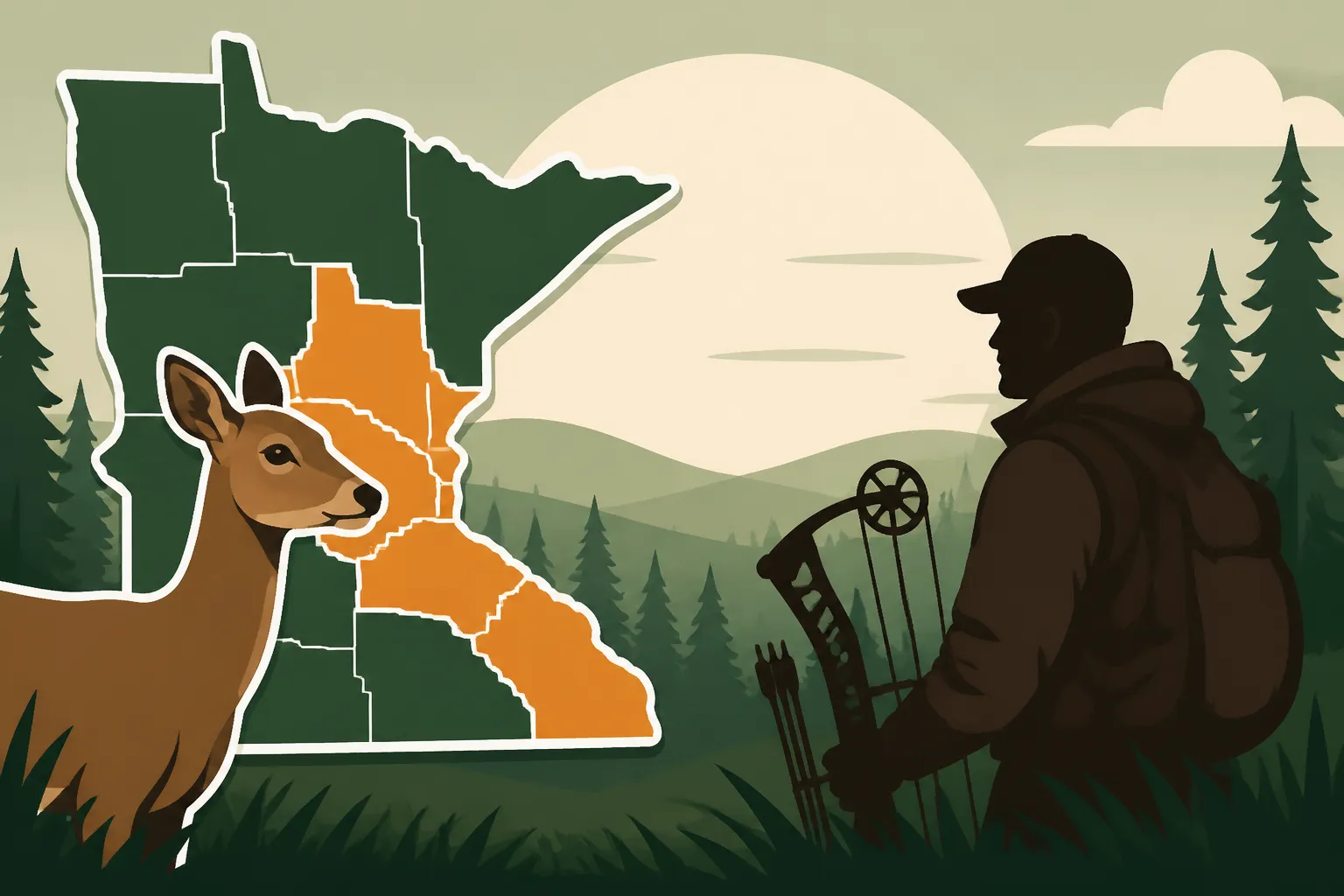
The Minnesota DNR website is your absolute best friend when it comes to locating bonus antlerless permit areas. Every year, well before the hunting seasons begin, the DNR publishes a comprehensive list of permit areas and their specific regulations. These regulations will clearly state if a particular permit area (DPA) is designated as a "bonus" area. You'll typically find this information in the annual hunting regulations booklet, which is available online as a PDF or in print at license vendors.
It's crucial to check these regulations every single year, as designations can change based on the latest deer population surveys and management objectives. An area that was a bonus zone last year might be a lottery-only area this year, or vice versa. Additionally, many mapping applications like GoHunt offer layers that can show you these specific permit area boundaries right on your phone, making it incredibly easy to visualize where these opportunities exist. This is particularly helpful when you're scouting new ground or trying to understand Finding Your Minnesota Deer Permit Area in unfamiliar territory. Take the time to study the maps and read the fine print for each area you plan to hunt.
| Permit Area Type | Antlerless Permit Availability | Purpose | Key Feature |
|---|---|---|---|
| Bonus | Unlimited purchase & use | Reduce high deer populations, control disease, mitigate crop damage | Offers maximum antlerless harvest flexibility |
| Intensive | One antlerless tag per license, additional bonus tags in some areas | Reduce deer population, significant management needs | Often overlaps with bonus areas |
| Managed | Antlerless tags often by lottery | Stabilize deer population, moderate management needs | Balances harvest with population goals |
| Lottery | Antlerless tags by lottery only | Maintain deer population, limited management needs | Controlled harvest to sustain herd |
| Hunter Choice | One antlerless tag per license (no lottery) | Liberal antlerless harvest, but not unlimited | Common in areas with healthy deer populations |
This table highlights the key differences between various antlerless permit types. As you can see, "Bonus" areas stand out for their "unlimited" potential.
Purchasing and Using Bonus Permits
Once you've identified a bonus antlerless permit area, purchasing the actual permits is relatively straightforward. You can typically buy these permits wherever hunting licenses are sold, including online through the DNR's eLicense system or at authorized vendors like sporting goods stores and bait shops. These permits are usually inexpensive, designed to encourage harvest rather than generate significant revenue.
The beauty of bonus permits is their flexibility. If you're hunting in a designated bonus area, you can buy as many as you need to continue harvesting antlerless deer. There's no limit once the area is designated as "bonus." However, you must possess the bonus permit before you harvest the deer. You can't shoot a deer and then run to town to buy the tag. This is a common mistake and one that can lead to legal trouble. Always double-check the current year's regulations on How Many Deer Tags You Can Buy and how they apply in bonus areas, as some nuances can exist depending on your primary license. Remember, these are specific to permit areas, so a bonus tag bought for DPA 601, for instance, cannot be used in DPA 205.
It's also important to be aware of the specific weapon types allowed during various seasons. While you might be hunting during the general firearm season, if you're targeting antlerless deer in a bonus area during a late-season period, make sure your chosen method (rifle, muzzleloader, etc.) is legal for that specific time and zone. For example, if you're planning on Muzzleloader Deer Hunting in Minnesota in December, you’ll want to confirm that the bonus area is open for muzzleloader hunting and allows for bonus tags during that period.
Scouting and Strategy for Bonus Antlerless Areas
Hunting bonus antlerless areas requires some specific scouting and strategic thinking, particularly if your goal is to harvest multiple deer. Since these areas often have higher deer densities, focusing on food sources and bedding areas becomes even more critical. Does and fawns will be concentrated around reliable food sources, especially as the season progresses and natural forage dwindles. Think about ag fields, standing corn, soybean fields, and mast crops like acorns, if they're available.
Scouting tools like aerial photos and topographic maps are invaluable. You can use apps like GoHunt or the DNR's Recreation Compass to pinpoint potential pinch points, travel corridors, and bedding cover adjacent to food. Look for thick cover, brushy draws, cattail sloughs, and dense timber where deer will feel safe. Does are often found in family groups, so if you locate one, there are likely others nearby. When Reading Aerial Photos for Big Woods Deer, look for transitions between different habitat types where deer will naturally congregate.
Consider tactics like still-hunting through thick cover or setting up ground blinds or treestands near major food sources or travel routes. Because you can harvest multiple deer, you might want to hunt an area more frequently, or even employ strategies like small, controlled deer drives with a few friends if on public land, which can be effective for moving deer out of thickets into shooting lanes. Always prioritize ethical shots and quick recoveries, especially when pursuing multiple animals. Plan your approach and exit routes carefully to minimize disturbing the area if you intend to return for more opportunities. Remember that Hunting Minnesota Farmland Deer often involves different tactics than hunting the big woods, and bonus areas often fall into the farmland category.
Ethical Considerations and Regulations
While bonus antlerless permits offer increased opportunities, it's paramount to approach these hunts with a strong ethical compass and a thorough understanding of all applicable regulations. More opportunities do not equate to relaxed responsibilities.
Adhering to All Regulations
Even in bonus antlerless areas, all other hunting regulations remain in full effect. This includes legal shooting hours, blaze orange requirements, methods of take, and general safety protocols. You must still register every deer you harvest, including those taken with bonus permits. The Minnesota Deer Registration Rules are explicit about the timelines and methods for registering your deer. Whether you register online or at a physical station, it’s a non-negotiable step after a successful harvest.
Furthermore, hunters must still abide by carcass movement restrictions, especially if hunting near or in CWD Surveillance Zones in Minnesota. If you harvest a deer in a CWD-affected area, there will be specific rules about what parts of the carcass you can transport out of that zone. Understanding these rules is crucial to prevent the potential spread of disease and ensure you're not breaking any laws. Always check the DNR website for the latest updates on CWD zones and restrictions before you head out.
Ethical Hunting Practices
With the ability to harvest multiple deer, the ethical responsibility of the hunter becomes even more pronounced. Always strive for clean, humane kills. Take only shots you are confident in making, and pass on marginal opportunities, especially if you're not positive about the shot placement. This means understanding your firearm's capabilities, practicing regularly, and knowing your effective range.
Field dressing and meat care are also critical, particularly if you're harvesting more than one deer. Have a plan for handling multiple carcasses, especially if temperatures are warm. Proper and timely care of the meat ensures that your harvest doesn't go to waste. If you’re hunting in a remote area, consider the logistics of retrieving multiple deer. Having a deer cart or a plan to field dress and quarter animals in the field can make a huge difference in preserving the meat.
Finally, consider the optics of taking multiple deer. While perfectly legal and encouraged by the DNR in bonus areas, be mindful of how your actions are perceived by the non-hunting public. Demonstrate respect for the animal, the land, and the hunting tradition. It’s an opportunity to showcase responsible hunting and conservation, not just an exercise in filling a quota. By acting as responsible stewards, we ensure these valuable bonus opportunities continue to be available for future generations of Minnesota hunters.
Disclaimer
The information provided in this guide is for general informational purposes only and does not constitute legal advice. Hunting regulations in Minnesota can change annually. It is the responsibility of every hunter to consult the most current Minnesota Department of Natural Resources (DNR) hunting regulations and local ordinances before engaging in any hunting activities. Always prioritize safety, ethical practices, and adherence to all laws.