Elk Viewing in Northwest Minnesota
There's a unique thrill that comes with knowing Minnesota, a state often celebrated for its whitetails and waterfowl, is also home to wild elk. For many, the idea of seeing these majestic animals roaming free in our northern reaches feels like a distant dream, a bucket list item tucked away for a future trip out West. But it doesn't have to be. Finding and observing Minnesota's elk herds presents its own set of challenges, from understanding their elusive movements to navigating their sparse habitat. This guide aims to pull back the curtain on this incredible opportunity, providing you with the knowledge and tactics to successfully view Minnesota's wild elk.
The Resurgence of Minnesota's Elk Herds
The very presence of elk in Minnesota today is a testament to dedicated conservation efforts and the species' remarkable resilience. It's easy to forget that these animals weren't always a part of our modern landscape, having been pushed out of their historic range. Understanding their journey back is key to appreciating every glimpse you get.
A Brief History of Elk in Minnesota
Imagine Minnesota's landscape centuries ago, before extensive European settlement. It wasn't just whitetail deer roaming the forests and prairies; elk were a prominent part of the ecosystem, particularly in the western and northern parts of the state. These were the majestic creatures that roamed the vast expanses, shaping the environment alongside bison and other large mammals. However, as settlement expanded in the 18th and 19th centuries, unchecked hunting pressure and massive habitat loss—primarily due to logging and agricultural development—decimated their numbers. By the early 1900s, elk were considered extirpated from Minnesota, meaning they were no longer naturally found within the state's borders. It was a sad chapter, a stark reminder of what unchecked human impact can do.
The story didn't end there, though. In the late 1930s, a small herd of elk from Yellowstone National Park was reintroduced to the Red Lake Indian Reservation, laying the groundwork for what would become a slow but steady comeback. It wasn't an overnight success, but these early efforts were crucial. If you're curious about the deeper history, you can explore articles like Where the Minnesota Elk Herd Came From to really understand the foundation of their return.
Current Population Status and Range
Today, Minnesota is home to three distinct, wild elk herds. The primary populations reside in the far northwestern corner of the state, centered around two main areas: Kittson County and Marshall County. There's also a smaller, more recent herd that has established itself further south, often referred to as the Grygla herd, near the Beltrami-Marshall county line. While these aren't the massive herds you'd find in the Rocky Mountains, they are thriving. Recent estimates put the total state population at around 130-150 animals, a number that fluctuates slightly with calving and winter mortality. You can learn more about How Many Elk Minnesota Has through official DNR reports.
The Kittson County herd, often considered the most robust, roams the aspen parkland and agricultural fields, utilizing both habitat types for forage and cover. The Marshall County herd similarly navigates a mix of public and private lands, often sticking to larger blocks of cover. The Grygla herd, while smaller, shows the species' ability to expand its range when conditions are favorable. These populations are tightly managed, reflecting their status as a cherished big game species in the state.
Conservation Efforts and Their Impact
The comeback of Minnesota's elk is no accident; it's the direct result of sustained and adaptive conservation efforts. The Minnesota Department of Natural Resources (DNR), in partnership with organizations like the Rocky Mountain Elk Foundation and local landowners, has been instrumental in managing and protecting these herds. A significant part of this involves habitat preservation and restoration, ensuring that the elk have adequate food, water, and cover throughout the year. This includes working with private landowners to manage agricultural impacts and maintain natural corridors.
Another crucial aspect of conservation is the careful management of hunting opportunities. While the Minnesota Elk Lottery Rules might seem incredibly restrictive, they are designed to maintain healthy herd numbers, ensuring genetic diversity and sustainable growth. The limited, once-in-a-lifetime tags are a tool to manage populations at a level that minimizes human-wildlife conflict, particularly with agricultural interests, while still providing a hunting opportunity. This delicate balance ensures the elk can continue to thrive for future generations of viewers and hunters alike. The ongoing vigilance against threats like Chronic Wasting Disease (CWD) is also a part of this effort, though thankfully, CWD risk to the Minnesota elk herd has remained low.
Where to Find Elk in Northwest Minnesota
Locating elk in Minnesota is often the biggest hurdle for eager viewers. Unlike deer, which are ubiquitous across much of the state, elk are concentrated in very specific, often remote, areas. Success hinges on knowing where to focus your efforts.
The Kittson County Herd: Prime Viewing Areas
Kittson County, nestled in the extreme northwestern corner of Minnesota, is arguably your best bet for seeing wild elk. This region is characterized by a unique landscape known as the aspen parkland, a mosaic of brush, small aspen groves, and vast agricultural fields. Elk here frequently move between these different habitat types, often seeking cover in the brushy areas during the day and moving into fields to feed in the evenings and mornings.
One of the most publicly accessible areas to begin your search is near the community of Caribou, close to the Canadian border. The Caribou Wildlife Management Area (WMA) and surrounding public and private lands are known elk haunts. It's a flat landscape, which means good visibility across open fields, but it also means elk can disappear quickly into cover. Roads like County Road 1 and various township roads offer access, but always be mindful of private property boundaries. During the rut, the sound of bugling bulls can carry for miles, drawing you in. You might want to refer to The Kittson County Elk Herd Size for a better understanding of the numbers you're dealing with in this specific area.
The Marshall County Herd: Opportunities and Challenges
Just south of Kittson County lies Marshall County, home to another of Minnesota's elk herds. This herd often utilizes the vast expanses of the Agassiz National Wildlife Refuge and the surrounding agricultural lands. While the refuge itself offers some viewing opportunities, elk here can be a bit more elusive, often preferring dense cover within the refuge's boundaries or utilizing larger private land parcels.
Accessing good viewing spots can be challenging due to the mix of federal refuge land (which has specific rules), state WMAs, and private properties. However, during certain times of the year, particularly the rut or winter, elk may venture into fields adjacent to public roads. Drive the gravel roads surrounding the refuge and state lands during dawn and dusk. Patience is key here, and having good optics is non-negotiable. Don't be afraid to drive slowly, stop frequently, and scan distant tree lines and field edges with your binoculars. If you're looking for detailed information on both herds, articles covering The Kittson and Marshall County Elk Herds can provide more specific insights.
Lesser-Known Hotspots and Seasonal Movements
Beyond the main strongholds, there's the aforementioned Grygla herd, a smaller but growing population that primarily occupies parts of southeastern Marshall and western Beltrami counties. This area features more dense timber and swampy cover than the open parkland of Kittson. While less frequently viewed, the elk here are definitely present. Finding them often involves more in-depth scouting and knowledge of local landowners, as public land blocks can be smaller and more fragmented.
Elk, like most large ungulates, exhibit seasonal movements tied to food availability, breeding cycles, and pressure. In spring and summer, cows with calves may prefer secluded, brushy areas offering protection. As fall approaches and the rut kicks in, bulls become more vocal and visible, often in more open areas to display their dominance. In winter, deep snow can push them into sheltered areas or agricultural fields where food is easier to access. Monitoring local conditions and understanding these patterns is crucial. Tools like GoHunt's mapping features can be incredibly helpful for identifying potential cover, food sources, and public land access points when planning your viewing excursions.
| Elk Herd Location | Primary Habitat Type | Best Season for Viewing | Key Characteristics |
|---|---|---|---|
| Kittson County (Caribou) | Aspen Parkland, Agricultural Fields | Fall (Rut), Winter | More open terrain, higher visibility, vocal bulls |
| Marshall County (Agassiz) | Refuge, Agricultural Fields, Timber | Fall (Rut), Winter | More secluded, often near refuge boundaries, elusive |
| Grygla (Marshall/Beltrami) | Dense Timber, Swamp, Agricultural Fields | Winter | Smaller herd, more challenging to find, good cover |
Best Times for Elk Viewing
Timing is everything when it comes to wildlife viewing, and elk are no exception. Knowing when they are most active, vocal, or concentrated can dramatically increase your chances of a memorable encounter.
The Rut: September's Bugle Fest
Without a doubt, the absolute best time to experience Minnesota's elk is during the rut, which typically runs from mid-September through early October. This is when the bulls are most active, vocal, and focused on gathering and defending their harems of cows. The air fills with the haunting, powerful sound of a bull elk's bugle – an unforgettable experience that will send chills down your spine.
During this period, bulls will be competing, sparring, and displaying their dominance, making them more visible and less cautious than at other times of the year. They often move into more open areas at dawn and dusk, pushing cows and calves, and challenging rivals. Focusing your efforts on the early morning hours, right at first light, and the last hour or two before dark will yield the highest success rates. The sounds of bugling can guide you, but remember that elk have incredible hearing, so approach quietly and deliberately. If you want to know precisely When Minnesota Elk Bugle, you'll find it's a window of about 3-4 weeks where the action is most intense.
Winter Months: Concentrated Herds and Visibility
While the rut offers the spectacle of bugling, the winter months, especially from late December through February, present a different kind of opportunity. Deep snow and cold temperatures often push elk to concentrate in specific areas where food is more accessible or where they can find thermal cover. This might mean larger groups gathering in protected valleys, along brushy river bottoms, or even venturing into agricultural fields to paw through snow for leftover forage.
The lack of foliage in the trees and brush during winter also improves visibility, making it easier to spot elk from a distance. Look for tracks in fresh snow – distinct, large hoof prints that can lead you to feeding areas or bedding sites. While they might not be as vocal as during the rut, seeing a herd of elk silhouetted against a snowy Minnesota landscape is a truly breathtaking sight. Just be prepared for the elements, dressing warmly in layers and ensuring your vehicle is capable of handling snowy backroads.
Spring and Summer: Calving and Green-Up
Spring, particularly late April and May, is a time of renewal. Cow elk are preparing to calve, seeking out secluded, dense cover to give birth. This makes them incredibly secretive and difficult to spot. While seeing a newborn calf would be a dream, it's also a time when disturbance can be most detrimental to the herd. It's generally advisable to give elk more space during this sensitive period.
Summer, from June through August, sees the elk spreading out more across their range as food becomes abundant. Bulls are growing their new antlers, and the herds are generally quieter. The lush foliage can make spotting them incredibly challenging, turning much of the viewing experience into a game of hide-and-seek with thick vegetation. If you do go out in summer, focus on areas near water sources or where clearings break up the dense cover. Early morning and late evening remain the best times, as elk will often seek shade during the heat of the day. Patience and persistent glassing are your best friends in the warmer months.
Essential Gear and Techniques for Successful Viewing
Elk viewing isn't just about showing up; it's about being prepared and employing smart strategies to maximize your chances without disturbing these magnificent animals.
Optics: Binoculars, Spotting Scopes, and Tripods
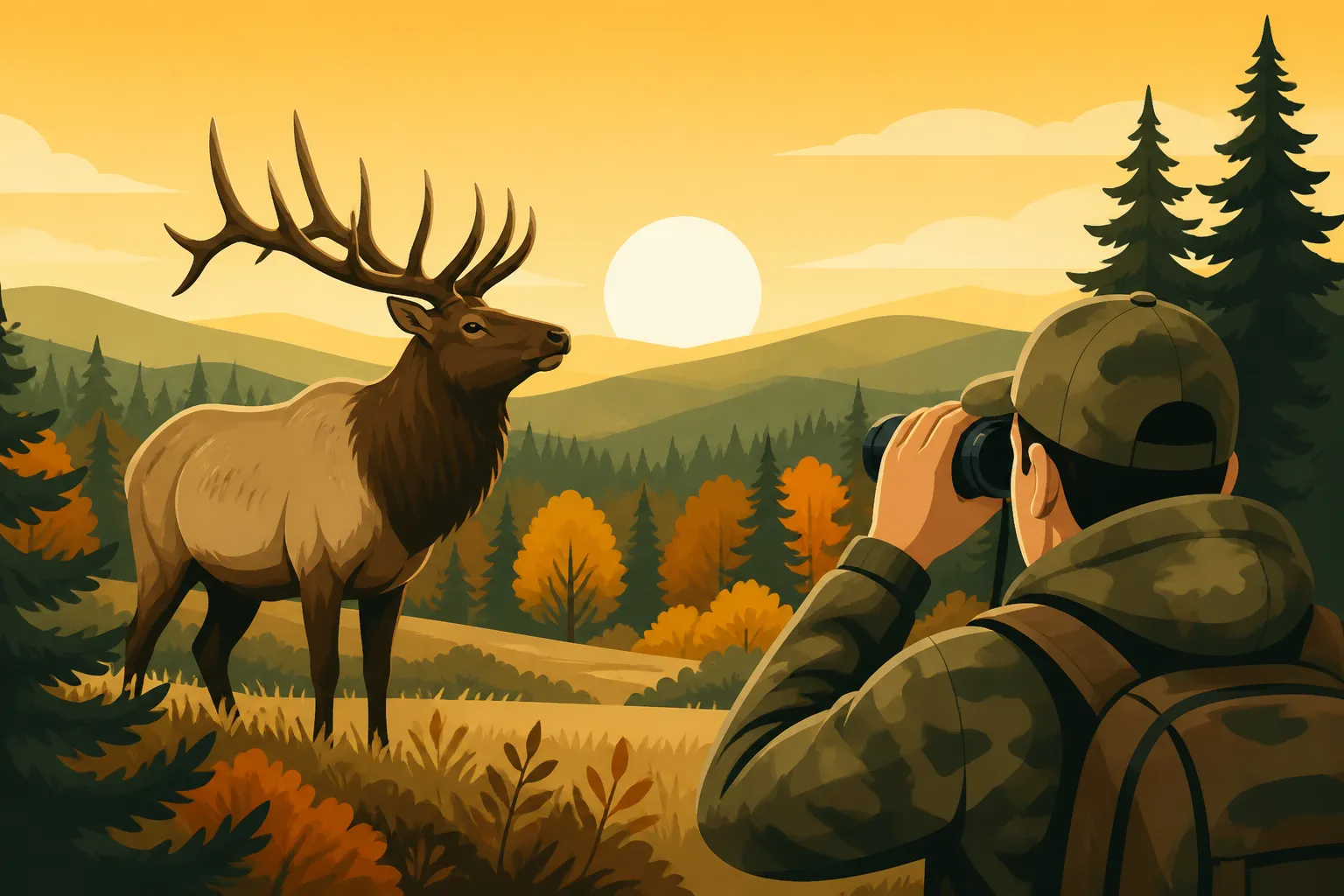
When it comes to elk viewing, good optics are your most valuable tool. These animals are large, but they are also masters of camouflage and can be incredibly elusive, especially in the mix of brush and timber found in northwest Minnesota. You'll often be spotting them at long distances across fields or picking them out of dense cover.
- Binoculars: A high-quality pair of 10×42 binoculars is the absolute minimum you should bring. Brands like Vortex, Leupold, and Zeiss offer excellent clarity and light-gathering capabilities, which are crucial during low-light periods like dawn and dusk when elk are most active. You'll be spending a lot of time scanning, so a comfortable, lightweight pair is key.
- Spotting Scope: For truly distant elk, or for observing specific behaviors without disturbing the animals, a spotting scope is indispensable. A 20-60x magnification range is ideal, allowing you to zoom in and see fine details. This is especially useful in the flat, open parkland of Kittson County where you might spot a bull a mile away. Coupled with a sturdy tripod, a spotting scope allows for steady, extended viewing without arm fatigue. Look for models with good eye relief if you wear glasses.
- Tripod: Whether for your binoculars or spotting scope, a good tripod is crucial for stability, especially when glassing for long periods or in windy conditions. Many binocular harnesses even offer an attachment point for tripod use, which can be a game-changer for clarity and comfort.
Remember, the goal is to view the elk, not spook them. The better your optics, the further back you can stay, ensuring a natural experience for both you and the animals.
Stealth and Scent Control: Blending into the Environment
Just like deer hunting, successful elk viewing benefits greatly from a stealthy approach and an understanding of scent. While you're not trying to get as close as a hunter, minimizing your impact increases your chances of observing natural behavior.
- Quiet Movement: Elk have exceptional hearing. When you're out of your vehicle and approaching a suspected area, move slowly and quietly. Avoid rustling leaves, breaking twigs, or making unnecessary noise. Wear soft, quiet clothing (like fleece or wool) that won't make a racket.
- Wind Direction: Always pay attention to the wind. Elk, like deer, rely heavily on their sense of smell to detect danger. If the wind is blowing your scent toward them, they will likely detect you long before you see them, and they'll be gone. Use a wind checker, a small bottle of powder or thread, to constantly monitor the direction. Try to approach from downwind whenever possible.
- Camo or Earth Tones: While blaze orange isn't typically required for elk viewing (unless you're in an active hunting zone during a firearm season, which you should always check), wearing camouflage or drab, earthy colors will help you blend into the background. Avoid bright colors that stand out. The less they perceive you as a threat or an anomaly, the longer they might stay visible.
These practices aren't just for hunters; they are fundamental principles of ethical wildlife observation, ensuring you don't unduly stress or displace the animals you've come to admire.
Mapping and Scouting Tools
In vast, unfamiliar terrain, knowing where you are, where you can go, and what the land looks like is paramount.
- GPS and Phone Apps: A reliable GPS unit or a robust mapping app on your smartphone is essential. Apps like GoHunt, OnX Hunt, or similar platforms provide detailed satellite imagery, topographic maps, and crucially, property boundaries. This is vital for distinguishing between public hunting land in Minnesota, state forest hunting, and private parcels, ensuring you stay on legal ground and respect landowner rights. Many apps even offer offline capabilities, which is a lifesaver in areas with spotty cell service. When you're driving those remote gravel roads, knowing Finding Your Minnesota Deer Permit Area can sometimes help clue you into larger public blocks that might also hold elk.
- Aerial Photos and Topo Maps: Before you even leave home, spend time studying aerial photographs and topographic maps. Look for patterns: where do fields meet timber? Are there natural funnels, ridges, or low-lying areas that might offer cover or travel routes? Identifying these features beforehand can significantly narrow down your search areas once you're on the ground.
- Scouting from Afar: Often, the best way to scout for elk is from a distance. Use your vehicle and public roads to cover ground, stopping frequently to glass potential elk habitat. Look for fresh tracks, rub signs on small trees (especially during the rut), and droppings. Sometimes, simply observing deer activity can give you a clue, as elk often share similar habitat preferences. Remember that Scouting Minnesota Public Land Before Season isn't just for deer hunters; it's invaluable for serious wildlife viewers too.
Respecting Elk and Their Habitat
Responsible viewing is paramount. Our ability to enjoy these animals depends entirely on our ability to do so without causing them harm or undue stress.
Maintaining a Safe and Ethical Distance
The excitement of seeing a wild elk can be overwhelming, but it's crucial to remember that they are wild animals, and their safety and well-being come first.
- Give Them Space: Always maintain a respectful distance. A good rule of thumb is to stay far enough away so that the elk do not change their behavior because of your presence. If they stop feeding, stare at you, or start moving away, you're too close. For large animals like elk, this often means hundreds of yards, especially with a cow and calf.
- Never Pursue: Do not chase or actively pursue elk. If they move away, let them go. Pushing them can cause unnecessary stress, especially during harsh winters when they need to conserve energy or during the calving season.
- Use Your Optics: This is where good binoculars and spotting scopes truly shine. They allow you to observe intimate details of elk behavior from a distance that ensures the animals remain undisturbed. Getting "up close and personal" should only happen through your lens.
- Stay in Your Vehicle: In many of the more open areas, staying in your vehicle can provide an excellent mobile blind. Elk are often less alarmed by a vehicle than a walking human figure. Use your car as a shield and observe from inside.
Remember, our goal is to witness their natural world, not to become a disruptive force within it.
Understanding Elk Behavior Signals
Learning to read basic elk behavior can enhance your viewing experience and help you determine if you're too close or causing stress.
- Alertness: If an elk raises its head, holds its ears forward, and stares intently in your direction, it has likely detected you and is assessing the threat. This is your cue to freeze or slowly back away.
- Stomping/Hissing: An agitated cow, especially one with a calf, might stomp her front hooves or let out a sharp hiss-like sound. This is a clear warning that you are too close and she feels threatened. Immediately give her more space.
- Running/Bolting: If elk start to run or bolt away, you've definitely overstepped your boundaries. This is a high-stress event for them, and it should be avoided.
- Feeding/Relaxed Posture: When elk are calm, they'll typically be feeding, ruminating, or moving slowly with their heads down. Their ears might be swiveling to listen, but their overall demeanor will be relaxed. Observing them in this state is the ultimate reward.
Respecting these signals ensures a positive encounter for both you and the elk, contributing to their continued success in Minnesota.
Public vs. Private Land: Access and Regulations
Minnesota's elk herds utilize a patchwork of public and private land, and understanding the rules of access is critical for responsible viewing.
- Public Land: State Wildlife Management Areas (WMAs), State Forests, and segments of the Agassiz National Wildlife Refuge offer public access for viewing. Always verify the specific rules for each unit; some refuges have restricted access areas or specific viewing platforms. The Minnesota DNR's Recreation Compass map tool is invaluable for identifying public land boundaries.
- Private Land: A significant portion of elk habitat is on private property. Never trespass on private land without explicit permission from the landowner. Not only is it illegal, but it can create negative perceptions of wildlife viewers and potentially jeopardize future conservation efforts if landowners feel their privacy is invaded. If you see elk on private land, observe them from a public road or obtain permission if you wish to enter. You can read more about Getting Private Land Permission in Minnesota to understand the proper protocols.
- Regulations: Be aware of any local regulations regarding parking, vehicle access, or seasonal closures. During hunting seasons (including the limited elk hunt), wear blaze orange if required in the area, even if just viewing, for your own safety. Always carry your Minnesota Hunting Licenses and What They Cost if you are a hunter, and even if not, familiarity with local rules is key.
Beyond Casual Viewing: The Minnesota Elk Lottery
While the vast majority of people will interact with Minnesota's elk through viewing, there is a very limited, once-in-a-lifetime hunting opportunity that speaks to the species' trophy status.
Understanding the Limited Opportunity
Minnesota offers a highly regulated and extremely limited elk hunt each year, primarily in the Kittson and Marshall County permit areas. This isn't a widespread hunt; it's a privilege granted to only a handful of lucky applicants. The primary goal of these hunts is to manage the herd numbers, particularly to mitigate crop damage on agricultural lands and to maintain a healthy population balance, rather than to maximize harvest.
The number of tags issued each year is incredibly small, often less than a dozen across all zones. These are divided into bull tags and antlerless tags, with specific permit areas and seasons. The odds of drawing a tag are very, very low, making it one of the toughest big game draws in the country. This rarity is part of why the tag is considered a "once-in-a-lifetime" opportunity – if you draw and harvest an elk, you cannot apply for another elk tag in Minnesota. This policy ensures that as many different hunters as possible get a chance at this unique experience over time. For more specific information, an article like Elk Hunting Odds in Kittson County can provide context on just how competitive the draw is.
Applying for the Once-in-a-Lifetime Tag
If you dream of more than just viewing, and hope to pursue one of Minnesota's majestic elk, the application process is rigorous and requires planning.
- Eligibility: You must be a Minnesota resident and hold a valid Minnesota hunting license (or apply for one).
- Application Period: The application window typically opens in late spring or early summer, with a deadline usually in June. It's crucial to mark your calendar and not miss this window.
- Preference Points: Minnesota uses a preference point system for the elk lottery. Each year you apply and don't draw a tag, you accrue a preference point, which increases your odds in subsequent years. However, even with maximum preference points, the draw remains highly competitive due to the limited number of tags.
- Application Process: Applications are submitted online through the Minnesota DNR's eLicense system. You'll need to select your preferred zone (Kittson, Marshall, or Grygla) and whether you're applying for an antlered or antlerless tag.
- Results Notification: Successful applicants are typically notified in late summer.
Even if you're primarily an elk viewer, understanding the lottery system gives you a deeper appreciation for the value and rarity of these animals in our state. It also highlights the DNR's commitment to maintaining a robust, healthy elk population while providing extremely limited, high-quality hunting opportunities. For those looking to learn more about the process, Applying for a Once-in-a-Lifetime Elk Tag offers a comprehensive breakdown.
Disclaimer
Please remember that wildlife behavior can be unpredictable, and viewing opportunities are never guaranteed. Always prioritize safety, respect wildlife, and adhere to all local, state, and federal regulations regarding land access and wildlife interaction. This guide provides general information and should not replace official DNR guidelines or current regulations. Conditions, seasons, and rules can change, so always verify the latest information before heading out.