Timing the Minnesota Woodcock Flight
American woodcock migration timing in Minnesota depends on weather patterns, temperature drops, leaf drop, and day length.
Close the distance.
Archery, muzzleloader, and firearm techniques — calling, stand placement, still-hunting, spot-and-stalk, and the weapon rules that change at the state line.
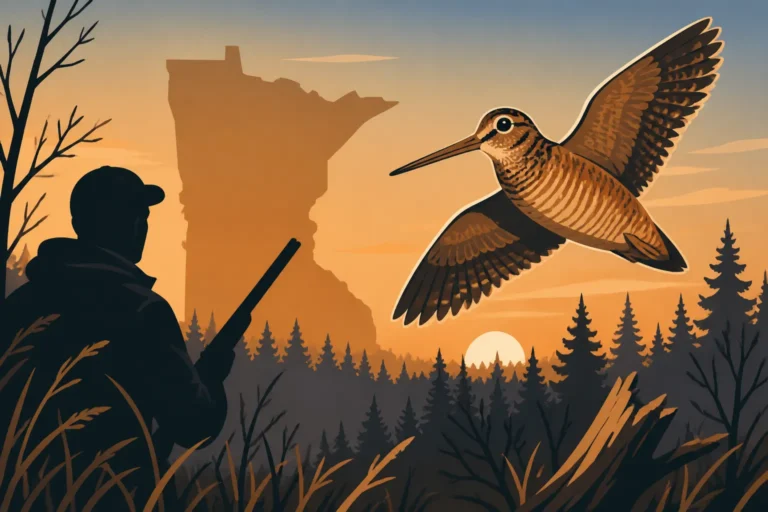
American woodcock migration timing in Minnesota depends on weather patterns, temperature drops, leaf drop, and day length.
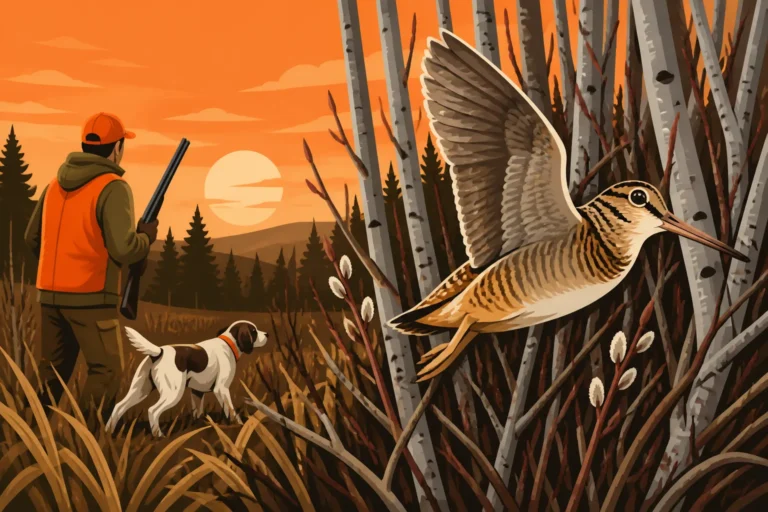
Minnesota woodcock hunters learn to identify prime alder runs with wet soil and locate migrating timberdoodles successfully.
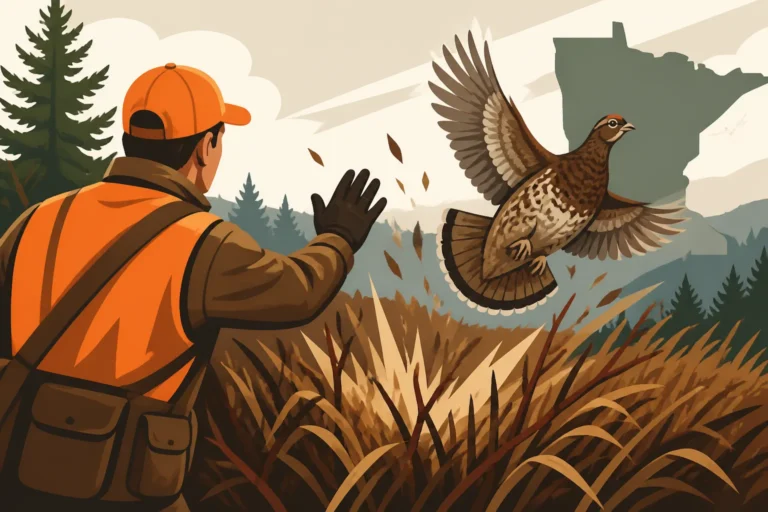
Solo ruffed grouse hunting in Minnesota woods explains tactical flush methods and habitat scouting without trained bird dogs.
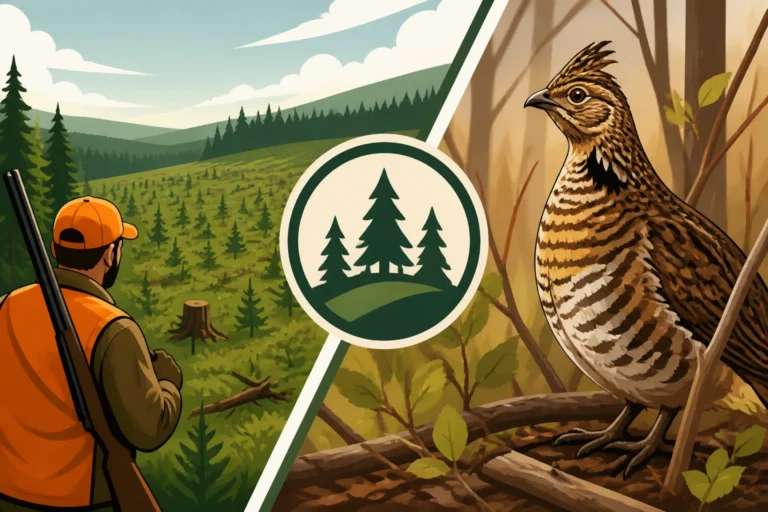
Minnesota timber cuts aged five to twenty five years provide the optimal habitat and aspen food sources for ruffed grouse.
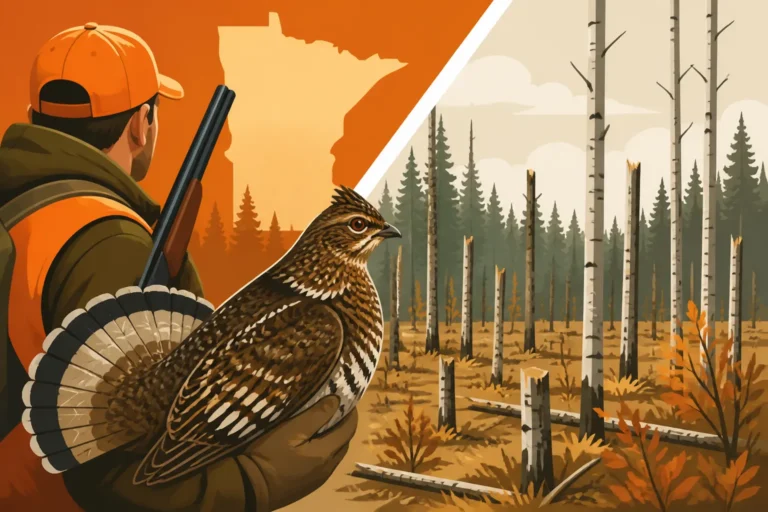
Minnesota popple cuts provide ruffed grouse with food, predator protection, and ideal drumming sites for successful upland hunting.
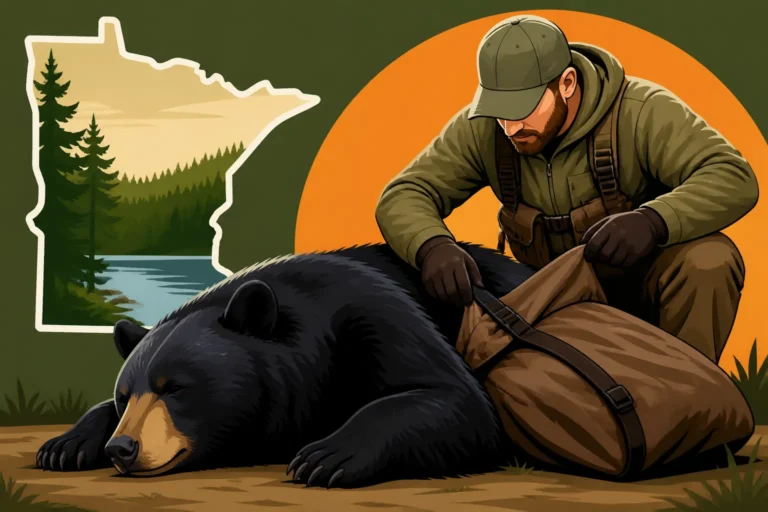
Minnesota black bear harvesting requires proper safety steps, waiting periods, and tracking methods to recover the animal.
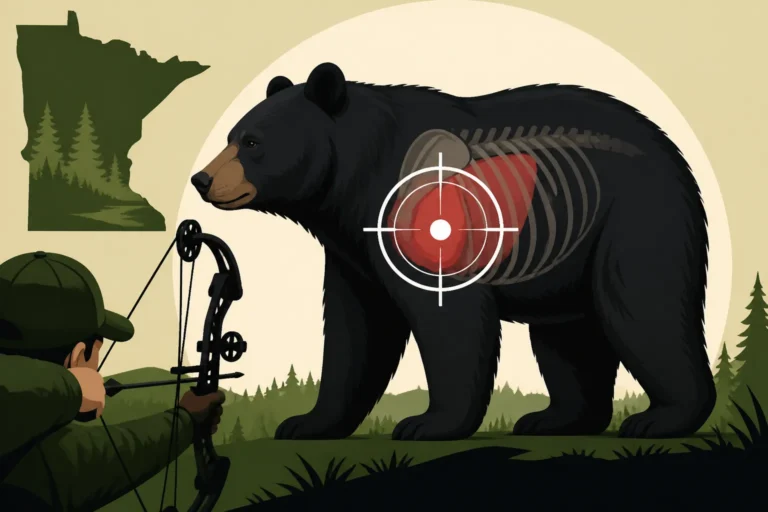
Minnesota black bear shot placement details the heart and lungs vital triangle behind the shoulder for an ethical harvest.
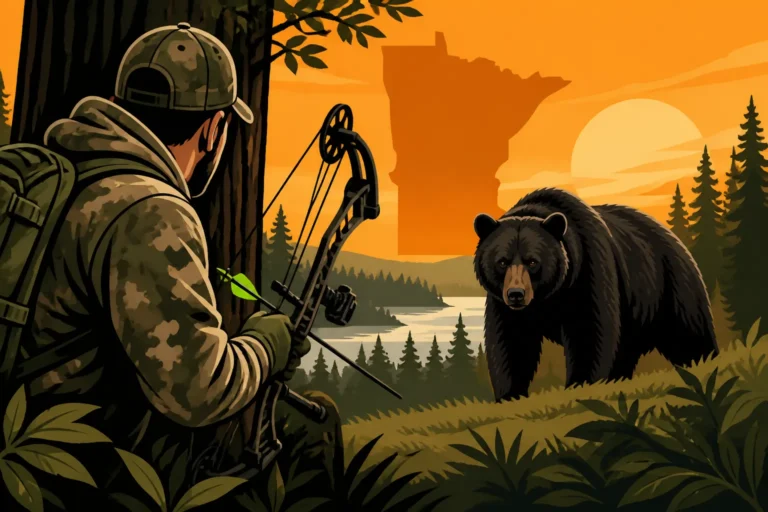
Minnesota black bear hunters using still-hunting and spot-and-stalk tactics can locate game in northern forests by tracking natural seasonal food sources.
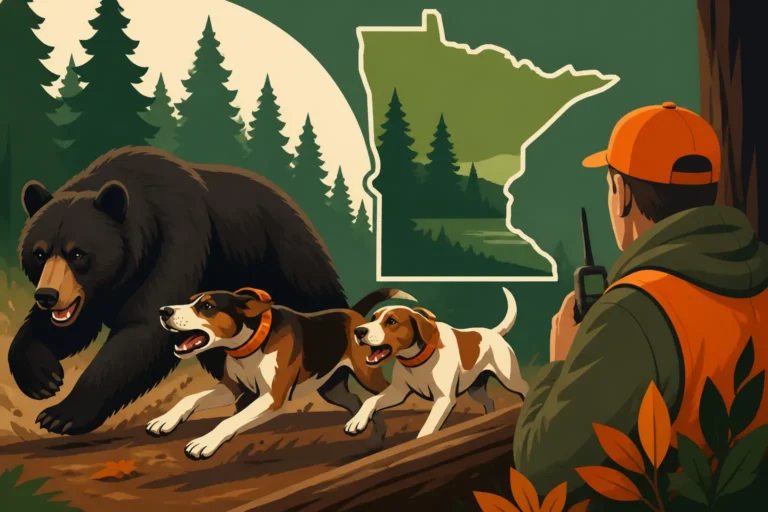
Minnesota bear hound races are traditional training chases where handlers test trained packs of dogs tracking black bears.

Minnesota bear baiting regulations, permit areas, and site registration rules explained for hunters preparing for season.