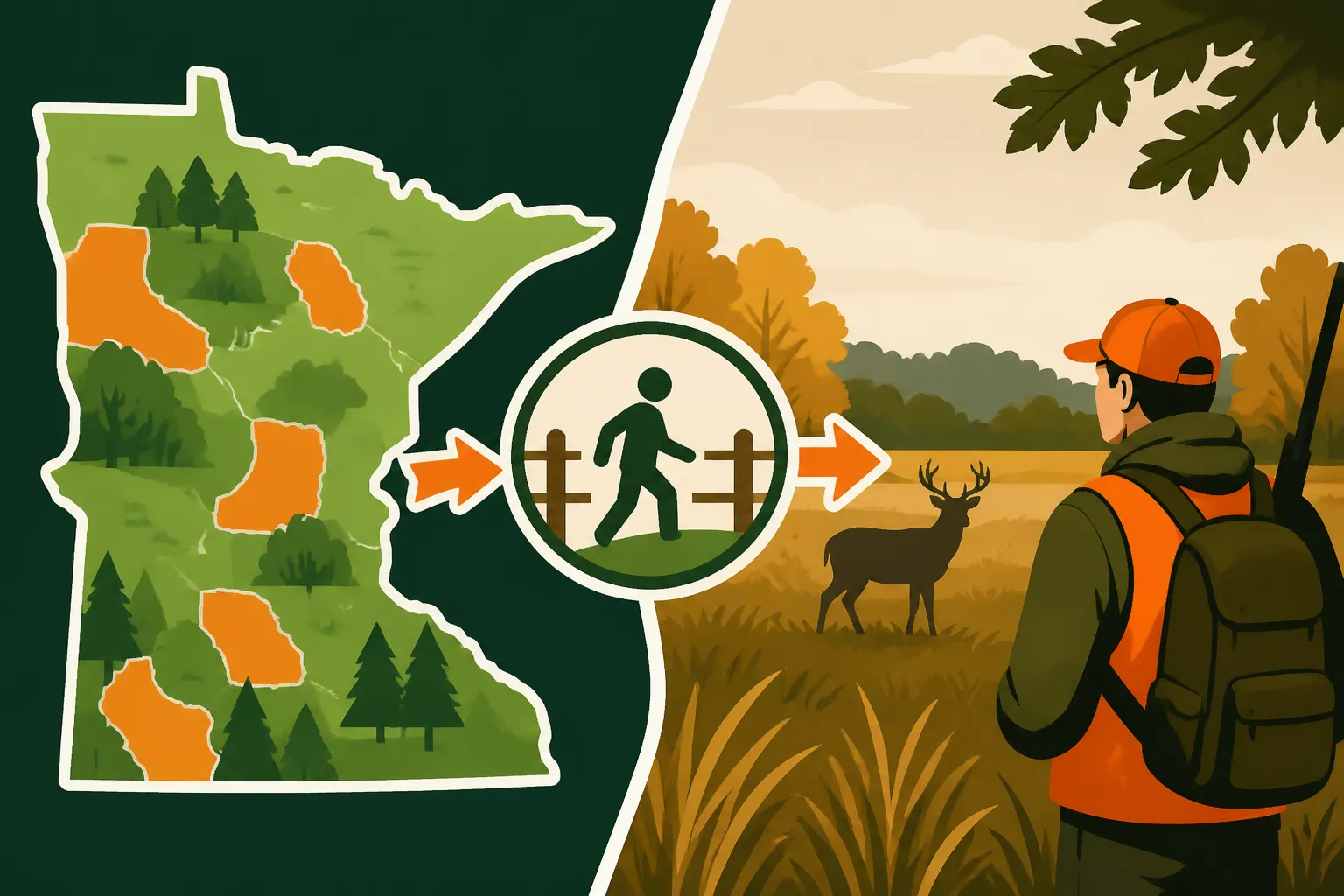
How Minnesota Walk-In Access Works
It's incredibly frustrating when you're itching to get out hunting in Minnesota, but feel like all the good spots are either locked up by private landowners or overrun by crowds on traditional public lands. You spend hours poring over maps, only to find access is a nightmare or the prime cover is just out of reach. This guide is here to shed light on Minnesota's Walk-In Access (WIA) program, offering a fantastic, often underutilized, solution to these common access headaches and showing you exactly how to make it work for your next hunt.
What is Minnesota's Walk-In Access Program?
The Minnesota Walk-In Access (WIA) program is a brilliant initiative designed to expand public hunting opportunities by leasing private land from landowners and opening it up to foot traffic for hunting. Think of it as a partnership: farmers and other private landowners get compensated for allowing hunters onto their property, and hunters gain access to thousands of acres that would otherwise be off-limits. It's a win-win situation, really, and it helps spread out hunting pressure, which is something we all crave.
The Genesis and Goal of WIA
The WIA program didn't just appear overnight; it grew out of a clear need to boost access in areas with a lot of private land but limited traditional public hunting grounds, particularly in our state's rich agricultural regions. Historically, Minnesota hunters relied heavily on wildlife management areas (WMAs) and state forests, but these can be few and far between in farming country. The goal was, and remains, to provide consistent, predictable access without requiring individual hunters to knock on doors or navigate complex landowner agreements. It’s all managed by the state, simplifying the process immensely for both parties. It also provides a significant benefit to landowners, as it helps them manage wildlife populations on their land, often reducing crop damage from deer, while also providing them with a steady income stream for participating.
How WIA Differs from Other Public Land
Unlike state forests or WMAs that are permanently designated for public use, WIA lands are typically private parcels under a temporary lease. This means the specific areas available can change from year to year as leases expire or new ones are added. While this dynamic nature requires a bit more vigilance from hunters in checking maps, it also means new opportunities can pop up. WIA lands are strictly for walk-in hunting only, emphasizing low-impact access. You won't be driving ATVs or camping on WIA parcels, for instance, which helps maintain a quieter, more intimate hunting experience often hard to find elsewhere. It’s designed to provide quality hunting experiences, often in areas surrounded by excellent agricultural food sources that deer, pheasants, and turkeys absolutely love.
How to Find and Identify WIA Land
Finding WIA land might seem daunting at first, especially with its changing nature, but the tools available today make it incredibly straightforward. It's all about knowing where to look and what to look for, so you don't waste precious scouting or hunting time.
Using Digital Mapping Tools
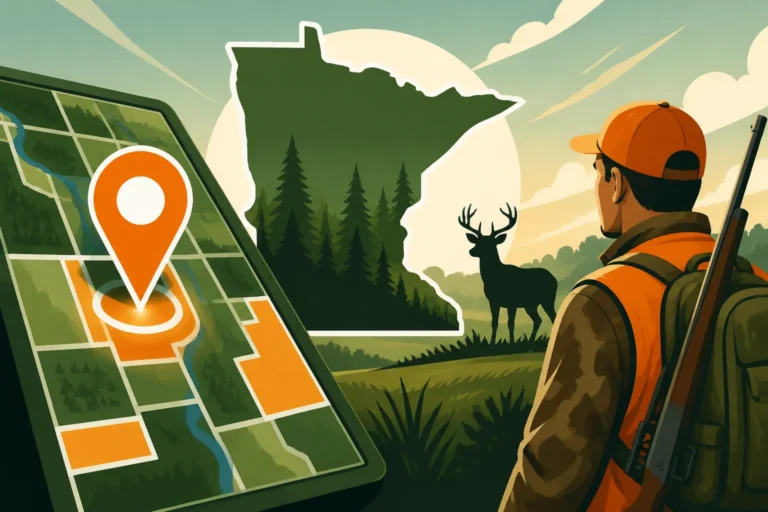
Modern mapping apps are an absolute game-changer for locating WIA parcels. Tools like onX Hunt have revolutionized how we access land information, and they are indispensable for navigating WIA. These apps overlay public and private land boundaries, including WIA areas, right onto your phone or GPS device. You can literally see, with GPS precision, where WIA land begins and ends, even when you're deep in the field. This capability alone eliminates so much guesswork and anxiety, ensuring you're always on legal hunting ground. Before you head out, use these apps to zoom in on your desired hunting zone, identify WIA parcels, and then plan your approach, looking for potential entry points and strategic spots. I regularly use Using Recreation Compass Without Cell Service to download offline maps, so I'm never caught without crucial information.
Recognizing Official WIA Signage
When you arrive at a WIA parcel, you’ll know you’re in the right place by specific, highly visible signage. These signs are typically yellow or orange and clearly state "Walk-In Access" along with rules for use. They'll be posted at common access points, along property lines, and at corners of the parcel. It's really important to look for these signs, as they are your official confirmation of access. Never assume a field or woodlot is WIA just because it looks like it should be; always verify with signage or your mapping app. If you see signs indicating "No Trespassing" or "Private Land" without the official WIA markers, then it's not WIA land, plain and simple. Respecting these boundaries is crucial for the program's continued success.
Planning Your Entry and Exit
Once you've identified a WIA parcel, the next step is planning your actual hunt. Since WIA is walk-in only, consider how you'll approach the area without disturbing game or other hunters. Look for natural access points like field edges, old logging roads that dead-end, or existing trails that might skirt the property line. On your mapping app, you can often pinpoint parking spots or roadside shoulders that are adjacent to WIA ground. Always park legally and ensure you're not blocking any gates or private driveways. Your entry and exit routes should be thought out to minimize noise and scent, especially if you're targeting deer. Sometimes, a longer walk around a field edge is better than a direct, noisy approach through prime cover. For pheasants or grouse, however, a more direct approach might be exactly what you need to flush birds. Scouting Minnesota Public Land Before Season can help you determine the best approach.
Rules and Regulations for WIA Hunting
Understanding the rules on WIA land is absolutely critical. While the program grants you access, it's not a free-for-all. There are specific guidelines designed to protect the resource, respect the landowner, and ensure a safe hunting environment for everyone. Ignoring these rules could jeopardize the entire program.
Permitted Activities and General Restrictions
The core principle of WIA is "walk-in hunting only." This means foot traffic is the only mode of transportation allowed for hunting purposes. You cannot use ATVs, snowmobiles, horses, or any other motorized or non-motorized vehicle beyond designated parking areas. Camping is also strictly prohibited. The focus is on hunting specific game species, typically deer, turkey, pheasants, and small game, as permitted by state regulations for that area and season. Always double-check the specific rules for the permit area you're in, as Minnesota Deer Seasons and Permit Areas and Minnesota Small Game and Upland Bird Seasons can vary. While you can bring a dog for bird hunting, make sure it's under control and doesn't stray onto non-WIA private property.
Respecting Landowner Property and Crops
Remember, WIA lands are still private property, and respecting the landowner's livelihood is paramount. This means staying out of standing crops, unless specifically authorized or clearly harvested. Many WIA parcels are agricultural fields, and damaging crops is a surefire way to get a landowner to pull out of the program. Always enter and exit fields using established paths or harvested areas. Don't litter, leave gates as you found them (open or closed), and generally treat the land better than you would your own. If you happen to encounter the landowner, a friendly greeting and a thank you for their participation goes a long way in fostering good will. It’s this mutual respect that ensures the WIA program thrives.
Safety and Other Important Considerations
Like all hunting, safety is your responsibility. All standard Minnesota hunting regulations apply on WIA lands, including Minnesota Blaze Orange Requirements during firearm seasons. Even during archery season, it's a good idea to wear some blaze orange or pink for visibility, especially if you're not in a stand. Be acutely aware of your surroundings, including other hunters who might also be utilizing the WIA parcel. Since these lands can be smaller and surrounded by private property, identifying your shooting lanes and backstops is even more critical. Always know what's beyond your target. Furthermore, be mindful of noise; while calling game is fine, excessively loud chatter or activities can disturb other hunters and local residents.
Making the Most of WIA Lands
WIA lands can be incredibly productive if you approach them with the right mindset and tactics. They often offer unique opportunities that other public lands might not, especially in areas dominated by agriculture.
Scouting Smart and Efficiently
Because WIA parcels can be relatively small and scattered, smart scouting is key. Start with your digital mapping app like onX Hunt, looking for features that might hold game: small woodlots, creek bottoms, marsh edges, food plots, or even unharvested pockets within larger fields. Look for transitional areas where different habitat types meet, as these are natural travel corridors. Pay attention to how WIA parcels connect to other public lands or large blocks of private cover. Deer, for example, might bed in a larger private timber block and use WIA fields to feed, or vice-versa. Reading Aerial Photos for Big Woods Deer can give you an edge, even in farmland. Early season scouting, before leaves are fully out, can reveal pinch points and trails that are hidden later in the year.
Timing Your Hunt for Success
Timing is everything, especially on WIA lands. Since these parcels can see fluctuating pressure, try to hunt them during off-peak times if possible. Weekdays, mid-day, or during less popular seasons might offer a quieter experience. However, don't shy away from opening weekends entirely, as the commotion elsewhere might push game onto WIA parcels. For deer, focusing on the edges of daylight – dawn and dusk – is always a good strategy, as they'll often move from cover to food during these times. For pheasants, a mid-morning hunt after the dew has dried can be perfect. Pay attention to crop rotations; a field that was amazing for deer last year might be less attractive if planted with a different crop this year. Hunting the Minnesota Rut in Early November can be especially productive on smaller WIA parcels if you time it right.
Adapting Tactics for Smaller Parcels
Hunting smaller WIA parcels often requires a more refined approach than sprawling national forests. Stealth is paramount. Still-hunting, where you move slowly and deliberately, pausing frequently to observe, can be incredibly effective. Consider using a ground blind or brushing in a natural hide on a field edge, especially for deer or turkey. Because these parcels are often close to human activity, game can be more wary, so minimizing your profile and scent is crucial. If you're hunting pheasants, working the edges of thick cover with a dog, or coordinating a small drive with a partner, can push birds into shooting range. Remember, these smaller areas are often magnets for game moving between larger blocks of cover and food, making them prime ambush points if you're patient and well-hidden.
Benefits and Challenges of WIA
Like any hunting program, the Walk-In Access initiative comes with its own set of advantages and potential drawbacks. Understanding these can help you maximize your success and manage expectations.
The Clear Advantages for Hunters
The primary benefit, without a doubt, is expanded access. WIA opens up significant acreage, often in prime agricultural areas, that would otherwise be completely off-limits to public hunting. This is huge for hunters who don't own land or have private leases, especially in regions with limited traditional public lands. It helps distribute hunting pressure, potentially leading to less crowded conditions than what you might find on some popular WMAs. WIA parcels often feature high-quality habitat, particularly for farmland species like pheasants, turkeys, and deer, benefiting from the surrounding food sources. For a new hunter or someone looking for new spots, it provides a straightforward, legal way to get out there without the stress of asking permission from individual landowners. It's a fantastic option to simply get out there and hunt.
Navigating the Potential Drawbacks
While WIA is a great program, it's not without its challenges. The dynamic nature of the leases means that a favorite spot one year might not be available the next. This requires constant vigilance in checking current maps and signage. Some WIA parcels can be small or oddly shaped, which might limit certain hunting methods or make it harder to maneuver, especially during firearm seasons where safety zones are crucial. Because the parcels are often surrounded by private land, you need to be extra diligent about property boundaries to avoid accidental trespassing. There can also be varying levels of hunting pressure; while some WIA areas remain relatively unknown, others might become popular quickly, leading to crowding. Finally, since it's walk-in only, accessibility can be a challenge for hunters with mobility issues or those who prefer to use ATVs for game retrieval.
Comparing WIA to Other Public Lands
Minnesota offers a diverse array of public lands for hunters, each with its own characteristics. Understanding how WIA fits into this landscape can help you choose the best option for your hunting goals.
WIA Versus Wildlife Management Areas (WMAs)
WMAs are typically managed specifically for wildlife habitat and public recreation, including hunting. They are permanent public lands, often larger than WIA parcels, and usually have more diverse habitat types (e.g., extensive forests, prairies, wetlands). On WMAs, you often have more flexibility for activities like camping in designated areas, or even using certain types of vehicles on established trails. However, WMAs can also experience very high hunting pressure, especially on opening weekends. WIA, on the other hand, provides access to private lands, often agricultural, which are not typically available on WMAs. While WMAs are consistently there, WIA offers a chance to explore new, potentially less pressured, grounds closer to food sources. For deer hunting, Hunting Minnesota Farmland Deer on WIA parcels can be a very different experience than hunting Minnesota Big Woods deer on a large WMA.
WIA Versus State Forests and National Forests
State forests and national forests, like the Superior or Chippewa National Forests, represent vast tracts of public land, often characterized by dense timber, rugged terrain, and a strong sense of wilderness. They offer incredible opportunities for those seeking solitude and a more primitive hunting experience. Here, you can usually camp, use ATVs on designated routes, and generally roam much more freely than on WIA lands. The game species and tactics also tend to differ; you'll find more grouse, bear, and big woods deer in these areas. WIA, with its smaller, agricultural focus, provides a different niche. It's less about the deep wilderness trek and more about strategic hunting in food-rich environments. If you're looking for a quick, accessible hunt in areas with high pheasant or farmland deer populations, WIA often beats the long drive north to a national forest. But if you want to get truly lost in the woods, the national forests are your best bet. Superior and Chippewa National Forest Hunting details some of these vast opportunities.
A Comparative Look at Minnesota Public Hunting Options
To help visualize the differences, here’s a quick comparison of common public land types in Minnesota:
| Feature | Walk-In Access (WIA) | Wildlife Management Areas (WMAs) | State/National Forests |
|---|---|---|---|
| Ownership | Leased Private Land | State-Owned Public Land | State/Federally-Owned Public Land |
| Primary Use | Walk-in Hunting | Wildlife Habitat & Recreation | Timber, Recreation, Hunting |
| Typical Size | Smaller Parcels (tens-hundreds acres) | Medium-Large (hundreds-thousands acres) | Very Large (thousands-millions of acres) |
| Habitat Focus | Farmland, Woodlots, Wetlands | Diverse (Forest, Prairie, Wetland) | Forest (Conifer, Hardwood), Bogs |
| Access Rules | Foot traffic only | Foot, some vehicle on roads/trails | Foot, vehicle on roads/trails, ATV zones |
| Camping Allowed? | No | Generally no, some exceptions | Yes, designated sites or dispersed |
| Hunting Pressure | Variable, can be less than WMAs | High, especially early season | Variable, can be low in remote areas |
| Key Advantage | Access to private land in ag areas | Diverse habitat, consistent access | Vastness, solitude, diverse game |
| Key Consideration | Lease changes, smaller, boundaries | Crowds, less ag land | Remote, challenging access, different game |
The Minnesota Walk-In Access program is an invaluable resource for hunters in our state. It provides a legal, ethical, and often productive way to pursue game in areas that might otherwise be unavailable. By understanding how it works, utilizing the right tools, and respecting the rules, you can unlock new hunting opportunities and experience the rich diversity of Minnesota's landscapes. So, grab your onX Hunt app, check those yellow signs, and get out there!
Disclaimer
This article is for general informational purposes only and does not constitute professional advice. Laws, prices and regulations vary by location and change over time. Consult a qualified professional for guidance on your specific situation.