Best-Eating Game in Minnesota
There’s nothing quite like sharing a meal of wild game with friends and family, recounting the hunt, and savoring the flavors that only nature can provide. But let's be honest, not all wild game is created equal on the dinner plate. We've all had those moments where a dish tasted a little too "gamey" or surprisingly bland, leaving us wondering if our efforts in the field translated to flavor in the kitchen. This guide is here to unravel the mystery of what makes certain game truly delicious in Minnesota, helping you identify the prime cuts and prepare them to perfection, ensuring every wild meal is a memorable one.
The Factors That Influence Wild Game Flavor
Before we dive into specific species, it’s crucial to understand that the taste of wild game isn't just a random lottery. Several key factors contribute to its overall flavor profile and tenderness. Understanding these can help you appreciate why one deer might taste wildly different from another, or why a grouse from a certain habitat just hits different. It's all part of the fascinating connection between the land and your plate.
Diet and Habitat
Think about it: what an animal eats directly becomes part of its flesh. This is perhaps the most significant influencer of wild game flavor. A deer that’s spent its life munching on nutrient-rich alfalfa and corn in southern Minnesota farmland is going to have a different flavor than one that has primarily browsed on balsam fir and lichen in the deep, remote woods of the Superior National Forest. The carbohydrates and fats from agricultural crops tend to make for a milder, often sweeter, meat. Animals that rely heavily on woody browse, acorns, or particular types of berries will carry those subtle essences through to their muscle tissue.
Habitat plays a huge role in determining diet. For instance, pheasants found in a CRP field overflowing with seeds and insects will develop a different flavor than those barely surviving on meager pickings in a thin stubble field. Even waterfowl, often criticized for being "muddy" or "fishy," can surprise you. A mallard that has been feeding heavily on corn in a harvested field will have a much milder, richer taste than one that has been diving for aquatic invertebrates in a stagnant marsh. Understanding these nuances can help you predict and appreciate the flavors you encounter, and even inform your scouting efforts. Scouting Minnesota Public Land Before Season becomes even more important when you consider the quality of the game's diet.
Age and Sex of the Animal
Generally speaking, younger animals tend to have more tender meat and a milder flavor. This isn't just true for domestic livestock; it holds especially true for wild game. A fawn or a yearling deer will almost universally be more tender and less "gamey" than a mature, battle-hardened buck that has lived through several seasons. The connective tissues in younger animals haven't had as much time to toughen up, leading to a more pleasant eating experience.
The sex of the animal, particularly in deer and bears, also plays a significant role. Mature bucks, especially during the rut, are pumping with hormones, expending massive amounts of energy, and often have a stronger, more intense flavor. This isn't necessarily a bad thing – some hunters prefer that robust taste – but it’s definitely distinct. Does, on the other hand, are typically milder throughout the season as they don't experience the same hormonal shifts and physical demands of the rut. Similarly, older male bears can have a much stronger flavor profile than a younger sow or cub. Knowing this can help you manage your expectations and adjust your cooking methods accordingly.
Field Care and Processing
Let me tell you, you could shoot the most perfectly fed, young doe in the world, but if you don't take care of that meat immediately after the shot, it won't matter. Proper field care is paramount to ensuring delicious game meat. The faster you can cool down the carcass and the cleaner you keep the meat, the better. Leaving an animal to sit for hours in warm weather before field dressing can lead to bacterial growth, which quickly degrades flavor and can make meat tough.
Cleanliness during field dressing and butchering is also non-negotiable. Getting dirt, hair, or gut contents on the meat introduces bacteria and off-flavors. Once you’ve got it field dressed and cooled, how you process it matters. Proper aging, butchering, and storage prevent freezer burn and preserve quality. Even the most discerning palate can be turned off by meat that wasn't handled correctly. It’s an ethical responsibility, yes, but also a culinary one. We owe it to the animal and ourselves to make sure that protein doesn't go to waste. You can read more about Field Dressing a Deer in Cold Weather and Butchering a Deer at Camp for detailed advice.
Top Contenders for Best-Eating Game in Minnesota
Alright, let's get down to brass tacks. Based on years of experience at the dinner table and countless conversations around the campfire, here are some of Minnesota's most consistently delicious game animals. Of course, taste is subjective, but these typically receive high marks.
White-Tailed Deer (Young Does and Fawns)
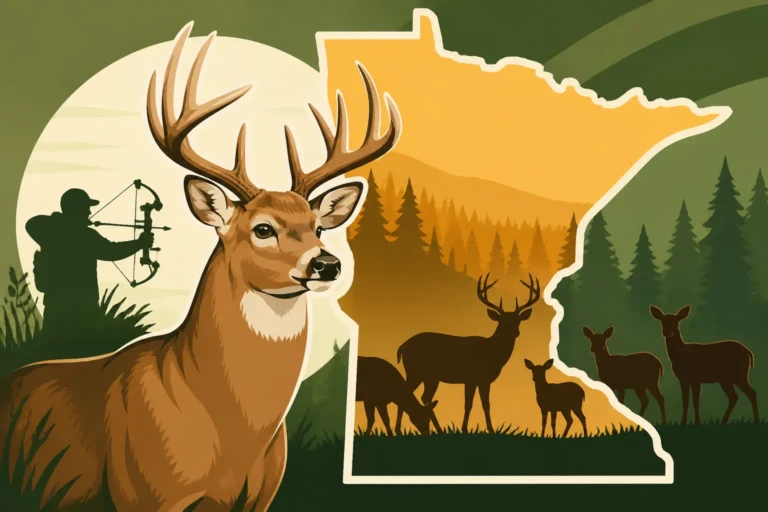
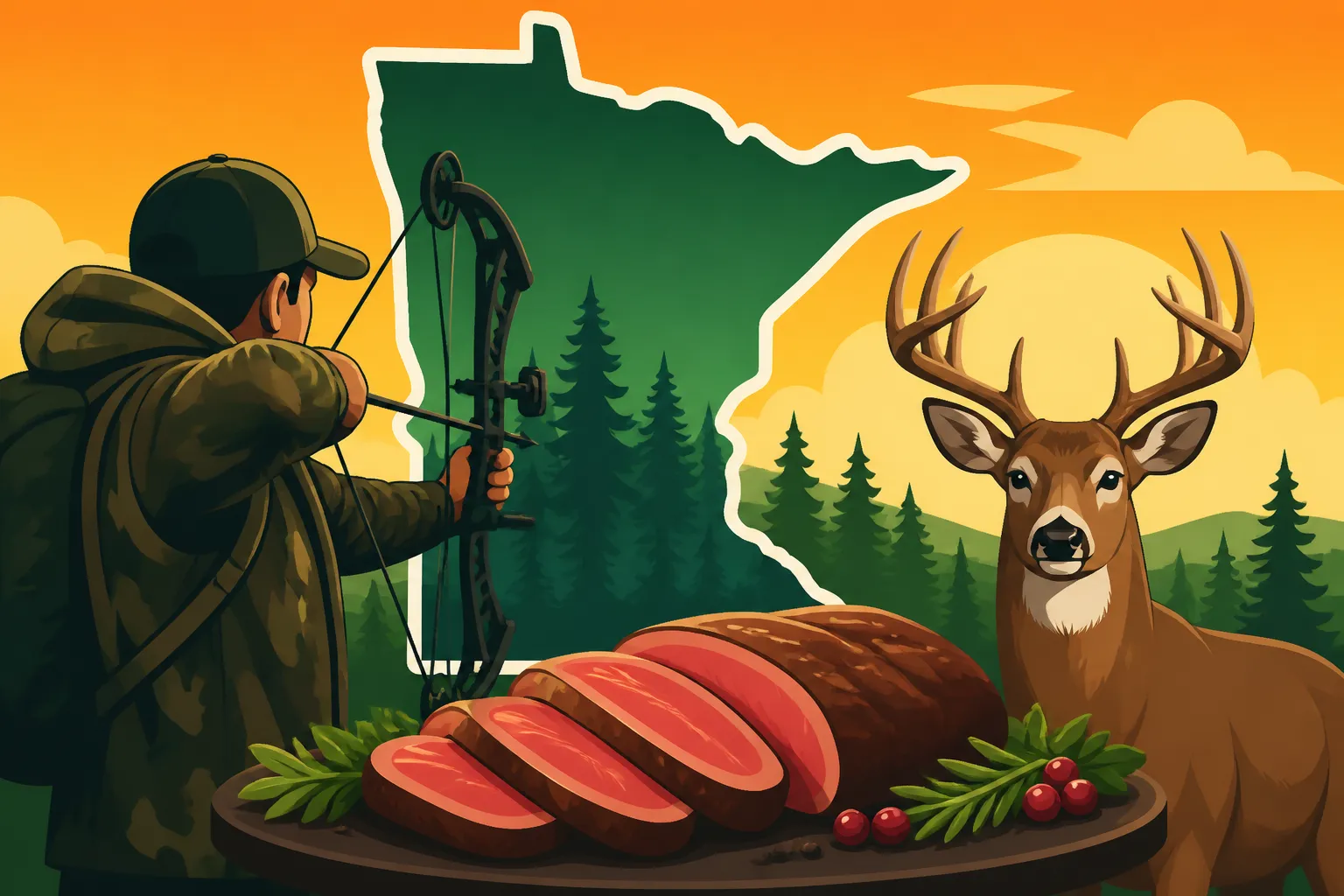
If you're looking for the absolute most tender and mild venison, target young does and fawns. These animals, particularly from agricultural areas where they have access to plentiful, high-quality forage like corn, soybeans, and alfalfa, produce meat that is often incredibly lean, fine-grained, and surprisingly mild. Many people who claim to dislike "gamey" venison have never tried a well-cared-for piece of meat from a young doe. The flavor is a rich, earthy beef-like taste but with its own distinct character.
Preparing meat from these animals is quite forgiving. Because of their tenderness, you can often get away with pan-frying, grilling, or roasting cuts like backstrap, tenderloin, and steaks to a medium-rare without them becoming tough or dry. For roasts and stew meat from the hindquarters, a good marinade or a braise will ensure succulence. Don't be afraid to experiment with herbs like rosemary and thyme, or even a simple garlic and butter pan-sear. The key is not to overcook it, as venison is very lean and can dry out quickly. Understanding your Deer Meat Yield From a Minnesota Buck can help you plan your meals effectively.
Ruffed Grouse – Flavor Profile and Preparation
Ah, the ruffed grouse. Many upland bird hunters will tell you this is king of the table, and for good reason. Often called "woods chickens," grouse meat is incredibly delicate, light, and subtly flavored, almost like a cross between pheasant and the finest free-range chicken, but with a unique wild essence. The breast meat is white and very lean, while the leg and thigh meat is darker and richer. Their diet of aspen buds, clover, berries, and various forbs in places like northern Minnesota's vast aspen forests contributes to this clean, distinct taste.
To truly appreciate ruffed grouse, simplicity is key. Overcooking is the cardinal sin. A quick pan-fry or sauté in butter, perhaps with a touch of garlic and fresh herbs, is often all that's needed. You want to cook the breast just until it's no longer pink in the middle, allowing it to retain its moisture and tenderness. Many hunters enjoy them wrapped in bacon to add a little fat and prevent drying. These birds are a true delight and a testament to the bounty of Minnesota's timberlands. It makes Grouse Hunting Minnesota Aspen Cover doubly rewarding.
Wild Turkey
Minnesota's wild turkeys offer a fantastic culinary experience, though there can be some variation depending on the season and the bird's age. Spring gobblers, especially big, old Toms, are incredibly lean and muscular from all their strutting and chasing hens. Their meat will be flavorful, but can also be tougher. Fall birds, which often include younger jakes and hens, tend to be more tender. Regardless, wild turkey meat is distinctly different from its domestic counterpart – much leaner, with a richer, more intense flavor that hints at the bird's natural diet of acorns, seeds, and insects.
The breast meat of a wild turkey is quite versatile. It can be sliced thin for cutlets, pounded flat for schnitzel, or roasted whole. Brining the breast meat before cooking can help retain moisture and add flavor, which is especially beneficial for those older Toms. For the legs and thighs, which are usually tougher, braising, slow-cooking, or grinding for sausages are excellent options. Many hunters swear by Cooking a Wild Turkey Breast on the grill, achieving a perfect smoky flavor. Don't forget the heart and liver, which are surprisingly delicious when properly prepared.
Waterfowl (Specific Species)
Waterfowl often get a bad rap for being "gamey" or "fishy," but this is largely unfair and usually the result of improper care or cooking, or selecting a notoriously strong-flavored species. When handled correctly, certain Minnesota ducks and geese are incredibly delicious. Mallards, wood ducks, and green-winged teal, especially those feeding in grain fields, are prime examples. Their meat is dark, rich, and has a deep, almost beefy flavor, often described as having notes of liver or even venison.
The key to great-tasting waterfowl starts with quick cooling and breasting out the birds in the field. Don't leave them uncleaned for hours. Once home, many hunters prefer to soak the breast meat in saltwater or buttermilk overnight to draw out any lingering strong flavors. For cooking, think medium-rare. Overcooked duck or goose breast becomes tough and loses its wonderful, rich flavor. A quick sear in a hot pan, skin-side down to crisp the fat, followed by a finish in the oven, is a classic method. Paired with fruits like cherries or oranges, or a red wine reduction, it’s a gourmet experience. For those of us who hunt Minnesota Mallard and Wood Duck Numbers, ensuring excellent table fare is part of the tradition.
The Honorable Mentions: Other Delicious Minnesota Game
While the above might be the usual suspects, Minnesota offers a wider array of delicious wild game that shouldn't be overlooked. Sometimes the best culinary surprises come from the less celebrated species.
Pheasants and Other Upland Birds
Pheasants are another highly prized upland bird in Minnesota, particularly in the prairie counties of the southwest. Their meat is lean, firm, and has a distinctive, slightly sweet flavor that's richer than chicken but less intense than grouse. It's truly excellent table fare. These birds, especially those from areas with abundant corn and grain, have a fantastic, robust taste. Like other birds, quick field dressing and cooling are important to preserve their delicate flavor.
Pheasant breasts are perfect for roasting, grilling, or frying. Because they are lean, a little added fat, like wrapping them in bacon or basting with butter, can help keep them moist. The legs and thighs, while flavorful, benefit from longer, slower cooking methods like braising. Beyond pheasants, don't forget about woodcock. Though small, their breast meat is dark, incredibly tender, and rich, often described as having a unique, almost earthy, foie gras-like quality. Pheasant Hunting Minnesota Farmland can lead to some truly exceptional meals.
Squirrels and Rabbits
Don't knock 'em 'til you've tried 'em! Squirrels and rabbits are often overlooked but provide some of the finest eating in the small game world. Their meat is lean, flavorful, and incredibly versatile. Squirrel meat, especially from younger gray squirrels, is tender and has a mild, sweet, nutty flavor, particularly those harvested from oak ridges where they're feasting on acorns. It’s fantastic fried, stewed, or used in pot pies.
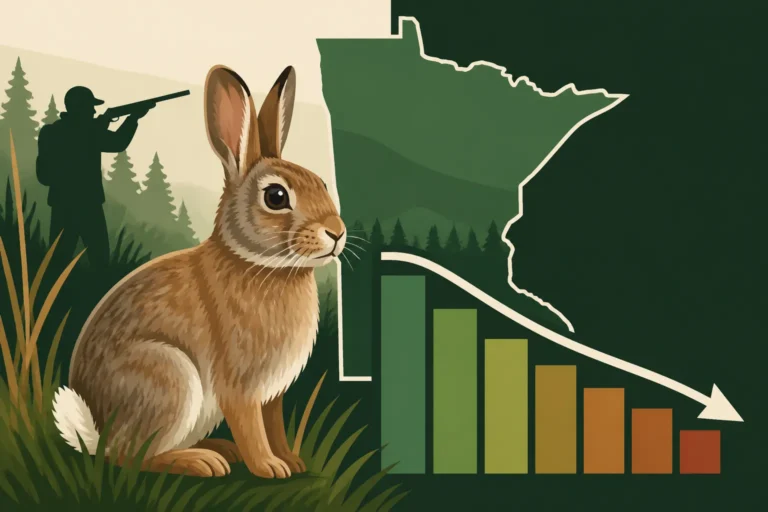
Rabbit and hare meat is also very lean, with a mild, slightly sweet flavor similar to chicken or veal, but with its own distinct wild essence. Snowshoe hares, in particular, offer a good amount of meat. Both rabbits and squirrels tend to be tougher than domesticated counterparts, so moist-heat cooking methods like braising, stewing, or slow-cooking are often preferred for larger, older animals. Fried squirrel or rabbit, however, is a classic for a reason and a perfect reward after a hunt for Squirrel Hunting a Minnesota Oak Ridge. They make for incredibly satisfying and affordable meals.
Black Bear (Specific Cuts and Preparation)
Now, bear meat can be contentious, but hear me out. While it often has a reputation for being strong-flavored or greasy, this isn't always the case, especially with proper handling and preparation. A younger bear, particularly one that has been feeding heavily on berries or corn at a bait site, can yield surprisingly mild and delicious meat. The fat, however, is very rich and distinct, so many hunters opt to trim most of it off before cooking, or render it for other uses.
The key with bear meat is thorough cooking – it must be cooked to well-done to eliminate any risk of trichinosis. Certain cuts, like the backstraps and hindquarters, can be excellent when marinated and slow-cooked, stewed, or ground into sausage. Bear roasts can be incredibly flavorful when braised until fork-tender. Some of the richest cuts, when processed carefully and with proper consideration for temperature and hygiene, truly stand out as unique and delicious. Always remember to prioritize Handling Bear Meat Safely to ensure a quality and safe meal.
Maximizing Flavor: Field to Table Best Practices
No matter what game you’re pursuing in Minnesota, the journey from the field to your dinner plate is critical. Even the best species can turn out disappointing if you don't follow best practices. These steps aren't just about safety; they're about maximizing the incredible flavor potential of your harvest.
Rapid Cooling and Cleanliness
This cannot be stressed enough: get your game cooled down as quickly as possible. As soon as an animal is harvested, its internal temperature will start to rise, and bacteria will begin to multiply, leading to off-flavors and spoilage. For deer and other big game, this means field dressing immediately. Remove the entrails, and if possible, prop open the cavity with a stick or spreader to allow air circulation. In warmer temperatures, you might even consider using ice packs inside the cavity or getting the animal to a walk-in cooler quickly. For smaller game like birds and rabbits, gutting them promptly and placing them in a cooler on ice is essential.
Beyond cooling, cleanliness is paramount. Do your best to keep dirt, leaves, hair, and gut contents off the meat during field dressing and transportation. Carry a small spray bottle of water or some wet wipes to clean your hands and knives. Use clean game bags to protect the meat from flies and debris during transport. A pristine environment in the field translates directly to a cleaner, better-tasting product in the kitchen. Many hunters utilize resources like the GoHunt app to find quick routes back to a vehicle for prompt processing, especially during warmer early archery seasons.
Proper Aging and Processing
Once your game is cooled, the next step is often aging. For many large game animals, particularly deer, aging can significantly improve both tenderness and flavor. Aging allows natural enzymes in the meat to break down muscle fibers, making it more tender, and can also concentrate its flavor. The ideal aging conditions involve a cool, controlled environment (typically 34-40°F) with good air circulation. Depending on the animal's age and conditions, this might range from a few days to over a week for venison. You can find detailed tips on Aging Venison in Cold Weather.
After aging, or immediately if aging isn't feasible, comes processing. This involves butchering the animal into usable cuts. Whether you do this yourself at a deer camp – which can be a fun tradition – or take it to a professional processor, make sure the process is clean and efficient. Wrap cuts tightly in freezer paper or vacuum seal them to prevent freezer burn, which will ruin the flavor and texture of even the best meat. Label everything clearly with the type of meat and the date. Proper packaging is your last line of defense in preserving that wild flavor for months to come.
Cooking Techniques for Wild Game
Finally, the moment of truth: cooking. Wild game is almost universally leaner than farm-raised meat, which means it requires different cooking strategies. Overcooking is the most common mistake, resulting in dry, tough, and less flavorful meals. For tender cuts like backstrap, tenderloin, and breast meat from younger animals or birds, quick, high-heat methods like grilling, pan-searing, or roasting to a medium-rare or medium are often best. These cuts benefit from being served slightly pink in the middle to retain moisture.
For tougher cuts, such as shoulder roasts, shanks, or legs from older animals, low-and-slow cooking methods are your best friend. Braising, stewing, slow-roasting, or using a pressure cooker will break down tough connective tissues, rendering the meat incredibly tender and flavorful. Don't be shy about using marinades, brines, or incorporating additional fats (like bacon, butter, or olive oil) to add moisture and complement the unique flavors of wild game. With a little care and the right techniques, your Minnesota wild game meals will consistently be the stuff of legends around your dinner table. You can even use the GoHunt mapping features to mark favorite cooking spots or camp locations for future culinary adventures.
Disclaimer
This article is for general informational purposes only and does not constitute professional advice. Laws, prices and regulations vary by location and change over time. Consult a qualified professional for guidance on your specific situation.