Minnesota Pheasant Numbers Today
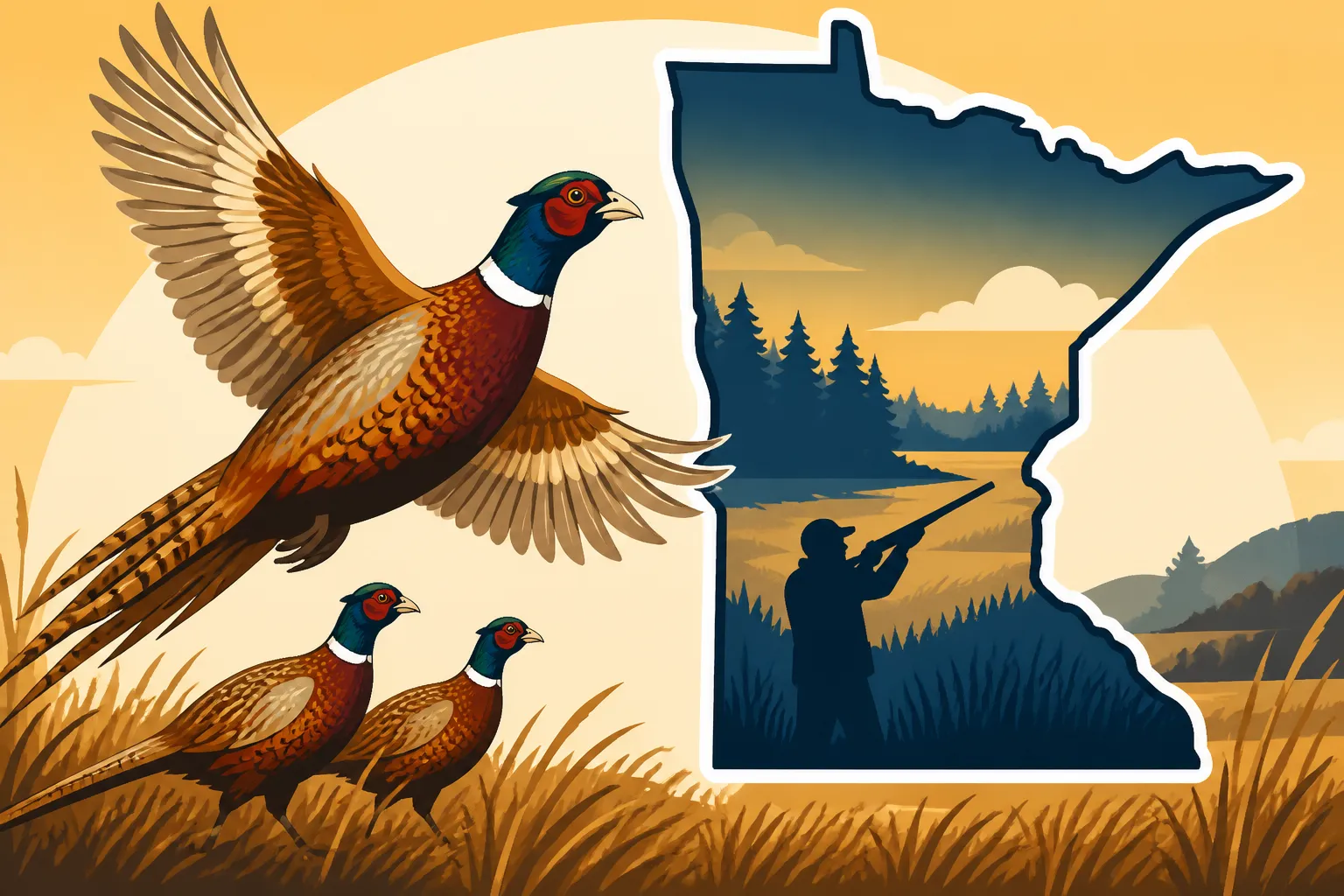
There’s nothing quite like the heart-stopping flush of a rooster pheasant bursting from cover, its cackle echoing across the open fields. For many of us, chasing these vibrant birds across Minnesota’s landscapes is a treasured fall tradition, but it’s no secret that the number of pheasants we encounter can feel like a moving target from one year to the next. This guide is here to unravel the mysteries behind Minnesota's pheasant numbers today, diving deep into the factors that shape these populations and what they mean for your upcoming hunts, offering a realistic look at what to expect in the field.
Understanding Minnesota's Pheasant Population Trends
When we talk about pheasant numbers, it’s not as simple as counting every bird. It's about understanding the intricate dance between habitat, weather, and agricultural practices that dictates how many of those beautiful roosters will be out there for us to chase. The ups and downs are a natural part of wildlife management, and knowing what drives them can really help temper expectations or even point you toward better opportunities.
The Role of Habitat in Pheasant Survival
Pheasants are truly creatures of their environment, and quality habitat is the absolute bedrock of their survival. They need a year-round buffet of different types of cover to thrive. Think about it: a bird needs tall, dense grass for nesting in the spring, which means undisturbed areas that can hold nests safely through the crucial incubation period. If those prime nesting spots are mowed too early, or if there simply aren't enough of them, the breeding success takes a significant hit.
Beyond nesting, pheasants require escape cover—those thick stands of cattails, shelterbelts, or dense brush that offer refuge from predators like coyotes, foxes, and raptors. These spots also provide critical thermal cover, protecting them from Minnesota’s brutal winter winds and heavy snowfalls. Without adequate winter cover, birds are far more susceptible to the elements, expending precious energy just to stay warm, making them weaker and more vulnerable. Food sources, usually found in proximity to these cover types, are also paramount, with waste grain in harvested fields offering a lifeline during the colder months. A patchwork landscape with diverse cover types—nesting, loafing, escape, and winter cover, all intertwined with food—is the dream scenario for pheasants. Places like many of our Wildlife Management Areas (WMAs) and Waterfowl Production Areas (WPAs) are designed specifically to provide these diverse habitats, which is why they often become magnets for birds. You can learn more about finding good areas by checking out Pheasant Hunting Minnesota Farmland.
How Weather Impacts Pheasant Broods
Weather isn't just a nuisance for us hunters; it's a make-or-break factor for young pheasants. The critical window for pheasant reproduction is late spring and early summer when chicks are hatching and growing. A cold, wet spring can be absolutely devastating for tiny pheasant chicks. They are particularly vulnerable to hypothermia, and prolonged periods of rain and low temperatures mean fewer insects, which are a vital protein source for their rapid growth. Imagine a clutch of day-old chicks, barely bigger than golf balls, trying to survive a week of cold, driving rain. Many simply won’t make it.
Conversely, a warm, relatively dry spring and early summer can lead to booming hatches and high chick survival rates. When the conditions are just right, hens can successfully bring off large broods, and those chicks grow quickly, making them more resilient to predators and subsequent weather shifts. A mild winter preceding the spring can also contribute to higher overwinter survival of adult birds, meaning more hens are around to nest in the first place. So, while we might grumble about the weather affecting our comfort in the blind or stand, pheasants are truly living or dying by it, especially during those early, vulnerable stages of life.
The Minnesota Pheasant Index Survey and What It Tells Us
For decades, the Minnesota Department of Natural Resources (DNR) has conducted its annual roadside pheasant survey, often referred to as the "pheasant index." This survey is our best statewide indicator of how the pheasant population is trending. It’s not a precise count of every bird, but rather a standardized method to track changes over time, giving us valuable insight into population health.
How Roadside Surveys Are Conducted
The roadside pheasant survey is a truly consistent effort, designed to minimize variables and provide comparable data year after year. Every August, DNR staff and volunteers drive designated routes, typically 25 to 30 miles long, spread across the pheasant range. These routes are usually driven early in the morning, right around sunrise, when pheasants are most active and visible along roadsides, often heading to or from roosting sites or feeding areas. The observers record every pheasant they see, distinguishing between adults and young, and noting brood sizes. They also count other game birds like gray partridge.
The consistency of the routes, the time of day, and the method of observation are all crucial. This standardization allows wildlife managers to compare the number of birds observed per route, or the average brood size, from one year to the next. It’s like taking a pulse on the pheasant population, providing a reliable gauge of whether numbers are up, down, or holding steady. While it won't tell you exactly how many pheasants are on your favorite quarter-section of public land, it absolutely provides a strong regional picture that can inform your hunting plans. You can often find summaries of these results, and many hunters use tools like GoHunt to cross-reference these regional trends with specific public land maps before they head out.
Interpreting the Survey Results Beyond the Numbers
When the DNR releases the pheasant index results, it's easy to get caught up in the headline numbers: "up X percent" or "down Y percent." However, truly understanding the survey means looking beyond the raw percentages. A slightly lower statewide index doesn't necessarily mean there are no birds; it might mean they are more concentrated in areas with better habitat, or that certain regions fared better than others. It's crucial to examine the regional breakdowns. For instance, sometimes the southwestern part of the state might show a significant increase, while the central pheasant range might be flat or slightly down. This kind of detail can help you strategize where to focus your hunting efforts.
Furthermore, the brood size reported is often as important, if not more important, than the total number of birds seen. A high average brood size suggests a successful nesting and rearing season, which bodes well for the overall population going into the fall and the following year. Conversely, small average brood sizes, even if overall bird numbers aren't drastically down, can indicate challenges during the critical early life stages. Hunters should also consider the broader context: what was the winter like? How much quality nesting cover was available in the spring? Was there a prolonged wet spell in June? All these pieces fit together to paint a more complete picture of the pheasant year. This is where researching historical data and using mapping applications like GoHunt can give you an edge, helping you identify areas that consistently hold birds even in tougher years, based on available cover and past survey trends.
| Factor | Impact on Pheasant Numbers (General Trend) | Importance Level | Notes |
|---|---|---|---|
| Habitat Requirements: | Impact on Pheasant Numbers: | Hunting Considerations: | |
| Winter Cover: | Dense thickets, cattail sloughs, evergreens | High | If winter cover is scarce, expect fewer birds due to starvation or exposure. If you are using an app like GoHunt, look for these types of cover. |
| Nesting Cover: | Ungrazed grasslands, CRP (Conservation Reserve Program) fields, hayfields | Very High | Crucial for brood success. Poor nesting cover leads to fewer chicks. Focus scouting on large blocks of undisturbed grass. |
| Brood Rearing Cover: | Grasslands with forb diversity (weeds), crop field edges, food plots | High | Provides insects for chicks. Areas with diverse plant life are often better. |
| Escape Cover: | Brushy draws, shelterbelts, thick fencerows, heavy timber edges | High | Essential for evading predators. Birds will congregate near these areas when pressured. |
| Food Sources: | Waste grain in harvested corn/soybean fields, natural seeds, insects | High | Keeps birds fed, especially in winter. Focus on fields near good cover. |
| Water Sources: | Dew, small puddles, moist vegetation | Medium | Less critical than for some other species, but available water is always beneficial. |
Where Minnesota's Pheasant Strongholds Remain
Despite the fluctuating numbers, certain parts of Minnesota consistently offer better pheasant hunting opportunities. These are typically areas where the landscape provides a more stable foundation of the necessary habitat components, even amidst agricultural changes and varying weather patterns. Understanding these strongholds and what makes them tick can guide your pre-season scouting.
The Importance of Southwest Minnesota Farmland
When you think of prime pheasant country in Minnesota, the mind almost immediately drifts to the southwest region, and for very good reason. This area, largely defined by its extensive agricultural landscape, still holds the highest pheasant densities. But it’s not just the corn and soybean fields; it’s the way these fields intersperse with critical blocks of perennial cover. We’re talking about vast stretches of land enrolled in conservation programs like the Conservation Reserve Program (CRP), which provides dense nesting and winter cover. These tracts of undisturbed grasslands, often buffered by wetlands and sloughs, create vital pheasant sanctuaries within the larger farming mosaic.
The success of pheasants in southwest Minnesota comes down to this unique blend: an abundance of food provided by the waste grain after harvest, coupled with enough contiguous, high-quality cover to support breeding and overwinter survival. Hunters who learn to read these landscapes, identifying where food sources meet thick cover, often find the most success. This often means focusing on the edges where a vast cornfield borders a CRP field or a cattail slough. Even with the best intentions, habitat changes are constant, and knowing where to start looking, perhaps using a mapping tool like GoHunt to scope out potential public lands and their surrounding landscape, is half the battle. This region is truly the heartland for Pheasants on Minnesota Farmland.
Identifying Quality Cover in the Field
Knowing that habitat is king is one thing, but actually identifying quality cover when you’re out in the field is another. Quality isn't just about height or density; it’s about structure and location relative to other habitat types. For example, a vast block of short, sparse grass might look like cover, but it won’t hold pheasants through a blizzard. What you're really looking for is diverse, multi-layered cover that offers both concealment and protection.
Think about a cattail slough: it provides incredibly dense thermal and escape cover, often holding birds right through the winter. A shelterbelt, a line of trees and shrubs, acts as a windbreak and escape route, especially when Working a Shelterbelt for Roosters. Even something as seemingly simple as a thick fenceline choked with brush can be a prime travel corridor or loafing area for birds. When scouting, pay attention to how different cover types connect. Pheasants rarely live in just one type of cover; they move between nesting, feeding, and escape cover throughout the day and the seasons. The best spots are often transitional zones—the edge of a standing cornfield next to a grassy ditch, or a brushy creek bottom bordering a harvested soybean field. These are the places where pheasants feel secure, yet have easy access to food.
Factors Influencing Future Pheasant Numbers
Looking ahead, predicting pheasant numbers is always a challenge, but by understanding the ongoing efforts and the larger trends, we can get a better sense of the future. It’s a constant battle between agricultural demands, conservation initiatives, and Mother Nature's unpredictable moods.
Conservation Efforts and Their Impact
The future of Minnesota's pheasants is inextricably linked to ongoing conservation efforts. Programs like the Conservation Reserve Program (CRP) are vital, paying landowners to convert marginal cropland back into perennial cover, providing critical nesting, brood-rearing, and winter habitat. The more acres enrolled in these programs, especially in contiguous blocks, the more stable the pheasant population tends to be. Hunters and conservationists also contribute through organizations like Pheasants Forever, which works directly with landowners and public agencies to create and restore habitat through initiatives like food plots, prescribed burns, and grassland plantings.
These efforts are not just about adding acres; they're about strategic habitat development. Creating diverse cover types, ensuring connectivity between different parcels, and providing winter food sources near heavy cover are all part of the equation. Without dedicated conservation groups and sustained funding for habitat programs, pheasant numbers would undoubtedly face even greater challenges. So, when you purchase your Minnesota Pheasant Stamp Requirement, you're directly contributing to these vital efforts, ensuring that future generations have opportunities to experience the thrill of the hunt.
Hunter Participation and Outlook
Hunter participation also plays a role, albeit a different one, in the outlook for pheasant numbers. Strong hunter numbers often translate to more support for conservation through license sales and stamp purchases. When hunters are engaged, they are more likely to advocate for policies that protect and enhance pheasant habitat. On the other hand, declining hunter numbers can potentially lead to less funding for wildlife agencies and habitat initiatives over time.
For the individual hunter, the outlook for a given season is a mix of statewide trends and personal effort. A low pheasant index might mean you need to adjust your tactics, perhaps walking further, hunting thicker cover, or focusing on areas known for consistently holding birds even in lean years. It might also mean collaborating with friends on effective strategies like Deer Drives With Three or Four Hunters adapted for pheasants, or working dogs more strategically to root out elusive roosters in tough cover. While challenging, some of the most memorable hunts come from figuring out tough birds in a tough year. With tools like GoHunt, hunters can spend less time guessing and more time strategically scouting and hunting, maximizing their chances regardless of the overall numbers. Remember, even in years when the numbers are lower, there are always birds to be found by those willing to put in the work.
Disclaimer
This article is for general informational purposes only and does not constitute professional advice. Laws, prices and regulations vary by location and change over time. Consult a qualified professional for guidance on your specific situation.