Why Minnesota Keeps the Elk Tag So Limited
It’s a dream for so many of us Minnesota hunters: the chance to pursue an elk in our home state. But if you’ve ever looked into it, you know that dream often feels incredibly distant, almost like winning the lottery. You scroll through the DNR's regulations, see the tiny number of tags issued, and a wave of frustration washes over you. Why are Minnesota elk tags so incredibly limited? This guide is going to dig deep into the history, biology, and management decisions that explain why hunting Minnesota's majestic elk herds is such a rare and highly coveted opportunity.
The Scarcity of Minnesota's Elk Herds
When we talk about elk in Minnesota, we're not talking about the vast populations you might find out West. Our state's elk herds are a fragile and precious resource, the result of decades of conservation efforts to bring them back from the brink. Understanding their history and current status is key to grasping why hunting opportunities are so few and far between.
A Brief History of Elk in Minnesota
It's easy to forget that elk were once a native species across much of Minnesota, roaming the prairies and forests long before European settlement. Historical accounts and archaeological findings confirm their widespread presence. However, as settlement pushed westward, bringing with it unrestricted hunting, habitat destruction, and conversion of land to agriculture, Minnesota's elk population plummeted. By the early 1900s, they were largely extirpated from the state. For decades, the Minnesota landscape was devoid of these magnificent animals.
The story of their return is a testament to dedicated conservation. Reintroduction efforts began in earnest in the late 1980s and early 1990s, with elk brought in from other states and released into suitable habitats in northwestern Minnesota. These efforts were carefully planned, taking into account habitat availability, potential for human-wildlife conflict, and the genetic health of the reintroduced animals. It was a slow, deliberate process, focused on establishing sustainable breeding populations, not instant hunting opportunities. This foundational reintroduction underpins much of the management philosophy we see today. You can read more about Where the Minnesota Elk Herd Came From and When Elk Were Reintroduced to Minnesota.
Current Population Status and Distribution
Today, Minnesota is home to a very modest elk population, primarily concentrated in the northwestern corner of the state. We essentially have two distinct herds that are regularly monitored: the Kittson County herd and the Marshall County herd. These herds are relatively small, especially when compared to those in states like Montana or Colorado. While the exact numbers fluctuate year to year due to reproduction, mortality, and dispersal, the overall population remains in the hundreds, not thousands. These animals occupy a mosaic of agricultural fields, brushlands, and small forest patches, often near the Canadian border. There are also occasional reports of small, transient groups in other areas, but they haven't established self-sustaining populations like the northwestern herds.
The DNR works diligently to monitor these herds through aerial surveys, ground observations, and public reports. This constant vigilance helps them understand herd health, population trends, and movement patterns. The stability and slow growth of these herds are paramount to management decisions. If you're interested in the specifics, it's worth checking out information on How Many Elk Minnesota Has and The Kittson and Marshall County Elk Herds.
Habitat Challenges and Management Zones
One of the biggest limiting factors for Minnesota's elk population, and consequently for hunting opportunities, is suitable habitat. Elk are large animals with expansive home ranges, requiring vast tracts of diverse habitat for foraging, calving, and protection. Northwestern Minnesota, while offering some excellent areas, is a patchwork of agriculture, small woodlots, and brushlands. Expanding their range significantly brings them into conflict with agricultural interests, primarily through crop damage. This is a very real concern for landowners who rely on their fields for their livelihood.
To manage these challenges, the DNR has established specific elk permit areas. These areas are carefully delineated based on elk distribution, habitat quality, and landowner tolerance. The hunting seasons, when they occur, are strictly confined to these zones to ensure that hunting pressure is focused appropriately and doesn't push elk into areas where they are unwelcome or where their survival might be jeopardized. Maintaining this delicate balance between elk conservation, landowner concerns, and the desire for hunting opportunities is a complex task.
Here's a general overview of the herd sizes, which are always subject to change:
| Elk Herd | Primary Location | Estimated Population Size (General) | Notes |
|---|---|---|---|
| Kittson County Herd | Northwestern Minnesota | Smaller, more concentrated herd | Often utilizes agricultural lands adjacent to brush and timber. |
| Marshall County Herd | Northwestern Minnesota | Larger, more dispersed herd | Mix of farmland, brushland, and some forested areas. |
| Other Sightings | Northeast, central Minnesota | Very few, transient individuals | Not considered self-sustaining herds; sporadic appearances. |
Remember, these population sizes are estimates and can fluctuate. Always check the current DNR reports for the latest data.
Biological and Social Factors Limiting Tag Numbers
Beyond just their history and habitat, there are crucial biological and social considerations that directly impact how many elk tags Minnesota can responsibly issue. It's a careful dance between science and public interest.
The Biology of Elk Reproduction and Survival
Elk are not like white-tailed deer, which can reproduce rapidly under favorable conditions, often having twins or even triplets. Elk typically have a single calf per breeding season, and while a healthy cow can breed annually, calf survival rates can vary significantly due to predation, harsh winters, and disease. It takes several years for a calf to mature into a productive member of the herd. This slower reproductive rate means that populations grow at a much slower pace than deer. Any significant loss of animals, whether through hunting, disease, or other mortality factors, takes a longer time for the herd to recover from.
Managers must be extremely cautious not to overharvest, as even a small number of tags could have a disproportionate impact on such small, recovering populations. The goal is sustainable growth, and that means prioritizing the long-term health and expansion of the herd over maximizing short-term hunting opportunities. Factors like Wolves and Minnesota Elk Calves also play a role in natural mortality, adding another layer of complexity to population management.
Managing for Genetic Diversity and Herd Health
Maintaining a healthy and genetically diverse elk herd is another paramount concern. When populations are small and isolated, there's a risk of inbreeding, which can lead to reduced fertility, lower disease resistance, and overall weaker animals. Conservation efforts aim to ensure a broad genetic base to give the herd the best chance of long-term survival and adaptability. Overharvesting specific age classes or sexes could inadvertently impact this genetic health, hence the strict controls.
Furthermore, disease management is a constant threat. Chronic Wasting Disease (CWD), while primarily associated with deer, is a major concern for elk populations across North America. While CWD has not been detected in Minnesota's wild elk herds, the DNR is proactive in its surveillance. Other diseases like EHD (Epizootic Hemorrhagic Disease) can also impact elk. Any outbreak could devastate a small herd, making careful management of herd density and movement critical. Limiting tag numbers helps maintain a population that is less stressed and potentially more resilient to disease. This also ties into broader efforts like Minnesota Wildlife Disease Monitoring across all big game species.
Balancing Hunter Demand with Conservation Goals
The demand for an elk tag in Minnesota vastly outstrips the supply, year after year. Hunters are passionate about the opportunity, and many dream of pursuing an animal that symbolizes the wildness of our state's past. However, the conservation goals for elk are primarily focused on population recovery and establishment, with hunting being a secondary tool used only when the herd can sustain it without jeopardizing long-term growth.
For the DNR, it's not just about managing a game species; it's about re-establishing a vital part of Minnesota's natural heritage. They also consider the value of elk for wildlife viewing and tourism, especially in areas like northwestern Minnesota where they are a unique attraction. This means striking a delicate balance: providing limited, highly controlled hunting opportunities while ensuring the herds continue to grow and thrive for future generations and for the enjoyment of all Minnesotans. The small number of tags is a direct reflection of this commitment to conservation first.
The "Once-in-a-Lifetime" Permit System
If you've ever applied for a Minnesota elk tag, you're familiar with the "once-in-a-lifetime" rule. This isn't just a quirky regulation; it's a fundamental part of the state's strategy to manage an extremely limited resource and offer a fair, albeit rare, chance to as many hunters as possible.
Understanding the Lottery and Preference Points
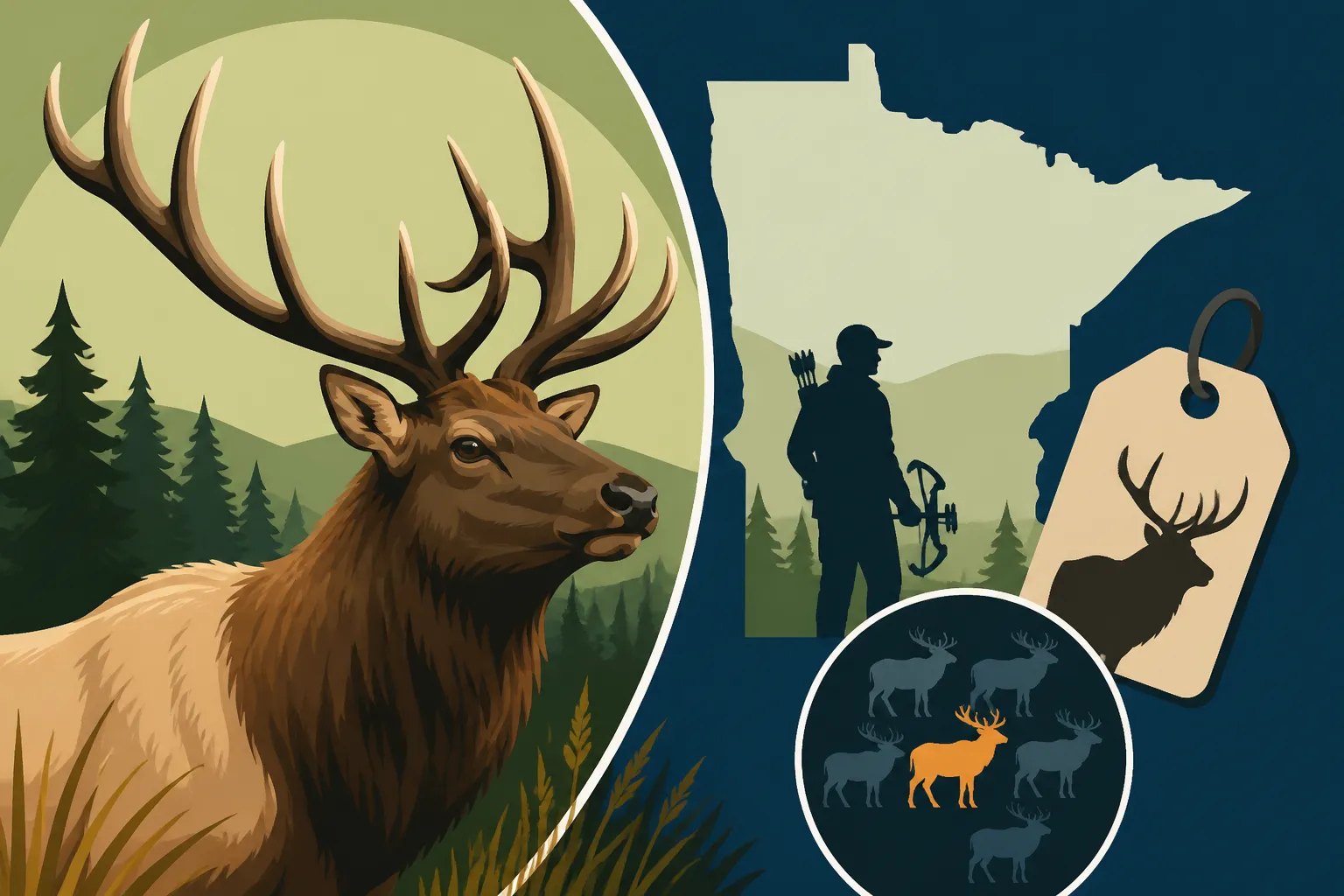
The only way to hunt elk in Minnesota is through a special lottery system. This is not a general over-the-counter license. Hunters must apply during a specific application period, usually in the late spring or early summer. When applying, you're entering a draw for a permit in one of the specific elk permit areas. These areas align with the known herds in Kittson and Marshall counties, and the number of permits for each area is painstakingly determined based on population surveys and management objectives.
Minnesota uses a preference point system for its elk lottery. This means that for every year you apply and are unsuccessful in drawing a tag, you accrue a preference point. These points are designed to give applicants who have waited longer a statistically better chance in subsequent draws. It doesn't guarantee a tag, but it improves your odds over time. Many dedicated elk hunters apply year after year, sometimes for decades, building up a significant number of points, all hoping their number will eventually come up. Tools like those offered by GoHunt can be incredibly helpful for researching draw odds and understanding how many points you might need, though Minnesota's system is unique. You can find detailed breakdowns of the process in guides like Minnesota Elk Lottery Rules and Minnesota Elk Lottery Application Deadline.
The Rarity of Drawing a Tag
Let's be blunt: drawing a Minnesota elk tag is incredibly difficult. The number of applicants far, far exceeds the handful of tags issued each year. We're talking about odds that often feel astronomical. Even with a significant number of preference points, there's no guarantee. It truly is a lottery in every sense of the word. Some years, only a single tag or a small handful might be issued for an entire permit area. This rarity is precisely what drives the high demand and the intense excitement for those lucky few who do draw.
This extreme limitation means that most hunters will apply for years, even decades, without success. It's a long game, a test of patience and persistence. The "once-in-a-lifetime" aspect further emphasizes this rarity: once you draw a tag and successfully hunt an elk in Minnesota, you are generally not eligible to apply again. This ensures that the limited opportunities are spread among the largest possible pool of hunters over time. If you're considering applying, it's wise to research past draw odds, which you can often find through resources like GoHunt, to set realistic expectations. For specifics on past success, consider looking into Elk Hunting Odds in Kittson County.
Why the Restrictive Tag is Crucial for Elk Recovery
The "once-in-a-lifetime" rule, along with the incredibly limited number of tags, is not designed to frustrate hunters. Instead, it's a critical management strategy. It serves several vital purposes:
- Ensuring Population Growth: By strictly limiting harvest, the DNR prioritizes the continued growth and stability of the small, recovering herds. Every elk is precious to reaching sustainable population levels.
- Spreading Opportunity: Given the severe scarcity, the "once-in-a-lifetime" rule ensures that over time, more individual hunters get a chance at this unique experience, rather than a select few drawing tags repeatedly. It fosters a sense of equity among the hunting community.
- Preventing Overharvest: Even a small overharvest could have devastating long-term consequences for herds that are still in their recovery phase. The conservative approach minimizes this risk.
- Minimizing Conflict: By keeping elk populations contained within specific zones and carefully managing their numbers, the DNR aims to reduce conflicts with agriculture and human development, which is essential for public acceptance of elk presence in the state.
This restrictive system is a long-term investment in the future of Minnesota's elk. It's about protecting what we have, encouraging it to grow, and only then, cautiously, providing highly controlled hunting opportunities.
The Future of Minnesota Elk Hunting
What does the future hold for Minnesota's elk and the hunters who dream of pursuing them? It's a complex picture, heavily reliant on conservation efforts, habitat management, and public support.
Ongoing Conservation Efforts and Research
The Minnesota DNR, along with partner organizations and landowners, is continuously engaged in a variety of conservation efforts to support the state's elk herds. This includes habitat improvement projects, such as restoring native grasslands, managing brushland, and ensuring access to vital water sources. These efforts are crucial for providing the necessary food, cover, and breeding grounds for elk.
Research is also an ongoing component of elk management. Scientists study everything from elk diet and movement patterns to calving success and disease vectors. Understanding these intricate details helps managers make informed decisions about herd health, population objectives, and, ultimately, sustainable hunting levels. For instance, studies on elk dispersal help inform where future populations might be able to expand without creating undue conflict. Continued vigilance for Chronic Wasting Disease in Minnesota Deer also extends to elk, given the potential for interspecies transmission.
Potential for Herd Expansion
While the current elk populations are small and largely confined to northwestern Minnesota, there is always hope for future expansion. However, this comes with significant challenges. Large tracts of connected, suitable habitat are scarce, and the potential for conflict with agriculture and human development remains a major hurdle. Any expansion would need to be carefully managed, likely involving public education, landowner cooperation, and potentially even new reintroduction efforts in other suitable, less developed areas.
The prospect of elk returning to parts of their historic range, particularly in the northern forests, is an exciting one for many. However, establishing new, self-sustaining herds is a monumental undertaking that requires substantial resources and long-term commitment. Until then, the existing herds in the northwest will remain the primary focus of management efforts, and any increases in hunting opportunities will be slow and incremental, directly tied to observed population growth and health.
Advocating for Elk and Participating in Conservation
For passionate hunters and wildlife enthusiasts, there are ways to contribute to the future of Minnesota's elk, beyond just applying for a tag. Supporting conservation organizations that work on habitat restoration and wildlife advocacy can make a tangible difference. Participating in public input processes regarding wildlife management plans, if available, is another way to make your voice heard.
Additionally, education is vital. Understanding the challenges faced by elk and sharing that knowledge respectfully with others helps build broader public support for these animals. Remember, the limited nature of the elk tag is not a punitive measure; it's a reflection of the significant investment being made in bringing these magnificent creatures back to Minnesota's landscape. By supporting these efforts, we can help ensure that the elusive Minnesota elk continues to be a part of our state's wild heritage for generations to come.
Disclaimer
This article is for general informational purposes only and does not constitute professional advice. Laws, prices and regulations vary by location and change over time. Consult a qualified professional for guidance on your specific situation.