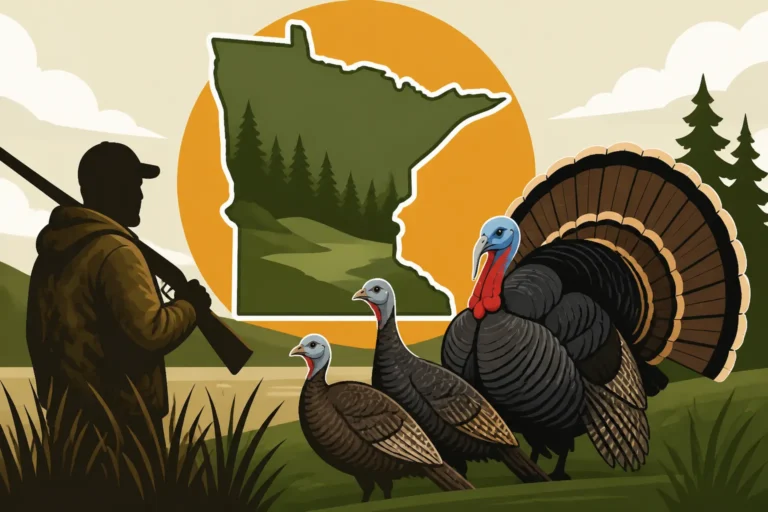
Minnesota Turkey Preference and Leftover Tags
It's a familiar feeling for many Minnesota turkey hunters: that mix of excitement and anxiety as spring approaches, wondering if you'll actually draw a tag for your favorite zone and period. The system can sometimes feel like a puzzle, with preference points dictating draw odds and leftover tags appearing like fleeting shadows. This guide is designed to clarify the ins and outs of Minnesota's turkey tag system, helping you understand how preference points work and how to snag those coveted leftover tags to get you into the woods.
Understanding Minnesota's Turkey Lottery System
Hunting wild turkeys in Minnesota is incredibly popular, especially during the spring season. Because demand often outstrips the number of available tags in prime areas and early periods, the Minnesota DNR utilizes a lottery system for its spring turkey hunts. This system ensures fair access but also means hunters need to understand the nuances, particularly how preference points can impact their chances. It’s not just about applying; it’s about applying strategically.
What are Turkey Preference Points?
Think of a preference point as a small boost to your chances in future turkey permit drawings. Every time you apply for a spring turkey license lottery and are not selected, you earn one preference point for the next year. These points are accumulated and carried over from year to year, significantly improving your odds of drawing a permit in subsequent lotteries. It’s the DNR's way of rewarding persistent hunters who might have been unlucky in previous draws. However, once you successfully draw a permit, your accumulated preference points reset to zero. This ensures that the system doesn't create an insurmountable advantage for a few individuals year after year, giving new hunters and those without points a reasonable chance as well. It’s a delicate balance designed to distribute opportunities over time.
For example, if you applied for a coveted Period A tag in southeastern Minnesota for three straight years and didn't draw, you'd have three preference points going into the fourth year's drawing. Those three points would give you a much higher priority than someone applying for the first time or someone who had successfully drawn a tag last season. This system is crucial because some of the most popular zones and earliest periods, especially in areas known for high turkey populations, are almost impossible to draw without accumulating a few points. It encourages consistent participation in the lottery process, even if your immediate goal isn't met.
Applying for the Initial Spring Turkey Lottery
The application period for the spring turkey lottery typically opens in January and runs through mid-February. It's a critical window, and missing the deadline means you'll have no chance at a lottery-drawn tag, forcing you to rely solely on leftover permits. When you apply, you'll need to specify your preferred turkey permit area (TPA) and a hunting period. Minnesota offers several distinct periods, usually A through G, spanning from mid-April to the end of May. Choosing your TPA and period wisely is paramount. If you're a first-time applicant or have few preference points, applying for a highly sought-after zone like those found in the southeastern bluff country during an early period (A or B) is often a long shot. You're better off considering less popular periods, such as D, E, F, or G, or looking at zones further north in the state that see less pressure.
Many hunters use online tools and resources to scout their options. Websites and apps like GoHunt can provide valuable insights into draw odds from previous years, helping you make an informed decision on which permit areas and periods might offer a better chance of success based on your current preference point status. This isn't just about picking a random spot; it's about making a calculated choice that balances your desire for a specific hunt with the reality of draw statistics. Taking the time to research the various zones and periods, understanding their historical draw success rates, and assessing your own preference point accumulation is key to a successful application. You can find detailed breakdowns of these choices in resources like our guide on Minnesota Spring Turkey Zones and Periods.
How Preference Points Affect Your Draw Odds
The impact of preference points on your draw odds is significant. In highly desired areas, drawing a tag without any points is often statistically improbable. As more hunters accumulate points, the baseline "successful draw" point level tends to rise for those prime locations and periods. This means if you want to hunt those popular early seasons in areas with high turkey densities, you'll likely need to invest a few years in applying and accumulating points. However, for less competitive periods or zones, a single preference point, or even none at all, might be enough to secure a tag.
Consider a scenario where a specific permit area and period consistently requires at least three preference points to draw. If you have zero or one point, your chances are virtually nil. But if you've been building up points and hit that three-point threshold, your odds suddenly become very good. This system makes the process fair in the long run, ensuring that persistent hunters eventually get their chance at the most popular hunts. It’s a good idea to track your points each year and adjust your application strategy accordingly. If your goal is simply to hunt turkeys every year, regardless of the specific week or location, then opting for later periods or less pressured zones will almost certainly result in a tag, either through the lottery with few points or by utilizing the leftover tag process.
Navigating the World of Leftover Turkey Tags
Even if you miss the initial lottery deadline or don't draw a tag, all is not lost! Minnesota's system for distributing leftover turkey tags provides a crucial second chance for many hunters. These tags become available after the initial lottery drawings are completed and are sold on a first-come, first-served basis. For many, this is their primary route to a spring turkey hunt, offering flexibility and often easier access, albeit usually for later periods or less popular zones.
When and Where Leftover Tags Become Available
Leftover spring turkey tags typically become available for purchase in mid to late March, after the lottery results have been announced. The Minnesota DNR will announce the exact date and time for sales, and it's imperative to mark this on your calendar and be ready to act quickly. These tags are sold through the DNR's electronic licensing system, eLicense, which can be accessed online or through authorized license vendors. The specific availability of leftover tags depends entirely on what didn't get drawn in the lottery. Generally, you'll find more tags for the later hunting periods (Periods D, E, F, and G) and in permit areas that see less overall application pressure, often in northern or central Minnesota. Early periods (A, B, and C) and high-demand zones are far less likely to have leftover tags, or if they do, they sell out in mere minutes.
The key to securing a leftover tag is speed. On the designated sale morning, it's wise to be online and ready to purchase precisely when sales open. Think of it like trying to get concert tickets for a popular band. You need to know which zone and period you want, have your account logged in, and be ready to click "buy" the moment the option appears. Many hunters keep multiple tabs open or have a backup plan for a second or third choice, just in case their initial preference sells out immediately. Having a good internet connection and a pre-loaded account can make all the difference between getting a tag and being shut out for the season.
Strategies for Securing a Leftover Tag
Since leftover tags are first-come, first-served, strategy revolves heavily around being prepared and quick. First, do your research before the sale date. Review the DNR's leftover tag list, which is usually posted a few days beforehand, to identify your top three to five preferred permit areas and periods. Consider areas where you have existing scouting knowledge or public land access. Our guide on Scouting Minnesota Public Land Before Season can offer valuable tips for identifying potential hunting grounds. Secondly, ensure your eLicense account is active and you remember your login credentials. On sale day, log in a few minutes before the designated start time. Have your credit card information readily available.
Another tactic is to consider the "sleeper" zones. These are permit areas that might not be renowned for trophy birds but often hold good, huntable populations and have less competition. Sometimes, these are areas with a mix of public and private land, or those a bit further off the beaten path. Using mapping tools, possibly even those offered by platforms like GoHunt, can help you identify these overlooked spots. Flexibility is also a massive advantage. If your heart is set on a specific early period, you might be out of luck with leftover tags. However, if you're open to hunting during one of the Hunting a Late Turkey Period in Minnesota or in a less traditional turkey county, your chances of securing a tag skyrocket. The goal is to get a tag in hand, and sometimes that means adjusting your expectations for the specific timing or location.
Choosing a Leftover Tag: Zones and Periods to Consider
When you're sifting through leftover tags, you'll generally find a better selection in the later hunting periods, from Period D through G. By late May, many birds have bred, hens are nesting, and gobblers might be less vocal, but they are still very callable if you find them. These later periods often mean warmer weather, which can be a plus or a minus depending on your preference. Less popular permit areas, particularly those in the northern transition zones where turkey populations are lower or more scattered, are also more likely to have tags available. These areas might require a bit more legwork in terms of scouting and finding birds, but they offer a quieter, more solitary hunting experience away from crowds.
Don't automatically dismiss a permit area just because it's not a "traditional" turkey hot spot. Some of the most rewarding hunts come from figuring out a new area. Look for public lands, such as Wildlife Management Areas (WMAs) or State Forests, within those available zones. Even if the overall turkey density is lower, concentrated efforts in specific pockets of habitat can yield success. Think about how you might apply Run-and-Gun Turkey Tactics on Public Land in these areas, covering more ground to locate birds. It often comes down to adapting your hunting style to the available opportunities.
Here's a quick comparison of general scenarios when considering lottery vs. leftover tags:
| Feature | Lottery Application (Initial Draw) | Leftover Tag Purchase |
|---|---|---|
| Availability | All zones/periods, applied for in Jan/Feb | Remaining tags after lottery, sold in March |
| Draw Method | Random draw, weighted by preference points | First-come, first-served |
| Preference Pts | Earned if unsuccessful, used to improve odds | Not applicable for purchase, points reset on successful lottery draw only |
| Likely Periods | All, but early periods (A-C) are high demand | Primarily later periods (D-G), less demanded |
| Likely Zones | All, but prime zones (e.g., SE) are high demand | Less popular or northern zones, lower density areas |
| Chance of Tag | Dependent on points, competition, chosen period/zone | High if prepared and flexible; low for prime tags |
| Flexibility | Low once submitted | High, as you choose what's currently available |
Maximizing Your Chances for a Minnesota Turkey Tag
Getting a turkey tag in Minnesota isn't just about luck; it's about making smart, informed decisions throughout the application and purchasing process. By understanding the system and leveraging available tools, you can significantly improve your odds of having a turkey tag in your pocket come spring. It really boils down to having a strategy that aligns with your hunting goals and your willingness to be flexible.
Planning Your Application Strategy
Developing a solid application strategy involves a few key components. First, assess your current preference point status. If you have several points, you might decide to go for that highly desired early period or prime zone you've always dreamed of. However, if you're starting with zero or one point, it's often more prudent to apply for a less competitive period or zone to ensure you get a tag this season. This is particularly true if your main goal is simply to hunt turkeys annually, rather than holding out for a specific "dream hunt." Our article on Minnesota's Seven Turkey Firearm Periods can help you understand the different timing options available and which might align best with lower competition.
Consider the trade-offs: do you want a higher chance of drawing any tag, or are you willing to forgo a season or two to build up points for a specific, more challenging hunt? Some hunters alternate strategies, applying for a long-shot tag one year to build a point, then aiming for an easier tag via leftover sales or a less popular lottery option the next. Don't be afraid to hunt different zones each year, which can broaden your experience and introduce you to new public land opportunities. Resources like GoHunt often have mapping layers that can show you historical draw data overlaid with public land boundaries, helping you identify accessible spots in different zones.
Utilizing Resources and Data
The Minnesota DNR provides a wealth of information that can guide your application decisions. Annual harvest reports break down success rates by permit area and period, offering valuable insight into where turkeys are abundant and where competition is high. Examining these statistics can help you identify less pressured areas that still offer good hunting. Additionally, platforms like GoHunt and other hunting forums often share real-time discussions and user-generated data that can provide anecdotal evidence of turkey concentrations and hunting pressure.
Don't underestimate the power of digital scouting with mapping applications. Before you even apply for a tag, use tools like the Minnesota Recreation Compass App, onX Hunt, or even Google Earth to identify potential public hunting lands within various permit areas. Look for good turkey habitat: mixed timber, open fields, proximity to water, and roosting trees. Knowing where you could hunt before you apply for a tag in that area is crucial, especially if you're relying on public land access. This proactive approach saves time and ensures that when you do get a tag, you already have a game plan for where to start your scouting and hunting efforts.
Considering Fall Turkey Hunting Opportunities
If the spring turkey lottery and leftover tag scramble prove too frustrating, or if you simply want more turkey hunting action, don't overlook Minnesota's fall turkey season. The rules for fall hunting are often much simpler, and tags are typically over-the-counter and widely available, often allowing hunters to purchase multiple tags. While fall turkey hunting presents different challenges – calling techniques often shift from enticing gobblers to breaking up and re-calling flocks of birds – it offers a fantastic opportunity to fill your freezer and enjoy the woods.
The fall season provides a unique experience, with cooler weather and often more relaxed hunting pressure. It’s also an excellent way to introduce new hunters, especially youth, to the sport without the high-stakes pressure of the spring lottery. You can explore techniques like those covered in our article on Minnesota Fall Turkey Season Rules to adapt your approach. Sometimes, focusing on the abundance of fall tags can alleviate the pressure of securing a spring tag, allowing you to build preference points for future spring hunts without feeling like you're missing out on a season.
Key Considerations for the Savvy Turkey Hunter
Beyond just acquiring a tag, success in Minnesota's turkey woods hinges on understanding the full scope of regulations, adapting to the nuances of each hunting period, and being flexible with your approach. A tag is just the first step; turning that tag into a successful harvest requires preparedness and ongoing learning.
Understanding the Seven Minnesota Turkey Firearm Periods
Minnesota’s spring turkey season is structured into seven distinct periods, typically running from A through G, each lasting about a week. These periods are designed to spread out hunting pressure and provide opportunities across the breadth of the spring breeding season. Period A usually starts in mid-April, when gobblers are most actively breeding and often very vocal. This is why Period A, along with B and sometimes C, are the most highly sought-after and hardest to draw. As you move into later periods, like D, E, F, and G, typically running through May, gobblers may become less vocal as hens begin nesting. This can make them harder to locate, but not impossible to hunt. Our guide on The Seven Minnesota Turkey Firearm Periods delves deeper into the characteristics of each.
Hunting a later period means adapting your tactics. Instead of focusing solely on early morning roost calls, you might spend more time mid-morning or afternoon, covering ground to locate active birds or using run-and-gun techniques. For example, if you snag a leftover tag for Period E, you might find that birds are already pressured or less inclined to respond aggressively to calls right off the roost. This demands a more patient approach, often involving sitting and observing food sources, strut zones, or travel corridors, rather than chasing gobblers that won't commit. This shift in behavior can be challenging, but it also means less competition from other hunters, offering a more solitary experience in the woods.
The Importance of Scouting and Flexibility
Securing a tag is only half the battle; knowing where to hunt and how to adapt your strategy is equally, if not more, important. Pre-season scouting, whether in person or using mapping tools, is invaluable. Look for fresh turkey sign like droppings, tracks, and dusting bowls. Identify potential roosting areas, feeding grounds, and strut zones. The more information you gather before the season, the less time you'll spend wandering aimlessly when your tag is active. Even if you're hunting an area you've hunted before, turkey patterns can change year to year based on food availability, weather, and pressure. A good example of specific scouting techniques can be found in our post Roost Hunting Minnesota Gobblers.
Flexibility in your hunting approach is also critical, especially if you end up with a leftover tag for a less conventional area or a late period. Don't get stuck on one strategy. If gobblers aren't responding to aggressive calling, try softer, subtler calls. If you're hunting open farmland, consider setting up a ground blind on a field edge. If you're in big timber, think about still-hunting or trying to intercept birds as they move between roosts and feeding areas. A hunting app like GoHunt can be incredibly useful here, allowing you to mark sign, track your movements, and adapt your plan in real-time, even in unfamiliar territory. Being adaptable often separates successful hunters from those who go home empty-handed.
Staying Informed on Regulations
Hunting regulations, especially for popular game like turkeys, can change from year to year. New permit areas might be added, existing ones might be modified, or specific rules regarding legal methods or bag limits could be updated. It's the hunter's responsibility to stay informed. Always check the current year's Minnesota Hunting and Trapping Regulations Handbook, available on the DNR website, before heading afield. Don't rely solely on what you remember from last season.
This includes understanding specific regulations for public lands, such as WMAs or State Forests, which might have additional rules regarding vehicle access, camping, or baiting. Being knowledgeable not only ensures you comply with the law but also helps you maximize your hunting opportunities. For instance, knowing the specific rules for Minnesota Turkey Bag Limit is crucial before your hunt. A quick review of the regulations will save you potential headaches and ensure a safe, legal, and enjoyable turkey season.
Disclaimer
Please note that hunting regulations, season dates, and permit area boundaries can change annually. Always consult the official Minnesota Department of Natural Resources (DNR) website and the current year's Hunting and Trapping Regulations Handbook before planning your hunt to ensure you have the most accurate and up-to-date information. This guide is for informational purposes only and should not be considered a substitute for official DNR regulations.