Minnesota Disabled Hunter Permit Options
Hunting in Minnesota, for many, is a deeply ingrained tradition, a connection to the land and a way of life. But for those living with disabilities, what should be a rewarding experience can often feel out of reach, riddled with logistical challenges and a sense of exclusion. The thought of navigating dense public lands, getting to a treestand, or even just carrying gear can be daunting. This comprehensive guide aims to demystify the various Minnesota disabled hunter permit options available, providing clarity on how to apply, what benefits they offer, and ensuring that every Minnesotan who dreams of the woods and waters can find a path to pursuing their passion.
Understanding Minnesota's Commitment to Inclusive Hunting
Minnesota boasts an incredible wealth of natural resources and a strong hunting heritage. Recognizing that disabilities shouldn't be a barrier to participating in this cherished pastime, the Minnesota Department of Natural Resources (DNR) has made significant strides in creating opportunities for all. This commitment isn't just about compliance; it's about fostering inclusivity and ensuring that hunting remains a vibrant part of our state's culture for everyone.
The DNR's Philosophy on Accessibility
The Minnesota DNR operates with a foundational belief that outdoor recreation, including hunting, should be accessible to as many people as possible. This philosophy drives their programs, from creating designated accessible hunting sites to offering special permits that accommodate various physical and cognitive challenges. They understand that a "one-size-fits-all" approach simply doesn't work when it comes to disabilities, and their permitting system reflects a thoughtful effort to address diverse needs. It's a testament to their dedication to keeping Minnesota's wild spaces open to all, allowing individuals to experience the thrill of the hunt, connect with nature, and participate in traditions that might otherwise seem impossible. The focus is on providing adaptations that level the playing field, rather than just offering token gestures.
This commitment extends beyond just permits. The DNR actively works to develop and maintain accessible infrastructure, such as paved trails, wheelchair-friendly hunting blinds, and improved access points on public lands. They collaborate with various advocacy groups and disabled hunter organizations to gather feedback and continually refine their offerings. This ongoing dialogue ensures that the programs truly meet the needs of the community they serve, evolving as technology and understanding of disabilities advance. It's about empowering individuals to overcome obstacles and enjoy the same opportunities as able-bodied hunters, whether that means special considerations for vehicle use or modified hunting methods.
Common Challenges for Disabled Hunters
While the spirit of inclusion is strong, the reality on the ground often presents significant hurdles for disabled hunters. One of the most common challenges is mobility. Navigating uneven terrain, deep snow, or dense brush can be impossible for those using wheelchairs, crutches, or with limited stamina. Even seemingly simple tasks like getting to a chosen hunting spot or retrieving game can become monumental obstacles, often requiring extensive assistance or specialized equipment that isn't readily available or affordable. This is where the specific permit options become vital, as they address these very real-world limitations.
Beyond physical mobility, other disabilities can also pose unique challenges. Visual impairments might make target acquisition difficult or dangerous, while hearing impairments could impact awareness of surroundings or animal sounds. Cognitive disabilities might affect a hunter's ability to understand complex regulations or make quick decisions in the field. The frustration can be immense when your passion for hunting is strong, but your body or senses don't cooperate with the traditional methods. It's not just about the act of hunting itself, but the entire experience, from scouting remote areas to the physical demands of field dressing. Many hunters find themselves using tools like the Minnesota Recreation Compass App to scout from home, but the real challenge often begins once they leave the vehicle.
Specific Disabled Hunter Permit Options and Requirements
Minnesota offers several permit options designed to support disabled hunters, each tailored to address different types of challenges. Understanding these options is the first step towards ensuring a successful and enjoyable hunting experience. It's not just about getting a tag; it's about gaining the necessary allowances to participate safely and effectively.
Special Permits for Mobility Limitations
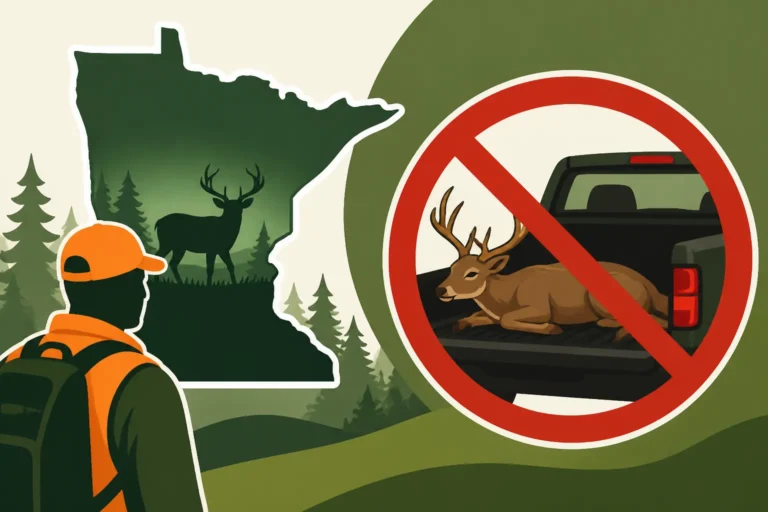
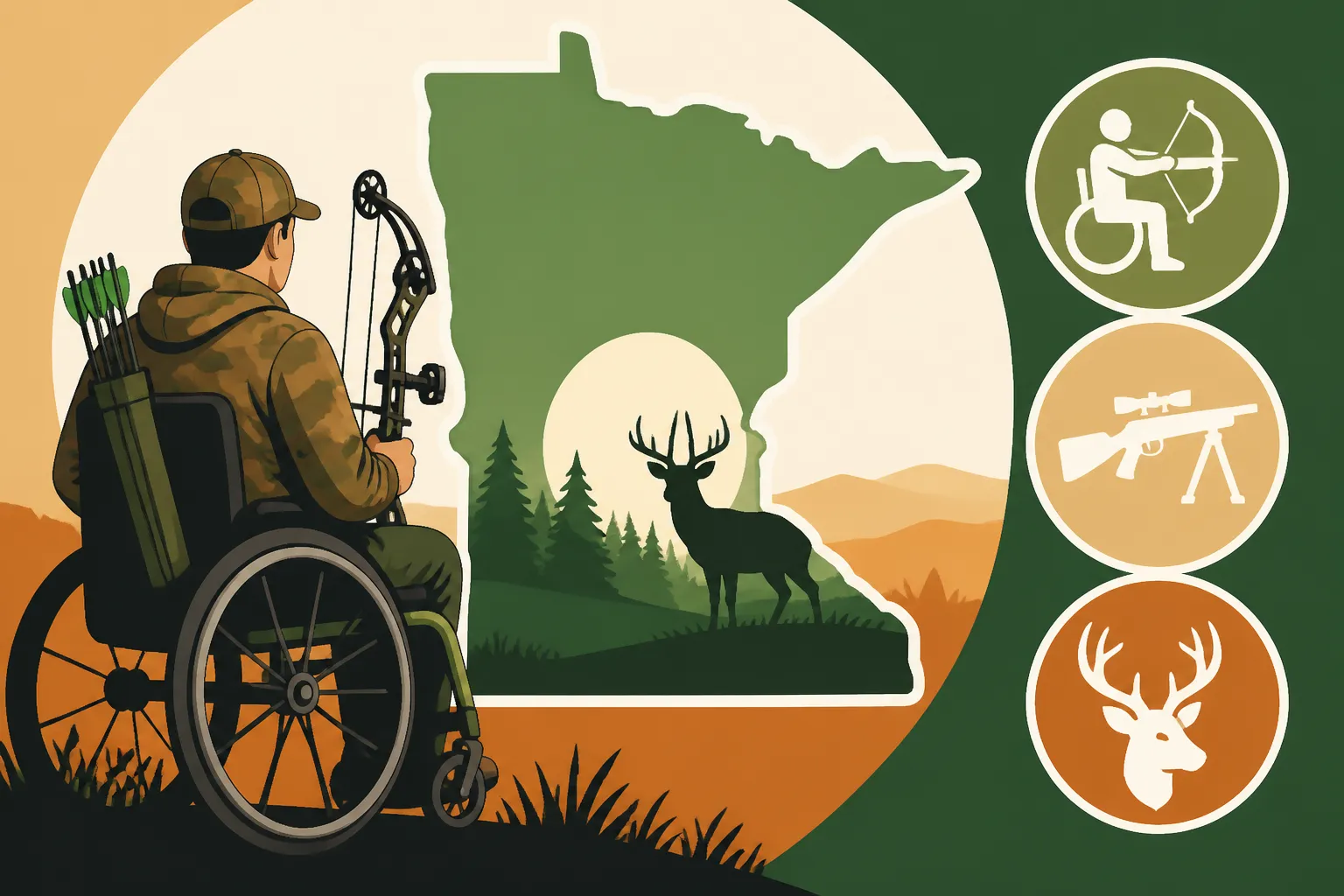
For hunters facing significant mobility challenges, Minnesota offers crucial permits that allow for adaptations to standard hunting practices. The most common and impactful is often the permit to hunt from a stationary motor vehicle. This is a game-changer for many who cannot walk long distances or easily traverse rough terrain. Eligibility typically requires a physician's certification stating the individual cannot walk without the aid of a crutch, cane, brace, or other device, or is unable to walk 200 feet without stopping to rest, or has a cardiac condition that causes severe limitations. This permit explicitly allows a hunter to take small game or big game from a stationary motor vehicle, including an ATV, provided it's off public roads and in designated areas where such use is allowed. It truly opens up vast tracts of land that would otherwise be inaccessible.
In addition to hunting from a vehicle, other mobility permits may allow for the use of ATVs or other off-highway vehicles (OHVs) in areas where they are typically restricted for able-bodied hunters. These special allowances are critical for reaching remote areas of Public Hunting Land in Minnesota or for retrieving downed game from difficult terrain. Imagine finally being able to reach that secluded stand you've always dreamed of, or successfully getting your deer out of a dense cattail slough because you have the legal means to utilize appropriate transportation. These permits remove significant physical barriers, transforming a frustrating impossibility into a tangible reality. It's important to understand the specific regulations for each permit, as restrictions on public roads and specific types of terrain still apply to ensure safety and preserve the environment.
Permits for Visual or Hearing Impairments
While mobility permits are often the most discussed, Minnesota also addresses other sensory disabilities that can impact hunting. For individuals with visual impairments, special considerations might include permission for another licensed hunter to assist in sighting a firearm or drawing a bow, acting as a spotter or guide. This allows the visually impaired hunter to participate directly in the shot, maintaining their independence and the integrity of the hunting experience. The goal is to provide a safe and ethical hunting opportunity without diminishing the personal accomplishment of the hunter.
Similarly, hunters with hearing impairments can sometimes receive accommodations, particularly concerning communication in the field or awareness of surrounding wildlife. While less formalized in specific "permits" than mobility issues, the DNR often works to ensure that safety briefings, regulations, and relevant information are available in accessible formats. In some cases, a companion hunter might be allowed closer proximity than typically permitted, to assist with communication or to alert the hunter to game or potential hazards. These provisions recognize that successful hunting is a multi-sensory experience, and adaptations across the spectrum of human abilities are necessary for true inclusivity. Hunters should always check with the DNR directly for the most current rules and available accommodations for specific sensory needs.
The Application Process
Applying for a disabled hunter permit in Minnesota involves a few key steps designed to verify eligibility and ensure that the appropriate accommodations are granted. The first step typically requires obtaining an application form from the Minnesota DNR website or a local DNR office. These forms will detail the specific criteria for each permit type. You’ll need to clearly indicate which permit you are applying for, whether it’s for hunting from a stationary vehicle, using an ATV in restricted areas, or any other specific accommodation.
A critical component of the application is a certification from a licensed physician. This medical professional must attest to your specific disability and how it limits your ability to hunt under standard regulations. For example, for a mobility permit, the doctor will need to confirm your inability to walk certain distances or without assistance. This documentation is vital for the DNR to understand your needs and process your application fairly. Be prepared to provide clear, detailed information about your condition. Once submitted, the DNR will review your application. It’s always a good idea to apply well in advance of the hunting season, as processing times can vary. You can often find details on applying for your Minnesota Disabled Hunter Permit Options on the official DNR site.
Here's a quick overview of common permit types and their general requirements:
| Permit Type | Primary Eligibility Criterion | Key Benefit | Application Requirement |
|---|---|---|---|
| Disabled Hunter Mobility Permit | Physician-certified severe mobility limitation (e.g., cannot walk 200 ft) | Hunt small/big game from stationary motor vehicle (including ATV) off public roads | Physician's certification form, application submitted to DNR |
| Special Deer Hunt Permit | Qualifying disability (physical, sensory, cognitive) for specific hunts | Access to special hunts on private lands or restricted public areas | Specific hunt application, physician's certification may be required |
| Accessible Blind/Stand Access | Wheelchair user or severe mobility impairment | Access to designated accessible hunting blinds/stands on WMAs | Often no specific permit, but reservation or specific rules may apply |
Note: Always consult the official Minnesota DNR website or contact them directly for the most current regulations, specific eligibility criteria, and application forms, as rules can change.
Leveraging Technology and Resources for Accessible Hunts
Beyond the permits themselves, modern technology and community resources play an enormous role in empowering disabled hunters. These tools can bridge gaps, enhance safety, and generally improve the overall hunting experience, making the dream of a successful hunt more attainable than ever.
Tools and Apps for Scouting and Navigation
Today's digital mapping tools are invaluable for all hunters, but they are particularly revolutionary for those with disabilities. Applications like GoHunt provide incredibly detailed topographic maps, aerial imagery, and property boundary information right on your phone or tablet. This allows disabled hunters to thoroughly scout potential hunting locations from the comfort of their homes, identifying accessible trails, flatter terrain, or suitable spots for a ground blind without the physical demands of extensive pre-season scouting. You can mark waypoints for accessible parking, designate safe routes to a hunting spot, and even plan your egress for game retrieval.
Furthermore, GPS capabilities within these apps are crucial for navigation in the field, especially in remote areas where cell service might be spotty. Knowing your precise location and having a clear path back to your vehicle offers a tremendous sense of security. Hunters can utilize features to understand Reading Aerial Photos for Big Woods Deer or pinpoint optimal Treestand Setups in Minnesota Hardwoods before ever stepping foot in the field. This virtual reconnaissance saves time, conserves energy, and helps prevent dangerous situations, allowing disabled hunters to approach their hunt with greater confidence and strategic advantage. The detailed mapping and public land layers offered by platforms like GoHunt are indispensable for planning an accessible hunting trip.
Community Support and Mentorship Programs
The hunting community in Minnesota is incredibly supportive, and this extends to disabled hunters. Various organizations and informal groups exist specifically to provide mentorship, resources, and even guided hunting trips for individuals with disabilities. These programs often connect experienced hunters with those facing challenges, offering invaluable advice on equipment, tactics, and navigating regulations. Many times, these mentors can share insights on Using a Ground Blind on Minnesota Public Land effectively or adapting techniques for specific game.
Participation in such groups not only provides practical assistance but also fosters a sense of camaraderie and belonging. Sharing experiences, challenges, and successes with peers who understand can be incredibly empowering. Organizations like the National Wild Turkey Federation (NWTF) or local chapters of conservation groups often host special events or hunts tailored for disabled individuals, providing accessible environments and necessary support. These programs ensure that no hunter feels truly alone in their pursuit, offering a network of support that can be just as crucial as any permit.
Accessible Hunting Areas and Facilities
The Minnesota DNR, in partnership with other agencies and private landowners, actively works to designate and maintain accessible hunting areas. These sites are specifically designed with features like paved paths, wheelchair-accessible shooting platforms, and modified ground blinds. Wildlife Management Areas (WMAs) and State Forests often have specific areas or facilities that cater to disabled hunters, making it easier to access prime hunting spots. Before heading out, it's always a good idea to check the DNR website or contact specific WMAs, like Carlos Avery WMA, to inquire about their accessible facilities and any reservation requirements.
These dedicated accessible areas are critical for ensuring that the effort and spirit of disabled hunters are met with tangible opportunities. They remove many of the physical barriers that would otherwise prevent participation, allowing individuals to focus on the hunt itself rather than struggling with basic access. Some areas may even offer special hunts on private lands or restricted public areas, providing unique chances for a successful outing. Knowing where these spots are, and what amenities they offer, can significantly enhance the planning and execution of a hunt, ensuring that the passion for Minnesota Deer Seasons and Permit Areas or Spring Turkey Hunting in Minnesota can be enjoyed by all.
Disclaimer
The information provided in this guide is for informational purposes only and is subject to change. Always consult the official Minnesota Department of Natural Resources (DNR) website or contact them directly for the most current and accurate regulations, permit requirements, and application procedures. Hunting regulations can be complex and may vary, so staying informed is crucial for a safe and legal hunting experience.