Registering a Deer at a Minnesota Station
You’ve put in the time, faced the elements, and finally, after all the effort, you’ve harvested a deer in Minnesota. The excitement is palpable, but before you can fully celebrate or even begin to think about processing that hard-earned venison, there’s a crucial step that often causes a moment of confusion or anxiety for hunters: deer registration. Whether you’re a seasoned veteran returning to familiar territory or a newcomer navigating Minnesota’s regulations for the first time, understanding the nuances of how and where to register your deer is paramount. This guide is designed to walk you through every aspect of deer registration in Minnesota, from traditional check stations to modern digital methods, ensuring you can complete this essential step smoothly and legally.
The Foundation of Deer Registration in Minnesota
Successfully taking a deer is only half the battle; knowing how to properly register it is just as important. Minnesota’s system is designed to collect vital data for wildlife management, ensuring the health and sustainability of our deer population for future generations. Ignoring this step, or doing it incorrectly, can lead to serious legal repercussions, so let’s make sure you’re fully equipped with the knowledge to do it right.
Why Registration Matters
Deer registration isn't just a bureaucratic hoop to jump through; it's a critical component of sound wildlife management. Every deer registered provides the Minnesota Department of Natural Resources (DNR) with invaluable data. This information helps biologists track harvest numbers, understand population trends, and identify potential issues like disease prevalence or localized population imbalances. For example, knowing the number of deer harvested in a specific permit area helps the DNR decide on future permit allocations, antlerless quotas, and season lengths. It’s how they determine if a herd is growing too quickly and needs more antlerless tags, or if it’s declining due to harsh winters or other factors and requires more conservative hunting pressure. Without this data, managing our vibrant deer herds would be like trying to navigate a forest blindfolded.
Methods of Registration
Minnesota offers several convenient ways to register your deer, moving with the times to make the process as hunter-friendly as possible while still gathering the necessary information. Historically, physical deer registration stations were the only option, requiring hunters to bring their deer (or at least proof of harvest) to a designated location. While these stations still exist and are cherished by many for the community aspect, the DNR has introduced more modern alternatives. Today, you primarily have three options: physical registration stations, online registration, and telephone registration. Each method has its own pros and cons, which we’ll delve into, but the key is that all require the same specific details about your hunt and your harvest. It's a good idea to familiarize yourself with Minnesota Deer Registration Rules before heading out into the field so you know exactly what to expect.
Key Information You'll Need
Regardless of the method you choose, you’ll need to have several pieces of information readily available to complete the registration process. It's wise to have these details written down or memorized, especially if you're out in the field and cell service might be spotty for online or phone registration.
Here's a breakdown of what you'll typically be asked:
- License Information: Your Minnesota deer hunting license number is paramount. This uniquely identifies you as the hunter.
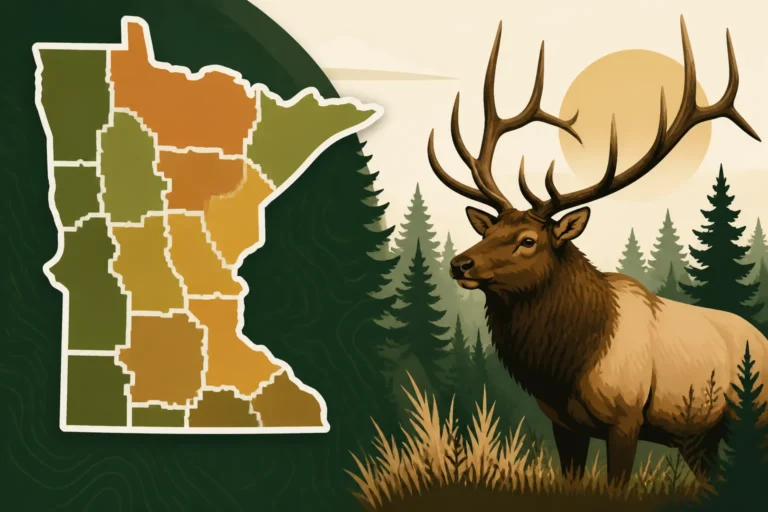
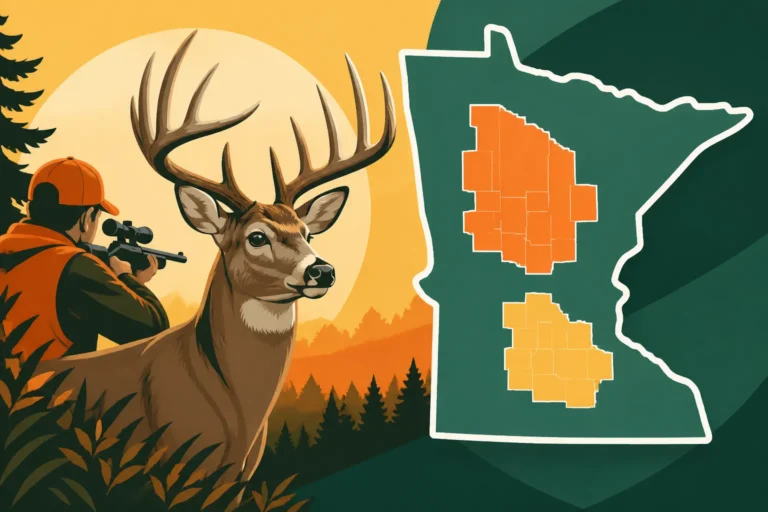
- Permit Area: You’ll need to specify the permit area where you harvested the deer. This is crucial for the DNR’s localized data collection. If you're unsure, consulting resources like Finding Your Minnesota Deer Permit Area before your hunt can prevent last-minute scrambling.
- Harvest Date: The exact date your deer was taken.
- Sex of the Deer: Was it a buck, doe, or fawn?
- Antler Points (for bucks): If it's an antlered buck, you'll need to count the number of antler points on one side, typically for each antler. Be sure to count points that are at least one inch long.
- Carcass Tag Number: This is the unique tag number from your physical deer license that you attached to the deer immediately after harvest.
- Weapon Used: Rifle, shotgun, muzzleloader, or bow/crossbow. This helps the DNR analyze harvest rates by different hunting methods.
- County of Harvest: The specific county where the deer was taken.
- DNR Seal (if applicable): For certain areas or special hunts, a DNR seal might be required and will have its own unique number.
Having all this information at your fingertips will make any registration method much faster and less stressful. Many hunters find it helpful to use an app like GoHunt to keep track of their license details, permit area boundaries, and even mark their harvest location, streamlining the data collection post-hunt.
Navigating a Minnesota Registration Station
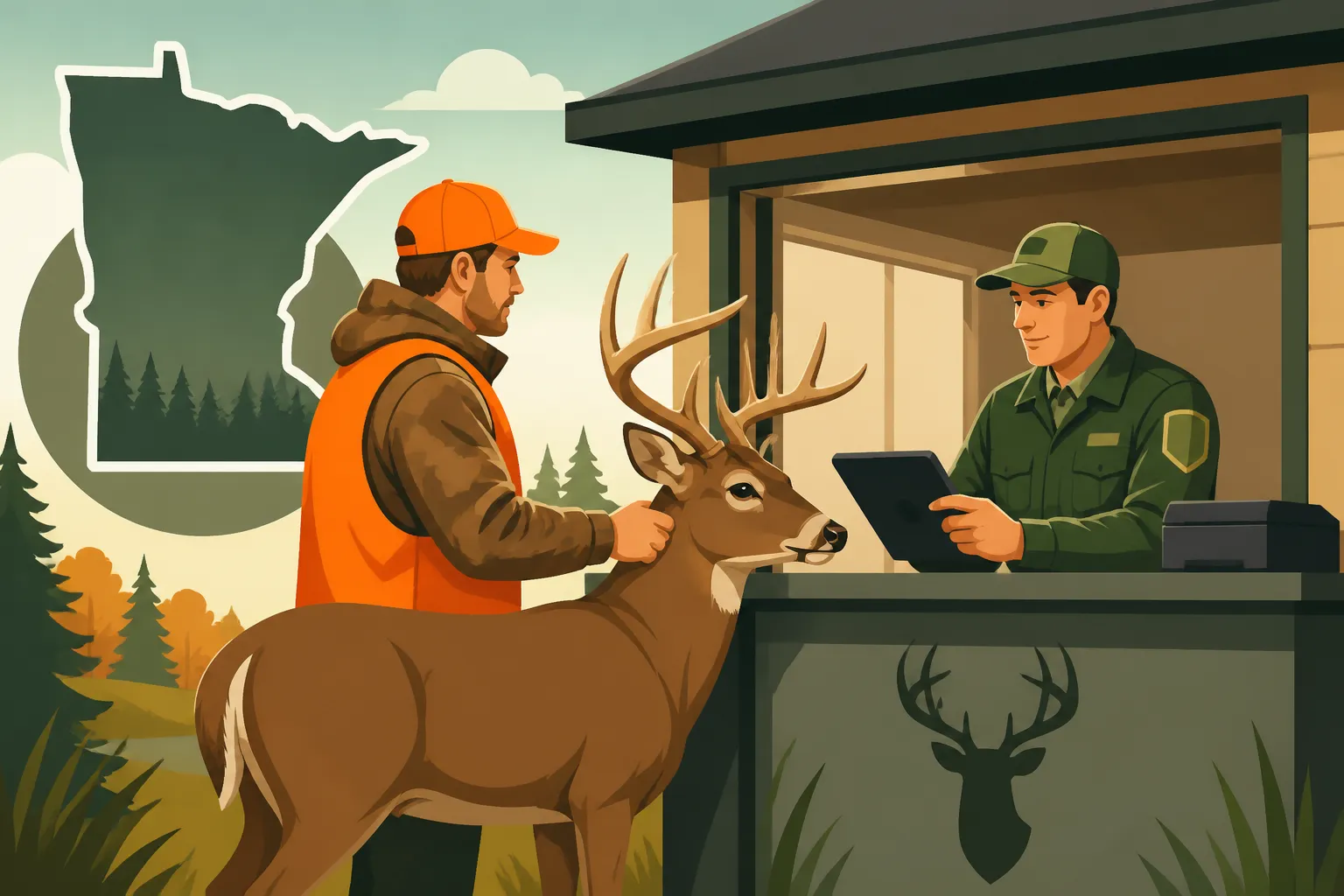
For many, the physical registration station is a time-honored tradition. It's a place where stories are shared, successful hunts are admired, and the community spirit of hunting shines through. While increasingly less common in some areas due to the rise of digital options, many smaller towns and rural areas still maintain these stations, often at local gas stations, bait shops, or sporting goods stores.
What to Expect at a Physical Station
When you arrive at a registration station, you’ll typically be greeted by a store clerk or a volunteer who is authorized to process deer registrations. These folks are usually quite knowledgeable and can answer basic questions, but remember their primary role is data entry. The atmosphere is often buzzing, especially during opening weekend, with other hunters waiting their turn, admiring successful harvests, and swapping tales of the hunt. It's a great opportunity to connect with fellow hunters, but be prepared for a bit of a wait during peak times. You should also remember to check The Minnesota Deer Registration Deadline to ensure you're registering your deer within the legal timeframe after harvest.
Some stations may ask to see your physical deer, or at least a photo. While it's not always a hard and fast rule to bring the entire deer to every station, you must be able to present the carcass tag that was affixed to the deer immediately after harvest. The individual conducting the registration will often verify the information you provide with the carcass tag. In larger or more regulated areas, especially those designated as CWD Management Zones, there might be more stringent requirements, including mandatory sampling, so always check local regulations beforehand.
Step-by-Step Station Process
The process at a physical registration station is generally straightforward:
- Arrive with Your Deer (or Tag): While it's not always mandatory to bring the whole deer, you must have the properly filled-out carcass tag affixed to the deer and be ready to provide all the required information. Many hunters bring the deer on their truck or trailer for public display, which adds to the camaraderie.
- Present Your License and Tag: Hand over your hunting license and the filled-out carcass tag to the station attendant. They'll need to verify these details.
- Provide Harvest Details: Clearly state the date, time, permit area, county, sex of the deer, antler points (if a buck), and the weapon used. Don't be shy about showing off your deer if you brought it; it's part of the fun!
- Receive Your Confirmation: Once the attendant enters all the data into the system, you’ll receive a confirmation number or a printed receipt. This is your proof of legal registration. Keep this confirmation number in a safe place, as it validates your harvest. This is similar to the confirmation you'd receive when applying for something like Minnesota Spring Turkey Application Deadline, providing proof of your submission.
- Leave the Tag Affixed: The physical carcass tag must remain attached to the deer until it has been processed and is no longer identifiable as a whole deer.
One common scenario involves hunters who harvest a deer in an area like the northern Boundary Waters Canoe Area and then travel to a town to register. In these cases, you might not have the entire deer with you, but the critical part is having the carcass tag and all the correct information to provide.
Common Issues and Troubleshooting
Even with a seemingly simple process, issues can arise. Knowing how to troubleshoot can save you a lot of headache.
- Missing Information: Forgot your license number? Can't remember the exact permit area? This is where a pre-hunt checklist or using a digital tool like GoHunt to store your license details can be a lifesaver. If you're at a remote station and can't get cell service, this can be a real problem.
- Incorrect Tagging: Failing to immediately affix and fill out your carcass tag after harvest is a common mistake and a serious violation. The tag must be securely attached to the deer before moving it from the site of the kill.
- Station Closures/Hours: Some smaller, seasonal stations might have limited hours or close earlier than anticipated. Always verify the operating hours of your intended registration station, especially on weekdays or late in the season.
- Long Lines: During opening weekend of Minnesota 100 Series Firearm Opener or other popular seasons, lines can be long. Patience is key, but if you're pressed for time, online or phone registration might be a faster alternative.
- CWD Zone Concerns: If you harvest a deer in a CWD Management Zone, specific rules regarding carcass movement might apply, and mandatory testing might be in effect. Ensure you understand these rules before leaving the area, as you may need to take the deer to a designated CWD sampling station instead of a general registration station. Learn more about Moving a Deer Out of a CWD Zone to avoid any issues.
Online and Phone Registration Options
For many hunters, the convenience of registering a deer from the comfort of home, camp, or even right in the field has become the preferred method. Minnesota’s online and phone systems are generally efficient, provided you have all your information ready.
The Convenience of Online Registration
The Minnesota DNR’s online registration portal is a fantastic tool for modern hunters. It allows you to enter all your harvest data directly into the system using your computer, tablet, or smartphone. This means no driving to a station, no waiting in line, and the ability to register immediately after your hunt, often before you even start the field dressing process (though the tag must be filled out and attached first).
To use the online system, you'll typically navigate to the Minnesota DNR's official website, find the "Game & Fish" section, and then locate the deer registration link. You'll be prompted to log in using your DNR e-license account information or your unique customer ID. From there, it's a series of guided prompts to enter all the harvest details we discussed earlier. After successful submission, you'll receive an instant confirmation number displayed on your screen and often emailed to you as well. This digital confirmation is just as valid as a physical receipt from a station. For those who frequently check hunting regulations or scout new areas, apps like GoHunt can provide quick links and often integrate directly with state DNR sites, making the transition seamless.
Registering by Phone
For those who prefer a voice interaction or might not have reliable internet access but do have cell service, telephone registration is another excellent option. The DNR provides a dedicated phone number for deer registration, which is usually listed on your license and on their website.
When you call, you'll typically interact with an automated system or a live operator. Have all your required information—license number, permit area, harvest date, sex, antler points, etc.—ready before you dial. The system will guide you through entering the data using your phone's keypad or by speaking to an operator. Just like online registration, you'll receive a confirmation number at the end of the call, which you should write down and keep safe. This method is particularly useful if you find yourself in a spot where you have a signal for calls but limited data for web browsing, which can happen in remote areas when you're deer drives on Minnesota Public Hunting Land.
When Digital Might Not Be an Option
While convenient, digital registration methods aren’t always foolproof. There are situations where you might encounter roadblocks:
- No Cell Service/Internet: This is perhaps the most common issue. Many prime hunting spots in Minnesota, especially in the "big woods" of the north, are well outside of reliable cell service areas. If you've just taken a deer and are deep in the wilderness, you simply won't be able to register online or by phone until you get back to civilization. This is why it's vital to know where the closest physical stations are, or at least where you can get a signal.
- System Outages: Though rare, online systems can experience technical difficulties or be down for maintenance. If you're facing a deadline, this can be frustrating.
- Battery Life: Your smartphone is only as good as its battery. A long day in the cold can drain a phone quickly, leaving you unable to access the online portal or make a call. Always carry a portable power bank if you plan on relying on your phone for registration.
- Preference: Some hunters simply prefer the traditional method. They enjoy the social aspect of a physical station and the tangible receipt it provides. There's no right or wrong way, just the method that works best for you.
Post-Registration and Beyond
Completing the deer registration is a significant milestone, but it’s not quite the absolute final step in your hunting journey. There are still a few important considerations, especially regarding carcass management and understanding how your data contributes to the bigger picture.
Receiving Your Confirmation Number
No matter how you register, receiving and retaining your confirmation number is paramount. This number is your official proof that you have legally registered your deer with the state of Minnesota. Think of it as your deer's birth certificate – proof of its legal existence within the DNR's records. You should keep this number handy, ideally written down or stored digitally on your phone, until the deer meat is fully processed and consumed.
In the unlikely event that you are stopped by a conservation officer and asked about your harvest, presenting this confirmation number, along with your license and carcass tag (which must remain affixed until processing), will demonstrate your compliance with the law. Without this number, proving legal harvest can become complicated, even if you technically went through the steps. It’s also crucial if there are any discrepancies later or if you need to revisit the details of your harvest for personal records or trophy scoring.
Carcass Movement and CWD Considerations
Once your deer is registered, you might be wondering about transporting it, especially if you harvested it far from home. This is where Chronic Wasting Disease (CWD) considerations come into play, which can significantly impact how you move your deer. Minnesota has specific regulations for carcass movement, particularly when a deer is harvested within a CWD management or surveillance zone.
In these zones, there are strict rules about transporting whole carcasses out of the area. Typically, only certain parts of the deer are allowed to leave the zone, such as deboned meat, skull plates cleaned of brain material, hides, and quartered meat without spinal column or brain material. This is to prevent the potential spread of CWD prions. It's imperative that you check the latest DNR regulations for CWD Management Zones in Minnesota before you move your deer. Some CWD zones may also have mandatory testing requirements, meaning you'll need to drop off a sample from your deer at a designated sampling station. Failing to adhere to these rules can result in penalties and, more importantly, could contribute to the spread of this devastating disease. Always be informed, especially if you plan to Butchering a Deer at Camp before transporting it.
What Happens to the Data
The data you provide during registration isn't just filed away and forgotten; it becomes a vital resource for the Minnesota DNR. This collective information allows wildlife biologists to gain a comprehensive understanding of the state's deer population dynamics.
Here’s how your data is typically used:
- Population Estimates: Harvest numbers, broken down by permit area, sex, and age (through antler point data), help the DNR estimate overall deer populations. This is especially useful when combined with other methods like aerial surveys and winter severity indexes.
- Season Adjustments: Based on harvest data and other factors, the DNR makes informed decisions about future hunting seasons. If a permit area shows declining harvest numbers, they might reduce antlerless tags or shorten seasons. Conversely, high harvest numbers might lead to increased opportunities to manage overpopulation. This directly influences decisions like How Many Deer Tags You Can Buy for the upcoming seasons.
- Disease Monitoring: Registration data, especially when linked with CWD testing results, helps track the prevalence and spread of diseases. This allows the DNR to implement targeted management strategies to protect the herd.
- Hunter Trends: The data can also reveal trends in hunting pressure, weapon preferences, and even hunter success rates, offering insights into the broader hunting community and its impact on the resource.
In essence, every time you register a deer, you're contributing directly to the ongoing conservation efforts that ensure Minnesota remains a fantastic place to hunt for generations to come. It's a small but significant act of stewardship that completes the cycle of a responsible harvest.
Comparing Deer Registration Methods in Minnesota
To help you decide which method suits your needs best, here's a quick comparison of the three primary ways to register your deer in Minnesota:
| Feature | Physical Station | Online Registration | Phone Registration |
|---|---|---|---|
| Convenience | Requires travel, potential wait times | Highly convenient, can do from anywhere with service | Convenient if cell service is available |
| Speed | Varies based on crowd and attendant | Usually instant | Generally quick if using automated system |
| Accessibility | Limited to specific locations and operating hours | 24/7 availability with internet access | 24/7 availability with phone service |
| Social Aspect | High, opportunity to connect with other hunters | None | None |
| Proof | Physical receipt or confirmation number | Digital confirmation number (email/screen) | Confirmation number provided verbally |
| Required Items | License, carcass tag, harvest details | License, carcass tag number, harvest details | License, carcass tag number, harvest details |
| CWD Specifics | May have mandatory sampling/carcass rules | Still requires adherence to CWD carcass rules | Still requires adherence to CWD carcass rules |
| Common Issues | Travel, crowds, limited hours, CWD compliance | No service, dead battery, system outages | No service, dead battery, automated system issues |
Disclaimer
Please note that hunting regulations, including those for deer registration, can change. While every effort has been made to provide accurate and up-to-date information, it is the hunter's responsibility to consult the current Minnesota DNR hunting regulations booklet or their official website for the most recent and complete rules before heading afield. Local ordinances and special hunt area rules may also apply.