CWD Surveillance Zones in Minnesota
It's an unfortunate reality that Chronic Wasting Disease (CWD) casts a long shadow over deer hunting in Minnesota, and navigating the ever-changing landscape of regulations can feel like trying to hit a moving target. For many of us, the idea of CWD isn't just an abstract scientific concept; it directly impacts our hunting traditions, where we can hunt, and how we process our hard-earned venison. This comprehensive guide is here to unravel the complexities of Minnesota's CWD surveillance zones, helping you understand their purpose, what they mean for your hunting plans, and how you can confidently comply with the current rules.
Understanding the CWD Threat in Minnesota
Before we dive into the specifics of surveillance zones, it's crucial to grasp what CWD truly is and why it demands such rigorous attention from both wildlife managers and dedicated hunters like us. It’s a disease that strikes at the heart of our deer populations, and consequently, our hunting heritage.
What is CWD and Why it Matters to Hunters
Chronic Wasting Disease is a neurological disease that affects cervids – that’s deer, elk, and moose. It's caused by abnormal proteins called prions, which slowly damage the brain and nervous system of infected animals. Unlike bacteria or viruses, prions aren't "alive" in the traditional sense, making them incredibly resistant to conventional sterilization methods and allowing them to persist in the environment for years.
The insidious nature of CWD is what makes it so concerning. Once an animal contracts CWD, it is always fatal. There is no known cure, and symptoms can take a long time to appear, often months or even years after infection. During this incubation period, an apparently healthy-looking deer can still be shedding infectious prions through its saliva, urine, and feces, contaminating the environment and potentially infecting other deer. Symptoms, when they do finally manifest, include drastic weight loss (wasting away, hence the name), listlessness, neurological issues like stumbling or tremors, excessive salivation, and an insatiable thirst. It’s a truly heartbreaking sight to witness.
For hunters, CWD presents multiple layers of concern. First and foremost, there’s the ethical responsibility to ensure the health of the deer herd. An uncontrolled CWD outbreak could decimate local deer populations, fundamentally altering the hunting opportunities we cherish. Secondly, there are human health considerations, even though there's currently no evidence that CWD can be transmitted to humans. Public health agencies, including the CDC, advise against consuming meat from CWD-positive animals. This recommendation creates a significant concern for hunters who rely on venison as a food source, adding a layer of uncertainty and potentially leading to lost meat if a deer tests positive. Finally, the regulatory burden of CWD, from testing requirements to carcass movement restrictions, adds an undeniable layer of complexity and frustration to what should be a peaceful pursuit.
The History of CWD in Minnesota
Minnesota's battle with CWD began later than in some western states, but it quickly became a serious challenge. The first documented case of CWD in Minnesota's wild deer herd was discovered in 2010 in a white-tailed deer near Rochester, specifically in Fillmore County in southeastern Minnesota. This discovery immediately signaled a significant shift in how the Minnesota Department of Natural Resources (DNR) would manage deer.
Initially, the focus was on rapid containment and understanding the extent of the spread. This led to aggressive management strategies in the immediate vicinity of the positive cases, which often included increased antlerless harvest and mandatory testing. Over the years, additional cases have been confirmed, primarily in the same southeastern region, especially within the chronic CWD areas around Preston and Fillmore County. While the majority of cases have remained concentrated there, isolated detections have also popped up in other parts of the state, such as the initial detection in north-central Minnesota, triggering new rounds of intense surveillance and testing.
Each new detection sets off a cascade of actions, from defining new surveillance zones to implementing new testing protocols. The history of CWD in Minnesota is a continuous story of adaptation, scientific study, and the dedicated efforts of the DNR, often in partnership with hunters, to monitor and mitigate the spread of this formidable disease. Hunters have played a crucial role in providing samples, showing a commitment to the health of the herd even when it adds extra steps to their hunting routine.
Navigating Minnesota's CWD Management Framework
Understanding the nuances of Minnesota's CWD management framework is key to being an informed and compliant hunter. It’s not just about knowing where CWD is, but what kind of response is in place for a given area. The DNR uses a tiered approach, and distinguishing between these tiers is vital.
Differentiating Surveillance from Management Zones
This is where things can get a little confusing for hunters, but it's an important distinction. The DNR categorizes areas based on the level of CWD risk and detection:
-
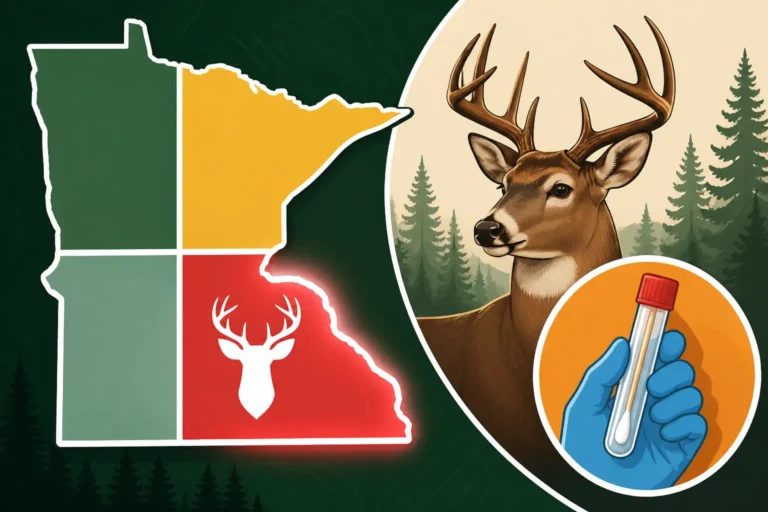
CWD Management Zones (CMZs): These are areas where CWD has been confirmed in wild deer. The primary goal in a CMZ is to reduce the prevalence of the disease and prevent its further spread. This often involves more aggressive actions, such as mandatory CWD testing during specific periods (like opening weekend of firearms season), increased antlerless harvest opportunities, and strict carcass movement restrictions. These are the "hot zones" where the disease is actively being fought. An example would be the areas directly surrounding past CWD detections in southeastern Minnesota, where surveillance has confirmed an ongoing presence. You'll often find special harvest regulations and often, a Minnesota Feeding and Baiting Bans in CWD Zones in these areas to prevent deer from congregating, which can facilitate disease transmission.
-
CWD Surveillance Zones (CSZs): These are areas adjacent to or surrounding CMZs, or regions where CWD has been detected in a captive facility, or even areas that are deemed at higher risk for CWD introduction based on various factors. The main purpose of a CSZ is to monitor for CWD. The DNR is actively trying to determine if the disease is present and, if so, how widespread it might be. While testing might not always be mandatory throughout the entire season, it's often highly encouraged, and sometimes mandatory testing is implemented for specific hunt periods or permit areas within the zone. Carcass movement restrictions are typically in place for CSZs, mirroring those in CMZs, to prevent the potential spread of the disease if it is, in fact, present but undetected.
Think of it this way: CMZs are where the fire has broken out and is being actively contained. CSZs are the surrounding areas where firefighters are watching for embers, trying to catch any new fires before they spread.
The Role of the DNR in CWD Response
The Minnesota Department of Natural Resources (DNR) is at the forefront of the state’s CWD response. Their role is multifaceted, encompassing scientific research, policy development, field operations, and public communication.
The DNR's scientists conduct extensive surveillance, including the sampling of harvested deer during hunting seasons, to detect CWD. They monitor deer populations, analyze disease trends, and use this data to inform management decisions. This scientific rigor is foundational to the entire CWD program, helping them understand how Chronic Wasting Disease in Minnesota Deer behaves and how to best combat it.
On the policy front, the DNR develops and implements the regulations that dictate hunting activities in CWD zones. This includes setting harvest limits, defining testing requirements, and establishing carcass transport rules. They also work closely with stakeholders, including hunters, landowners, and agricultural groups, to ensure that regulations are practical and effective. This continuous dialogue, while sometimes challenging, helps shape a more responsive and realistic approach to CWD management.
In the field, DNR staff are crucial. They set up sampling stations, assist hunters with collecting samples, conduct deer carcass disposal initiatives, and enforce regulations. They’re the folks on the ground, often working long hours during hunting season to make sure the program runs smoothly. Their efforts are critical in gathering the necessary data, which contributes to the state's overall Minnesota's Four-Year CWD Testing Rotation plan.
Finally, communication is paramount. The DNR is responsible for educating the public and hunters about CWD risks, symptoms, and regulatory changes. They publish maps, provide online resources, and issue press releases to keep everyone informed. It's a massive undertaking, and their dedication is a key factor in Minnesota’s ongoing efforts to manage this serious wildlife disease.
Key Characteristics of CWD Surveillance Zones
When you’re planning a hunt in Minnesota, especially if you’re heading to an area with known CWD presence or risk, understanding the specific characteristics of surveillance zones is non-negotiable. These aren't just lines on a map; they come with real-world implications for your hunt.
Boundaries and Geographic Scope
CWD Surveillance Zones are defined by specific boundaries, which are crucial for hunters to recognize. These boundaries are typically based on geographic features like major highways, rivers, or county lines, and sometimes they align with existing deer permit areas. The DNR aims to create clear, easily identifiable borders, but it's still incumbent upon hunters to verify the exact delineation of these zones before heading into the field.
For example, a surveillance zone might encompass an entire county or a cluster of townships surrounding a confirmed CWD detection in a neighboring state or a captive facility. The specific boundaries are often influenced by deer movement patterns, road networks, and other factors that affect disease spread. In the past, specific deer permit areas in southeastern Minnesota have been designated as part of these zones, like the areas near Preston and Lanesboro. The size and shape of these zones can change year to year, depending on new detections or the success of previous management efforts, so checking the most current DNR maps is essential. You can often find this information by Scouting With the Minnesota Recreation Compass App or by consulting the official DNR website. These maps usually show not only the CWD zones but also provide information on Which Zone a Minnesota County Falls In.
Mandatory vs. Voluntary CWD Testing Requirements
Within CWD Surveillance Zones, the requirement for CWD testing can vary. This is a critical point that often causes confusion.
-
Voluntary Testing: In many surveillance zones, especially if CWD has not yet been detected in wild deer within that specific zone, testing is voluntary but strongly encouraged. Hunters are asked to submit samples from harvested deer to help the DNR monitor for the disease. Often, free sampling kits or drop-off locations are provided. This voluntary participation is vital because it provides early detection capabilities, allowing wildlife managers to identify new outbreaks quickly and implement management strategies before the disease becomes widespread. Even if you're not in a mandatory zone, choosing to participate is a great way to support the health of the herd.
-
Mandatory Testing: However, depending on the risk level or if a new positive case is detected, portions of a CWD Surveillance Zone may shift to mandatory testing for specific periods, such as the opening weekend of the firearms deer season. This usually happens in the highest-risk permit areas or counties within the larger surveillance zone. During mandatory testing periods, any deer harvested in those designated areas must be submitted for CWD sampling. This is typically done at official CWD sampling stations, where DNR staff or trained volunteers will collect lymph node samples. Ignoring mandatory testing requirements can result in penalties, so always double-check the current regulations for the specific permit area and season dates you plan to hunt. The DNR's online resources will clearly indicate Finding a Minnesota CWD Sampling Station in these areas.
Understanding these requirements means you might need to adjust your post-harvest routine. Instead of just heading straight home, you might have to plan a stop at a sampling station.
Carcass Movement Restrictions Within and Out of Zones
This is perhaps one of the most impactful regulations for hunters, especially those who travel to hunt or who live outside a CWD zone. Carcass movement restrictions are put in place to prevent hunters from inadvertently moving an infected carcass, and thus prions, to a new, unaffected area.
The general rule in both CWD Surveillance Zones and Management Zones is that whole deer carcasses (or certain high-risk parts) cannot leave the zone until a negative CWD test result is received. This means if you harvest a deer in a surveillance zone, you must either:
- Process the deer within the zone: This involves quartering the deer, removing all high-risk parts (brain, spinal cord, lymph nodes, spleen), and ensuring only deboned meat, antlers, and skull caps (cleaned of all brain tissue), hides, and teeth leave the zone.
- Submit for testing and await results: If you plan to transport the whole carcass or bone-in cuts out of the zone, you must first submit a sample for CWD testing and wait for a negative result. This can take time, sometimes days or even weeks.
- Use a certified processor: Many hunters choose to take their deer to a certified meat processor within the CWD zone who is aware of and compliant with the regulations.
High-risk parts that cannot leave a CWD zone until a negative test are generally:
- The head (unless skull cap and antlers are completely cleaned of all brain matter)
- The spinal column
- The spleen
- The lymph nodes
Parts that are generally allowed to leave the zone without a negative test (after proper removal of high-risk parts) include:
- Deboned meat
- Antlers and skull caps completely free of brain matter
- Hides
- Teeth
These rules are critical, and violating them can carry stiff penalties. It's a major inconvenience for some, but it’s a necessary step to protect the broader deer population. Always verify the most current Minnesota Carcass Movement Restrictions before your hunt, as these rules can occasionally be updated. This also plays a role in when and where you decide to register your deer, as The Minnesota Deer Registration Deadline needs to be met, but the carcass still needs to be handled appropriately according to CWD rules.
Impacts on Hunters: What You Need to Know
The presence of CWD and the establishment of surveillance zones inevitably bring changes to the hunting experience. While the core thrill of the hunt remains, responsible hunters must adapt to these new realities. Ignoring them isn't an option.
Changes to Hunting Seasons and Bag Limits
One of the most direct impacts of CWD surveillance and management zones can be changes to hunting seasons and bag limits. The DNR's primary goal in a CWD-affected area is to monitor the disease, and if present, to reduce its prevalence and spread. One of the most effective tools for this is targeted harvest.
In some CWD Management Zones (where the disease is confirmed), and occasionally in high-risk Surveillance Zones, you might see increased antlerless harvest opportunities. This could mean special antlerless tags, bonus permits, or extended seasons specifically for antlerless deer. The rationale is to reduce the overall deer density, which can help slow disease transmission, and to increase the number of deer available for CWD testing. More deer harvested means more samples, which provides a clearer picture of disease prevalence.
It's also possible, though less common in surveillance zones compared to management zones, that season structures could be slightly adjusted to facilitate sampling efforts. For instance, specific early seasons might be introduced to gather samples before peak hunting pressure. For many hunters, having more opportunities to fill an antlerless tag might be seen as a positive, but for others, it means adjusting their traditional hunting strategies. Always check the DNR's annual hunting regulations booklet or website for the most current information regarding your specific permit area, as these regulations are prone to change.
Field Dressing and Carcass Transport Regulations
The regulations surrounding field dressing and carcass transport are perhaps the most immediate and tangible impact CWD zones have on individual hunters. These rules are designed to prevent the accidental spread of CWD prions.
If you harvest a deer in a CWD Surveillance Zone, you need to be very mindful of where and how you field dress your animal. While you can typically field dress a deer at the harvest site, it’s crucial to leave the high-risk parts (brain, spinal cord, spleen, lymph nodes) within the CWD zone. This means if you remove the guts, those stay where the deer was harvested. Many hunters opt for the "gutless method" to minimize the amount of material left in the field and to make transport easier. Learning Field Dressing a Deer in Cold Weather or warmer conditions takes on new importance when considering CWD regulations.
As previously discussed, transporting the whole carcass out of a CWD zone is generally prohibited until a negative test result is confirmed. This forces hunters to either process their deer within the zone (deboning, caping for taxidermy with strict skull cleaning rules) or leave the high-risk parts at approved disposal sites within the zone. Some hunters find this challenging, especially if they travel from afar or don't have access to processing facilities within the zone. Planning ahead by identifying authorized processors or disposal sites becomes part of the hunt preparation. If you’re considering Donating Venison in Minnesota, ensure the facility you choose is aware of and compliant with CWD zone rules, especially if the deer was harvested in a surveillance area.
Hunter Responsibilities and Ethical Practices
Beyond the regulations, hunters in Minnesota's CWD Surveillance Zones have a profound responsibility to contribute to the overall effort to combat this disease. It’s about more than just compliance; it’s about stewardship.
One of the most critical responsibilities is to participate in voluntary testing efforts. Even if testing isn't mandatory for your specific harvest, submitting a sample from your deer provides invaluable data to the DNR. This data helps track disease prevalence, identify new hot spots, and guide future management decisions. Every sample submitted is a piece of the puzzle that helps protect Minnesota’s deer herd.
Another key ethical practice is avoiding the feeding or baiting of deer, especially in or near CWD zones. Baiting concentrates deer in small areas, increasing the likelihood of disease transmission through shared saliva, urine, and feces. While Minnesota Feeding and Baiting Bans in CWD Zones are often in place, even where not legally prohibited, it’s an unwise practice in areas with CWD risk. Hunters should also properly dispose of any carcass remains at approved facilities or ensure they are buried deep enough to prevent scavenger access. Never dump carcasses indiscriminately, as this can facilitate disease spread.
Finally, hunters have a responsibility to stay informed. Regulations change, new zones are established, and testing protocols can evolve. Regularly checking the DNR website, reading official publications, and paying attention to local news are essential. By understanding the science and the reasons behind the regulations, we can become better advocates and more effective partners in protecting Minnesota’s deer hunting future.
CWD Surveillance Zones: Specific Examples and Regional Focus
While CWD is a statewide concern, the immediate focus and intensity of surveillance efforts vary significantly across Minnesota. Understanding these regional differences helps hunters better grasp the specific challenges and requirements in their hunting areas.
Southeast Minnesota: The Core of the Challenge
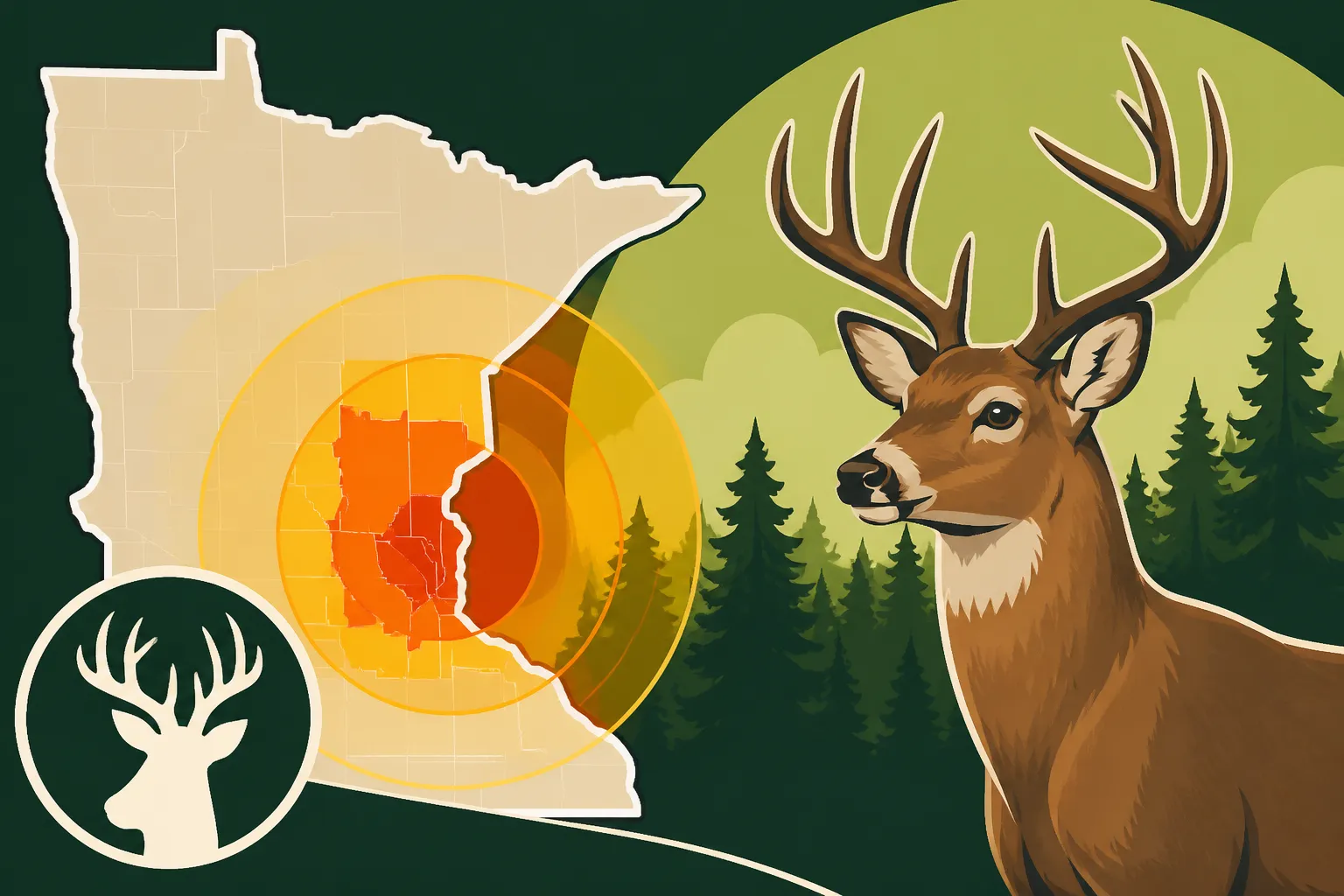
Southeastern Minnesota, often referred to as "Bluff Country," has unfortunately been the epicenter of Minnesota's CWD challenge. This region, characterized by its rolling hills, dramatic bluffs, and agricultural landscapes interspersed with hardwoods, has consistently seen the majority of confirmed CWD cases in wild deer. Counties like Fillmore, Olmsted, and Houston have been at the heart of CWD Management Zones for years, and surrounding areas frequently fall into active Surveillance Zones.
The DNR's efforts in southeast Minnesota are particularly intense. This involves not only mandatory testing during opening weekends in specific permit areas but also year-round surveillance, targeted removal efforts in some instances, and rigorous carcass movement restrictions for any deer harvested in those zones. Hunters in this region have become quite accustomed to these protocols, understanding that their participation is crucial. For instance, if you're hunting near the Whitewater WMA, a popular spot for deer and turkey, you'll need to be hyper-aware of any current CWD zone designations.
The challenges in this region are complex. Deer populations are generally robust, and the landscape provides ample cover and food, allowing CWD to potentially spread more effectively. Hunters here often face the frustration of having to alter their traditional processing methods or travel further to comply with disposal rules. However, the vigilance of hunters in this area, regularly submitting samples and adhering to regulations, has been instrumental in the state's efforts to track and manage the disease. The long-term goal is to contain and ideally reduce the prevalence of CWD, protecting both the deer and the hunting opportunities that are so deeply valued in this part of the state.
Central and Northern Minnesota: Vigilance and Prevention
While the southeastern region holds the most established CWD presence, central and northern Minnesota are not immune to concern. In fact, isolated CWD detections in captive deer facilities have triggered the establishment of CWD Surveillance Zones in various northern and central counties, even where no wild deer have yet tested positive. These zones are all about vigilance and prevention.
For instance, after a CWD positive was found in a captive deer farm, a CWD Surveillance Zone might be established in surrounding counties, perhaps including parts of Beltrami or Cass counties, or even areas further south in Crow Wing County. In these instances, the DNR isn't necessarily battling a confirmed outbreak in wild deer but is proactively monitoring to ensure the disease hasn't escaped or spread from the captive facility.
The impact on hunters in these areas typically involves strong encouragement for voluntary CWD testing. Hunters are asked to submit samples from harvested deer, particularly during the firearm season, to help establish a baseline and detect any potential spillover into the wild population. While mandatory testing might not be as widespread as in the southeast, it can be implemented in specific permit areas or for limited periods if new risks emerge. Carcass movement restrictions are also a standard feature of these surveillance zones, meaning hunters must still process their deer within the zone or await a negative test before moving certain parts.
The message for hunters in central and northern Minnesota is clear: even if CWD hasn't been widely detected in your immediate hunting area, the threat is real, and your proactive participation in surveillance efforts is incredibly valuable. Early detection is the most powerful tool we have to protect the vast, healthy deer herds that currently thrive in these parts of the state. Using mapping tools like those available through GoHunt can help you quickly identify if your planned hunting area falls into one of these active surveillance zones, ensuring you’re always up-to-date on the latest regulations.
Here's a quick comparison of the two primary CWD zone types:
| Feature | CWD Management Zone (CMZ) | CWD Surveillance Zone (CSZ) |
|---|---|---|
| Purpose | Reduce CWD prevalence; prevent further spread. | Monitor for CWD; detect new infections early. |
| CWD Presence | CWD confirmed in wild deer. | CWD not yet confirmed in wild deer, but at high risk. |
| Testing Requirement | Often mandatory for specific seasons/permit areas. | Typically voluntary but strongly encouraged; can become mandatory. |
| Harvest Regulations | May include increased antlerless opportunities, special permits. | Generally follows standard regulations, but can be adjusted. |
| Carcass Movement | Strict restrictions: High-risk parts must stay in zone or await negative test. | Strict restrictions: High-risk parts must stay in zone or await negative test. |
| Baiting/Feeding | Usually banned. | Often banned, especially if tied to captive detections. |
| Example Region | Core areas of Southeast Minnesota (e.g., Fillmore County). | Areas surrounding CMZs or captive deer detections statewide. |
Staying Informed and Contributing to CWD Control
The fight against CWD is an ongoing battle, and staying informed is your most powerful weapon as a hunter. The landscape of regulations and zones can shift, so relying on outdated information is a sure way to find yourself out of compliance. Thankfully, there are excellent resources available to help you navigate these complexities.
Utilizing DNR Resources and Mapping Tools
The Minnesota DNR is the definitive source for all CWD-related information, and they've invested significantly in making this information accessible to hunters. Their official website is a treasure trove of data, maps, and regulatory updates.
When planning your hunt, always start by checking the DNR's CWD webpage. Here you'll find:
- Interactive CWD Maps: These maps are crucial. They clearly delineate current CWD Management Zones, Surveillance Zones, and any other special areas. These maps are updated regularly, so always look for the most current version. They help you quickly determine Which Zone a Minnesota County Falls In and what regulations apply to that specific deer permit area.
- Annual Hunting Regulations: The printed and online versions of the Minnesota Hunting and Trapping Regulations Handbook provide all the legal requirements for the upcoming season, including CWD-specific rules for testing and carcass movement.
- CWD Q&A Sections: The DNR website often has comprehensive FAQs that address common hunter questions about CWD.
- Sampling Station Information: Detailed lists and maps of Finding a Minnesota CWD Sampling Station are available, often with hours of operation during peak hunting periods.
Beyond the DNR's direct resources, many hunters find third-party mapping applications incredibly useful for overlaying CWD zone boundaries with other critical hunting information. Platforms like GoHunt, for instance, often integrate CWD zone data directly into their mapping layers. This allows you to see the CWD zones alongside public land boundaries, topography, and aerial imagery, making it easier to plan your movements and ensure compliance even in the field. Having all this information literally at your fingertips, whether through the DNR's Scouting With the Minnesota Recreation Compass App or a powerful tool like GoHunt, is invaluable for the modern hunter.
Reporting Sick Deer and Participating in Sampling Efforts
One of the most important ways hunters and the general public can contribute to CWD control is by being the "eyes and ears" in the field. Wildlife managers can’t be everywhere, and your observations can make a significant difference.
If you ever encounter a deer that appears sick or is exhibiting symptoms consistent with CWD (severe weight loss, stumbling, excessive drooling, listlessness), it is absolutely critical to report it to the DNR immediately. Do not approach or handle the animal, as this could pose risks or interfere with scientific investigation. Note the exact location (GPS coordinates if possible), take photos or video if safe, and contact the DNR's information center or local conservation officer. Early detection of a new CWD case can trigger rapid response actions that might prevent a larger outbreak.
Furthermore, active participation in the DNR's CWD sampling efforts is paramount. Whether testing is mandatory in your chosen permit area or simply voluntary, submitting samples from harvested deer is a direct way you contribute to the health of the herd. This data helps the DNR:
- Monitor CWD Prevalence: Understand how many deer are infected in specific areas.
- Track Disease Spread: Identify new areas where CWD may be emerging.
- Inform Management Decisions: Guide regulations on harvest, baiting, and carcass movement.
It might feel like an extra step after a successful hunt, especially when all you want to do is get your deer processed. But remember, every sample helps paint a clearer picture of CWD in Minnesota, and that picture is vital for protecting the future of our deer and our hunting traditions. Being an ethical hunter today means being a proactive partner in managing CWD for tomorrow.
Disclaimer
The information provided in this guide is for general informational purposes only and is not intended to be legal advice. Hunting regulations, CWD zones, and testing requirements in Minnesota can change frequently. Hunters are solely responsible for knowing and abiding by all current Minnesota Department of Natural Resources (DNR) regulations and local ordinances. Always consult the official Minnesota DNR website or their latest hunting regulations handbook before engaging in any hunting activities.