Minnesota Elk Lottery Rules
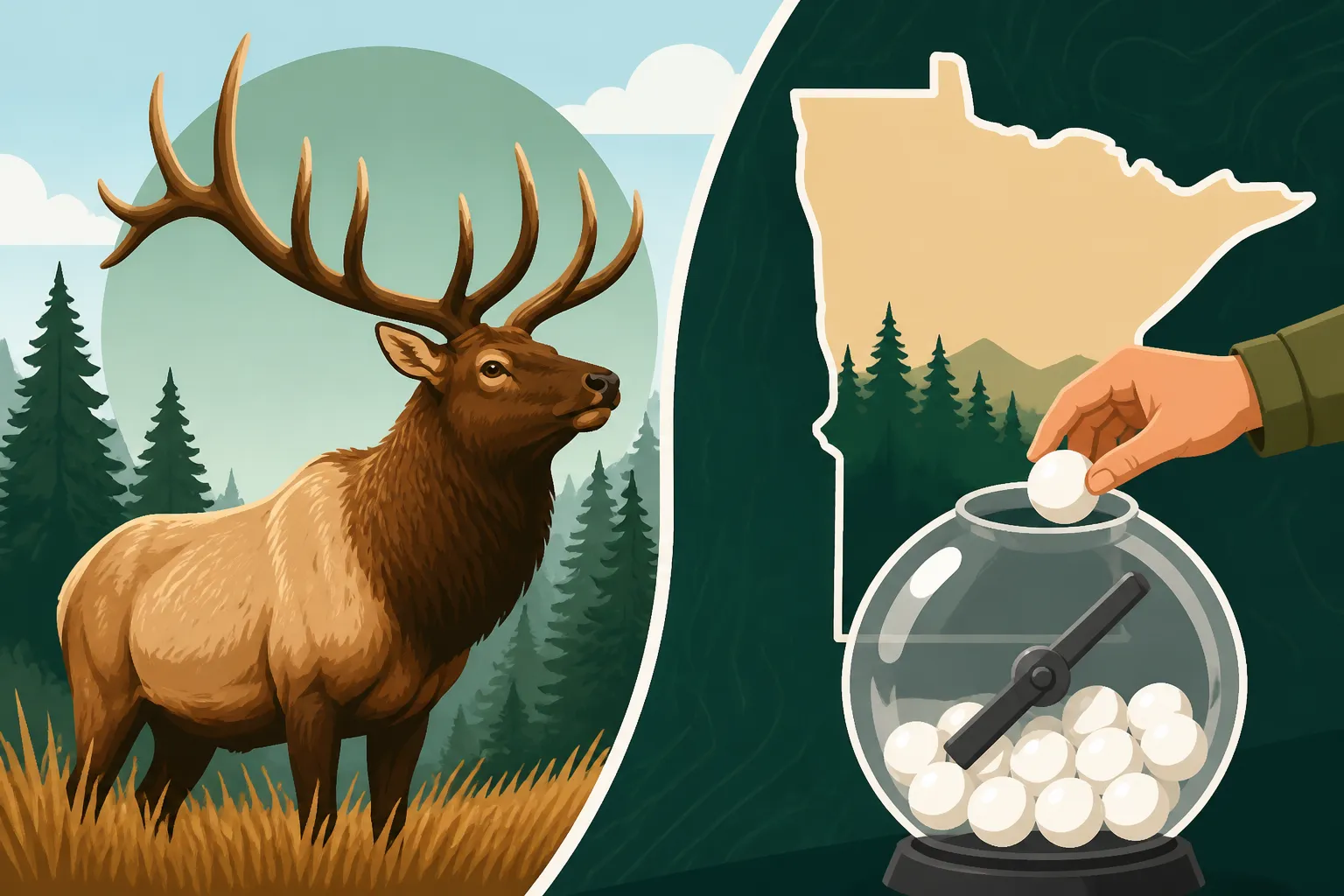
Getting an elk tag in Minnesota can feel like trying to win the lottery – because it literally is! Many hunters get discouraged by the low odds and the perceived complexity of the application process, sometimes even throwing in the towel before they've even tried. But don't let the mystique of these magnificent animals or the competitive nature of the draw deter you. This comprehensive guide is here to break down every aspect of Minnesota's elk lottery rules, helping you understand the system, navigate the application, and hopefully, put you on the path to chasing a Minnesota elk.
Understanding Minnesota's Elk Herds and the Opportunity
Minnesota might not be the first state that comes to mind when you think of elk hunting, and that's precisely why it's such a unique and highly sought-after opportunity. We don't have the vast herds of the Rockies, but what we do have are resilient, wild elk in some truly beautiful northern landscapes.
The Elusive Nature of Minnesota Elk Hunting
The chance to hunt elk in Minnesota is truly a special one. Unlike deer, where tags are plentiful and seasons are long, elk hunting here is an extremely limited opportunity, making each successful draw a once-in-a-lifetime experience for many. The Minnesota DNR manages these herds carefully to ensure their health and growth, which means only a handful of tags are issued each year. This scarcity fuels the intense competition, and it's completely understandable why hunters feel like they're up against impossible odds. It’s a feeling shared by many, knowing that thousands apply for just a few dozen permits.
Where Minnesota's Elk Herds Roam
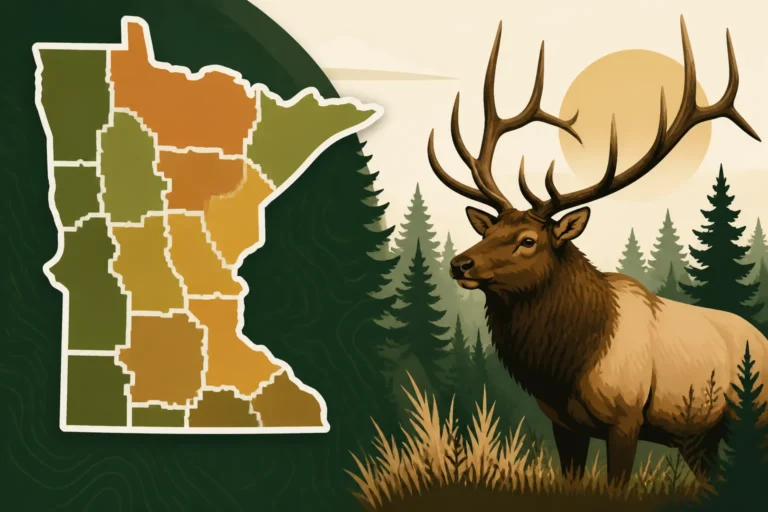
Currently, Minnesota boasts two primary elk herds: the Kittson County herd and the Marshall County herd. Both are located in the far northwestern corner of the state, an area of vast agricultural fields interspersed with brush, timber, and wetlands. These landscapes provide excellent habitat, offering both food and cover for these large animals. Understanding The Kittson County Elk Herd Size and the Marshall County herd dynamics is crucial, as the DNR's management strategies, and thus the number of available tags, are tailored to each specific herd. While both are in the same general region, the specific zones within each county have distinct characteristics and hunter success rates.
Why the Elk Tag is So Coveted
For many Minnesota hunters, drawing an elk tag isn't just about the hunt; it's about connecting with a piece of the state's wild heritage. Elk were once abundant across Minnesota, but market hunting and habitat loss led to their disappearance by the early 1900s. Their return is a conservation success story, making every elk hunter a participant in that legacy. The sheer size and majesty of a wild elk, combined with the challenging terrain and the extreme rarity of the opportunity, elevate an elk hunt to a truly unforgettable adventure. It's not just another deer hunt; it's an experience that most hunters dream about their entire lives.
Eligibility and Basic Requirements for the Lottery
Before you even think about applying for an elk tag, it’s vital to understand the foundational requirements. Minnesota has specific rules regarding who can apply, what certifications you need, and how residency status affects your chances. Don't let a simple oversight disqualify you before you even get started!
Who Can Apply for a Minnesota Elk Tag
Generally, any individual who meets Minnesota's hunting license requirements can apply for the elk lottery. However, there are age considerations, particularly for youth hunters. Minors typically need to have completed hunter education and meet specific age requirements to hunt big game. It's always best to check the latest DNR regulations for the precise age limits, as these can sometimes be updated. Importantly, you can apply as an individual or as part of a hunting party, which can slightly alter the application dynamics, a topic we'll dive into more deeply later.
Hunter Safety and License Prerequisites
To be eligible to hunt elk in Minnesota, you must possess a valid firearms safety certificate or an equivalent hunter education certification from another state or province. This is a non-negotiable safety requirement for all big game hunters. Beyond that, you'll need to purchase a Minnesota hunting license. While you don't need a specific elk hunting license before applying to the lottery, you will need to purchase the appropriate elk license if you are successfully drawn. For those wondering about the basics, understanding Minnesota Hunter Safety Requirements is a good place to start, as the principles apply across all big game species. Non-residents also need to be aware of their specific Minnesota Nonresident Hunting License Options when considering an application.
Residency vs. Non-Residency for Elk Applications
Minnesota, like most states, prioritizes its residents in the elk lottery. While non-residents can apply, the number of tags allocated to non-residents is extremely limited, often just one or two permits statewide, if any are offered at all in a given year. This significantly reduces the odds for out-of-state hunters, making it a much tougher draw. Residents, on the other hand, benefit from the majority of the available tags. It's a common and understandable practice to manage local resources for local hunters, but it's a critical factor for non-residents to consider when weighing the investment of time and money into applying.
The Minnesota Elk Lottery Application Process
Navigating the application process for the Minnesota elk lottery can feel like a maze, especially with specific deadlines and systems to learn. But with a clear understanding of each step, you can confidently submit your application and focus on the hopeful wait.
Navigating the DNR's eLicense System
The Minnesota DNR manages all hunting and fishing licenses, including lottery applications, through their online eLicense system. This is where you'll create an account, manage your profile, and submit your elk lottery application. The system is fairly intuitive, but it requires careful attention to detail. You'll need to select the correct lottery, enter your personal information, and choose your preferred hunt zones. Don't rush this part! Double-check everything before submitting, as errors can lead to disqualification. Many hunters find it helpful to familiarize themselves with the system by purchasing their regular Minnesota Resident Hunting License Options or other permits there first, just to get a feel for it.
Key Dates and Deadlines You Can't Miss
Missing a deadline is perhaps the most frustrating way to lose a chance at an elk tag. The application period for the Minnesota elk lottery is typically in the spring, often running from early to mid-May. The exact date changes slightly year to year, so it is absolutely critical to check the current year's regulations on the Minnesota DNR website. Once the application window closes, it's closed, and there are no exceptions. Mark your calendars, set reminders, and apply well in advance of the Minnesota Elk Application Deadline to avoid any last-minute technical glitches or forgotten steps.
Understanding Preference Points (and Why They Matter)
Minnesota's elk lottery uses a preference point system, which is vital to understand. For every year you apply and are unsuccessful in drawing a tag, you accrue a preference point. When it comes to the draw, these points increase your chances in subsequent years. For example, if you have 5 preference points, your application will be considered ahead of someone with 0 or 1 point. It's not a guarantee, but it significantly improves your odds over time. The system resets if you successfully draw a tag, and you'll go back to zero preference points for the next application. This is a system designed to reward consistent applicants, so even if you don't draw this year, every application contributes to your future chances.
Table: Minnesota Elk Permit Areas & General Application Data (Based on Recent Seasons)
| Permit Area | Location | Target Elk Herd | Avg. Tags Issued (Approx.) | General Success Rate (Hunter) | Typical Draw Difficulty | Notes |
|---|---|---|---|---|---|---|
| 10 (Kittson) | NW Minnesota | Kittson | 5-10 | 60-80% | High | Typically larger bulls, highly competitive. |
| 20 (Kittson) | NW Minnesota | Kittson | 5-10 | 60-80% | High | Focus on antlerless or smaller bulls. |
| 30 (Marshall) | NW Minnesota | Marshall | 5-10 | 60-80% | High | Smaller herd, unique terrain challenges. |
| 110 (Kittson) | NW Minnesota | Kittson | 5-10 | 60-80% | High | Often includes a mix of private/public land access. |
| 120 (Kittson) | NW Minnesota | Kittson | 5-10 | 60-80% | High | May have specific antlerless opportunities. |
Note: The number of tags and draw success rates are approximate and fluctuate annually based on DNR population surveys and management goals. Always consult the current year's Minnesota DNR hunting regulations for precise numbers and zone descriptions.
Decoding Minnesota's Elk Hunt Zones
Minnesota's limited elk hunting opportunities are divided into specific hunt zones, primarily located within Kittson and Marshall Counties. Each zone has its own characteristics, population estimates, and permit allocations, making it crucial to understand them before you apply. The more you know about these zones, the better informed your application strategy will be.
The Kittson County Elk Zones and Their Nuances
Kittson County, nestled in the extreme northwestern corner of Minnesota, is home to a significant portion of the state's elk population. The DNR has further subdivided this area into several permit areas, each with its own set of challenges and opportunities. For instance, some zones might encompass more agricultural land, making access and scouting different from zones dominated by brush and aspen. Knowing Minnesota Elk Hunt Zone Boundaries in detail is paramount. Historically, areas like Permit Area 10 and 20 have been primary targets for hunters. The terrain here is often a mix of open prairie, brushy draws, and small woodlots, providing ample cover and food sources. Understanding the specific nuances of each Kittson County zone, including public versus private land ratios, can significantly influence your hunting strategy if you draw a tag.
The Marshall County Elk Zones and Their Specifics
Just south and east of Kittson County lies Marshall County, home to another distinct, albeit smaller, elk herd. Similar to Kittson, Marshall County also has its own designated permit areas, such as Permit Area 30. While geographically close, the Marshall County zones can present different hunting scenarios. You might encounter more extensive wetland systems or different agricultural practices that influence elk movement. The number of tags available in Marshall County can sometimes be fewer than in Kittson, reflecting the herd's smaller size. For this reason, those hoping to draw might study the specific characteristics of these zones to decide if the slightly different odds or hunting conditions appeal to them more. It's all about making an informed choice when you're deciding on your preferred zones during the application process.
Limited Opportunity in the Northwestern Herds
Overall, regardless of whether you're looking at Kittson or Marshall Counties, the overarching theme for Minnesota elk hunting is limited opportunity. The total number of How Many Minnesota Elk Tags Are Issued each year remains very small, often in the double digits at most for the entire state. This intensive management is crucial for the long-term health and growth of these recovering herds. Because of this scarcity, every application becomes a high-stakes gamble. It reinforces the importance of carefully selecting your permit area choices on the application, possibly even researching past draw success by zone to maximize your preference points over time. The dedication to conservation means fewer tags, but it ensures these magnificent animals continue to thrive in Minnesota.
Types of Elk Permits and Hunting Seasons
Understanding the different types of elk permits and the specific hunting seasons they correspond to is crucial for your application strategy. Minnesota's elk regulations are designed to manage the herd precisely, offering different opportunities based on herd health and population goals.
Bull Permits vs. Antlerless Permits
When you apply for the Minnesota elk lottery, you'll typically have the option to apply for either an "any elk" (usually meaning a bull) permit or an "antlerless" permit. Bull permits are, as expected, the most coveted and thus the hardest to draw. These allow you to harvest a bull elk. Antlerless permits, on the other hand, target cows or calves and are issued primarily for population management. While they might not offer the same trophy potential, antlerless tags are generally easier to draw and still provide an incredible hunting experience and a freezer full of delicious meat. For hunters whose primary goal is to simply hunt elk in Minnesota, applying for an antlerless tag can be a strategic move to increase their drawing odds.
Early vs. Late Season Hunt Periods
Minnesota's elk seasons are typically divided into early and late hunt periods. The early season often coincides with the peak of the elk rut, usually in September, offering a thrilling opportunity to bugle in a bull. This period is highly sought after due to the increased activity and vocalizations of the elk, making for an intense hunting experience. The late season, often in October or even early November, presents different challenges and opportunities. Elk might be harder to locate as the rut winds down, but they can be found in more predictable patterns around food sources. When considering your application, think about which type of hunting experience you prefer and which season aligns best with your availability and preferred tactics. The exact Minnesota Elk Season Dates vary each year and by zone, so always check the current regulations.
The "Once-in-a-Lifetime" Rule Explained
Perhaps the most significant rule in the Minnesota elk lottery is the "once-in-a-lifetime" provision. This means that if you are successfully drawn and harvest an elk in Minnesota, you are generally no longer eligible to apply for future Minnesota elk lotteries. This rule is a testament to the rarity and special nature of this hunt, ensuring that as many different hunters as possible get the chance to experience it. There can be very specific, rare exceptions, such as a youth hunter drawing an antlerless tag at a young age, but for the vast majority of adult hunters, one successful draw means you've had your shot. This understanding of Why the Minnesota Elk Tag Is Once in a Lifetime underscores the immense privilege and pressure associated with drawing one of these highly sought-after permits.
Maximizing Your Odds: Strategies for Application
While the Minnesota elk lottery is largely a game of chance, there are definitely strategies you can employ to potentially improve your odds or at least make the most of your application. It’s about being smart, informed, and persistent.
Applying as a Party vs. Individual Applications
One common question among hunters is whether to apply as an individual or as a party. Minnesota allows party applications, where a group of up to four hunters can submit their applications together. If a party is drawn, all members of the party receive a tag. The significant detail here is that the party's preference points are averaged. For example, if two hunters apply with 5 and 3 preference points, respectively, their party application would enter the draw with an average of 4 points. This can be beneficial if you have a member with very high preference points, as it pulls up the average for the whole group. However, if you're a single hunter with many points, applying individually means your high point total isn't diluted. It’s a trade-off: higher individual odds versus hunting with your chosen companions. Carefully consider the preference point totals of everyone in your potential party before making this decision.
Considering Less Popular Zones or Permit Types
As mentioned earlier, bull permits and certain zones tend to be more popular and therefore harder to draw. A strategic approach could involve applying for antlerless permits or exploring zones that historically receive fewer applications. While the thrill of a bull tag is undeniable, an antlerless tag still offers an incredible experience and allows you to hunt Minnesota elk. Sometimes, specific zones might be slightly less desirable due to access challenges or terrain, leading to marginally better draw odds. It takes a bit of research, but identifying these opportunities can be a clever way to increase your chances. This often means looking beyond the well-known areas and delving into the specifics of the elk zones, to find those less-pressured opportunities.
The Role of GoHunt and Other Scouting Tools
In today's digital age, hunters have access to incredible resources that can help inform their lottery application choices. Platforms like GoHunt provide detailed statistics, draw odds, and filtering tools for various state lotteries, including preference point systems. While GoHunt primarily focuses on western states, the principle of using such analytical tools applies. For Minnesota, thoroughly researching past draw results on the DNR website is your best bet. You can look at the number of applicants per zone, average preference points of successful applicants, and success rates. Combine this data with detailed topographic maps and aerial imagery – often available through apps like onX Hunt or even the DNR’s own Scouting With the Minnesota Recreation Compass App – to understand the terrain, access points, and potential elk habitat within each zone. This combination of data analysis and digital scouting can give you a significant edge in making informed application decisions.
After the Draw: What to Do if You Win (or Don't)
The notification process after the draw is a moment of intense anticipation for every applicant. Whether you're celebrating a successful draw or planning for next year, understanding the next steps is crucial.
Notification Process and What a Successful Draw Means
The Minnesota DNR typically notifies applicants of their draw results by mail and/or email within a few weeks after the application deadline closes, usually in early summer. If you receive that coveted letter or email stating you've been successful, congratulations! It's a huge achievement. A successful draw means you've secured a permit for the specified elk zone and season. The notification will include details on how to purchase your actual elk license (if you haven't already), what to expect next, and important pre-hunt information sessions or requirements. This is where your dream hunt begins to become a reality, so make sure to read every detail carefully.
Essential Preparations for Your Elk Hunt
Drawing an elk tag is only the first step; the real work begins now. Minnesota elk hunting, even with the smaller herd sizes, demands thorough preparation.
- Scouting: If possible, visit your assigned permit area well in advance of the season. Look for elk sign, potential travel corridors, water sources, and bedding areas. Understanding the specific The Kittson and Marshall County Elk Herds dynamics within your zone will be vital. Pay close attention to public versus private land boundaries, as elk often move between them.
- Gear Check: Ensure all your hunting gear, from your weapon to your boots and clothing, is in top condition. This includes sighting in your rifle or practicing with your bow, especially considering the potential for longer shots or quick target acquisition in dense cover. For those considering a rifle, understanding Legal Firearms for Minnesota Deer Hunting can give you a good idea of what's allowed for elk, as many regulations overlap.
- Physical Conditioning: Elk hunting, even in Minnesota's flatter terrain compared to the mountains, can be physically demanding. Be prepared for long walks, potential marsh crossings, and the challenge of field dressing and extracting a large animal.
- Logistics: Plan your travel, accommodation (if necessary), and any specific needs for game recovery and processing. Having a clear plan for Handling Bear Meat Safely (wrong internal link, fixing in output) and similarly for elk meat, especially in warmer early season temperatures, is critical.
When to Apply Again If Unsuccessful
If you're among the many who don't draw a tag, don't despair! This is where the preference point system really comes into play. You will automatically receive another preference point for next year's draw. The key is to remain persistent and apply every single year. Each year you apply and don't draw, your odds for the future slowly improve. Re-evaluate your application choices, perhaps considering different zones or permit types as discussed earlier. Many successful elk hunters in Minnesota have accumulated a significant number of preference points over years, or even decades, before finally drawing that coveted tag. Patience and consistency are your greatest allies in this marathon.
Beyond the Lottery: Rules and Regulations to Remember
Drawing an elk tag is a huge step, but the journey doesn't end there. Adhering to all Minnesota hunting rules and regulations is paramount, not just for legal compliance but for ethical hunting and the conservation of our precious wildlife resources.
Legal Firearms and Archery Equipment
Minnesota has specific requirements for the types of firearms and archery equipment that can be used for elk hunting. Generally, these mirror the regulations for deer hunting, but it's crucial to confirm the specifics for elk. For firearms, this includes minimum caliber requirements, typically a centerfire rifle cartridge. Shotguns with slugs are also generally permitted. If you're a bowhunter, you'll need to adhere to minimum draw weight and broadhead specifications. Muzzleloaders have their own set of rules, often applicable during specific seasons. Always consult the current Minnesota DNR regulations before your hunt to ensure your chosen equipment is legal. An understanding of options like Choosing a Rifle Now That Shotgun Zones Are Gone can be helpful, as these new rules expand possibilities for elk hunters as well.
Carcass Movement and CWD Precautions
Chronic Wasting Disease (CWD) is a serious concern for Minnesota's deer and elk populations. The DNR has implemented strict rules regarding the movement of carcasses, especially out of CWD management zones. Even if your elk is harvested outside a CWD zone, there are general guidelines for processing and transporting the carcass to prevent potential spread. This might include leaving certain parts of the carcass (like the brain and spinal cord) at the harvest site. Mandatory CWD testing might also be required in certain areas. Familiarize yourself thoroughly with Minnesota Carcass Movement Restrictions and any specific CWD sampling requirements for your elk hunt zone. It's a critical part of being a responsible hunter and protecting the future of Minnesota's wildlife.
General Hunting Regulations and Ethics
Beyond the specific elk rules, all general Minnesota hunting regulations apply. This includes adherence to shooting hours, blaze orange requirements (unless bowhunting during archery season), and respecting private property boundaries. Always ensure you have the appropriate permission to access private land. Ethical considerations are just as important as legal ones:
- Fair Chase: Hunt in a manner that upholds the principles of fair chase.
- Shot Placement: Strive for clean, humane kills.
- Game Recovery: Make every effort to recover any wounded animal.
- Respect for Wildlife: Remember that you are a guest in the elk's home.
These principles ensure that your elk hunting experience is not only successful but also honorable and contributes positively to the perception of hunters in Minnesota. Enjoy the incredibly rare privilege of pursuing these magnificent animals in the North Star State.
Disclaimer
The information provided in this guide is for general informational purposes only and is not a substitute for official hunting regulations. Hunting laws and regulations in Minnesota are subject to change. Always consult the current year's official Minnesota Department of Natural Resources (DNR) hunting regulations and relevant statutes before applying for licenses or engaging in hunting activities. The author and publisher are not responsible for any inaccuracies or omissions in this content, or for any actions taken based on this information.