Minnesota Waterfowl Zones and Seasons
Navigating the world of Minnesota waterfowl hunting can feel like trying to untangle a hundred feet of decoy line after a nasty freeze-up. Between the different zones, ever-shifting season dates, varying bag limits, and specific regulations for different species, it’s easy to get overwhelmed before you even step foot in a blind. This comprehensive guide is here to cut through the confusion, helping you understand Minnesota’s waterfowl zones and seasons so you can plan your hunts with confidence and maximize your time chasing ducks and geese across the Land of 10,000 Lakes.
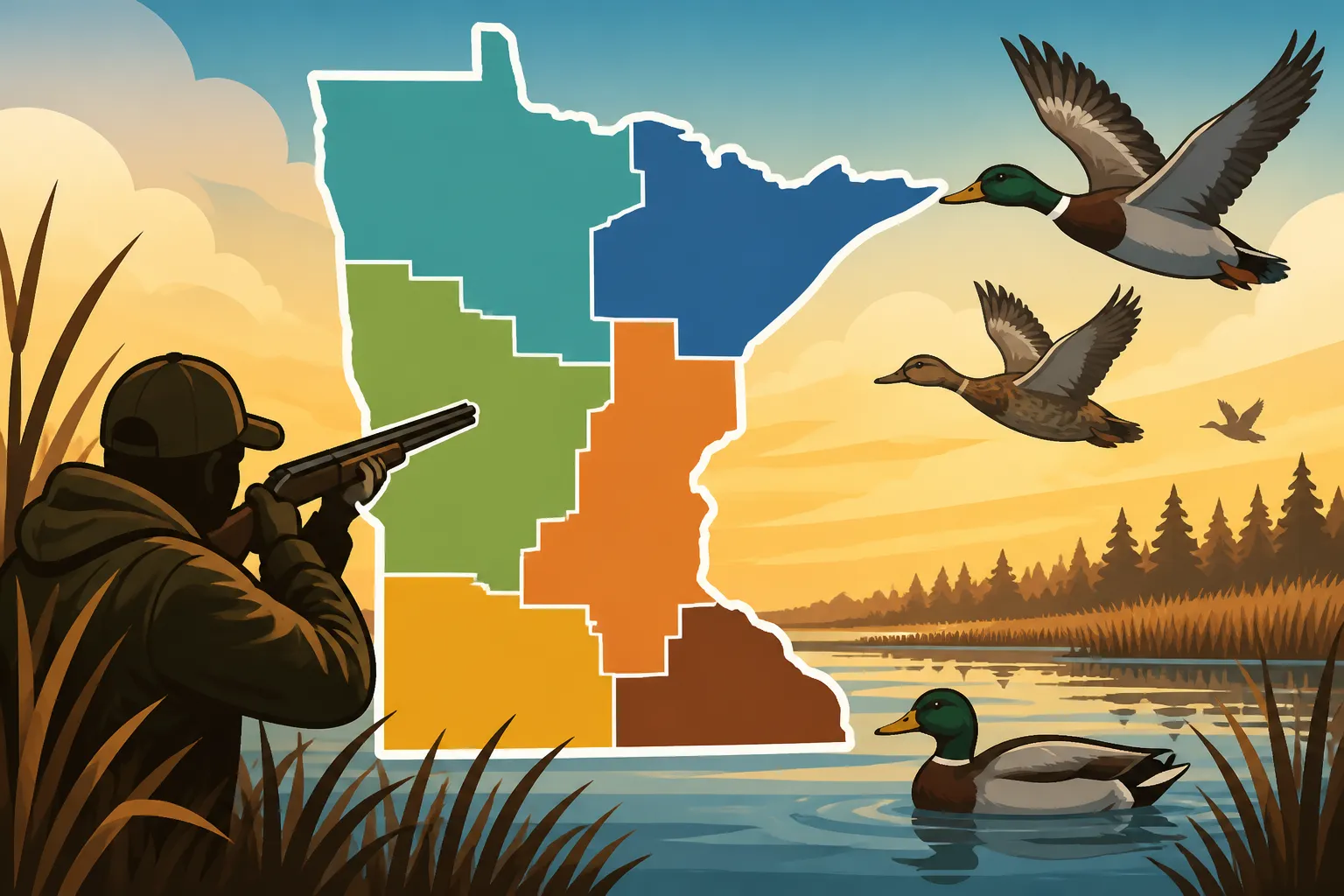
Understanding Minnesota's Waterfowl Zones
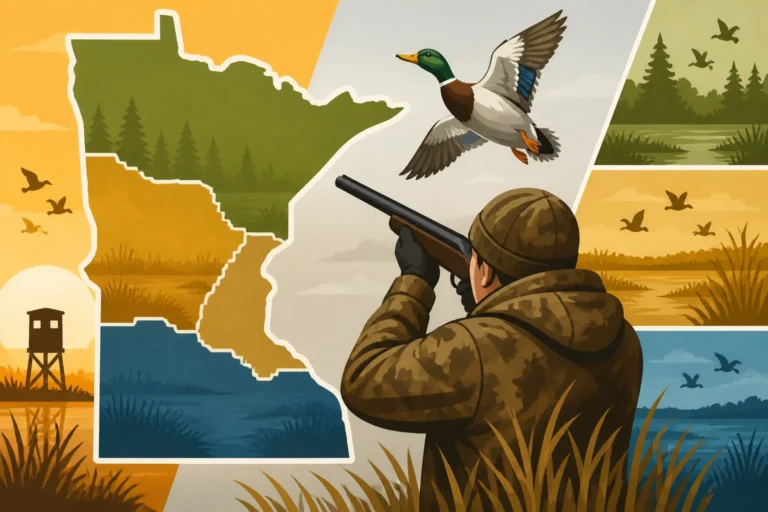
Minnesota is a large, diverse state, stretching from the prairie potholes in the west to the dense forests of the north and the rich agricultural lands of the south. This geographical variety, combined with different migratory patterns of waterfowl, necessitates a zonal system for hunting seasons. It’s not just about drawing lines on a map; it's about managing resources and providing fair opportunities across the state as birds move through.
Why Zones Matter for Waterfowlers
Imagine ducks flying through northern Minnesota in early September, preparing for their long journey south, while birds in the southern part of the state might not arrive until late October or even November, depending on the migration. If Minnesota had a single, statewide season, it would either be too early for southern hunters or too late for northern hunters, resulting in missed opportunities and potentially poor management of the resource.
The zonal system is designed to align hunting opportunities with the peak presence of migratory birds in different parts of the state. This means hunters in the North Zone can get an earlier start when local birds are abundant and before the harshest cold sets in, while those in the South Zone can extend their season deeper into the fall, targeting later-migrating species. Understanding these zones is the first, crucial step in planning any successful waterfowl hunt in Minnesota. Without knowing which zone you're in, you can easily find yourself hunting out of season or violating regulations. It's a fundamental piece of knowledge, right up there with knowing your shotgun's pattern.
The North Zone
The North Zone generally covers the forested regions and prairie-forest transition areas of northern Minnesota. This zone typically has the earliest duck opener to coincide with local nesting duck populations and the first wave of migratory birds pushing south before the real cold snaps hit. Think of the large lakes and extensive marsh systems in areas like Roseau, Thief Lake, and the vast wild rice beds found in regions further south like Aitkin and Becker counties. These areas are often where early-season success is found, targeting resident mallards, wood ducks, and early-migrating teal.
Historically, the boundary for the North Zone has generally followed a line from the western border of the state, roughly along U.S. Highway 10 and State Highway 210, heading east towards Duluth. However, these lines can sometimes have slight adjustments, so always double-check the most current Minnesota DNR regulations for the precise boundary description. Hunters in this zone often contend with earlier ice-up conditions, making those opening weeks critical for targeting available birds. For detailed mapping and public land boundaries, I often use tools like GoHunt to visualize these zones and scout potential access points, especially in the more remote northern stretches.
The Central Zone
Sitting right in the middle, the Central Zone acts as a bridge between the early season opportunities up north and the later pushes in the south. This zone often encompasses a mix of agricultural lands, smaller lakes, and extensive river systems like the Mississippi and its tributaries. Counties like Stearns, Sherburne, and Wright fall within this zone, offering diverse habitat from managed wetlands to agricultural fields.
The duck season in the Central Zone typically opens a bit later than the North Zone, allowing for a broader window to catch both the tail end of northern migrations and the build-up of local and southern-bound birds. Hunters here might experience a wider range of conditions, from crisp fall mornings to potentially mild late-October weather. The types of ducks encountered also vary, with a good mix of puddle ducks early on and increasing numbers of divers as the season progresses and colder weather drives them south. Understanding the nuances of this zone can be key to a successful season, especially since it contains a significant amount of the state's population centers and therefore, many hunters.
The South Zone
The South Zone is where the heart of Minnesota's agricultural landscape meets some of its most productive waterfowl habitat. This zone covers the southern tier of the state, characterized by vast expanses of corn and soybean fields, numerous shallow prairie potholes, and significant portions of the Mississippi River flyway. Counties like Jackson, Nobles, and Martin are prime examples of this zone's prairie pothole region, while the southeastern bluffs along the Mississippi offer entirely different hunting experiences.
The duck season in the South Zone typically opens the latest, designed to capitalize on the largest influx of migrating ducks and geese that funnel down the Mississippi Flyway as winter begins to grip Canada and the northern states. Hunters in this zone often experience the coldest weather of the duck season, sometimes even encountering frozen conditions requiring ice-breaking or open-water strategies. This zone is particularly renowned for its late-season mallard and diver hunting, as these birds often linger as long as open water and food sources remain. For hunters focusing on these later flights, understanding the feeding patterns and roosting habits of birds in relation to surrounding agricultural fields is paramount.
Border Water Zones
Beyond the main three zones, Minnesota also has specific regulations for certain border waters shared with neighboring states or Canada. These areas often have unique season dates and regulations that differ from the standard statewide or zonal rules. The most prominent examples include the waters shared with North Dakota (e.g., portions of the Red River), South Dakota (e.g., portions of Big Stone Lake and Lake Traverse), Wisconsin (e.g., the St. Croix River and the Mississippi River from Hastings south), and Canada (e.g., Lake of the Woods).
These border water regulations are crucial because they ensure consistency and cooperation with adjacent states/provinces, preventing confusion and allowing for shared management of migratory populations. For instance, the Mississippi River border waters with Wisconsin often have season dates that run concurrently with both states' regulations. It’s absolutely vital to check the Minnesota DNR's waterfowl regulations booklet every year if you plan to hunt these specific areas, as even minor changes can significantly impact your hunt. Failing to do so can lead to violations and an early end to your hunting trip.
Navigating Regular Duck Season Dates
Once you've wrapped your head around the zones, the next step is to understand the specific season dates and bag limits for ducks within each. These dates are set annually by the Minnesota DNR, following federal guidelines and biological data on migratory bird populations. It's not just about when you can hunt, but also knowing what you can harvest.
North Zone Duck Dates and Bag Limits
The North Zone typically kicks off Minnesota's regular duck season, often opening in late September. This early start capitalizes on local duck production and the first pushes of northern-breeding birds. Hunters often find success targeting wood ducks in timbered wetlands, local mallards in smaller sloughs, and early teal that haven't quite made it further south. The season might run for a continuous 60-day period, sometimes with a mid-season split, but historically, it's been a straightforward run.
Bag limits in the North Zone generally follow federal guidelines: a total of six ducks per day, but with specific species restrictions. For example, you might be limited to two mallards (only one of which can be a hen), two redheads, two canvasbacks, three wood ducks, one pintail, and one black duck. These specific limits are designed to protect populations of species that are more vulnerable or slower to reproduce. Hunters should always check the most recent DNR regulations for any changes to these limits, especially for species like pintails, which can vary year to year. Knowing your duck identification is critical here, as a mistaken hen mallard for a gadwall could lead to a fine.
Central Zone Duck Dates and Bag Limits
The Central Zone's duck season typically opens a week or two after the North Zone, usually in early October. This timing often provides excellent opportunities as birds from the North Zone begin to filter down, mingling with resident populations. Hunters in the Central Zone might experience a longer period of consistent duck activity, with puddle ducks dominating early and diver ducks becoming more prevalent later in the season, especially on larger bodies of water.
The general duck bag limit here mirrors the North Zone—six ducks daily with species-specific restrictions. However, the exact timing of species migrations might mean hunters are more likely to encounter certain birds at different points in the season. For example, late October and early November can be prime for ring-necked ducks and scaup on Central Zone lakes. Again, confirming the exact season dates and bag limits with the annual DNR regulations is paramount. This zone offers a fantastic variety of hunting, from field hunting over decoys to jump shooting small ponds, making it a favorite for many.
South Zone Duck Dates and Bag Limits
The South Zone typically has the latest duck opener in Minnesota, often beginning in mid-October. This later start is strategically timed to intercept the major migrations of waterfowl that move into southern Minnesota as colder weather pushes them down the flyway. This can mean spectacular hunting for large concentrations of mallards, gadwalls, and various diver ducks, particularly on big lakes and along the Mississippi River.
The bag limits are consistent with the other zones—six ducks daily, with the same species restrictions. However, the composition of the harvest in the South Zone often shifts towards more mallards and divers as the season progresses into November and even early December. Cold fronts are often a hunter's best friend in the South Zone, pushing fresh birds down from the north. Hunters often utilize layout blinds in harvested cornfields or boat blinds on open water to target these late-season birds. Being prepared for rapidly changing weather conditions, from mild autumn days to bitter cold and snow, is key to success in the late South Zone season.
Key Species and Their Migratory Timing
Understanding when specific duck species tend to migrate through Minnesota can significantly boost your hunting success. It’s not just about being in the right zone, but being there at the right time for the birds you're targeting.
- Early Migrators (September-Early October): This group primarily includes blue-winged teal, green-winged teal, wood ducks, and pintails. These birds are often the first to push south, making them prime targets during the early weeks of the North Zone season and the Early Teal Season. Wood ducks tend to hang around until their preferred timbered swamps start to freeze up.
- Mid-Season Arrivals (Mid-October-Early November): Mallards are a staple throughout the season, but significant pushes of new birds often arrive during this period. Gadwalls, wigeon, shovelers, and most diver species like ring-necked ducks and scaup also become more prevalent. This is often the peak of the migration for many hunters, offering diverse bag opportunities across all zones, especially the Central and early South Zones.
- Late Season Specialists (Late November-December): As ice starts to cover northern waters, large numbers of mallards, canvasbacks, and goldeneyes will concentrate on remaining open water, particularly in the South Zone and along major river systems. These birds are often more wary and require robust decoy spreads and impeccable concealment. Hunting the Minnesota Rut in Early November can sometimes overlap with excellent duck hunting if you're lucky enough to find yourself out in the field.
Knowing these patterns helps you predict what to expect and adapt your hunting strategies. For instance, if you're seeing mostly teal and wood ducks, don't expect to bag a canvasback, and vice versa.
Early Goose and Teal Seasons
Before the regular duck seasons even begin, Minnesota offers exciting opportunities for waterfowl hunters with its specialized early seasons. These seasons are designed to target specific populations and provide additional hunting days when conditions are often mild and pleasant.
Early September Goose Season
Minnesota's Early Goose Season, often kicking off on September 1st, is a highly anticipated event for many goose hunters. This season is specifically designed to reduce nuisance populations of resident Canada geese, which have thrived in urban and agricultural environments. These local birds often cause damage to crops and can be a general nuisance in populated areas, so a separate early season helps manage their numbers before the massive influx of migratory geese arrives later in the fall.
This season typically runs for about three weeks, and the daily bag limit is generous, often set at 10 or 15 Canada geese per hunter. Hunting during this time primarily focuses on field hunting, setting up large spreads of decoys in harvested agricultural fields where geese are actively feeding. It's often hot and humid, requiring different clothing and hydration strategies than later seasons. Learning about Early Goose Season Tactics in Minnesota can drastically improve your success, as these birds are often less wary than their migratory cousins but still require careful scouting. Many hunters use this as an opportunity to introduce new hunters to the sport, as the conditions are generally more forgiving.
The Minnesota Early Teal Season Dates
The Early Teal Season is another fantastic early opportunity, usually running for about nine days in early to mid-September. This season specifically targets blue-winged and green-winged teal, two of the earliest migrating duck species. These small, fast-flying ducks are often already on their way south by the time the regular duck season opens, so this specialized season allows hunters to pursue them while they are most abundant in Minnesota.
The daily bag limit for the Early Teal Season is typically six teal, and only teal are allowed to be harvested during this period. This means strict species identification is paramount; if it's not a teal, you cannot shoot it. This rule can be challenging, as other species like wood ducks or even small mallards can be present. Hunters often focus on shallow marshes, flooded fields, and small potholes where teal prefer to feed. Learning how to identify these birds quickly in flight is a skill that comes with practice. For those passionate about these speedy birds, mastering Hunting Teal During the Early September Season offers a unique and exciting challenge.
Strategies for Early Season Success
Success in these early seasons hinges on several factors, many of which differ from later-season hunting.
- Scouting is King: For early geese, scouting agricultural fields is non-negotiable. You need to know where the geese are feeding and develop a plan to access those fields legally and set up your decoys. Similarly, for teal, identifying shallow water bodies with abundant natural vegetation where they feed is key. Tools like GoHunt can be invaluable for pinpointing these locations, especially for finding subtle changes in topography or water levels that attract birds.
- Decoy Spreads: For early geese, large spreads of full-body or shell decoys are common to attract large flocks. For teal, a modest spread of a dozen or two teal decoys, often with a spinner or two, can be very effective in small potholes.
- Concealment: While early season conditions might be warm, good concealment is still critical. Layout blinds in fields for geese, or natural vegetation blinds for teal, are essential. The sun is often high, and birds can spot poorly concealed hunters from a long distance.
- Hydration and Comfort: Don't underestimate the heat and humidity of early September. Bring plenty of water, wear light, breathable clothing, and be mindful of mosquitoes and other bugs.
- Dog Care: If hunting with a retriever, ensure they stay hydrated and don't overheat. Early season water can still be quite warm, and long retrieves can quickly exhaust a dog.
Late Season Goose Hunting Opportunities
While early season goose hunting is fantastic, Minnesota also offers extensive opportunities to pursue Canada geese and even snow geese deep into the fall and winter. These later seasons often coincide with much colder weather and massive migrations, presenting different challenges and rewards.
Regular Canada Goose Season by Zone
The regular Canada Goose season typically runs concurrently with the regular duck seasons in each zone, but often extends beyond them, especially in the Central and South Zones. This is because Canada geese are incredibly resilient birds that will stay as long as there's open water and accessible food. The bag limits are usually more conservative than the early season, often around three or five Canada geese per day, depending on the zone and specific dates.
As migratory Canada geese begin to arrive in earnest from their northern breeding grounds, hunters often focus on targeting them in agricultural fields (primarily corn), on large bodies of water, or along major river systems. This phase of the season often requires larger spreads of decoys, specialized blinds, and a keen understanding of goose behavior as these birds become increasingly wary due to hunting pressure. Being aware of Minnesota Goose Zones and Seasons is critical, as these can sometimes have slightly different opening and closing dates or splits compared to duck seasons within the same geographic area.
Late December/January Goose Hunting
One of the most exciting, and often brutal, opportunities for goose hunters in Minnesota comes in the late season, extending from late December into January in some zones. The South Zone, in particular, often has extended Canada goose seasons designed to manage wintering populations that congregate on the remaining open water, such as portions of the Mississippi River, power plant discharge areas, or large, spring-fed lakes.
Hunting during this period is a test of endurance and preparation. Temperatures can plummet well below freezing, requiring extreme cold-weather gear, insulated boots, and a robust layering system. Decoy spreads need to be effective in icy conditions, and hunters often use specialized boat blinds or layout blinds designed for extreme weather. Success in these conditions often means putting in the time to scout meticulously, understanding flight patterns into feeding fields, and being able to withstand the elements for extended periods. The reward can be incredible, as large flocks of Canada geese descend into spread-out decoys against a backdrop of pristine snow.
Snow Goose Conservation Order
Minnesota participates in the federal Snow Goose Conservation Order, which allows for an extended hunting season for light geese (snow, blue, and Ross's geese) outside of regular waterfowl seasons. This special order is in place due to overpopulation concerns with these species, which have been causing significant habitat destruction on their Arctic breeding grounds.
The Snow Goose Conservation Order typically runs from early February through late April, with a very generous or even unlimited bag limit, and allows for the use of unplugged shotguns and electronic calls—tactics usually prohibited during regular waterfowl seasons. This is a unique opportunity to experience a different kind of waterfowl hunting, often characterized by massive flocks of geese descending on fields. However, snow geese are notoriously difficult to decoy, making this hunt a significant challenge. Hunters often target staging areas where millions of birds gather before continuing their migration north. It’s a completely different ballgame than hunting Canada geese and requires specialized tactics and equipment.
Special Youth and Veteran Waterfowl Hunts
Minnesota is committed to fostering the next generation of hunters and honoring those who have served. To that end, the state offers special waterfowl hunting opportunities specifically for youth and for veterans and active military personnel. These events are not just about hunting; they're about mentorship, tradition, and community.
Minnesota Youth Waterfowl Weekend Dates
The Minnesota Youth Waterfowl Weekend Dates are a highlight for many young hunters and their mentors. Typically held on a weekend in mid-September, before the regular duck season opens, this special hunt allows youth hunters (usually age 15 and under) to pursue ducks and geese under the supervision of a licensed, non-hunting adult. This provides a fantastic, less pressured environment for kids to learn the ropes of waterfowl hunting.
During this weekend, youth hunters can enjoy regular daily bag limits for ducks and geese, and often the weather is still mild, making for a more comfortable experience. It's an ideal time for parents, grandparents, or mentors to teach crucial skills like decoy setup, calling, dog handling, and waterfowl identification without the added pressure of adult competition. These weekends are vital for recruiting and retaining new hunters, ensuring the future of our hunting heritage. It’s a chance for kids to make memories that will last a lifetime, often sparking a lifelong passion for the outdoors.
Veteran and Active Military Waterfowl Hunts
In recognition of their service, Minnesota also offers a special waterfowl hunting day for military veterans and active duty personnel. This hunt often coincides with the Youth Waterfowl Weekend or is held on a similar weekend in mid-September, providing another opportunity for experienced hunters to enjoy the early season.
This initiative is a small way to thank veterans and active military members for their sacrifices, offering them a dedicated day to enjoy the outdoors and the camaraderie of fellow service members or hunting companions. The regulations and bag limits typically mirror those of the regular duck season that would be in effect for that zone. It’s important for eligible participants to check the Minnesota DNR regulations annually for the specific dates and eligibility requirements, as these can sometimes be subject to change or specific stipulations. These hunts provide a valuable connection to nature and a sense of normalcy for those who have given so much.
Mentorship and Passing on the Tradition
Both the youth and veteran hunts underscore a crucial aspect of hunting: mentorship. Waterfowl hunting, perhaps more than many other forms of hunting, involves a significant amount of gear, specialized knowledge, and safety considerations. A good mentor can guide a new hunter through everything from understanding waterfowl behavior and identifying birds in flight, to proper gun safety, decoy placement, and calling techniques.
These special seasons are designed to facilitate this mentorship. For youth, it's about making hunting accessible and enjoyable, planting the seeds for a lifelong love of the outdoors. For veterans, it's about providing an opportunity for relaxation, community, and a return to nature that can be incredibly therapeutic. Organizations across Minnesota often host events and clinics around these special dates, further supporting new hunters and fostering a sense of community around waterfowl hunting.
Essential Licensing and Regulations
Before you even think about setting out your first decoy, you need to ensure you're properly licensed and understand the fundamental regulations that govern waterfowl hunting in Minnesota. Skipping these steps can lead to hefty fines and loss of hunting privileges, putting a damper on your season.
Required Licenses and Stamps State & Federal
To legally hunt waterfowl in Minnesota, every hunter needs a combination of state and federal licenses and stamps. It can feel like a bit of a checklist, but each serves an important purpose, primarily funding conservation efforts.
- Minnesota Small Game License: This is your foundational state license. Anyone planning to hunt small game, which includes ducks and geese, needs this license.
- Minnesota Waterfowl Stamp: This is a state stamp specifically for waterfowl hunters. The funds generated from this stamp go directly to Minnesota's waterfowl habitat projects, ensuring there are places for birds to nest, feed, and rest.
- Federal Migratory Bird Hunting and Conservation Stamp (Duck Stamp): This is perhaps the most famous and impactful stamp. Required by federal law for anyone 16 years or older hunting migratory waterfowl, 98 cents of every dollar from its sale goes directly to acquire and protect wetland habitats for the National Wildlife Refuge System. These refuges are critical for migratory birds across the continent.
- Firearms Safety Certificate: If you were born after December 31, 1979, you generally need a firearms safety certificate (hunter education) to purchase a hunting license in Minnesota. Exceptions exist for those hunting under a mentored youth program.
You can purchase your Minnesota licenses and stamps through the DNR's eLicense system, often available online or at authorized vendors like bait shops and sporting goods stores. Make sure to buy them well in advance of the season opener.
HIP Certification and Its Importance
HIP stands for Harvest Information Program. If you plan to hunt migratory game birds (which includes ducks, geese, coots, and snipe) in Minnesota, you are federally required to be HIP certified annually. This is not a stamp or a physical license; rather, it's a brief survey you complete when you buy your state small game license.
During the survey, you'll be asked about your hunting success from the previous year (e.g., how many ducks you harvested). The data collected from HIP helps wildlife managers estimate harvest levels and population trends of migratory birds. This information is crucial for setting future hunting seasons and bag limits, ensuring sustainable populations for years to come. It’s a simple, quick step that every migratory bird hunter must complete, and it’s often overlooked, but critically important. Without it, you are hunting migratory birds illegally.
Nontoxic Shot and Other Equipment Rules
Minnesota, like all states, has strict regulations regarding ammunition and equipment for waterfowl hunting, primarily to protect both waterfowl and the environments they inhabit.
- Nontoxic Shot Requirement: Perhaps the most important rule: only nontoxic shot is allowed for waterfowl hunting in Minnesota. This means lead shot is strictly prohibited when hunting ducks, geese, coots, and snipe. Common nontoxic alternatives include steel, bismuth, and various tungsten alloys. Lead shot can poison waterfowl and other wildlife when ingested, so this regulation is vital for environmental health. Ensure all your shells are clearly marked "nontoxic" before heading afield. Understanding Where Nontoxic Shot Is Required in Minnesota is not just a suggestion, it's the law.
- Shotgun Plug: All shotguns used for migratory game birds must be "plugged," meaning they cannot hold more than three shells in total (one in the chamber, two in the magazine). This is a federal regulation designed to prevent overharvest.
- Decoys: While there are no specific limits on the number of decoys you can use, it's illegal to leave decoys out overnight on public lands in some areas. Always check local regulations.
- Motorized Decoys: The use of motorized decoys (like spinning-wing decoys) is generally allowed in Minnesota, but there can be specific restrictions or prohibitions in certain areas or during certain periods, so always consult the current regulations.
- Blinds: While not specifically regulated for construction materials, any blind on public land often has rules regarding its temporary nature and removal after the season. Always leave no trace.
- Retrieval: Hunters are required to make all reasonable efforts to retrieve downed birds. Leaving cripples unretrieved is unethical and illegal. This is where a good retriever comes into play.
Adhering to these equipment rules is non-negotiable. It's about safety, ethics, and complying with the law, ensuring the long-term health of Minnesota's waterfowl populations.
Planning Your Minnesota Waterfowl Hunt
Successfully hunting waterfowl in Minnesota goes beyond just knowing the dates and zones. It requires careful planning, constant scouting, and an understanding of how birds respond to their environment and hunting pressure.
Scouting and Migration Patterns
Scouting is the cornerstone of successful waterfowl hunting. You can have the best decoys and calls, but if you're not where the birds want to be, you won't be successful.
- Pre-Season Scouting: Even before the season opens, drive around prospective hunting areas. Look for concentrations of local birds on ponds, lakes, and marshes. Note feeding patterns, especially where geese and mallards are using agricultural fields. This information helps you predict early-season movements. Websites and apps like GoHunt can provide invaluable aerial imagery to identify potential hotspots, water bodies, and access points from your couch, saving you countless hours of driving.
- In-Season Scouting: Once the season starts, scouting becomes a continuous process. Birds move daily based on food availability, water conditions, and hunting pressure. Drive or walk around in the evenings after hunting hours to observe where birds are flying to roost or feed. Pay attention to major flyways. A good resource for understanding these movements is the Minnesota Waterfowl Migration Timing page, which can give you a general idea of when different species are pushing through.
- Weather's Influence: Keep a close eye on weather forecasts, particularly cold fronts from the north. These fronts often trigger large migrations, bringing fresh birds into your hunting area. After a significant weather change, birds may shift their feeding and resting patterns.
| Season Phase | Key Scouting Focus | Typical Species Targeted | Optimal Weather Conditions |
|---|---|---|---|
| Early Season | Local ponds, small marshes, feed fields. | Blue-winged teal, wood ducks, resident Canada geese. | Warm, mild, light winds. |
| Mid-Season | Larger lakes, river systems, active ag fields. | Mallards, gadwalls, wigeon, divers, migratory Canadas. | Moderate temps, steady winds. |
| Late Season | Open water on large lakes/rivers, harvested corn. | Mallards, canvasbacks, goldeneyes, greater Canada geese. | Cold, freezing, snow, strong winds. |
| Snow Goose Order | Staging areas, large agricultural fields. | Snow, blue, and Ross's geese. | Variable, often cold/windy. |
Utilizing Public Land for Waterfowl
Minnesota boasts an impressive amount of public land, much of which offers excellent waterfowl hunting opportunities. However, hunting public land comes with its own set of considerations.
- Wildlife Management Areas (WMAs): Minnesota's WMAs are managed specifically for wildlife habitat and public recreation, including hunting. Many WMAs contain wetlands, marshes, and even flooded agricultural fields designed to attract waterfowl. They are often well-signed, and maps are available through the DNR. Be aware that these areas can see significant hunting pressure, especially on opening day.
- Waterfowl Production Areas (WPAs): These are federal lands managed by the U.S. Fish and Wildlife Service, primarily for nesting and breeding waterfowl. They often consist of smaller prairie potholes and grasslands in the western and southern parts of the state. They offer fantastic hunting for puddle ducks. Access can sometimes be tricky, requiring walking into potholes.
- State Forests and National Forests: While primarily timbered, some state and national forests contain lakes, rivers, and wetland complexes that can hold ducks and geese. These areas typically see less pressure than WMAs but might require more effort to scout and access.
- River Systems: The Mississippi River backwaters and other major river systems provide extensive public hunting opportunities, especially for divers and late-season mallards. Hunters often use boats to access these areas. For example, understanding Hunting the Mississippi River Backwaters is a crucial skill for those pursuing ducks and geese along the state's eastern edge.
- Respecting Others: Public land is for everyone. Be courteous to other hunters, give them space, and avoid sky-busting or setting up too close to another party. Early morning, you might encounter other hunters, especially when Opening Weekend Crowds in the 100 Series are out deer hunting. Shared use is a reality.
Weather's Impact on Hunting Success
Weather is arguably the biggest factor influencing waterfowl hunting success in Minnesota. Birds are highly responsive to changes in temperature, wind, and precipitation.
- Cold Fronts: As mentioned, strong cold fronts from the north are a waterfowler's best friend. They push fresh birds south, often leading to excellent hunting for several days after their arrival.
- Wind: Wind is crucial for waterfowl. Ducks and geese prefer to land and take off into the wind. A good breeze helps decoy spreads look more natural, creating movement that attracts birds. It also helps birds commit to the spread and land predictably. Calm, sunny days can be notoriously slow, as birds often raft up on open water and are less likely to fly.
- Precipitation: Rain, drizzle, or light snow can often improve hunting, especially if combined with wind. It forces birds to fly lower and can reduce their wariness. Heavy rain or blizzards, however, can ground birds completely.
- Temperature: While extreme cold can push birds out of an area if all water freezes, mild cold can concentrate birds on remaining open water, leading to fantastic hunting. Watch for freeze-up patterns; a gradual freeze can lead to excellent hunting on the last open water.
- Sunrise and Sunset: Legal shooting hours in Minnesota begin one-half hour before sunrise and extend to sunset. These low-light periods are often the most active for waterfowl, as they move between roosting and feeding areas. Planning your setup to maximize these windows is critical.
Staying flexible, adapting your strategies to the prevailing weather, and being prepared for whatever Mother Nature throws at you are hallmarks of a successful Minnesota waterfowl hunter.
Disclaimer
Please remember that hunting regulations, season dates, and permit area boundaries are subject to change annually by the Minnesota Department of Natural Resources (DNR). While this guide provides comprehensive information, it is absolutely essential for every hunter to consult the official, most current Minnesota DNR hunting regulations booklet or website before heading afield. Ignorance of the law is not a valid defense.