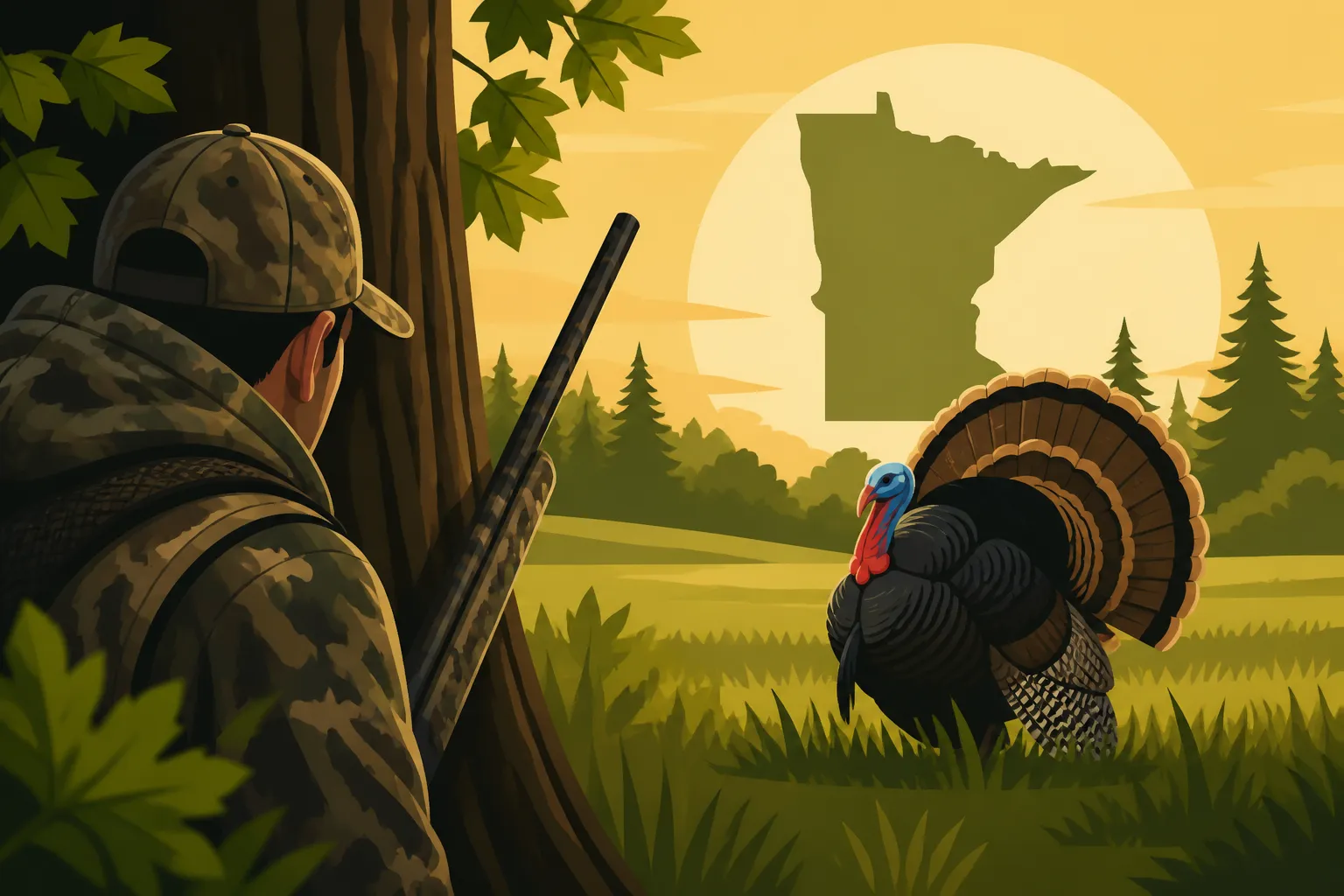
Hunting a Late Turkey Period in Minnesota
You've been out there. You know the frustration. Those early season gobblers, hot off the roost and eager to gobble back at anything, seem like a distant memory when you're facing down the late spring turkey periods in Minnesota. The birds are smarter, quieter, and often scattered, making success feel like an uphill battle. This comprehensive guide is here to walk you through the nuances of hunting these challenging late periods, offering strategies and insights to help you punch your tag when most hunters have hung up their calls.
Understanding the Late Season Challenge
By the time the later turkey periods roll around in Minnesota, usually stretching from late April into May, the woods have changed dramatically. The initial frenzy of the spring breeding season has tapered off, and with it, the behavior of the birds. This shift is precisely what makes late-season hunting so tough, but also incredibly rewarding if you adapt.
Behavioral Shifts of Late Season Gobblers
One of the biggest hurdles you'll face in the late season is the significant change in gobbler behavior. Gone are the days when a tom would come barreling in, gobbling his head off at your first series of yelps. These birds have heard it all. They've been called to, spooked by careless hunters, and perhaps even shot at. This means they've become incredibly wary, often silent, and far more hesitant to commit. Instead of gobbling frequently, they might only shock gobble to loud sounds or not gobble at all on the roost, making initial location a real challenge. They're often found in smaller bachelor groups, or sometimes as lone, silent nomads. Hens are also nesting by this point, which means the gobblers aren't as driven by the need to find a mate and are more focused on feeding and surviving. This can make them incredibly difficult to predict and pattern. Their natural wariness is at an all-time high, demanding a completely different approach from the hunter.
Increased Pressure and Educated Birds
Another critical factor in the late season is the sheer amount of hunting pressure these birds have already endured. The early periods see a rush of enthusiastic hunters, and even though many tags are filled, a good number of birds are also educated in the process. This pressure isn't just from other hunters in the woods; it's also about their daily routines being interrupted, their preferred strutting zones being disturbed, and their tolerance for human presence diminishing. Public land birds, in particular, become notoriously difficult. They learn quickly which calls sound fake, which setups are too obvious, and where the safe zones are. This cumulative pressure means you can't rely on aggressive calling or typical setups. You need to be subtler, more patient, and often willing to go the extra mile to find areas less frequented by other hunters. Understanding how Minnesota's Spring Turkey Zones and Periods distribute hunters can help you predict which areas might be most pressured. For example, popular WMAs might be picked over, requiring you to seek out those hidden corners or smaller, less obvious pieces of public ground.
Scouting and Adaptability in Late Periods
Success in the late season hinges heavily on thorough scouting and the ability to adapt your tactics on the fly. You can't just show up and expect to find birds acting like it's opening day. It takes diligence and a willingness to adjust your approach based on what the birds are telling you.
Locating Remaining Flocks and Stragglers
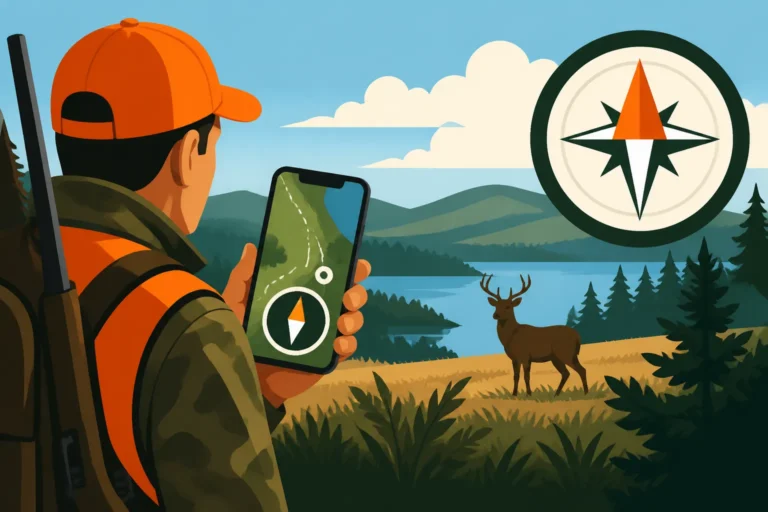
Finding birds in the late season often means shifting your focus from "roost hunting" to "food hunting" or "strutting zone hunting." While a gobbler might still sound off on the roost occasionally, it's less reliable. Instead, dedicate time to observing fields, food plots, and open timber edges where turkeys might be feeding throughout the day. Look for fresh tracks, droppings, and strut marks in dusty areas. These visual cues are far more important now than relying solely on auditory responses. You're looking for those scattered groups or lone gobblers that didn't get harvested earlier. Using a mapping application like GoHunt can be invaluable here. Its satellite imagery can help you identify potential feeding areas, logging roads, and subtle terrain features that might concentrate birds. You can also use it to find less-pressured areas by identifying public land parcels away from easy road access. Don't be afraid to walk extensively, listening intently for soft putts, clucks, or even the subtle sounds of turkeys scratching in the leaves. Remember that "When Minnesota Gobblers Go Quiet," visual scouting becomes paramount.
Adapting Your Calling Strategy
Forget aggressive calling sequences of early season, unless you've found an exceptionally unpressured bird. Late-season gobblers have heard every yelp, cut, and cluck imaginable. Your calling strategy needs to become much more subdued and realistic. Think soft hen yelps, subtle clucks, and purrs – sounds that suggest a lone, content hen rather than a desperate one. Sometimes, complete silence is the best call of all. If you get a response, even a soft one, often the best move is to let the bird come to you. Don't overcall. A common mistake is to keep hitting them with calls, which only signals to an educated tom that something isn't quite right. Instead, try a series of soft yelps, wait 15-20 minutes, then perhaps a few soft clucks. The goal is to pique their curiosity without raising their suspicion. If you're encountering gobblers that consistently hang up out of range, they're likely educated from earlier periods. In such cases, trying Grunt Calls in Mature Minnesota Timber for deer can be very different from late-season turkey calling. For turkeys, think less about volume and more about authenticity and patience.
Effective Hunting Tactics for Late Spring Periods
Once you've done your scouting and understand the shift in turkey behavior, it's time to refine your hunting tactics. This might mean adjusting your setup, choosing when to be aggressive, and knowing when to simply sit still and wait.
Setting Up for Success on Public and Private Land
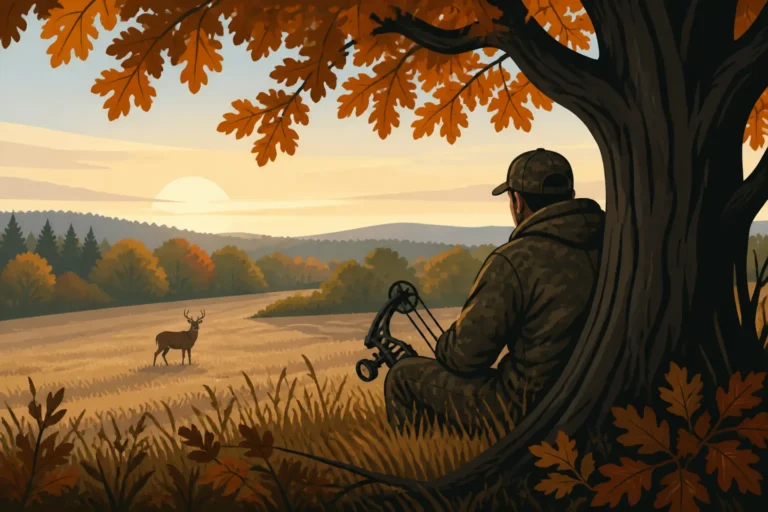
Whether you're on public ground or have secured permission on private land, your setup is crucial. Given the heightened wariness of late-season birds, concealment is king. Utilize natural cover effectively, positioning yourself with a solid backdrop that breaks up your silhouette. Think big oak trees, brush piles, or the edge of a standing cornfield if you're Hunting a Standing Cornfield in Farm Country. When you're Setting Up Against a Big Oak, make sure it's wider than your shoulders and offers good visibility without needing to constantly shift. Decoys can still be effective, but often less is more. A single hen decoy, or even just a fanning gobbler decoy if you're feeling bold and have confirmed there are no other hunters in the area, can sometimes work, but many experienced late-season hunters forgo them entirely to avoid educating more birds or giving away their position. Position yourself so a gobbler has to come into easy shooting range to get a good look at your setup, ideally giving you a clear shot before he recognizes something is amiss. On pressured public land, look for overlooked pockets of habitat—small woodlots, creek bottoms, or dense cover adjacent to larger fields—that might hold a reclusive gobbler. Using a ground blind on Minnesota public land can be very effective for concealment, especially if you're stationary for long periods.
Run-and-Gun Versus Sitting
The decision between "run-and-gun" tactics and a patient "sit-and-wait" strategy becomes more nuanced in the late season.
Run-and-Gun (Aggressive Scouting): While typically associated with early season, a modified run-and-gun approach can be useful for scouting or if you're confident in covering a lot of ground quickly and quietly to locate a bird. This isn't about charging through the woods making loud calls. Instead, it's about moving stealthily, pausing frequently to listen, and making soft, inquisitive calls at likely spots like ridge lines, field edges, or creek crossings. If you get a response, you then set up quickly and subtly, minimizing movement. This is a tactic often employed for Run-and-Gun Turkey Tactics on Public Land, adapting to a more cautious, less vocal approach.
Sit-and-Wait (Patient Ambush): More often, patience is the ultimate virtue in the late season. If you've done your scouting and identified a feeding area, a travel corridor, or a strut zone that birds are consistently using, setting up well before daylight and simply waiting can be incredibly effective. Gobblers often become creatures of habit in the late season, moving between roosts, feeding areas, and breeding grounds with less deviation. By quietly Roost Hunting Minnesota Gobblers from a distance, or setting up on a known travel route, you can intercept them without having to convince them to come to a call. This means committing to a spot for several hours, being completely still, and staying alert. It's a test of endurance, but often yields results when aggressive calling fails. When Hunting the Minnesota Rut in Early November for deer, sitting for long hours is common, and the same principle applies to late-season turkeys.
Essential Gear and Mindset for Success
Having the right gear and, just as importantly, the right mental attitude, can make all the difference when hunting a late turkey period in Minnesota. These birds will test your patience and your resolve.
Calling Gear Adjustments
As mentioned, your calling needs to be subtle. This means you might want to reconsider your go-to calls. While a loud box call or a super-aggressive diaphragm might have worked in the early days, late-season birds are often spooked by such volume. Instead, focus on softer calls. A good slate call or glass call can produce incredibly realistic, soft yelps, clucks, and purrs that sound less like a hunter and more like a real, unassuming hen. Diaphragm calls can also be modulated for softer sounds. Carry a variety, but be prepared to rely more on the subtle ones. When choosing Turkey Calls Worth Carrying in Minnesota, consider calls that allow for very quiet, realistic hen sounds. A small, lightweight vest with plenty of pockets is still a must, allowing you to easily access calls, snacks, water, and your rangefinder without unnecessary movement.
Staying Patient and Persistent
This is perhaps the single most important "gear" you can bring into the late-season woods: an abundance of patience and an unwavering persistence. There will be long periods of silence. There will be times when you feel like you're hunting ghosts. It's easy to get discouraged when you've been sitting for hours without a peep, or when a bird gobbles once and then shuts down completely. But remember, that's exactly why many other hunters give up. Those who stick with it, who continue to scout, who move quietly and thoughtfully, and who are willing to outwait a wary gobbler, are the ones who find success. Don't be afraid to change locations if a spot isn't producing, but give each spot a fair chance. Sit longer than you think you should. Try one more soft calling sequence. Walk one more ridge line. The late season isn't about easy pickings; it's about earning that bird through dedication and smart hunting. GoHunt's mapping tools can help maintain persistence by showing you other potential spots nearby if one doesn't pan out, preventing you from giving up too early.
Late Season Turkey Hunting Comparison
Here's a quick look at how late season hunting often differs from the early, high-energy periods:
| Characteristic | Early Season Turkey Hunting | Late Season Turkey Hunting |
|---|---|---|
| Gobbler Behavior | Aggressive, vocal, actively seeking hens, often in larger groups. | Wary, often silent or soft gobbling, in smaller bachelor groups or solitary. Hens are nesting. |
| Calling Strategy | Aggressive yelps, cuts, loud shock gobbles, frequent calling. | Subtle, soft yelps, clucks, purrs; minimal calling, long pauses, silence. |
| Hunting Pressure | High initial pressure, birds are less educated. | High cumulative pressure, birds are educated and wary. |
| Scouting Focus | Roost locations, aggressive calling to locate birds. | Visual scouting for tracks/sign, feeding areas, travel corridors; less reliance on gobbling. |
| Decoy Use | Often effective, multiple decoys common (hen/jake/strutter). | Less effective, single hen or no decoys; can spook wary birds. |
| Patience Required | Moderate; birds may commit quickly. | High; long waits, slow approaches, extreme stillness. |
Remember, hunting a late turkey period in Minnesota is a test of your skills and patience, but with the right approach and a keen understanding of turkey behavior, you can absolutely find success. Utilize mapping apps like GoHunt to scout effectively, keep your calls subtle, and embrace the challenge.
Disclaimer
Hunting is an activity with inherent risks. This article provides general information and should not be considered a substitute for professional instruction, safety training, or adherence to all local, state, and federal hunting regulations. Always prioritize safety, respect wildlife, and obtain the necessary licenses and permits before engaging in any hunting activity. Conditions in the field can change rapidly, and personal responsibility is paramount.