Hunting an Early Turkey Period in Minnesota
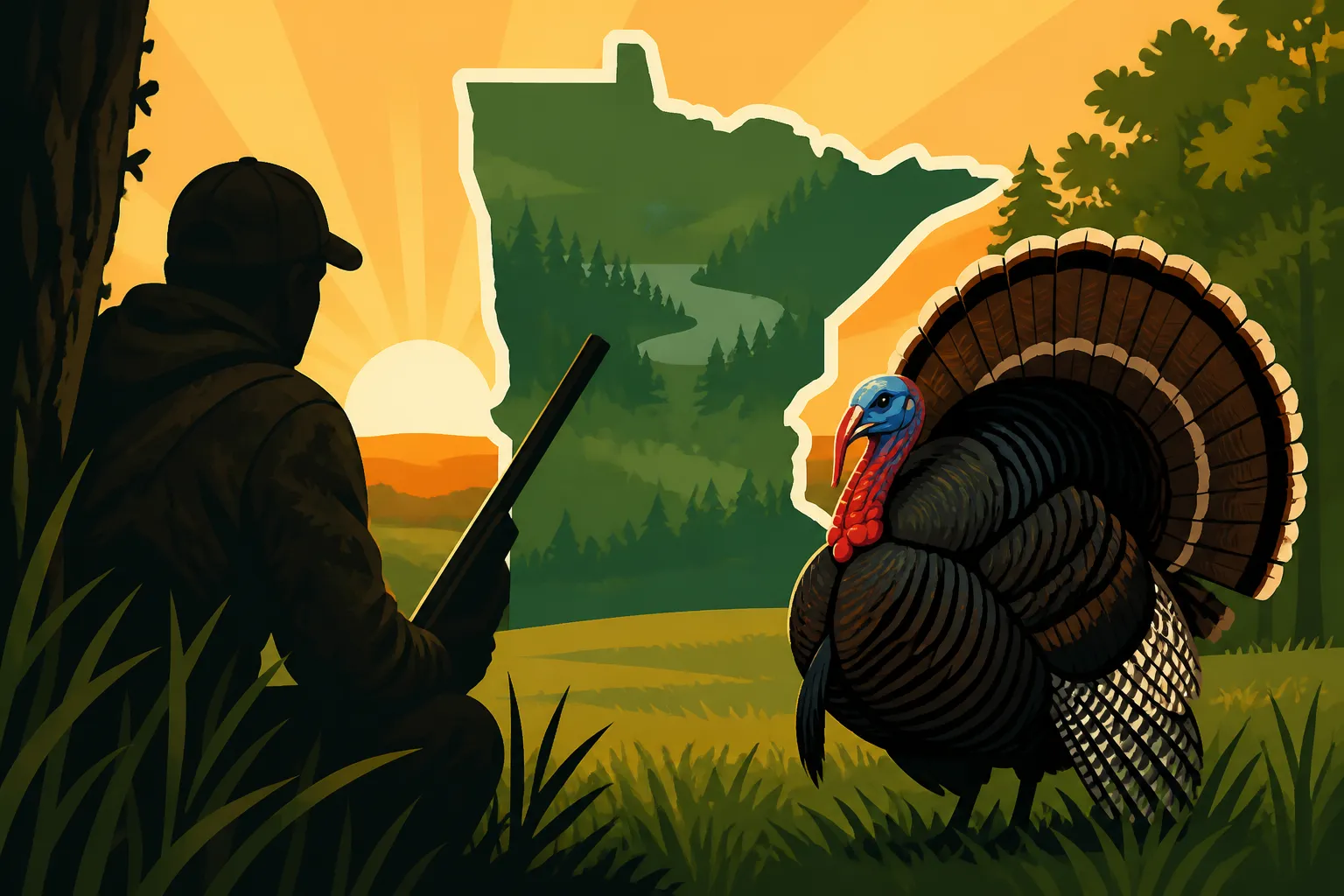
For many Minnesota turkey hunters, that first early spring period can feel like a bit of a gamble. The weather is unpredictable, birds can be tight-lipped, and they haven't quite settled into those predictable post-breeding patterns. This guide is all about equipping you with the detailed knowledge and practical strategies you'll need to confidently navigate those early season challenges and hopefully tag a Minnesota gobbler when he's still a bit wary.
Understanding Minnesota's Early Turkey Behavior
When you're out there in the woods during the early turkey periods in Minnesota, you're not just hunting a bird; you're trying to outwit an animal that's highly attuned to its surroundings and, frankly, still a bit sleepy from winter. Their behavior is fundamentally different from what you might encounter later in the season, and recognizing these nuances is your first step toward success.
Roosting Patterns and Morning Routine
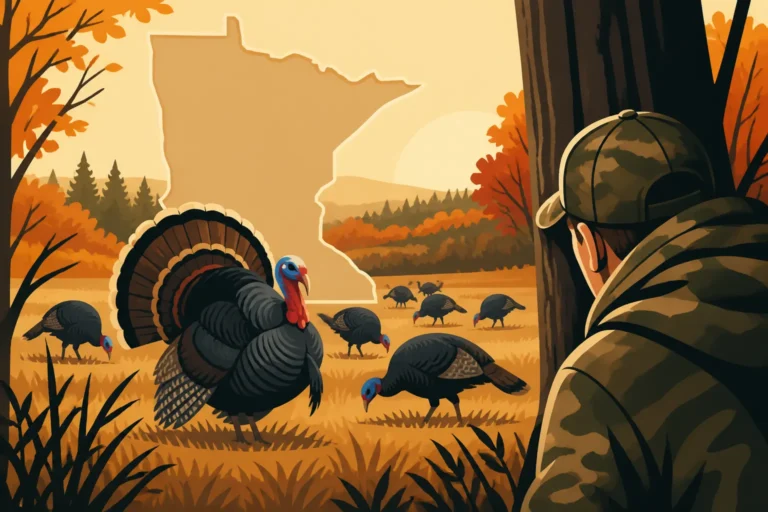
Early in the season, turkeys are often still very much tied to their established roost sites. The trees they choose might be different based on the specific terrain – tall oaks along a river bottom, or even towering pines in more northern climes. They'll pitch down at dawn, often with some gobbling activity right on the limb, but they don't always scatter immediately or hit the ground looking for hens with the same fervor as they might in a week or two. Instead, they might fly down, strut a bit, but then gather up as a flock, especially the hens. If those hens aren't quite ready to breed, the gobblers might follow them, even if your calls sound enticing.
The key here is understanding that while the morning gobble can be exhilarating, it doesn't guarantee a bird coming straight to your call. Often, they'll fly down, regroup, and then move off together. Your best bet is to be as close to that roost as safely possible before they pitch down. We've all heard that thrilling shock gobble just before daylight, but then watched the birds sail off in the opposite direction. Being patient and letting them hit the ground before making your move can sometimes pay off better than trying to pull them off the limb. Remember, in these early stages, food and safety are still strong drivers, even with breeding on their minds.
Food Sources and Mid-Day Loafing
Unlike later in the spring when gobblers might be entirely focused on strutting for hens, early season birds are still very much concerned with filling their crops. Winter has just released its grip, and while some green-up might be starting, abundant food sources can still be a bit scarce. This means they'll often spend a good portion of the late morning and mid-day hours foraging. Look for areas where they can find leftover waste grain in harvested fields, opening patches of clover or alfalfa, or areas with an abundance of acorns from the previous fall.
When they're not actively feeding, turkeys will often find sheltered, sunny spots for "loafing." These are typically areas with good visibility but also protective cover, like the edge of a timber stand facing a field, a sunny hillside with scattered pines, or even dense brush thickets. The gobblers might be with hens, subtly strutting and pecking around, but they aren't usually ranging far. This mid-day period can be tough to hunt, but if you can locate these loafing areas or connect them to their feeding routes, you're in a much better position. Using a mapping app like GoHunt to mark potential feeding grounds and loafing spots based on aerial photos can really cut down on aimless wandering and give you a huge advantage in scouting.
Impact of Weather on Early Season Turkeys
Minnesota's early spring weather is, to put it mildly, temperamental. One day it's glorious sunshine and 60 degrees, the next it's a cold rain or even a late-season snow flurry. These dramatic shifts have a profound impact on turkey behavior, and ignoring them is a recipe for frustration. On those crisp, clear mornings after a cold night, gobblers often sound off aggressively from the roost, making you think the hunt is on. But once they hit the ground, they might clam up as the cold lingers.
Conversely, a warm, sunny day following a string of cold, damp ones can really get them fired up, even if it's still early in the season. They'll be more active, more vocal, and more likely to respond to calls. Wind is another huge factor; high winds make it incredibly difficult for turkeys to hear, and they'll often move to more sheltered areas, making them harder to locate. Rain, especially a heavy downpour, will almost certainly silence them and send them seeking cover. Paying close attention to the forecast and adapting your strategy accordingly is crucial. Sometimes, waiting for the weather to break and then heading out for an afternoon hunt can be more productive than slogging through a miserable, quiet morning.
Strategic Scouting for Early Period Success
You wouldn't just wander into a new deer hunting spot on opening day without scouting, right? The same principle applies, perhaps even more so, to early season turkeys. These birds are creatures of habit, and uncovering those habits before you ever step foot in the woods with a shotgun or bow in hand is paramount.
Pre-Season Reconnaissance: Maps and Boots on the Ground
Long before the season opens, you should be pouring over maps and, ideally, putting boots on the ground. Start with good topographical maps and aerial imagery. Tools like GoHunt or the DNR's Recreation Compass can be invaluable here. Look for natural funnels, pinch points, open fields near timber, and potential roosting areas along water features or high ridges. If you're hunting public land, identify access points and potential areas of high hunter traffic. This initial map work helps you narrow down vast areas into more manageable sections to scout.
Once you have some target areas identified, hit the woods. This is where you'll find the concrete evidence. Look for tracks in soft soil near water sources, dusting bowls in dry dirt, and most importantly, droppings and shed feathers near potential roost sites. Fresh droppings under a large tree are a dead giveaway that turkeys are roosting there. Don't underestimate the power of simply walking and listening, especially around dawn and dusk, to locate birds. Even if they're not gobbling much, hens will often cluck and yelp, giving away their general location. This detailed pre-season work provides the foundation for knowing where the birds are before you try to call them in.
Locating Roosts and Travel Corridors
Finding roost sites is probably the most critical piece of early season scouting. Gobblers will often use the same roost trees or general roosting areas repeatedly, especially when hen groups are consistent. As mentioned, look for substantial trees near water or on high ground. The morning "fly-down" is a vulnerable time for turkeys, so they like to be near cover that offers security. Once you've identified a likely roost, the next step is to figure out their likely travel corridors once they hit the ground.
Turkeys are smart; they'll use the path of least resistance. Look for worn trails, open ridges, old logging roads, or field edges that lead from the roost to likely feeding or strutting areas. Setting up an ambush along one of these corridors, about 75-100 yards from the roost, can be incredibly effective. This allows you to intercept them shortly after they fly down, before they've had a chance to get too far or get distracted by real hens. It’s also a great tactic for Calling a Minnesota Gobbler Off the Roost. If you can get into position silently and early, you're ahead of the game.
Identifying Key Feeding and Strutting Areas
Beyond the roost, understanding where turkeys spend their daytime hours is vital. In the early periods, feeding areas are paramount. This could be a freshly greening alfalfa field, a cut cornfield with leftover grain, or a timbered ridge where acorns are still abundant. Scouting these spots will reveal fresh tracks, droppings, and scratch marks where they've been digging for food. A good mapping tool can help you identify these spots from a distance, allowing you to focus your boots-on-the-ground efforts.
Strutting areas will often be associated with these feeding locations or open areas nearby where gobblers can display for hens. Look for areas of disturbed earth or wing drag marks on dirt roads, logging trails, or open patches within the woods. These areas signal that gobblers are actively displaying. If you find both fresh feeding sign and strut marks in the same general vicinity, you’ve hit a jackpot. This tells you where the birds are likely spending their day, offering potential ambush spots if your morning roost hunt doesn't pan out. Often, Turkey Tactics for Farmland Field Edges will revolve around these types of visible feeding and strutting spots.
Effective Calling and Setup Tactics
The moment of truth for any turkey hunt often comes down to your calling and your setup. In the early season, these elements require a thoughtful and adaptable approach, as birds might not be as eager or predictable as they are during the peak of the breeding cycle.
Aggressive vs. Subtle Calling Strategies
During the early periods, there's a delicate balance to strike with your calling. Some gobblers, especially those without many hens, can be very responsive to aggressive calling – loud yelps, cuts, and clucks. They're still looking for hens and might be lonely. However, overly aggressive calling can also spook birds that are still a bit cagey or have a group of hens already with them. If a gobbler has hens, he's less likely to come to you, so an aggressive approach might just tell him where you are without enticing him to move.
A more subtle approach, especially if you hear soft clucking or minimal gobbling, can often be more effective. Start with soft tree yelps and clucks from your setup. If you get a response, gauge his interest. If he's gobbling consistently, you can slowly increase your volume and aggression. If he's quiet or only responds sparsely, stick with soft yelps, clucks, and purrs. Sometimes, the softest, most seductive calls are what seal the deal. Remember, you're trying to sound like a hen that's ready, but not desperate. Varying your calls and having a selection of diaphragm, slate, and box calls can give you the versatility you need. Learning Grunt Calls in Mature Minnesota Timber for deer can translate to understanding how sound travels, even though it's a different game.
Decoy Setups for Early Season Turkeys
Decoys can be a game-changer or a detriment, depending on the situation. In the early season, a single hen or a jake/hen combination can be very effective. A single hen often suggests a lonely hen looking for company, which can be irresistible to a gobbler. A jake and hen setup can sometimes draw in an aggressive tom who wants to assert dominance over the younger bird. However, avoid elaborate multiple-decoy setups that are more typical of later season hunting when birds are less wary.
The placement of your decoys is just as crucial as the type. Always set them up so the gobbler approaches them from an angle that gives you a clear shot. Placing them slightly off to the side of your calling position, about 20-30 yards out, forces the tom to present a broadside shot as he comes in to investigate. Consider the visibility from the direction you expect the turkey to approach and ensure your decoys are visible without being directly in your line of fire. Remember, Turkey Decoys That Work on Pressured Birds often need to look realistic and be placed strategically to overcome skepticism.
Ideal Ambush Locations and Concealment
Your setup is the backbone of your hunt. For early season turkeys, concealment is key. They have incredible eyesight, and a slight movement or a splash of unnatural color can send them running. Always set up with a natural backrest – a wide tree trunk, a thick brush pile, or a rock formation. This breaks up your outline and provides support for a steady shot. Facing the direction you expect the bird to come from is ideal, but if you're alone, you might need to position yourself to cover multiple angles.
Think about the terrain. If you're on a slight rise, you'll have better visibility, but you'll also be more exposed. If you're in a low area, you might have less visibility but better concealment. Consider sun direction; having the sun at your back can make it harder for the turkey to see you. For instance, Setting Up Against a Big Oak is a classic move because it offers excellent cover and a natural blind. If you're hunting in a situation where birds are already on the ground, or you're trying a "run and gun" approach after striking a gobble, you'll need to move quickly and set up against the first substantial cover you can find. This is where mastering something like Run-and-Gun Turkey Tactics on Public Land becomes invaluable, adapting on the fly.
Here's a quick comparison of early season calling strategies:
| Strategy Type | Description | When to Use | Pros | Cons |
|---|---|---|---|---|
| Subtle | Soft tree yelps, clucks, purrs, quiet hen talk. | Quiet birds, birds on the roost, birds with hens, cold weather. | Less likely to spook wary birds, sounds natural. | May not grab attention of distant or less interested birds. |
| Aggressive | Loud, sharp yelps, cuts, fast clucking. | Birds gobbling consistently, seeking attention, no visible hens. | Can excite and draw in lonely or competitive gobblers. | Can easily spook wary birds or birds already with hens. |
| Responsive | Mirroring the turkey's volume and cadence, slowly increasing or decreasing. | When a gobbler is responding, but you're unsure of his commitment. | Highly adaptable, lets the bird dictate the interaction. | Requires keen listening and quick adaptation. |
Adapting to Pressure and Post-Hunt Considerations
Minnesota's early turkey periods can sometimes mean less overall hunting pressure compared to the later, warmer stretches, but that doesn't mean you won't encounter other hunters. Being prepared for this, and knowing what to do once you've successfully harvested a bird, is all part of being a responsible and effective hunter.
Dealing with Hunting Pressure on Public Land
Hunting public land in Minnesota can sometimes feel like a chess match, especially if it's popular turkey country. In the early periods, if the weather is good, you might find more hunters than expected. The key is to be aware and adjust. First, always know the specific regulations for Minnesota Spring Turkey Zones and Periods and The Seven Minnesota Turkey Firearm Periods for your chosen area. If you're hearing other hunters' calls, or worse, seeing them, it's often best to move. Trying to "cut off" another hunter's bird is not only unethical but dangerous.
Look for areas that others might overlook – thick, nasty cover that's hard to get into, or areas requiring a longer walk. Often, the birds that survive early pressure retreat to these spots. Using your GoHunt app or other mapping tools to identify remote pockets or rough terrain can guide you to these less-pressured areas. Sometimes, adapting from typical morning hunts to an afternoon strategy can also pay dividends, especially if others have given up or moved on. Remember, the Minnesota Turkey Population Estimate indicates healthy numbers, but pressure can make them scarce in easily accessible spots.
Post-Shot Tracking and Retrieval
You've made a good shot, but the bird didn't drop in its tracks. Now what? The first and most important rule is patience. Turkeys are tough birds, and even a well-hit turkey can run or fly a surprising distance. If the bird doesn't immediately go down, mark the exact spot where you last saw it, and listen for the sounds of it crashing. Then, wait. Give it at least 15-20 minutes, even up to half an hour if you can. This allows the bird to expire and prevents it from getting up and escaping further if it was just stunned.
After waiting, approach the last-seen spot cautiously. Look for feathers, blood, or disturbed leaves. Turkeys often leave a good blood trail if hit well. Follow the signs slowly and methodically. They often try to run to the thickest cover they can find. If you're hunting in heavy cover, it helps to have a hunting partner to grid search. Losing a bird is heartbreaking, so take the time and effort required to ensure a proper retrieval. In December, we might be Tracking a Deer in Fresh Minnesota Snow, but a turkey in spring offers different challenges.
Registering and Processing Your Bird
Once you've retrieved your gobbler, it's time to follow the legal requirements. In Minnesota, you need to register your turkey. This can often be done online through the DNR's website or via a phone app, often while you're still in the field. Make sure you have your license information handy and accurately report all the required details, such as the permit area and date of harvest. This data is critical for the DNR to manage the turkey population effectively.
After registration, proper field dressing and meat care are essential, especially if it's a warmer early spring day. Gutting the bird as soon as possible helps cool the meat and prevents spoilage. Pluck or skin your turkey, depending on your preference. Many hunters prefer to breast out a turkey, but the leg and thigh meat can be excellent too. Remember to keep the beard and spurs (if present) for mounting or display, especially if it’s a memorable bird. Contrast this with Fall Turkey Tactics in Minnesota where meat care might be slightly easier due to colder weather.
Disclaimer
Please note that hunting regulations, seasons, and permit requirements can change. Always consult the most current Minnesota Department of Natural Resources (DNR) regulations and publications before heading afield. This guide is for informational purposes only and should not replace official DNR documentation.