Hunting Minnesota’s Fall Turkey Season
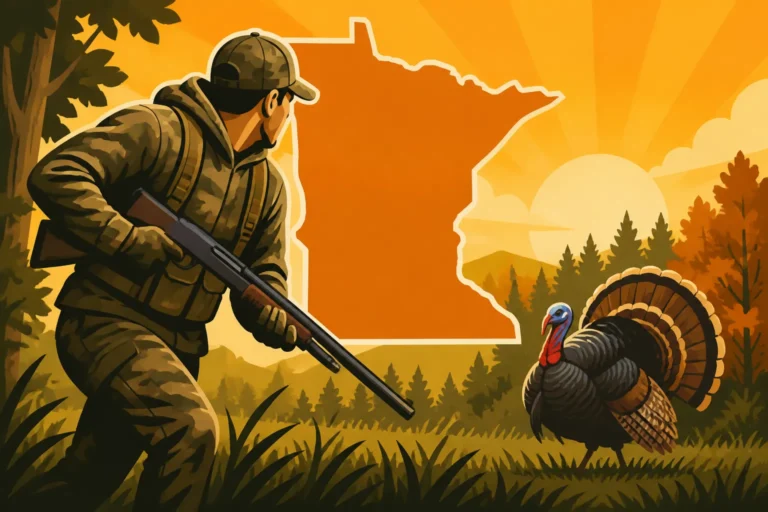
Hunting Minnesota's fall turkey season can feel like a completely different ballgame compared to the spring. Those gobblers that were so vocal and predictable just a few months ago seem to vanish, replaced by quiet, wary flocks that are constantly on the move, making it tough to even locate them, let alone get within range. If you've felt frustrated by this shift, you're not alone. This comprehensive guide is here to shed light on why fall turkeys behave the way they do and equip you with the strategies, scouting tips, and gear considerations you need to confidently chase these wily birds through Minnesota's autumn woods.
Understanding the Fall Turkey Dynamic
The vibrant, ego-driven displays of spring gobblers are a distant memory by the time autumn colors paint the Minnesota landscape. Fall turkeys are driven by entirely different instincts: survival, food, and flock security. This fundamental shift means your spring tactics often won't cut it, and a new approach is necessary to consistently find success.
The Difference Between Spring and Fall Birds
In spring, the game is all about breeding. Gobblers are looking for hens, and hens are looking for gobblers. The males are trying to establish dominance and attract mates, making them prone to showing off, strutting, and, most importantly, gobbling. This vocal nature makes them relatively easier to locate and often more aggressive when responding to calls. They're willing to break from their routine to investigate a potential hen.
Come fall, that instinct is replaced by a strong desire to stay together in large family groups. Hens are focused on raising their poults (now nearly full-grown), and gobblers often form bachelor groups. Their priorities shift to finding abundant food sources to fatten up for winter and staying safe from predators. They become incredibly wary, less vocal, and much more prone to slipping away unnoticed. You're not calling to a lonesome tom seeking love; you're trying to break up or locate a tightly knit social unit that's perfectly content sticking together. This difference in motivation is the single most important factor to grasp when transitioning from spring to fall hunting.
Flock Behavior and Social Structures
Fall turkeys live in distinct social groups. You'll typically encounter hen flocks with their poults, which can number from a handful to several dozen birds. These flocks are usually led by an older, dominant hen, and the younger birds stick close. Then there are the bachelor groups of gobblers, ranging from mature longbeards to jakes (yearling males). These gobbler groups can also be quite large and are incredibly alert. They tend to stick to thicker cover and are generally less tolerant of perceived threats.
The key behavioral trait in fall is their cohesive nature. Turkeys feel safe in numbers. When spooked, a flock will scatter, but their ingrained instinct is to re-group. This re-grouping behavior is the cornerstone of many successful fall hunting tactics. If you can break up a flock, the individual birds will begin to call to each other, attempting to re-establish contact. Understanding this deep-seated need to flock up is what allows hunters to capitalize on their natural instincts, even if it feels counterintuitive to intentionally bust a group of birds.
Food Sources and Habitat Shifts
As the leaves change and temperatures drop, turkeys' diets shift dramatically. Gone are the days of easy insects and tender spring greens. Fall turkeys become primarily foragers, relying heavily on mast crops like acorns, beechnuts, and wild grapes. Oak ridges, especially in areas like Minnesota's bluff country, become prime real estate. They'll also seek out waste grain in agricultural fields—think corn and soybeans—which offer a high-energy food source as winter approaches. This is especially true in the more agricultural regions of southern and western Minnesota.
Their habitat usage changes with these food sources. You'll find them concentrating in mature timber where mast is abundant, or along the edges of harvested fields. Unlike spring birds that might spend more time in open fields strutting, fall turkeys often prefer the safety of the woods, only venturing into fields during specific times of the day, usually early morning or late afternoon, to feed. These shifts mean you need to be constantly observing, scouting, and adapting your hunting locations to match where the birds are finding their sustenance. A good understanding of local tree species and agricultural practices will put you miles ahead in locating these nomadic fall flocks.
Scouting for Success in Autumn
If spring turkey hunting is about calling, fall turkey hunting is unequivocally about scouting. You simply cannot expect to stumble into birds or call them in from vast distances without first understanding their daily patterns and preferred haunts. This often means more legwork, more observation, and a deeper dive into map analysis than many hunters are used to.
Pre-Season Reconnaissance: Maps and Boots on the Ground
Before the season even opens, your success starts with thorough pre-season scouting. Start with topographical maps and aerial photos. Resources like the Minnesota DNR's Recreation Compass map tool or apps like GoHunt can be invaluable. Look for areas with a mix of mature timber, especially oak stands, near open fields or water sources. Identify potential roosting areas (tall, mature trees, often near water or on a ridge) and likely travel corridors, such as saddles, draws, or timber edges that connect food to roosts. Pay close attention to changes in elevation or cover types. For more insights on leveraging digital tools, consider reading our guide on Using the Recreation Compass Map Tool.
Once you've identified promising areas on the map, it's time to hit the woods. Walk the terrain, looking for physical evidence: tracks in soft earth, droppings, feather piles (especially under roost trees), and most importantly, scratching in the leaf litter. Turkeys scratch aggressively to uncover nuts, seeds, and insects, leaving distinctive V-shaped patterns. The freshest sign will tell you where they're currently feeding. Also, look for dusting bowls—small depressions where turkeys roll in dirt to clean their feathers—often found on sunny, sandy spots. Early morning or late afternoon walks are best for potentially spotting birds or hearing roost calls, though fall birds are notoriously quiet. Don't be afraid to cover some ground; unlike deer, turkeys move widely, and finding their current patterns is key.
Finding Roosts and Travel Corridors
Locating roosts is a golden ticket in fall turkey hunting. Turkeys will return to the same roost trees or general area night after night, offering a predictable starting point for your hunt. As mentioned, look for large, mature trees (pines, oaks, cottonwoods) with sturdy horizontal branches, often on ridges or near water, providing clear views for security. The ground beneath active roosts will be littered with droppings and feathers. During pre-season, try to be in potential roosting areas around sundown or just before sunrise. While gobbling is rare in fall, you might hear soft "tree yelps" or "fly-down cackles" as birds settle in or leave the roost. Listen carefully.
Once you know where they're roosting, identify the travel corridors they use between the roost and their feeding areas. These might be subtle paths through the woods, an old logging road, or the edge of a field. Look for consistent sign along these routes. Often, these corridors will offer a combination of cover for security and efficient travel. Understanding these routes allows you to set up ambush points or intercept flocks moving between their daily activities. Knowing where the birds are going and how they're getting there gives you a significant advantage.
Identifying Key Food Sources: Acorns to Agriculture
Food is the driving force behind fall turkey movements. Your scouting must focus heavily on finding current, abundant food sources. Oak stands are paramount in many parts of Minnesota. Spend time examining oak trees for acorns. Are they dropping? Are they abundant? Freshly opened acorn caps on the ground are a clear indicator. Different oak species drop at different times, so a diverse oak forest can be a consistent food source throughout the fall.
In agricultural areas, focus on harvested corn and soybean fields. Turkeys will spend hours picking through the stubble for leftover grains. Get permission to scout these fields, or observe from a distance if on public land. The edges of these fields, particularly those bordering timber, are natural turkey magnets. Don't overlook less obvious food sources either, like wild grapes, dogwood berries, or even fallen apples in old orchards. Turkeys are opportunistic. The most effective fall hunters are essentially expert "food finders," constantly adapting their locations based on what's available and fresh. This deep dive into their diet is critical for understanding Late-Season Food Sources for Minnesota Whitetails, and many of those same principles apply to turkeys.
Essential Fall Turkey Hunting Tactics
With scouting done, it's time to put a plan into action. Fall turkey hunting often demands more aggressive tactics and a keen understanding of turkey psychology compared to the spring's often more straightforward calling approaches.
Breaking Up Flocks: The Classic Fall Method
This is arguably the most effective and time-honored fall turkey hunting strategy. The idea is to deliberately scatter a flock of turkeys, then use their natural instinct to re-group to call them back. Once you've located a flock through scouting or by surprise, the goal is to rush them and get them to fly or run in as many different directions as possible. This can feel counterintuitive, but it's essential.
After the flock has scattered and the woods fall silent, wait patiently for about 15-30 minutes for things to settle down. Then, position yourself in a good calling location, ideally with some cover and a clear shooting lane, keeping in mind the direction the birds scattered. Begin with soft "kee-kee runs" (the lost call of a young turkey) or "assembly yelps" (a series of excited yelps designed to gather the flock). Mimicking the sounds of a lost poult or a hen trying to gather her brood is incredibly effective. The scattered birds, especially young ones, will quickly respond, often running back towards the source of the call. This is where patience pays off; sometimes it takes a while for them to gain the confidence to return. Our article on Breaking Up a Fall Turkey Flock delves deeper into the nuances of this specific strategy.
Calling Strategies for Dispersed Birds
While busting a flock is primary, calling plays a crucial role once the birds are dispersed. As mentioned, "kee-kee runs" and "assembly yelps" are your bread and butter. The "kee-kee run" is a series of high-pitched whistles followed by yelps, simulating a lost, juvenile turkey. Practicing this call on a slate or box call, or even mouth call, is critical. The "assembly yelp" is a louder, more urgent series of yelps designed to get the attention of distant birds.
Beyond these, a soft "cluck" or "purr" can be used as birds get closer, mimicking contented feeding birds. Avoid aggressive gobbling or loud calling initially; fall turkeys are typically wary. Your goal is to sound like a lonely, non-threatening turkey trying to get back with its group. If you hear a distant response, try to determine if it's a hen or a gobbler, and adjust your calls accordingly. Gobblers sometimes respond to hen yelps, but they might be more cautious. Hens and jakes are generally more responsive to kee-kees and assembly yelps. Sometimes, when Minnesota gobblers go quiet, subtle, realistic calls are your only hope.
Ambush Hunting and Decoy Use
When breaking up a flock isn't feasible, or if you've patterned birds moving to a specific food source, ambush hunting becomes a strong alternative. This involves setting up quietly along a known travel corridor, near a feeding area, or between a roost and a water source, and waiting for birds to pass by. Early mornings and late afternoons are prime times for this. A good ground blind can be incredibly effective for ambush hunting, offering concealment and allowing for more movement. For tips on effective setups, you might find our guide on Using a Ground Blind on Minnesota Public Land helpful.
Decoys in fall are used differently than in spring. Instead of full-strut gobblers, consider using a lone hen or a small group of jake/hen decoys. The goal is to appear as a small, non-threatening flock, or a single lost bird, which can attract cautious real turkeys looking to join up. Place decoys where they are visible from a distance but still within your effective shooting range. Sometimes, placing a single hen decoy near a bust site can help draw in those scattered birds more quickly, giving them a visual anchor to return to. Remember, fall birds are wary, so natural, subtle decoy placement is key, as discussed in Decoy Placement for Pressured Minnesota Birds.
Gear and Considerations for Cooler Weather
Minnesota's fall weather can be notoriously unpredictable. A warm, sunny morning can quickly turn into a chilly, damp afternoon, or vice versa. Being properly equipped, from your clothing layers to your shotgun setup, is crucial for comfort and success.
Clothing Layers for Variable Minnesota Fall Temps
Layering is not just a suggestion; it's a necessity for fall turkey hunting in Minnesota. Start with a good moisture-wicking base layer to manage sweat, especially if you're doing a lot of walking and scouting. Over this, add an insulating layer—a fleece jacket or a lightweight down vest works well. Your outer layer should be quiet, durable, and camouflage that blends with the fall foliage. Consider a quiet softshell jacket or a good wool blend. Many hunters also incorporate a windproof and water-resistant shell, as rain or sleet can appear quickly. Brands like Sitka Gear or First Lite offer excellent layering systems designed for active hunting, but even quality budget brands can get the job done if chosen wisely.
Don't forget accessories. A warm hat and gloves are essential for chilly mornings, but make sure they're easy to shed or stow as the day warms up. Good quality, waterproof boots with adequate ankle support are critical for covering varied terrain, from muddy field edges to rocky bluff country. Think about the silent movement that fall turkeys demand, meaning no noisy zippers or rustling fabrics. Staying comfortable ensures you can stay in the field longer and remain focused. For general cold-weather clothing, our guide on Layering for a Minnesota Deer Stand offers universal principles that apply to turkeys too.
Shotguns, Chokes, and Ammo for Fall Turkeys
Your spring turkey gun setup will generally work perfectly for fall birds. A 12-gauge or 20-gauge shotgun with a tight choke (full or extra-full) is ideal for delivering a dense pattern of shot to the turkey's head and neck. Pattern your gun with your chosen ammunition before the season. Modern tungsten-super-shot (TSS) loads have revolutionized turkey hunting, offering incredible density and range, but they come at a higher price. Lead loads like Federal Premium's Heavyweight or Winchester Long Beard XR are still highly effective and more affordable.
The choice of shot size is typically 4, 5, or 6 for lead, or 7, 8, or 9 for TSS. The goal is a clean, ethical kill. A good pattern at 30-40 yards is usually sufficient, as fall turkeys can be just as wary as spring birds, making close shots challenging. Red dots or low-magnification scopes are becoming increasingly popular on turkey guns, offering precision aim in varied light conditions, especially useful when turkeys might be moving through shadowed timber. Our post on Turkey Shotguns and Chokes offers a deeper dive into optimal setups.
Backpacks and Field Dressing Essentials
A good daypack is indispensable for fall turkey hunting. You'll likely be carrying more gear than in spring: extra layers, calls, water, snacks, and perhaps even a small stove for a warm drink on a cold morning. Choose a pack that's comfortable for extended wear, quiet, and has enough capacity for your essentials. Brands like ALPS OutdoorZ or Badlands offer packs with features geared towards hunters.
For field dressing, a sharp knife is paramount. While turkeys aren't as large as deer, quick and clean field dressing, especially if you plan to breast out the bird in the field, helps preserve the meat quality. Consider carrying a pair of game shears to make processing easier, especially for tough bone. Small game bags can protect the breast meat if you're planning a long walk out, keeping it clean and cool. Don't forget a small first-aid kit, a headlamp for walking out in the dark, and navigation tools like a GPS or a fully charged phone with a mapping app (and a backup battery!).
Permits, Regulations, and Zones
Minnesota has specific rules and regulations governing its fall turkey season, and understanding these is crucial to ensure a legal and ethical hunt. These regulations can change year to year, so always check the latest Minnesota DNR hunting regulations guide before heading afield.
Minnesota's Fall Turkey Season Dates and Permit Areas
The fall turkey season typically runs for several weeks, often starting in late September or early October and extending through the end of the year in certain zones. Unlike spring, which has distinct time periods, fall often offers a longer, continuous season. Minnesota divides the state into different permit areas for turkey hunting, similar to deer zones. Some areas might be open throughout the entire season, while others might have shorter windows or specific restrictions.
Crucially, some permit areas require a lottery application to draw a tag, while others might have unlimited over-the-counter tags available. It's vital to know which category your desired hunting area falls into. Always check the DNR website for the specific season dates, permit area boundaries, and any lottery deadlines for the current year. Non-residents also have specific license requirements and may face different application processes or tag availability compared to residents. For a detailed look at all the specifics, refer to the Minnesota Fall Turkey Season Rules on the DNR site.
License Requirements and Lottery System Nuances
To hunt fall turkeys in Minnesota, you generally need a small game license, along with a turkey license for the specific fall season. Depending on the permit area, you might need to apply for a lottery to receive a tag. The lottery system is designed to manage harvest pressure in areas with high demand or more sensitive turkey populations. Applying for the lottery usually has an application deadline well in advance of the season, so mark your calendar!
If you're successful in the lottery, you'll receive a permit for a specific permit area. If you're hunting an area with unlimited tags, you can simply purchase your license over the counter or online through the DNR's eLicense system. It's always a good idea to purchase your licenses early to avoid any last-minute hassles. Remember to carry proof of your license and permit while hunting. The state also often offers youth hunting opportunities, sometimes with special seasons or reduced tag costs, which can be a great way to introduce new hunters to the sport.
Legal Shooting Hours and Other Important Rules
Minnesota has strict legal shooting hours for all game, including turkeys. Generally, these run from a half-hour before sunrise to a half-hour after sunset. It's important to know these times precisely and adhere to them strictly, as violations can carry significant penalties. Using a light source to locate game after dark is illegal, and all hunting activities must cease at the close of legal shooting hours.
Other important rules include blaze orange requirements. While many fall archery deer hunters wear blaze orange, for fall turkey hunting, you typically do not have a blaze orange requirement unless it coincides with a firearm deer season, which can sometimes happen with late fall turkey periods. However, it's always wise to wear some blaze orange when walking in or out of your hunting area, especially on public land during any open firearm seasons, for safety. Make sure to review the specific regulations regarding baiting (generally prohibited for turkeys), legal firearms and ammunition (shotguns and archery equipment are common), and transportation of harvested birds. Understanding these details helps ensure a safe and legal hunt for everyone.
Fall Turkey Harvest and Success Rates
While fall turkey hunting can be challenging, it also offers a unique and rewarding experience. Minnesota's turkey population has been strong in recent years, thanks to successful restoration efforts. However, harvest success rates in the fall are generally lower than in the spring, largely due to the differing behavior of the birds and the increased difficulty in locating and calling them.
Historical Harvest Trends and Challenges
Historically, spring turkey hunting in Minnesota sees higher success rates, often due to the predictable vocal nature of breeding gobblers. Fall harvest numbers, while respectable, tend to be lower. This isn't necessarily a reflection of fewer birds, but rather the changed dynamics: turkeys are less vocal, move in large, cautious flocks, and don't respond to calls with the same enthusiasm as spring toms. The longer, continuous season and variable weather also play a role, as hunters might have fewer prime hunting days, or the birds might be pressured more consistently over a longer period.
One of the biggest challenges in fall is simply locating birds that are quiet. Unlike spring, where you can often pinpoint a gobbler from a distance, fall requires more active scouting, glassing, and silent listening. Hunters often report seeing plenty of turkeys but struggling to get them to respond to calls or to break up a flock effectively. This is where patience and persistence become truly essential.
Here’s a simplified table comparing approximate spring vs. fall turkey hunting characteristics:
| Characteristic | Spring Turkey Hunting | Fall Turkey Hunting |
|---|---|---|
| Primary Motivation | Breeding, Dominance | Food, Flock Security, Winter Prep |
| Vocalization | High (gobbling, yelping to attract mates) | Low (soft clucks, kee-kees for re-grouping) |
| Flock Behavior | Gobblers often solitary or in small bachelor groups | Large, cohesive hen/poult flocks; gobbler bachelor groups |
| Key Tactics | Locating vocal birds, calling in to specific spots | Flock busting, re-grouping calls, ambush hunting |
| Caller's Role | Mimic a hen attracting a tom | Mimic a lost poult or hen re-gathering flock |
| Success Rate | Generally higher | Generally lower, requires more effort |
| Primary Food Focus | Insects, green shoots | Mast crops (acorns), waste grain, berries |
Factors Influencing Fall Turkey Populations
Minnesota's turkey populations are generally healthy and expanding, but several factors can influence local numbers and hunting success. Hatch success in the preceding spring and summer is critical. A strong hatch means more poults enter the fall population, often making for more responsive birds to kee-kee calls. Conversely, a poor hatch due to cold, wet springs or increased predation can lead to fewer young birds and thus smaller, less responsive flocks.
Habitat availability is another key factor. Areas with a good mix of mature timber for roosting and mast production, coupled with agricultural fields or diverse understory for foraging, will generally hold higher turkey densities. Severe winters can also impact survival, though turkeys are remarkably resilient. CWD (Chronic Wasting Disease) is primarily a concern for deer, but healthy ecosystems generally benefit all game species. For details on how the DNR monitors wildlife, you might be interested in Minnesota Wildlife Disease Monitoring. Knowing these trends can help you anticipate how challenging or abundant the fall season might be in your chosen hunting area.
Public Land Opportunities for Fall Turkeys
One of the great things about hunting in Minnesota is the abundance of public land. While private land access is fantastic if you can get it, there are countless opportunities to pursue fall turkeys on public ground, from state forests to wildlife management areas.
Finding Productive Public Ground
Minnesota boasts a significant amount of public land, including state forests, Wildlife Management Areas (WMAs), and federal lands like the Superior National Forest and Chippewa National Forest. These areas often hold healthy turkey populations, particularly in the southeastern bluff country, central hardwoods, and some areas bordering agriculture. When scouting for public land, look for areas that aren't too heavily pressured by other hunters, if possible. Often, walking an extra mile or two away from roads can put you into undisturbed turkey country. Apps like GoHunt or the DNR's Recreation Compass are excellent for identifying public land boundaries and specific habitat features.
State forests, in particular, can be turkey goldmines, offering large tracts of timber with varied terrain. WMAs are managed specifically for wildlife and often have diverse habitats that turkeys thrive in. Don't overlook the Mississippi River backwaters in the southeast, which can offer unique hunting scenarios for turkeys inhabiting riverine forests. Even some state parks may offer special controlled hunts, though these are typically lottery-based and require specific applications. For a broader view, consider reading our comprehensive guide on Public Hunting Land in Minnesota.
Navigating Pressure and Finding Quiet Spots
Public land hunting often comes with pressure, especially on opening weekends. Turkeys, being intelligent and wary, quickly adapt to hunter presence. This means you might need to adjust your tactics or find areas that others overlook. One strategy is to scout farther from road access points. Most hunters won't venture deep into the woods, so a willingness to walk an extra mile or two can put you into undisturbed turkey sanctuaries.
Look for natural barriers like swamps, dense thickets, or steep ravines that deter casual hunters. Turkeys will use these areas for security. Sometimes, finding smaller, isolated pockets of public land, often bordered by private property, can yield excellent results if you can gain legal access to the small public tract. Being flexible with your hunting times – hunting mid-week instead of weekends – can also significantly reduce pressure. Remember that turkeys that have been bumped once or twice will be even warier, so a stealthy, patient approach is always best on public ground.
Respecting Public Land Rules and Ethics
When hunting on Minnesota public lands, it's critical to follow all regulations specific to that area. This includes rules regarding vehicle access, camping, and the use of stands or blinds. For example, on some WMAs, ground blinds must be removed daily, while on state forest land, temporary stands might be allowed for longer periods. Always check the specific rules for the public land unit you intend to hunt. Information on these rules can usually be found on the DNR website or at local ranger stations.
Ethical hunting also extends to how you interact with other users. Be courteous, share the space, and avoid interfering with other hunters. Pack out all your trash, and leave no trace of your presence. Respecting the land, the wildlife, and fellow outdoor enthusiasts ensures that these valuable public resources remain available and enjoyable for generations to come.
Disclaimer
Please note: Hunting regulations and seasons can change. Always consult the latest Minnesota Department of Natural Resources (DNR) regulations and guidelines before planning your hunt. This guide is for informational purposes only and does not supersede official DNR publications.