Dog Vests for Cold Water Retrieves
When you're out chasing ducks and geese in Minnesota, especially once the thermometer dips and the marsh edges start to skim with ice, your loyal retriever isn't just a hunting partner; they're an extension of your effort and heart. But that cold, open water can be brutal, pushing even the toughest dogs to their limits and risking their health. This guide is all about equipping your canine companion with the right dog vest to ensure they stay warm, safe, and effective on those chilly Minnesota retrieves, turning a potentially dangerous situation into a successful, worry-free hunt.
Why a Dog Vest Isn't Just "Extra Gear" in Minnesota
Let's be honest, we all love our hunting dogs. They're part of the family, and we want them to perform their best and, more importantly, stay healthy. In Minnesota, where waterfowl hunting often means battling icy winds and frigid waters, a good dog vest isn't a luxury; it's an essential piece of equipment. Thinking of it as just "extra gear" overlooks the critical protection and performance benefits it offers.
The Brutal Reality of Minnesota Waterfowl Hunting
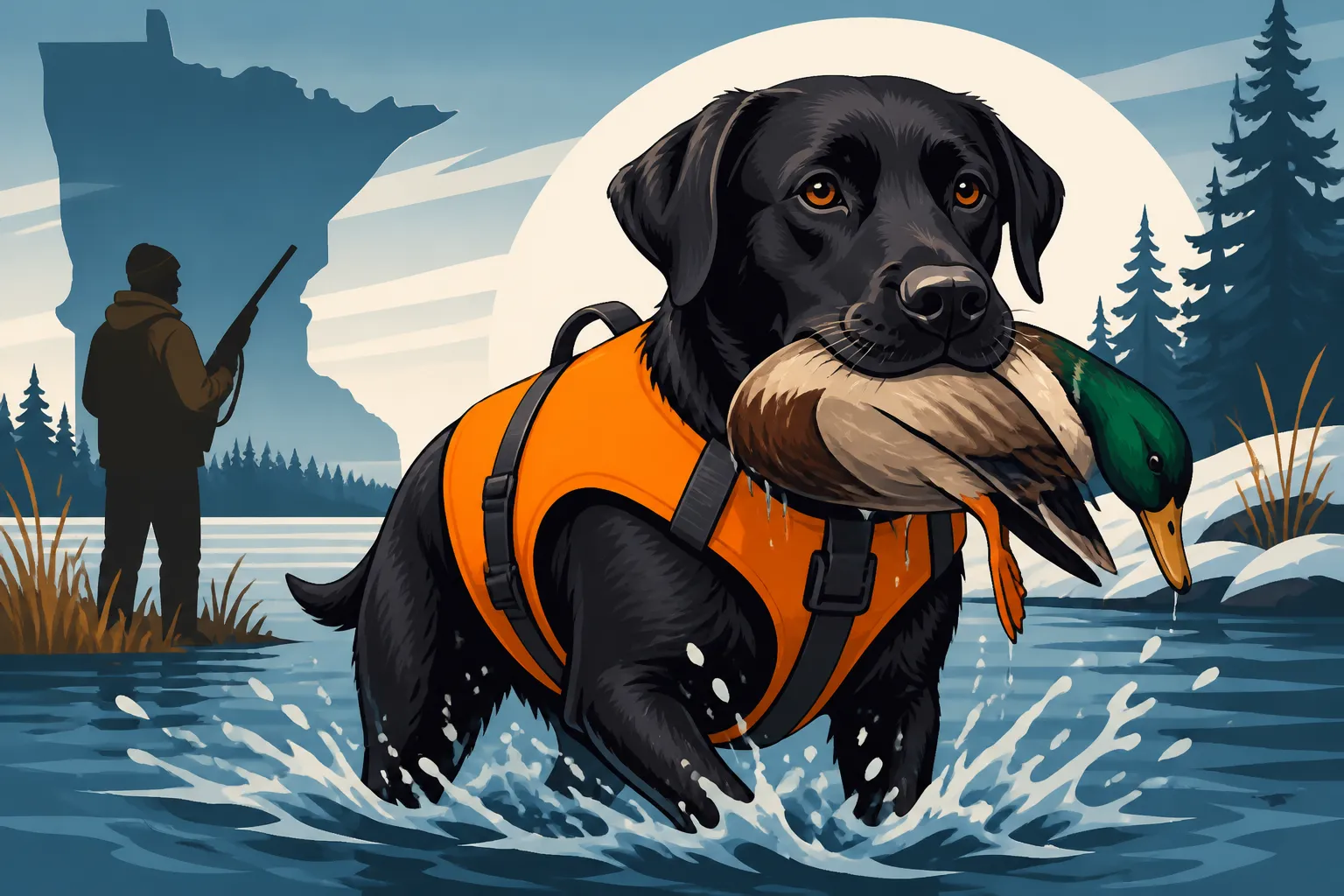
Picture this: it's a blustery November morning, the kind where your breath plumes in front of you, and the decoys are clicking against the thin ice forming on the lake's edge. You've just dropped a mallard that sailed into a patch of open water, and your dog, fueled by instinct and training, charges in. While their enthusiasm is boundless, their body's ability to withstand prolonged exposure to near-freezing water is not. Hypothermia is a very real, very dangerous threat. A dog's core body temperature can drop rapidly, leading to shivering, weakness, disorientation, and in severe cases, unconsciousness and death. We've all seen dogs come out of the water looking exhausted, shaking uncontrollably, their muscles seizing up. A quality vest significantly slows this heat loss, giving your dog the thermal protection they desperately need, especially when multiple retrieves are necessary or when waiting patiently in a chilly blind. It means more productive hunting and, more importantly, a healthy dog at the end of the day.
The challenges aren't just about temperature, either. Consider the physical toll. Your dog is likely crashing through brittle cattails, navigating submerged branches, and pulling themselves up icy banks. These conditions can quickly lead to exhaustion, making them more susceptible to the cold and less capable of performing. A vest offers a layer of protection against these environmental hazards, allowing them to conserve energy and focus on the retrieve. When you're thinking about Waterfowl Gear for Minnesota Lakes and Sloughs, the vest absolutely needs to be at the top of the list for your dog.
Beyond Warmth: Protection from the Elements and Terrain
While warmth is paramount, a good dog vest offers a suite of other protective benefits that are vital for hunting in the diverse and often rugged landscapes of Minnesota. Think about all the things your dog encounters during a retrieve. They might be swimming through a thick mat of lily pads, scrambling over submerged stumps, or pushing through dense willow thickets. Each of these presents a risk of cuts, scrapes, or punctures. The durable outer shell of a hunting vest acts as a shield, preventing minor injuries that could sideline your dog or become infected. It’s peace of mind knowing they’re not just warm, but also physically safeguarded from the sharp edges and abrasive surfaces lurking just beneath the water or along the shoreline.
Then there's the added benefit of buoyancy. Many cold-water vests are designed with integrated flotation, providing an extra lift that can be a game-changer. Imagine a long retrieve across a big, choppy lake, or a strong current in a river. That extra bit of buoyancy can help a tired dog stay afloat more easily, reducing strain and conserving precious energy. This is especially valuable in deeper water or for younger, less experienced dogs. It’s like a built-in life jacket that lets them do their job with less effort, making them more efficient and safer. Plus, the visibility a brightly colored vest provides can be invaluable, especially in low light conditions or when hunting among dense cover. Hunting the Mississippi River Backwaters is a prime example where visibility for your dog is key, both for you to track them and for other hunters to spot them.
Key Features to Look for in a Cold Water Dog Vest
Choosing the right dog vest involves more than just picking one off the shelf. You need to consider several key features that directly impact your dog's safety, comfort, and performance in Minnesota's challenging waterfowl environments. Just like you'd meticulously select your own waders or shotgun, your dog's vest deserves the same careful attention to detail.
Insulation and Material Matters
The heart of any good cold-water dog vest is its insulation, and for waterfowl dogs, that almost exclusively means neoprene. Neoprene works by trapping a thin layer of water against the dog's body, which is then warmed by their body heat, creating an insulating barrier. The thickness of this neoprene is critical. You'll typically find vests in 3mm, 5mm, or even 7mm thicknesses.
- 3mm Neoprene: This is suitable for milder cold days, maybe early fall or late spring hunts where the water is cool but not frigid. It offers good flexibility and less bulk, which some dogs prefer for unrestricted movement.
- 5mm Neoprene: This is the workhorse thickness for most serious Minnesota waterfowl hunters. It provides a significant boost in thermal protection, making it ideal for those colder late-season hunts when ice is forming. It's a great balance of warmth and flexibility.
- 7mm Neoprene: For extreme cold, like bitter December days or Muzzleloader Tactics in December Cold where your dog might be breaking ice, 7mm offers maximum insulation. Be aware that this extra thickness does add bulk and can restrict movement slightly for some dogs, so it's a trade-off you'll need to consider based on your specific hunting conditions and your dog's comfort.
Beyond the neoprene, pay close attention to the outer shell material. It needs to be tough and durable to withstand the abuse of brush, ice, and retrieve after retrieve. Look for strong nylon or Cordura fabrics that resist snags and tears. Some vests also feature reinforced chest plates or belly panels, offering extra protection against abrasive ice and sharp debris. When you're searching for gear, whether it's for yourself or your dog, remember that resources like GoHunt often have reviews or product breakdowns that can highlight these material differences, helping you make an informed choice.
Design Elements for Performance and Safety
A great dog vest goes beyond just insulation; it incorporates smart design features that enhance both your dog's safety and your ease of handling. One of the most critical features is a sturdy grab handle on the back. This might seem minor, but it's incredibly useful. Being able to quickly lift your dog into a boat, over an icy bank, or out of a challenging current can be a lifesaver, literally. Look for handles that are reinforced and easy to grip, even with cold, gloved hands.
Another important consideration is the closure system. Most vests use heavy-duty zippers, Velcro, or a combination of both. Zippers should be robust, often with large teeth, to withstand mud, ice, and frequent use. Velcro offers adjustability but can collect burrs and mud, potentially losing its grip over time. A good design often includes both, with a zipper for primary closure and adjustable Velcro flaps over it for a snug fit and added security.
Think about visibility. While camo vests might seem appealing for concealment, a brightly colored vest, especially in blaze orange or yellow, can be crucial for your dog's safety. This is especially true when hunting in crowded areas, low light, or dense cover. You want to be able to spot your dog easily, and you want other hunters to see them too. Many vests offer reversible options, with camo on one side and blaze orange on the other, giving you flexibility based on your hunting situation. Additionally, look for vests with a D-ring or other attachment points for a leash, if you use one in the field. This ensures your dog can be secured quickly when needed.
Buoyancy and Flotation
While all neoprene offers some inherent buoyancy, some vests are specifically designed with enhanced flotation. This is a fantastic safety feature, especially for dogs that might tire easily, are younger and still building stamina, or those making long retrieves in deep or fast-moving water. The added lift from dedicated flotation panels helps your dog stay higher in the water, reducing the energy expenditure required to keep their head above the surface.
This can translate directly into better performance and endurance throughout a long hunting day. A dog that isn't struggling to stay afloat will have more energy for the actual retrieve, bringing birds back faster and more efficiently. It also acts as a critical safety net. If your dog encounters an unexpected current or is injured, the flotation can keep them visible and above water until you can reach them. For those challenging Hunting Mille Lacs and Big-Water Divers, where retrieves can be lengthy and the water unpredictable, enhanced buoyancy is definitely a feature worth prioritizing. When you're comparing options, consider how much flotation is integrated and if it interferes with your dog's natural swimming motion or ability to dive for downed birds.
Sizing, Fit, and Maintenance for Longevity
Investing in a quality dog vest is only half the battle. To truly get the most out of it and ensure your dog is comfortable and safe, proper sizing and diligent maintenance are absolutely crucial. A poorly fitting vest can cause more problems than it solves, and a neglected vest won't last long, leaving your dog exposed when they need protection most.
Getting the Perfect Fit: A Crucial Step
This is where many hunters go wrong, and it’s arguably the most important factor after material quality. A vest that's too loose will chafe, allow cold water to flush in, and offer minimal thermal protection. One that's too tight will restrict movement, cause discomfort, and can even hinder breathing. Think of it like a wetsuit for a diver – it needs to be snug to work effectively.
To ensure a perfect fit, you'll need a tape measure and your dog. Start by measuring:
- Chest Girth: This is the most critical measurement. Wrap the tape measure around the widest part of your dog's chest, just behind their front legs.
- Neck Girth: Measure around the base of the neck, where it meets the shoulders.
- Back Length: Measure from the base of the neck to the base of the tail. Not all vests cover the entire back, but this helps determine overall coverage.
Compare these measurements to the manufacturer's sizing chart. Don't assume sizes are universal across brands; a "large" in one brand might be a "medium" in another. When you try the vest on your dog, it should fit snugly, but you should still be able to comfortably slide two fingers under the straps or zipper. Check for any areas that seem to bunch up or pull tightly, especially around the armpits, as these are common spots for chafing. Have your dog walk, run, and even do a few mock retrieves to ensure their range of motion isn't restricted. Different breeds have different body types – a lean Labrador might fit differently than a stockier Chesapeake Bay Retriever, so pay attention to how the vest conforms to your dog's unique build. If you're using a planning tool like GoHunt to scout potential hunting spots, also consider the terrain – more rugged terrain might demand a vest with less bulk to prevent snags.
Care and Storage for Your Investment
Your dog's vest is an investment in their well-being and your hunting success, and like any good piece of gear, it needs proper care to last. After every hunt, especially those in muddy or brackish water, it's essential to rinse the vest thoroughly with fresh water. This removes mud, debris, salt, and any corrosive elements that can degrade the neoprene and stitching over time. Think of the nasty stuff that accumulates after a day of Minnesota Waterfowl Hunting on Lakes and Potholes – you don't want that drying into the vest.
Once rinsed, hang the vest to air dry completely. Crucially, dry it out of direct sunlight. UV rays can break down neoprene over time, making it brittle and less insulating. A shaded, well-ventilated area is ideal. Never store a wet or damp vest; this is a surefire way to encourage mildew growth, which not only smells terrible but also damages the material. Once dry, store the vest flat or hang it without sharp creases. Folding it repeatedly in the same spot can weaken the neoprene. Before packing it away for the off-season, give it a thorough inspection for any signs of wear and tear – frayed stitching, cracked neoprene, or sticky zippers. Addressing these small issues early can prevent them from becoming major problems during your next season. Proper care means your dog's vest will be ready to perform season after season.
Training Your Dog to Love Their Vest
A dog vest, no matter how high-tech, is only effective if your dog is comfortable wearing it. Forcing a dog into a vest without proper introduction can lead to resistance, anxiety, and ultimately, a less cooperative hunting partner. Integrating the vest into your dog's routine through positive reinforcement is key to ensuring they embrace it as part of the hunting experience.
Positive Reinforcement from Day One
The goal is to create a positive association with the vest right from the start. Don't just throw it on them the morning of the first hunt. Begin by simply showing your dog the vest in a relaxed, non-threatening environment. Let them sniff it, explore it. When they do, offer praise and a high-value treat. Repeat this a few times over several days.
Next, drape the vest loosely over their back for a few seconds, then immediately remove it and reward them. Gradually increase the duration. Once they're comfortable with it draped, try putting one leg through, then the other, without fastening it completely. Each small step should be accompanied by positive words, petting, and treats. Once you can fully put the vest on, leave it on for very short periods (a few minutes) while engaging them in a fun activity like playing fetch or a quick training session. This helps them understand that the vest isn't a restriction, but rather a part of doing enjoyable things. Never use the vest as a form of punishment or in a negative context. The more positive experiences you build around it, the more your dog will view it as a normal and even exciting part of their routine, especially when they connect it with going hunting. For broader training tips, consider articles like Dog Training on Minnesota Public Land which emphasize positive methods.
Practice in Varied Conditions
Once your dog is comfortable wearing the vest around the house or yard, it's time to introduce it to water. Start in warm, shallow water during an off-season swim. The goal is to let them feel how the vest performs without the added stress of cold or a retrieve. Observe how they move, how they swim, and if there are any chafing points. Gradually introduce them to cooler water, always ensuring they are comfortable and happy.
Simulate actual hunting scenarios: have them enter and exit a boat with the vest on, practice retrieves from different shorelines, and let them swim with it for increasing durations. This helps them get accustomed to the vest's buoyancy and any slight changes in their movement patterns. It's crucial to do this practice before you hit the field for real. The last thing you want is a dog struggling with a new piece of gear when the ducks are flying and the water is freezing. By practicing, you build their confidence and ensure the vest enhances, rather than hinders, their natural abilities in the water. Remember, your dog's comfort and confidence directly impact their performance, so make that vest a familiar and positive part of their world.
Comparing Key Dog Vest Features
When looking for the ideal dog vest for cold water retrieves in Minnesota, these features are paramount. Use this table as a quick reference when weighing your options.
| Feature | Description | Importance in Minnesota Cold Water |
|---|---|---|
| Neoprene Thickness | 3mm, 5mm, or 7mm | Critical for thermal insulation; 5mm+ ideal for late season |
| Outer Shell Material | Nylon, Cordura, reinforced fabric | High: Protects against snags, tears, ice |
| Grab Handle | Sturdy, reinforced handle on back | High: Essential for lifting, safety, control |
| Closure System | Heavy-duty zipper, Velcro, or combination | High: Secure fit, easy on/off, durability |
| Visibility | Blaze orange, yellow, or reversible options | High: Dog safety, tracking in low light |
| Buoyancy/Flotation | Integrated foam panels for added lift | Medium-High: Reduces fatigue, adds safety |
| Chest Protector | Reinforced panel on chest/belly | Medium: Guards against ice abrasion, debris |
| D-Ring/Leash Attach | Point for leash attachment | Medium: Convenience for handling |
Always consider your specific hunting conditions and your dog's temperament when prioritizing these features. For example, if you're frequently in areas like Minnesota Waterfowl Production Area Basics where you might be walking a long distance to water, the vest's weight and flexibility become even more important.
Disclaimer
This article is for general informational purposes only and does not constitute professional advice. Laws, prices and regulations vary by location and change over time. Consult a qualified professional for guidance on your specific situation.