Ammunition Availability Before Opening Day
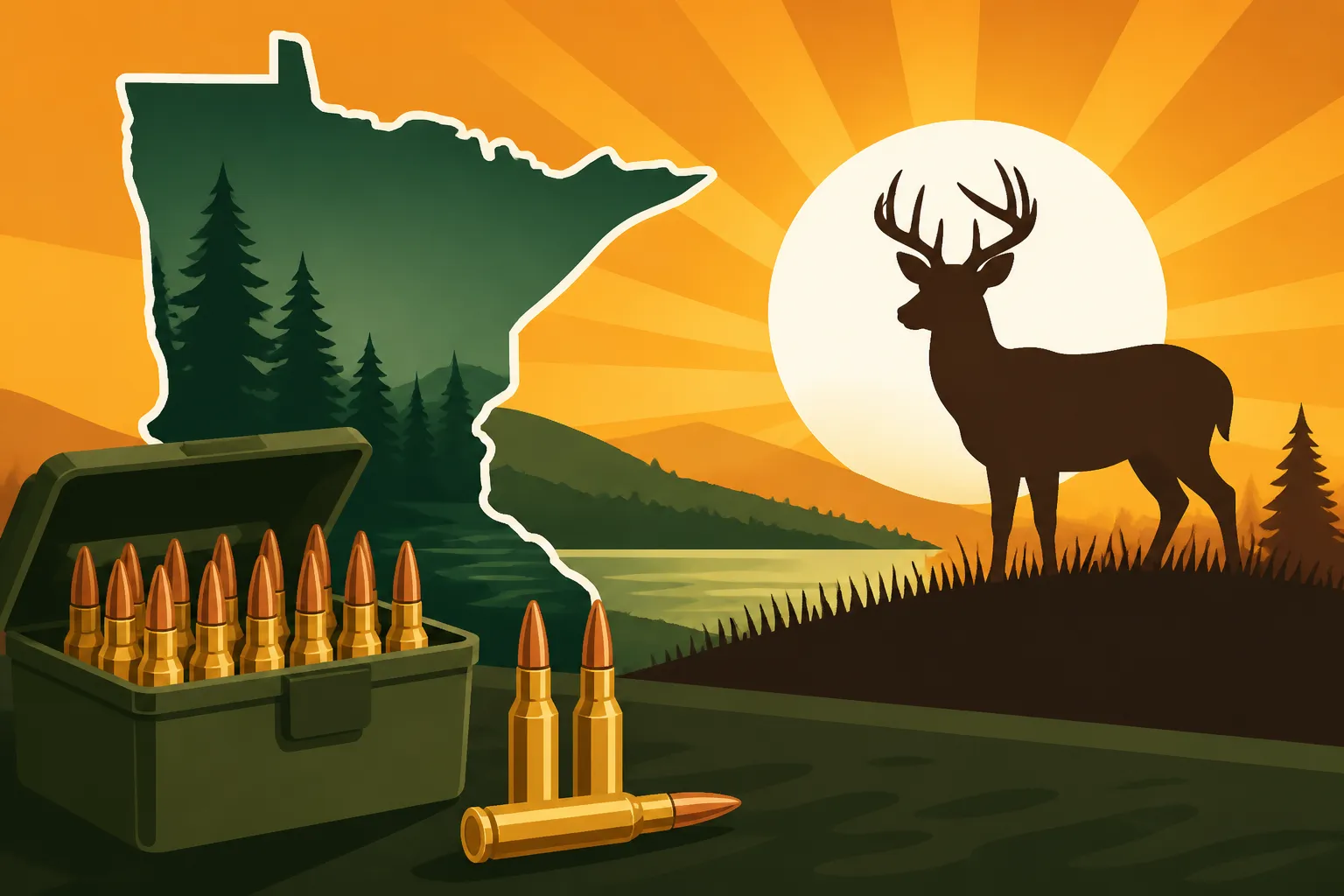
Oh, the dreaded pre-season ammo scramble! We’ve all been there, haven't we? That sinking feeling when opening day is just around the corner, and suddenly you realize your ammo stash is looking pretty thin, or worse, completely empty. It’s a common frustration that can turn excitement into anxiety. This guide is here to walk you through why this happens, how to avoid that last-minute panic, and strategies to ensure you're always well-stocked and ready for the season.
The Pre-Season Ammo Scramble: Why It Happens
It's a tale as old as time for hunters across Minnesota. You spend months scouting, planning, getting your gear dialed in, but somehow, the most crucial component – your ammunition – slips your mind until the eleventh hour. This isn't just poor planning; it's often a perfect storm of common human tendencies and market realities.
The "Wait and See" Mentality
Let’s be honest, it’s easy to get caught up in the excitement of what’s to come. You're dreaming of those crisp fall mornings, the smell of balsam, and the thrill of the hunt. You've been so focused on dialing in your hunting strategy, perhaps carefully reviewing Reading Aerial Photos for Big Woods Deer to identify prime stand locations, or perfecting your Treestand Setups in Minnesota Hardwoods to ensure maximum stealth. The idea of buying a box of ammunition feels like a mundane chore compared to these exhilarating preparations.
This "wait and see" attitude is a classic trap. We tell ourselves we have plenty of time, or that the store will surely have what we need. Then, the calendar pages flip, and suddenly, you're two weeks out from the firearm opener, and the panic sets in. You remember those crucial hunting license deadlines, the anticipation of the deer lottery results – these things you plan for months in advance. But for some reason, the simple act of purchasing bullets often feels like something that can be put off, until it can’t. This collective procrastination by thousands of hunters inevitably leads to empty shelves when everyone decides to shop at once.
Supply Chain Surprises and Market Fluctuations
Ammunition isn't always sitting on shelves as readily as loaves of bread or gallons of milk. The production of ammunition is a complex process, susceptible to various external factors. We've certainly seen periods in recent history where demand far outstripped supply, leading to widespread shortages and price increases. These aren't just minor hiccups; they can be significant disruptions that impact everything from raw material acquisition to manufacturing capacity and distribution logistics.
Think about it: a sudden surge in demand, perhaps driven by current events or popular hunting trends, can quickly deplete stock. Manufacturers then need time to ramp up production, acquire components, and distribute product across the country. This can mean that even popular calibers can become temporarily scarce. For those hunting specific permit areas, or requiring specialized rounds for Muzzleloader Deer Hunting in Minnesota, these fluctuations can be even more pronounced, turning a simple purchase into a scavenger hunt. It’s a frustrating reality for hunters who just want to be prepared.
The Rush for Common Calibers
When it comes to deer hunting in Minnesota, certain calibers reign supreme. We’re talking about the tried-and-true workhorses like .30-06 Springfield, .270 Winchester, .308 Winchester, and of course, 12-gauge slugs for those still hunting in certain areas. With the new statewide rifle rules, straight-wall cartridges like .450 Bushmaster and .350 Legend have also seen a massive surge in popularity, becoming just as "common" in many parts of the state.
The problem? Everyone needs these at the same time. Thousands of hunters across the state are all reaching for the same boxes of ammunition in the weeks leading up to the firearm season. This creates immense bottlenecks at local sporting goods stores, big box retailers, and even online vendors. What might have been readily available in July can be completely sold out by late October. This phenomenon isn’t unique to Minnesota, but given our deep hunting culture and the sheer number of hunters, the rush for common calibers is a very real challenge that often catches people off guard.
Proactive Strategies for Securing Your Hunting Rounds
The best defense against pre-season ammo panic is a good offense. By thinking ahead and adopting a few smart habits, you can ensure you’re never scrambling for shells when you should be focused on the hunt itself. It’s all about preparation, planning, and a little bit of foresight.
The Early Bird Gets the Ammo
This is, by far, the most crucial piece of advice: buy your ammunition well in advance. And when I say "well in advance," I mean months, not weeks. As soon as you apply for your Minnesota Deer Seasons and Permit Areas tags or confirm your specific hunt dates and weapon choices, that's your cue to think about ammunition. Don't wait until you're trying to zero your rifle the week before the opener.
Purchasing your hunting rounds in the spring or early summer offers several advantages. First, you avoid the seasonal rush entirely, meaning better availability and often more competitive pricing. Second, it gives you ample time for shipping if you’re ordering online, bypassing any last-minute delivery anxieties. Most importantly, it provides peace of mind. With your ammunition secured, you can focus on more enjoyable aspects of preparation, like Scouting Minnesota Public Land Before Season or fine-tuning your gear, knowing that one major variable is already squared away. It's about eliminating stress so you can truly enjoy the anticipation of the season.
Building a Smart Ammo Stash
Beyond just buying a single box for the upcoming season, consider building a sensible ammo stash. This isn't about hoarding; it's about smart preparedness and ensuring you always have what you need for practice and future hunts. A good rule of thumb is to have enough ammunition for the current season's hunt, plus a sufficient amount for practice, and ideally, a buffer for the next season.
For instance, if you typically take 3-5 shots to confirm your zero and then only one or two during the actual hunt, you'll need more than a 20-round box. Consider buying 3-5 boxes of your preferred hunting load. This also allows you to purchase different bullet types if you hunt diverse game or in varying conditions – maybe a heavier grain for Bear Hunting With Bait and Hounds in Minnesota or a specific load optimized for ethical deer harvest. Always store your ammunition in a cool, dry place, away from extreme temperatures and humidity, to maintain its integrity for years to come. This approach ensures you're never caught off guard, even if a particular load for Sighting In a Rifle for Minnesota Woods Ranges becomes temporarily hard to find.
Leveraging Online Retailers and Local Shops
When it comes to buying ammunition, you generally have two main avenues: online retailers and your local gun shops. Both have their pros and cons, and a smart hunter often uses a combination of the two.
Online Retailers
Online stores typically offer a wider selection of brands, calibers, and bullet types than any single brick-and-mortar store could hope to stock. You can often find more competitive pricing, especially if you buy in bulk, and the convenience of having it shipped directly to your door is undeniable. Websites can also be excellent resources for checking inventory across various brands and calibers, especially if you use tools that aggregate stock information. Many hunting enthusiasts find GoHunt to be a valuable resource for tracking down specific products, including ammunition, by searching across numerous retailers. However, remember to factor in shipping costs and potential delays, especially during peak season. You’ll also need to be prepared for age verification processes and ensure your local laws permit direct-to-door ammunition delivery.
Local Shops
Your local gun store offers immediate gratification – you can walk in, buy your ammo, and walk out. These shops often have knowledgeable staff who can offer personalized advice on different loads or calibers that perform well in your area. Supporting local businesses is also a big plus. The downside is often a more limited inventory compared to the vast online marketplaces, and prices can sometimes be a bit higher due to overhead costs. However, establishing a relationship with your local gun shop owner or staff can pay dividends. They might give you a heads-up on incoming shipments or even hold a box or two for you if they know you’re a regular customer. Don't underestimate the value of that personal connection, especially when supplies get tight.
Here's a quick comparison to help you weigh your options:
| Method | Pros | Cons | Best For |
|---|---|---|---|
| Local Retailer | Immediate purchase, expert advice, support local | Limited stock, potentially higher prices, seasonal sell-outs | Last-minute needs, unique items, building relationships |
| Online Retailer | Wide selection, competitive pricing, convenience | Shipping costs/times, age verification, no immediate gratification | Stocking up, hard-to-find calibers, planning ahead |
| Gun Shows | Good deals, variety, find rare items | Unpredictable inventory, cash preferred, travel may be required | Bulk purchases, unique finds, networking with vendors |
| Reloading | Custom loads, cost savings (long term), self-sufficiency | High upfront cost, time-consuming, learning curve, safety concerns | Dedicated shooters, specific load requirements, independence |
Navigating Late-Season Ammo Shortages
Despite the best intentions, sometimes you find yourself staring at empty shelves with opening day looming. Maybe you underestimated your practice needs, or a friend borrowed a box and forgot to replace it, or a last-minute hunt popped up. When the usual sources are dry, it's time to get resourceful, but always with safety and ethics in mind.
Checking Alternative Sources
If your go-to sporting goods store or preferred online vendor is completely out of your specific hunting load, don’t give up hope immediately. It’s time to expand your search. Consider smaller, independent hardware stores that might have a small sporting goods section – sometimes they fly under the radar of the main rush. Some larger general merchandise chains with sporting goods departments might also have a few boxes tucked away. Even pawn shops, while requiring careful inspection of ammunition condition, can sometimes have surprising finds.
Another avenue could be specialty reloading stores. Even if you don't reload yourself, they often deal with a wider array of components and might have leads on where full rounds could be found, or even have a small stock themselves. Online tools like GoHunt can also be invaluable here, helping you quickly check the inventory of dozens of retailers simultaneously, saving you precious time and gas money driving from store to store. Just be prepared to act fast if you find something!
Considering Different Loads or Calibers (When Safe and Legal)
This is a critical strategy to approach with extreme caution, but it can be a lifesaver in a pinch. If your exact preferred bullet type or grain weight is unavailable, you might need to consider a different load within the same caliber. For example, if you typically shoot a 180-grain soft-point, a 150-grain soft-point from a different brand might be available. Or, if you’re a shotgun hunter, a different brand of slug, or even a different style (e.g., rifled vs. sabot, if your barrel allows), might be your only option.
Crucially, any change in ammunition load, even within the same caliber, requires immediate and thorough re-zeroing of your firearm. This is not a suggestion; it's an absolute ethical imperative. A different bullet weight, manufacturer, or even bullet construction can significantly alter your point of impact. What shot perfectly at 100 yards with your old load might be inches off with the new. Do not, under any circumstances, take an unfamiliar load into the field without verifying its accuracy. You need time to get to the range, shoot several groups, and confirm your new zero, just as you would for Zeroing at 100 Yards for Timber Hunting. Never compromise on safety or accuracy just to get any ammo. If you can't confidently re-zero, it’s best to wait for the correct ammunition.
The Importance of Practice Ammunition
One of the reasons hunters get into a bind with hunting ammo is often because they've used their precious hunting rounds for practice. This is a common mistake. Instead, dedicate separate ammunition for practice. Buy cheaper, readily available practice rounds in bulk throughout the year. This achieves several important goals.
First, it allows you to maintain and sharpen your shooting skills without dipping into your carefully selected hunting stash. This means when opening day arrives, your hunting rounds are fresh, untarnished, and ready for the field. Second, regular practice with a similar (though not identical) load keeps your muscle memory tuned and confirms that your rifle, bow, or Crossbow Versus Vertical Bow in Minnesota setup is consistently performing. Third, having a separate stash for practice means you can test new techniques, different shooting positions, or simply enjoy a day at the range without worrying about depleting your hunt-critical supply. This consistent practice not only makes you a better shooter but a more confident and ethical hunter, less prone to making a rushed, inaccurate shot when it counts.
Responsible Ammo Management for the Hunter
Beyond just buying your ammunition, how you manage and care for it throughout the year is key to consistent performance and avoiding surprises. Think of it as part of your overall gear maintenance – just as important as checking your treestand straps or cleaning your rifle.
Inventory and Rotation
Don't just toss new boxes of ammo onto an existing pile. Take a few minutes to keep a simple inventory. A small notebook or a basic spreadsheet can help you track caliber, bullet type (e.g., soft-point, ballistic tip), grain weight, and even the lot number from the box. This detailed record helps you know exactly what you have on hand and how much.
Furthermore, practice a "first in, first out" rotation. While modern ammunition has an incredibly long shelf life if stored properly, it's generally a good idea to use older practice-grade ammunition for your range sessions first. This keeps your hunting rounds relatively fresh. Make a habit of checking your ammo inventory periodically, perhaps when you're checking your game camera batteries or ensuring your Safety Harnesses and Lifelines are in good working order. A quick visual inspection of your ammo boxes for any signs of damage or moisture can also go a long way in preventing misfires or malfunctions in the field.
Understanding Minnesota Regulations (Lead-Free, Etc.)
While Minnesota largely permits lead ammunition for hunting, it's crucial for hunters to stay informed about potential local regulations. Certain specific areas, such as some federal waterfowl production areas or wildlife refuges, might have lead-free requirements for hunting any game species, not just waterfowl. It's always your responsibility to know the rules for the specific public or private land you plan to hunt.
Even if not legally mandated for your deer hunt, some hunters choose to use Lead-Free Ammunition Choices for Deer for personal reasons, such as concerns about meat contamination or environmental impact. If you opt for lead-free, be aware that these rounds can sometimes be less widely stocked and may perform differently than traditional lead-core bullets. This further emphasizes the need for advance planning and thorough testing at the range. Always double-check the current regulations for your hunting area to avoid any surprises.
Reloading: A Long-Term Solution
For many dedicated hunters, reloading their own ammunition becomes a compelling long-term solution to availability concerns, especially for those seeking specific performance characteristics or cost savings over time. Reloading offers the ultimate independence from market fluctuations, allowing you to tailor loads precisely to your rifle and hunting needs. You can experiment with different bullet types, powder charges, and primers to achieve optimal accuracy and terminal performance for your particular firearm, all while potentially reducing your per-round cost significantly.
However, it's important to understand that reloading is a hobby in itself, requiring a significant upfront investment in equipment (press, dies, powder scale, primers, powder, bullets, cases) and a considerable learning curve. It's not a quick fix for a pre-season panic, but rather a commitment to self-sufficiency and precision. For those willing to invest the time and effort, it provides unparalleled control over your ammunition supply and performance. Many online communities and resources, including those often found through sites like GoHunt, can guide new reloaders and help veterans find components, further enhancing your preparedness for all hunting adventures, especially when considering Legal Firearms for Minnesota Deer Hunting and optimizing their performance.
Disclaimer
This article is for general informational purposes only and does not constitute professional advice. Laws, prices and regulations vary by location and change over time. Consult a qualified professional for guidance on your specific situation.