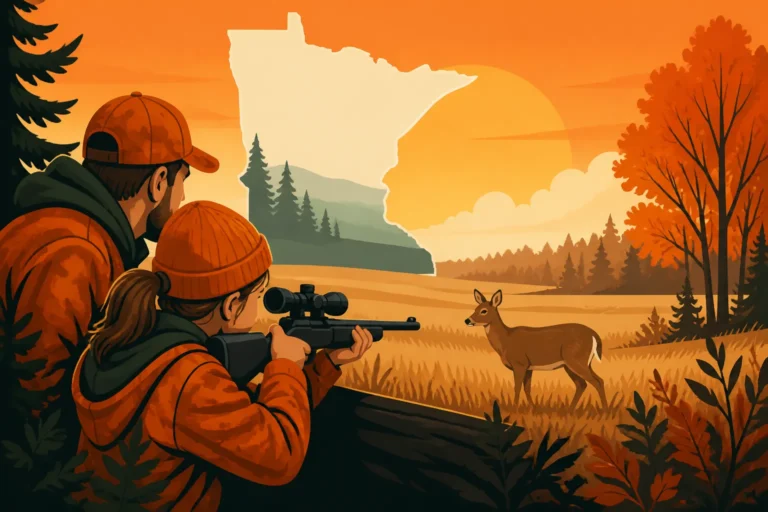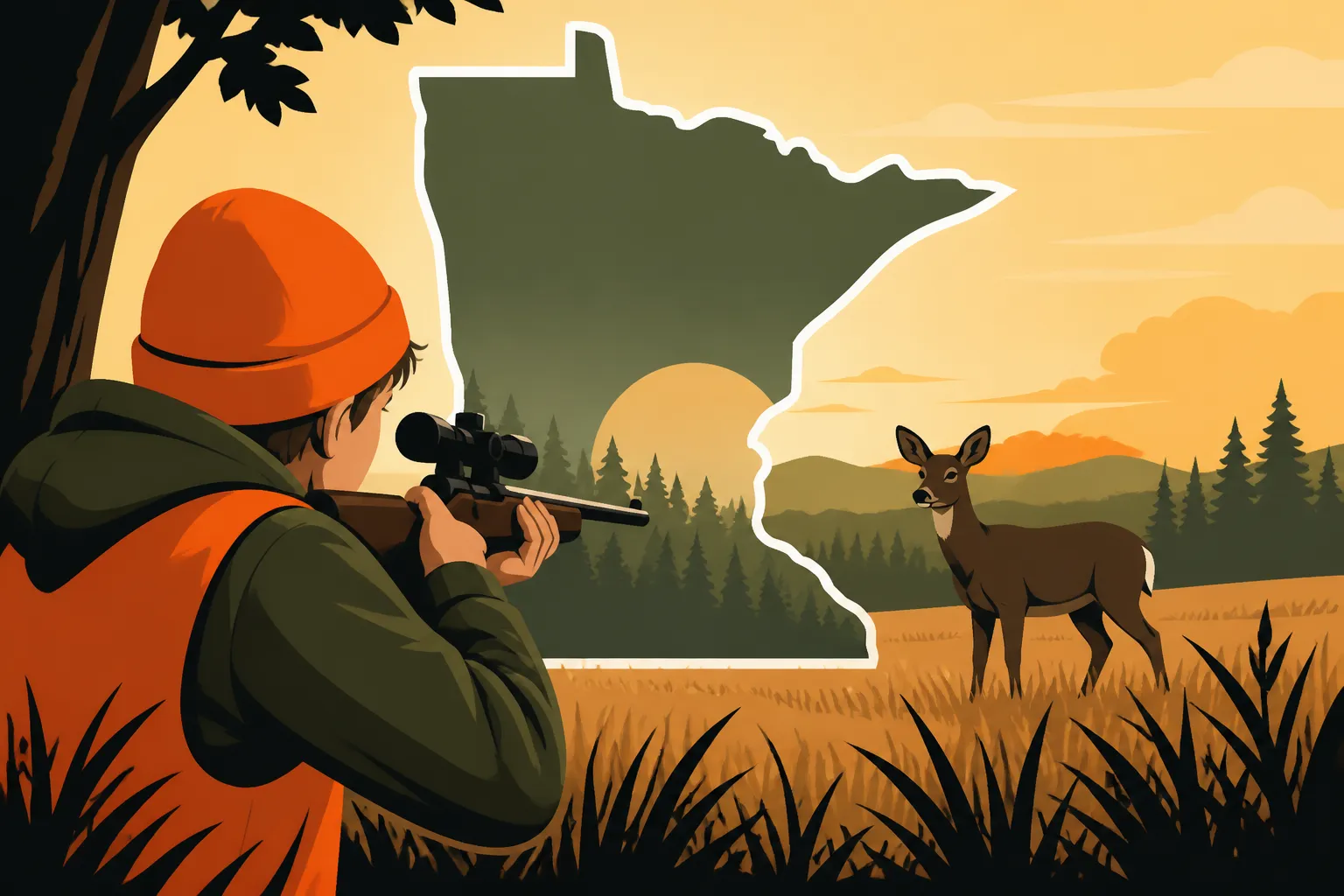
Hunting the Minnesota Youth Early Antlerless Season
There's a unique excitement that comes with introducing a young hunter to the outdoors, but often, the regular firearm season can feel overwhelming with crowds and competition. The Minnesota Youth Early Antlerless Season offers a much-needed reprieve, providing a fantastic, low-pressure opportunity for mentored youth to experience deer hunting and truly connect with nature. This guide will walk you through everything you need to know to make the most of this special season, ensuring a safe, educational, and memorable experience for your young hunter.
Understanding the Minnesota Youth Early Antlerless Season
This isn't just another deer season; it's a dedicated window designed specifically with youth hunters and their mentors in mind. It's a chance to focus on the basics, build confidence, and put meat in the freezer without the added stress that often accompanies opening weekend of the general firearm season.
What Makes This Season Special
The Minnesota Youth Early Antlerless Season is a unique offering, typically held in mid-October, specifically before the hustle and bustle of the statewide firearm openers. What truly sets it apart is its singular focus on antlerless deer, meaning does and fawns. This allows young hunters to concentrate on shot placement and ethical harvesting without the "buck fever" often associated with antlered deer. It's a controlled environment where the emphasis is on learning, patience, and the responsible taking of game. It's also open to eligible youth statewide, which is a huge advantage compared to more restricted hunts. This statewide opportunity simplifies planning for many families, allowing them to hunt familiar ground or explore new areas.
One of the biggest benefits of this season is the reduced hunting pressure. With fewer hunters in the woods, young participants and their mentors can enjoy a more tranquil experience, allowing for more relaxed teaching moments and observation of deer behavior. Imagine being able to take your time, talk through scenarios, and identify deer without the constant worry of other hunters pushing animals or claiming your spot. This fosters a deeper appreciation for the outdoors and the hunting process itself. It’s a stark contrast to the often-crowded conditions you might find during the traditional opener in some parts of the state.
Eligibility and Requirements for Young Hunters
To participate in the Minnesota Youth Early Antlerless Season, young hunters must be 10, 11, 12, 13, 14, 15, 16, or 17 years of age at the time of the hunt. This age range is pretty broad, allowing many kids to take part. All participating youth must possess a valid firearms safety certificate or apprentice hunter authorization. This is non-negotiable and ensures that they have at least a foundational understanding of firearm handling and safety. The apprentice hunter authorization is a fantastic option for younger hunters who haven't completed a full hunter safety course yet, allowing them to hunt under the direct supervision of an experienced adult mentor. This way, they can gain invaluable field experience before committing to the full course.
Another critical requirement is that each youth hunter must be accompanied by an adult mentor who is at least 18 years old and has a valid hunting license. The mentor must remain within arm's length of the youth hunter when actually hunting, providing immediate supervision and guidance. This isn't just a legal requirement; it's a vital part of the learning process. The mentor's role is to teach, guide, and ensure safety at all times. They are there to help identify legal game, assist with shot placement decisions, and ensure the young hunter understands the ethics of hunting. This close supervision makes the youth season an incredible teaching tool.
Key Dates and Permit Area Considerations
The Minnesota Youth Early Antlerless Season typically runs for a specific weekend in mid-October. While the exact dates can shift slightly year-to-year, it's generally positioned a week or two before the regular statewide firearm opener. You'll definitely want to check the current Minnesota DNR hunting regulations each year to confirm the precise dates for Minnesota Deer Seasons and Permit Areas. Don't assume the dates are the same as last year – a quick check can save you a lot of disappointment!
This season is open statewide for antlerless deer, which means youth can hunt in any deer permit area where antlerless deer can be taken. The beauty of this is that it often coincides with areas designated as "managed," "intensive," or "lottery" permit areas for the regular season, allowing for the harvest of antlerless deer. However, it's always wise to double-check the specific rules for your chosen deer permit area. Even though it's a statewide opportunity, knowing the nuances of your local permit area can be critical. You can look up your specific area's status using the DNR's online tools. For example, some areas might have specific limitations or recommendations that are good to be aware of, even if the youth season generally bypasses some of the more restrictive general season rules.
Why the Youth Antlerless Season is a Game Changer
This isn't just a hunt; it's an investment in the future of hunting and conservation. The dedicated youth season provides an unparalleled entry point for new hunters, setting them up for success and fostering a lifelong love for the outdoors.
Reduced Pressure and Increased Success Rates
One of the most frustrating things for any hunter, let alone a young one, is feeling crowded or like you're constantly competing with others. The regular firearm season, especially opening weekend, can feel like Grand Central Station in some popular public land spots. You scout a perfect location, only to have three other trucks pull up just before shooting light. It's disheartening. The Minnesota Youth Early Antlerless Season significantly mitigates this problem. Because it's a limited-entry season focused solely on youth, the sheer number of hunters in the woods is dramatically lower. This means less disturbance, less competition, and ultimately, a more peaceful and productive experience for your young hunter.
This reduced pressure translates directly into increased success rates. When deer aren't being constantly pushed and harried by throngs of hunters, they're more likely to move naturally, feed openly, and present easier shot opportunities. For a new hunter, getting a deer is a massive confidence booster. It validates their efforts, makes the early mornings and cold sits worthwhile, and cements their interest in the sport. Imagine the look on a child's face when they successfully harvest their first deer – it's a moment that can spark a lifelong passion. The early antlerless season is perfectly designed to help create these positive, formative experiences.
Mentorship Opportunities and Skill Building
The youth antlerless season provides an ideal environment for hands-on mentorship, which is truly the bedrock of passing on our hunting heritage. When you’re not battling crowds or feeling rushed, you have the precious time and mental space to genuinely teach. This isn't just about pulling the trigger; it's about so much more. You can teach your young hunter about deer behavior, how to identify different tracks and scat, the importance of wind direction, and how to use topography to their advantage. Imagine sitting quietly in a blind, pointing out a deer's body language as it feeds, or explaining why a certain tree makes a great natural blind. These are invaluable lessons that are hard to impart in a chaotic general season.
Furthermore, this season is fantastic for building foundational hunting skills. From proper gun handling and marksmanship to understanding ethical shot placement, young hunters get to practice these critical skills in a live setting. Mentors can guide them through the entire process: ranging a target, understanding bullet drop, practicing breath control, and making a clean, ethical shot. It's also an excellent opportunity to reinforce safe habits like muzzle control and target identification. We can discuss Sighting In a Rifle for Minnesota Woods Ranges beforehand, ensuring they are confident and competent with their firearm. The focus on antlerless deer also helps emphasize that hunting isn't solely about trophy antlers, but about the experience, the harvest, and the connection to nature.
Focusing on Meat and Herd Management
While every hunter dreams of a big buck, the reality is that deer hunting is often about sustainable harvest and providing food for the table. The youth early antlerless season inherently shifts the focus to these core values. By targeting does and fawns, young hunters learn the importance of managing deer populations and the tangible reward of harvesting healthy, organic meat. This instills a sense of responsibility for the resource from a young age. They learn that a successful hunt isn't solely defined by antlers, but by a full cooler and delicious venison for the family.
This emphasis on antlerless deer is also a vital component of sound wildlife management. In many areas of Minnesota, particularly where deer populations are robust, harvesting does is crucial for maintaining a healthy herd size, preventing overbrowsing of habitat, and reducing the spread of diseases like CWD. By participating in this season, youth hunters are actively contributing to conservation efforts. They become part of the solution, understanding that their efforts are not just for personal enjoyment but for the greater good of the deer population. This teaches them about the interconnectedness of ecosystems and their role as stewards of the land, reinforcing the true meaning of responsible hunting.
Strategic Scouting and Location for Success
Even with reduced pressure, success in the youth antlerless season doesn't happen by accident. Thorough scouting and smart location choices are paramount to putting your young hunter in a prime position.
Identifying Prime Habitat Before the Season
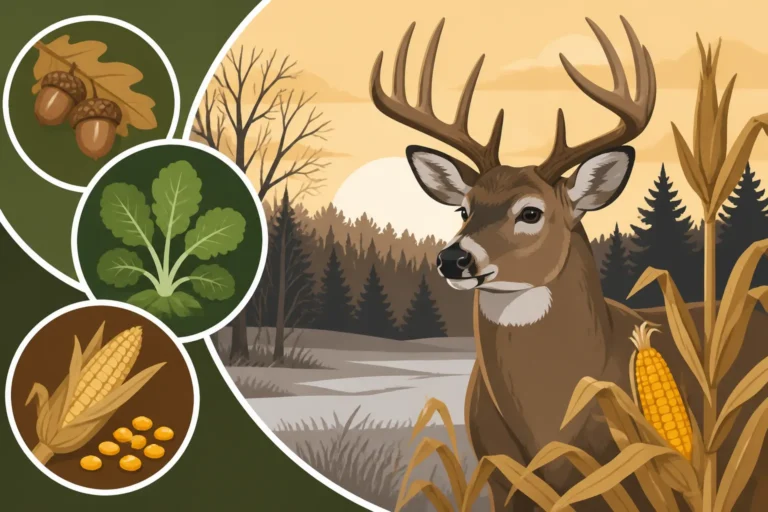
The key to success in any deer season, especially when you're trying to build confidence in a new hunter, is finding where the deer are before the season opens. Deer, including antlerless deer, are creatures of habit. They need food, water, and cover, and they'll establish patterns around these necessities. For the youth antlerless season in mid-October, focus your scouting on areas with good late-season food sources that are still active. This might include standing crops in Hunting a Standing Cornfield in Farm Country, acorns if it's been a good mast year, or even alfalfa fields. Don't forget transition zones between bedding areas and food sources. These "funnels" are natural travel corridors that deer frequently use.
Beyond food, look for dense cover near these food sources. This could be thick cattail sloughs, cedar swamps, heavy popple cuts, or brushy creek bottoms. These areas provide security for deer, especially does with fawns, and they'll often hold up here during daylight hours before venturing out to feed. Pay attention to fresh tracks, droppings, and browse lines – these are all indicators of recent deer activity. During your scouting, make sure to consider potential wind directions for the hunt. An unfavorable wind can quickly spoil even the best-scouted spot. Remember, the goal is to make it as easy as possible for your young hunter to see deer and get a shot, so put in the legwork now.
Utilizing Technology and Public Land Resources
In today's hunting world, technology can be a huge asset, especially for Scouting Minnesota Public Land Before Season. Apps like GoHunt, onX Hunt, and others provide invaluable layers of information that can save you countless hours in the field. Use them to identify property boundaries, locate public land access points like Wildlife Management Areas (WMAs) or State Forests, and pinpoint potential food sources and bedding cover from an aerial perspective. You can often see subtle changes in elevation, old logging roads, or thick brush patches that are hard to spot on foot. GoHunt, for example, allows you to save waypoints and draw routes, making it easy to plan your approach and identify potential stand locations or still-hunting routes.
Beyond mapping apps, don't overlook official public resources. The Minnesota DNR website has interactive maps that show WMAs, State Forests, and even Minnesota Walk-In Access Land (WIA) parcels. WIAs are particularly fantastic for the youth season because they offer private land access without the need for direct landowner permission. They're often smaller parcels that can be less pressured than large state forests, making them perfect for a quiet hunt with a young person. Just make sure to read the specific rules for each WIA parcel, as they can sometimes have unique regulations. Leveraging these tools will give you a significant advantage in finding accessible, productive spots.
Reading the Landscape for Antlerless Deer
Reading the landscape effectively is an art form that comes with experience, but it’s something you can absolutely teach your young hunter, and the early antlerless season is a great time to do it. When you're scouting, look beyond just obvious trails. Antlerless deer, particularly does with fawns, tend to favor thicker cover than mature bucks, especially during daylight hours. Think about areas where they can feel secure but still have relatively easy access to food and water. This might be a dense pocket of conifers on the edge of an open field, a brushy draw winding through agricultural land, or a small island of thick timber within a larger forest.
Focus on identifying "soft edges" – where two different types of habitat meet, like a field edge bordering a swamp or a young clear-cut meeting mature timber. These are natural travel corridors and feeding zones. Also, look for subtle elevation changes, even small ridges or dips, that deer use for concealment or to travel against the wind. When walking, pay attention to the small details: where do trails cross a creek? Are there rubs (even small ones from younger bucks) indicating general deer presence? Are there old scrapes that might get freshened up? The more you learn to interpret these signs, the better you’ll become at predicting deer movement and putting your young hunter in the right place at the right time.
Effective Hunting Tactics for Young Hunters
Once you've done your scouting, it's time to translate that knowledge into a successful hunt. The tactics you employ with a young hunter might differ slightly from a solo adult hunt, prioritizing safety and a positive experience above all else.
Setting Up for Optimal Shot Opportunities
When hunting with a youth, your setup is crucial. You want to maximize their chances of an ethical, confident shot, which often means reducing variables. Ground blinds are an absolute game-changer for youth hunters. They offer concealment, break up human silhouettes, and most importantly, allow for movement and conversation without spooking deer. Imagine trying to keep a 12-year-old completely still and quiet in an open treestand for hours – it's a monumental task! A good ground blind, brushed in properly on a field edge, provides comfort and stability, allowing for a rest for their rifle, which dramatically improves accuracy. We've had great success with Ameristep and Barronett Blinds.
Consider your shot distances. For a young hunter, keeping shots under 100 yards, or even closer if possible, is ideal. Practice at these distances on the range repeatedly until they are completely confident. When you set up, make sure you have clear shooting lanes within that range, free of brush or small trees that could deflect a bullet. Think about the sun's position – you want it at your back, not shining directly into your hunter's eyes. Also, always have an escape route for retrieving game and be aware of your surroundings, especially if hunting on Hunting Pressure on Minnesota Public Land during other seasons.
Still-Hunting and Spot-and-Stalk Approaches
While ground blinds are fantastic, sometimes the deer just aren't moving where you're sitting, or the terrain lends itself to a more active approach. This is where still-hunting and spot-and-stalk can come into play, offering different skill-building opportunities. Still-hunting involves moving very slowly through suitable deer habitat, stopping frequently (often for 5-10 minutes at a time) to scan for deer. This teaches patience, observation, and the importance of using cover to your advantage. It's an excellent way for a young hunter to learn to "read" the woods. You might move only a few hundred yards in an hour, but you’re covering ground and actively looking for game.
Spot-and-stalk, typically more effective in open country like farmland edges or prairie fringes, involves using binoculars or a spotting scope to locate deer from a distance, then carefully planning an approach to get within shooting range. This teaches terrain navigation, wind assessment, and meticulous movement. For either of these tactics, wearing quiet clothing is essential. Layers of wool or soft fleece are far better than noisy synthetics. Always prioritize safety: know where your mentor is, maintain muzzle control, and always be aware of your backdrop before considering a shot. These active methods can be incredibly rewarding, helping a young hunter develop a deeper understanding of deer behavior.
Safety First: Reinforcing Ethical Practices
Hunting safety is paramount, especially when introducing youth to the sport. Before even heading into the field, have a thorough discussion about firearm safety rules: treat every firearm as if it's loaded, always point the muzzle in a safe direction, keep your finger off the trigger until ready to shoot, and be sure of your target and what's beyond it. These aren't just rules; they are life-saving principles that must be reinforced constantly. During the hunt, the mentor's role in maintaining vigilance is critical. Always have a clear understanding of your hunting plan, including where you expect deer to come from and what areas are safe for a shot.
Ethical practices extend beyond just safety. It's about respecting the animal and the hunt. Teach your young hunter the importance of a clean, humane kill. Discuss shot placement extensively, using diagrams or even a target with deer vitals. If a deer is hit, immediately begin tracking. This is a crucial lesson in responsibility. Even if the deer isn't immediately visible, assume a hit and follow up. We discussed Blood Trailing After Dark in Minnesota previously, which details techniques for recovering game even in challenging conditions. The youth early antlerless season is the perfect setting to instill these deeply ingrained ethical principles, fostering a sense of respect for the game and the privilege of hunting.
Essential Gear and Preparation for the Field
Having the right gear and being properly prepared can make all the difference in comfort, safety, and success, especially for a youth hunter. You don't need the most expensive equipment, but reliable, functional gear is non-negotiable.
Choosing the Right Firearm and Ammunition
Selecting the right firearm for a youth hunter is crucial for comfort, confidence, and accuracy. For the Minnesota Youth Early Antlerless Season, a centerfire rifle is generally permitted, as the statewide rifle rules now apply to most areas. When considering Choosing a Rifle Now That Shotgun Zones Are Gone, focus on calibers with mild recoil and rifles that fit smaller frames. A .243 Winchester, 6.5 Creedmoor, or even a .30-30 can be excellent choices. Many manufacturers offer compact or youth models with shorter stocks and barrels, which are much easier for a young person to handle and hold steady. The fit of the rifle is more important than raw power; a well-fitting rifle that a child can comfortably shoot accurately is far more effective than an ill-fitting magnum.
Ammunition choice is equally important. For antlerless deer, a good quality, deer-specific expanding bullet is all you need. Look for cartridges that offer good energy transfer without excessive recoil. Practice extensively at the range with the exact ammunition you'll be using for the hunt. Consistency is key. Many mentors also use shooting sticks or bipods, or even the solid rest of a ground blind window, to help young hunters stabilize their shots. A steady rifle is a precise rifle, and precision leads to ethical harvests. Ensure you have plenty of practice rounds, and then a good box of hunting rounds for the field.
Clothing and Comfort for Early Season Conditions
Mid-October in Minnesota can be a real mixed bag. You could have crisp, cool mornings with sunshine warming up to a pleasant afternoon, or you could get hit with a sudden cold front, rain, or even early snow flurries. Dressing a youth hunter in layers is absolutely critical for comfort and adaptability. Start with a good moisture-wicking base layer to draw sweat away from the skin. Add an insulating mid-layer like fleece, and then an outer layer that is quiet, durable, and ideally water-resistant or waterproof. Remember, youth hunters need to stay warm and dry to remain focused and enjoy the experience. A cold, wet child is a miserable child, and a miserable child isn't learning or having fun.
Don't forget the extremities: warm, waterproof boots are a must, especially if hunting near cattail sloughs or damp areas. Good quality gloves or mittens and a warm hat are also essential, as a significant amount of body heat is lost through the head and hands. Consider a small, comfortable backpack for the youth to carry their own snacks, water, and perhaps a rain jacket. Giving them some responsibility for their gear fosters independence and ownership of the hunt. Brands like Sitka Gear or First Lite offer quality youth lines, but even Cabela's and Bass Pro Shops have great, affordable options for layering that will do the trick.
Field Dressing and Meat Care in Warmer Weather
Successfully harvesting an antlerless deer is only part of the equation; proper field dressing and meat care are essential, especially during the relatively warmer temperatures of mid-October. Unlike late-season hunts where temperatures are consistently frigid, early season can pose challenges for cooling down meat quickly. You need to field dress the deer immediately after the harvest to allow the carcass to cool internally. This involves removing the entrails, which helps dissipate body heat and prevents bacterial growth. If you're on public land, be prepared for this process.
Have a sharp knife (or two!), gutting gloves, and plenty of paper towels or wet wipes on hand. Consider carrying a clean tarp to lay the deer on if the ground is muddy. If you're a long way from the vehicle, a deer cart or game sled can be invaluable for extraction, as we discussed in Dragging a Deer Out of a Slough. Once the deer is out of the woods, getting it cooled quickly is paramount. If you're going straight home, hang it in a cool, shaded area (a garage works well) with good airflow. If temperatures are still warm, you might need to quarter the deer and place the meat in coolers packed with ice for transport. This attention to detail ensures the venison is high quality and delicious for your family's table.
Disclaimer
The information provided in this guide is for general informational and educational purposes only and is not intended as legal advice. Hunting regulations and laws in Minnesota are subject to change. Always consult the most current Minnesota Department of Natural Resources (DNR) hunting regulations and official publications before participating in any hunting activity. Failure to do so could result in fines or penalties. The author and publisher are not responsible for any errors or omissions, or for any loss or damage arising from reliance on this information. Hunt safely and ethically.