Whitewater WMA Trout and Deer Country
There's a special kind of magic in Minnesota's bluff country, a rugged beauty that draws both deer hunters and trout anglers alike. But for those new to the Whitewater Wildlife Management Area (WMA), the prospect of navigating its steep terrain, understanding its unique ecosystem, and figuring out how to enjoy both pursuits can feel a little overwhelming. It's a place where crystal-clear trout streams wind through deep valleys, flanked by hardwood ridges that hold some cagey whitetails, and trying to plan your first visit can leave you wondering where to even begin. This guide will help you understand the dual charm of Whitewater WMA, offering insights into its landscape, the specific challenges and rewards for deer hunters, and the tranquil joy of trout fishing, ensuring your trip to this southeastern gem is both productive and enjoyable.
The Unique Tapestry of Whitewater WMA: Bluffs, Streams, and Forests
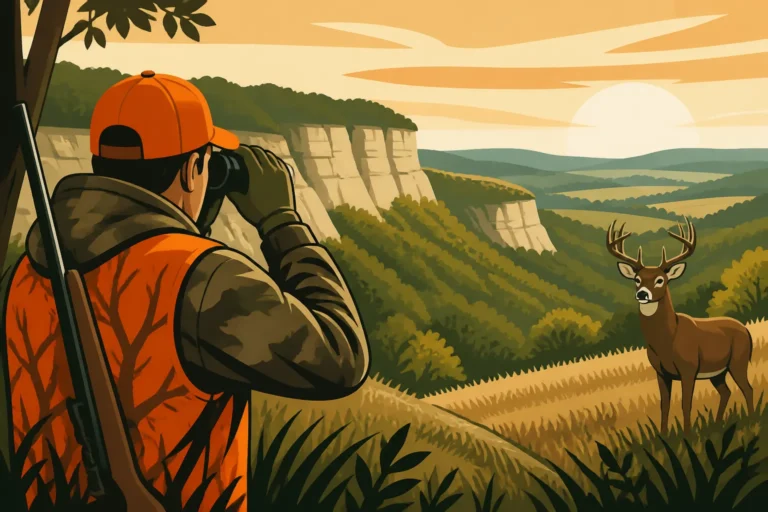
The Whitewater Wildlife Management Area isn't just another patch of public land; it's a testament to the dramatic geology and rich biodiversity of Minnesota's Driftless Area. This region, spared by the last glaciation, features deeply carved valleys and steep, forested bluffs, creating a landscape unlike much of the rest of the state. It's this unique topography that defines the hunting and fishing experiences here, offering both incredible challenges and profound rewards.
Topography and Habitat Diversity
Imagine walking through a mature oak-hickory forest, the ground crunching with fallen leaves, only to suddenly find yourself at the edge of a steep bluff plunging down to a valley floor where a cold, clear stream burbles over rocks. That's Whitewater. The WMA covers thousands of acres, characterized by these dramatic elevation changes. The uplands are primarily forested with hardwoods like oak, maple, and basswood, interspersed with some cedar thickets that provide critical thermal and security cover for deer, especially as winter approaches. These diverse forest types offer a bounty of food sources, from acorns in the fall to browse throughout the year, sustaining a robust deer population.
Down in the valleys, the defining feature is the namesake Whitewater River and its tributaries. These aren't your typical slow-moving prairie rivers; these are classic spring-fed trout streams, cold and oxygen-rich year-round, making them prime habitat for brown and brook trout. The stream banks are often lined with tag alders and willows, providing shade and cover for fish, while the surrounding wetlands and floodplain areas can hold pockets of thick cover that deer utilize, especially during archery season. Understanding this vertical and horizontal diversity is key to unlocking the WMA's potential.
Navigating Public Access and Layout
Accessing Whitewater WMA can be both straightforward and a bit tricky, depending on where you plan to go. The main river valleys, particularly the Whitewater River and its Middle and North Branches, are relatively accessible with several designated parking areas along county roads. These spots often serve as popular entry points for trout anglers. However, once you venture away from the main roads and into the bluff country, access becomes more demanding. Expect steep climbs and descents, often with faint or non-existent trails. Using a robust mapping app like onX Hunt is absolutely critical here to understand property boundaries, identify potential access routes, and mark key features like springs, bedding areas, or secluded fishing holes. It can mean the difference between getting lost and finding that hidden gem.
The WMA is a patchwork of state-owned land, often bordered by private parcels. Always be mindful of boundary lines, especially when cresting a ridge or following a game trail. While the main WMA is clearly marked, adjacent state forest land and even some private conservation easements can blur the lines on a basic paper map. Double-checking your location frequently with a reliable GPS or mapping app will prevent accidental trespassing and ensure you're hunting or fishing legally within the public boundaries.
Deer Hunting the Steep Bluffs of Whitewater WMA
For many Minnesota hunters, the Whitewater WMA is synonymous with challenging, yet rewarding, whitetail hunting. This isn't flat farm country or easy logging roads; it's a place where deer use the vertical landscape to their advantage, and hunters must be prepared to earn their success. The combination of steep terrain, thick cover, and the unique pressure dynamics makes for a hunt that demands both physical stamina and strategic thinking.
Scouting and Strategy in Bluff Country
Scouting is paramount in Whitewater, perhaps more so than in flatter regions. Deer here are masters of using topography for security. They'll bed on points or benches high on the bluffs, where they can see and smell danger approaching from multiple directions. Reading a Ridge for Northern Minnesota Deer tactics apply well here, even though it's southeastern Minnesota. Look for natural funnels created by steep draws, saddles between ridges, and transitions between different cover types (e.g., dense cedar thickets meeting open hardwoods). These are prime areas for setting up a stand or planning a still-hunt. Remember, the deer aren't just moving horizontally; they're constantly traversing up and down the bluffs, so understanding thermals and wind currents is absolutely critical. Wind and Thermals on a Minnesota Ridge will dictate deer movement and your approach.
When you're out scouting, pay close attention to water sources. While the streams are primarily for trout, small springs or seeps higher on the bluffs can be crucial attractors for deer, especially during dry periods. With mapping tools like onX Hunt, you can mark these features, along with any historical deer sign you find – rubs, scrapes, and heavy trails. Consider using a topo map overlay to visualize the contour lines and identify subtle benches or saddles that might not be obvious on a flat aerial view. Planning your entry and exit routes to minimize disturbance is equally important; deer will quickly pattern hunters who use predictable paths.
Hunting Pressure and Timing
Whitewater WMA, being a popular public land destination, can experience significant hunting pressure, particularly during the opening weekends of firearm season. This pressure isn't necessarily a bad thing, but it means deer often become nocturnal or move to the thickest, nastiest cover they can find. If you're hunting during these peak times, focus your efforts on areas that are difficult to access, either by enduring a long, steep hike or by navigating dense brush that deters other hunters. Deer will often gravitate to these sanctuaries.
Later in the season, or during less-pressured times like the archery season, you might find deer more willing to move during daylight. The rut, typically peaking in early November, offers excellent opportunities for calling and rattling. Hunting the Peak Rut in Early November can be a game-changer if you understand how to use calls effectively in this hilly terrain. Also, don't overlook the potential for late-season hunting. After firearm season, many hunters pack it in, but deer are still present and often seeking out remaining food sources, like acorns or persistent browse. If snow has fallen, Tracking a Deer in Fresh Minnesota Snow can be an incredibly effective, albeit physically demanding, tactic in this landscape.
Weapon Choices for the Terrain
Given the steep inclines, dense woods, and often short-range shots, your weapon choice for Whitewater WMA deer hunting should prioritize maneuverability and reliable knockdown power. For archers, both vertical bows and crossbows are excellent choices. Crossbow Versus Vertical Bow in Minnesota can be a personal preference, but either can be effective for the typical shot distances, which are often under 30 yards. Focus on broadhead accuracy and silent movement.
During firearm season, with the recent changes in Minnesota allowing rifles statewide, you have more options. However, even with rifles now legal, many hunters still opt for traditional slug guns or straight-wall cartridges, especially if they're used to the older regulations or prefer the reduced range in the thick cover. A compact rifle in a moderate caliber, like a .30-30 or a 6.5 Creedmoor, can be ideal, offering good handling in dense timber and sufficient power for whitetails. Choosing a Rifle Now That Shotgun Zones Are Gone provides a deeper dive into this. Regardless of weapon, familiarity with your setup and practicing at realistic ranges for this environment is crucial.
| Feature | Deer Hunting | Trout Fishing |
|---|---|---|
| Primary Habitat | Hardwood bluffs, cedar thickets, brushy draws | Spring-fed streams, undercut banks, riffles |
| Target Species | White-tailed deer (brown, brook) | Brown trout, Brook trout |
| Best Season | Fall (archery, firearm, muzzleloader) | Spring, Early Summer, Fall (cooler water) |
| Key Challenge | Steep terrain, pressure, thermals, access | Navigating brush, stream access, wary fish |
| Primary Tool | Mapping app (onX Hunt), sturdy boots, climbing gear | Fly rod/spin gear, waders, polarized sunglasses |
| Physical Demand | High (steep climbs, long walks) | Moderate (wading, navigating brush) |
Chasing Trout in the Whitewater River System
While the bluffs draw deer hunters, the valleys of Whitewater WMA are a different kind of sanctuary: a cold-water haven for trout anglers. The Whitewater River system is renowned for its excellent populations of brown and brook trout, offering some of the best stream fishing opportunities in Minnesota.
The Spring-Fed Trout Streams
The heart of Whitewater's trout fishery lies in its spring-fed streams. The main stem of the Whitewater River, along with its Middle Branch and North Branch, are designated trout streams. These waters maintain consistently cold temperatures year-round, thanks to numerous cold-water springs bubbling up from the limestone bluffs. This constant influx of cold, clean water creates an ideal environment for trout, fostering healthy aquatic insect populations that form the base of the food chain. The streams themselves are a mix of riffles, runs, and deeper pools, often with undercut banks and fallen timber providing perfect hiding spots for wary trout.
You'll find both wild and stocked trout here. Brown trout are abundant, known for their wariness and strength, providing a challenging fight. Brook trout, often smaller but strikingly beautiful, are also present, especially in the colder headwaters and smaller tributaries. Understanding the stream structure and where trout are likely to hold is crucial. Look for seams where faster water meets slower water, behind large rocks, or under overhanging vegetation.
Gear and Tactics for Stream Trout
Trout fishing in Whitewater WMA is primarily a wade-fishing endeavor. A pair of comfortable waders is almost essential, allowing you to move freely upstream or downstream to access different sections of the river. For gear, you have a couple of main options: fly fishing or spin fishing.
Fly fishing is incredibly popular here, and for good reason. The abundant insect life means trout are often looking up for dry flies or feeding subsurface on nymphs and emergers. A light 3- or 4-weight fly rod is perfect for the intimate nature of these smaller streams, allowing for delicate presentations. If you're spin fishing, opt for ultralight gear with a light line (2-4 lb test). Small inline spinners, micro jigs, or tiny stick baits are often very effective. The key is presenting your lure naturally and subtly, as these trout can be incredibly spooky. Stealth is your best friend; approach holes slowly and cast from a distance. Knowing the different Minnesota Spring Turkey Zones and Periods might seem unrelated, but understanding seasonal public land use can help you pick times when angler pressure is lower, leading to more productive fishing.
Regulations and Catch-and-Release Practices
Minnesota's trout streams often have specific, and sometimes localized, regulations that differ from general fishing rules. It's absolutely vital to check the current fishing regulations for the Whitewater WMA before you go. Some sections might have special limits, tackle restrictions, or designated catch-and-release-only areas. These regulations are designed to protect the fragile trout populations and ensure sustainable fishing for future generations.
Many anglers, even in areas where harvest is permitted, practice catch-and-release to preserve the fishery, especially for larger, older trout. If you do plan to keep fish, handle them minimally and humanely. Using barbless hooks can make releasing fish much easier and less stressful for the trout. This responsible approach ensures that Whitewater WMA continues to be a vibrant trout fishery for years to come.
Co-Existing on Public Land and Essential WMA Guidelines
Whitewater WMA is a prime example of multi-use public land, meaning hunters, anglers, hikers, and other outdoor enthusiasts all share the same space. Respect and awareness are key to ensuring everyone has a safe and enjoyable experience.
Understanding Dual-Use Rules and Safety
During hunting seasons, especially firearm deer season, the presence of hunters means specific safety precautions are in order for everyone, including anglers and hikers. If you are hunting, be sure to wear appropriate blaze orange. How Much Blaze Orange Minnesota Requires is a crucial detail, ensuring you're visible to other hunters. If you're primarily fishing or hiking during hunting seasons, wearing blaze orange is also highly recommended, even if not legally required for your activity, simply as a matter of common sense and safety. It's a small concession that can prevent serious accidents.
It's important to understand that hunters have a legal right to be there, as do anglers. A little courtesy goes a long way. If you're a hunter, avoid setting up a stand directly overlooking a popular fishing spot. If you're an angler, be aware of your surroundings, especially during early morning or late evening when deer hunters are often moving to or from stands. Using a mapping application like onX Hunt can help you identify parking areas and popular access points for both activities, allowing you to choose less-congested areas if you prefer solitude. While GoHunt is primarily known for its Western big game research and data, it also offers valuable insights into general hunting strategies and ethical considerations that are applicable to all hunters, regardless of location, reinforcing the importance of respecting other users of public land.
General WMA Guidelines and Responsible Use
Beyond specific hunting and fishing regulations, there are general guidelines for using any Wildlife Management Area. These are designed to protect the resource and ensure everyone has a positive experience. Always park in designated areas, or ensure your vehicle is completely off the roadway if no designated parking is available. Motorized vehicle use is typically restricted to established roads and parking lots; venturing off-road is usually prohibited.
The "Leave No Trace" principles are particularly important in a place like Whitewater. Pack out everything you pack in, including spent shell casings, fishing line, and food wrappers. Avoid disturbing natural features or damaging vegetation. Treestands and ground blinds often have specific regulations regarding how long they can be left up or what materials can be used; make sure to consult the Minnesota DNR WMA rules. By being a responsible steward of the land, you help ensure that Whitewater WMA remains a pristine and productive outdoor destination for generations of Minnesotans. Scouting Minnesota Public Land Before Season is not just about finding game; it's also about understanding these rules and minimizing your impact.
Disclaimer
This article is for general informational purposes only and does not constitute professional advice. Laws, prices and regulations vary by location and change over time. Consult a qualified professional for guidance on your specific situation.