Minnesota Wildlife Disease Monitoring
Minnesota wildlife disease monitoring protects wild populations, sustains hunting traditions, and informs public health safety measures.
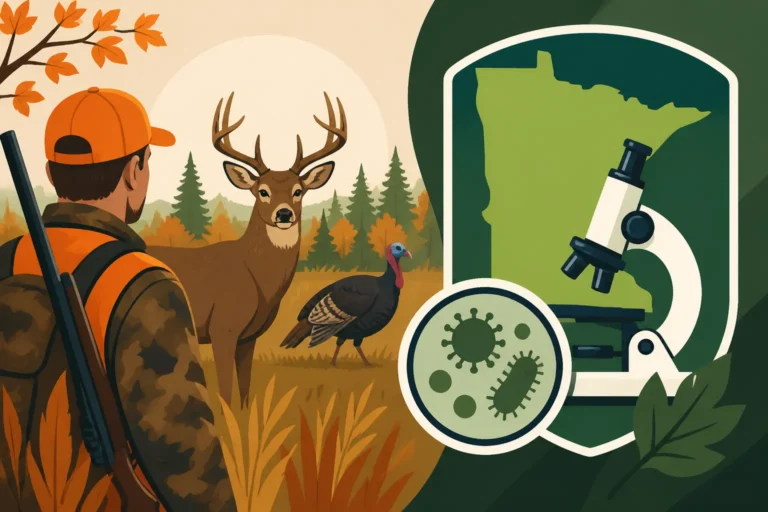
Minnesota wildlife disease monitoring protects wild populations, sustains hunting traditions, and informs public health safety measures.

Reporting sick or injured wildlife in Minnesota helps the Department of Natural Resources track diseases and protect populations.
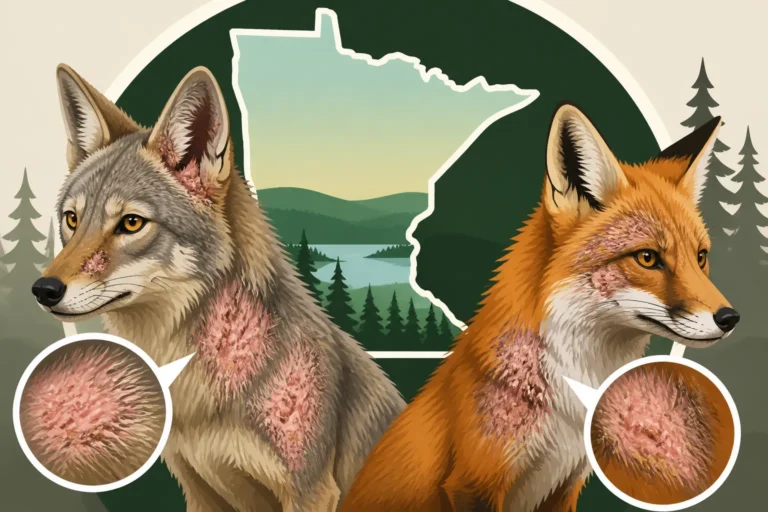
Sarcoptic mange in Minnesota coyotes and foxes is caused by microscopic mites that create severe hair loss and crusty skin.
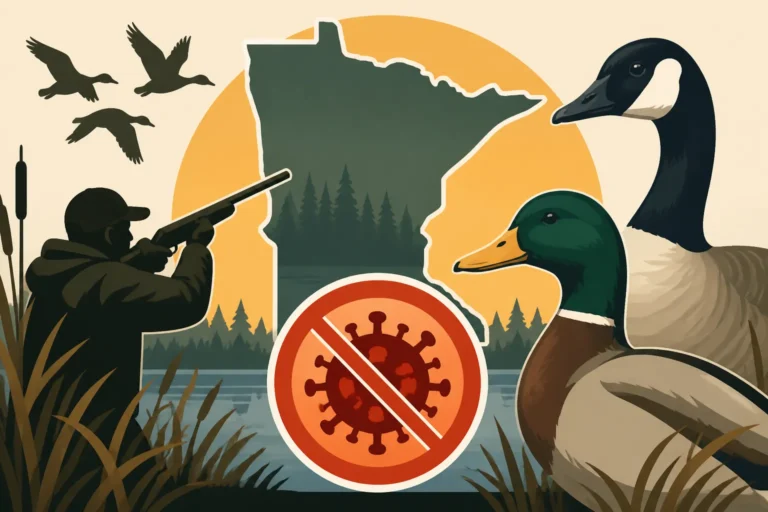
Avian influenza in Minnesota affects wild birds and commercial poultry, spreading through migratory waterfowl on the Mississippi Flyway.

Feral swine sightings in Minnesota reveal invasive domestic pigs, disease risks, and habitat damage from neighboring states.

Minnesota duck harvest numbers and data collection methods help hunters interpret statistics and plan waterfowl seasons.
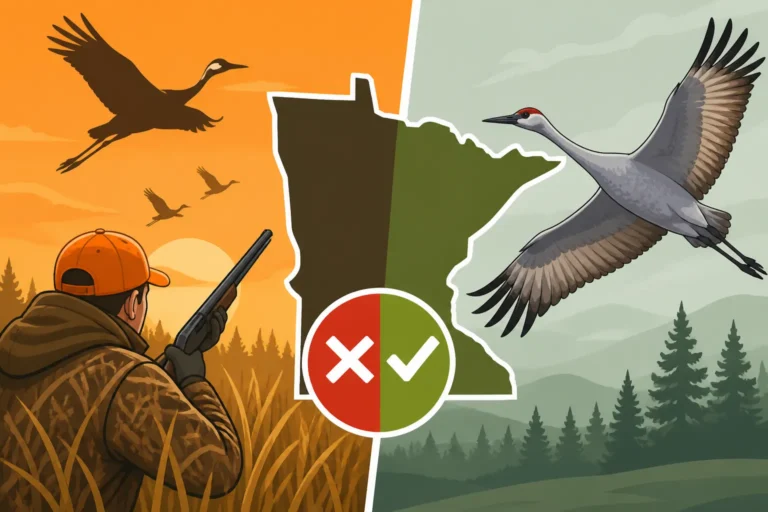
Minnesota Sandhill Crane hunting regulations, federal approval processes, and public debate over establishing a new game bird season.

Minnesota sandhill crane population numbers, historical decline, and conservation success stories across state wetlands and prairies.

Resident Canada goose populations in Twin Cities parks create urban nuisances, but regulated hunting helps manage numbers.

Minnesota Canada goose population history, current survey trends, and management strategies offer hunters insights into thriving local birds.