Feral Swine Sightings in Minnesota
The thought of something threatening Minnesota's cherished wild landscapes and game populations is enough to make any outdoor enthusiast uneasy. While thankfully not established here, the growing presence of feral swine in neighboring states means we must be vigilant. This guide will walk you through what these destructive animals are, why they're such a concern, how you can help identify them, and the crucial steps to take if you ever encounter one in the wild.
Understanding the Threat: What Are Feral Swine?
When we talk about feral swine, it's easy to picture a wild boar from some far-off land, but the reality is often much closer to home. These aren't native animals, but rather domestic pigs that have either escaped or been intentionally released and have adapted to survive and reproduce in the wild. They are incredibly hardy, intelligent, and reproduce at an astonishing rate, making them a formidable invasive species wherever they take hold. The term "feral swine" covers a spectrum from true Eurasian wild boar hybrids to simply domestic hogs that have "gone wild" over a generation or two. Their physical characteristics can vary widely, but their impact on the environment is uniformly devastating.
Defining Feral vs. Domestic Swine
The line between a domestic pig and a feral hog can blur, especially after a generation or two in the wild. Domestic pigs are typically bred for specific traits like fast growth, calm temperament, and larger litters, often raised in confined settings. Feral swine, however, have reverted to a wilder state. They develop thicker coats, longer snouts, and often prominent tusks, which are actually elongated canine teeth. Their bodies become leaner, more muscular, and designed for survival in harsh conditions. While a pig that just escaped a farm might look like a domestic pig, its behavior will quickly become wild, and its offspring will show increasingly wild characteristics. It's not just about looks; it's about their survival instincts and their impact on the ecosystem.
Why They're a Problem for Minnesota
The thought of feral swine running rampant in Minnesota's woods, wetlands, and farmlands should send a shiver down any hunter's spine. These animals are a biological bulldozer, causing immense damage wherever they go. They root up vast areas of ground looking for food, destroying crops, degrading critical wildlife habitat, and increasing soil erosion. Imagine the pristine grouse coverts or the rich bottoms favored by deer turned into a plowed field overnight. This isn't just an aesthetic concern; it directly impacts the food sources and shelter for native species. Our deer herd, for example, relies on a healthy forest floor and intact agricultural fields; feral swine could drastically alter that. They're an agricultural nightmare, too, often preying on young livestock and consuming vast amounts of cultivated crops, leading to significant economic losses for farmers.
Beyond habitat destruction and agricultural damage, feral swine are vectors for a host of diseases. They can carry and transmit diseases like African Swine Fever, Classical Swine Fever, brucellosis, leptospirosis, and pseudo-rabies. These diseases pose a direct threat not only to domestic livestock operations, potentially devastating our pork industry, but also to native wildlife populations like white-tailed deer and even Minnesota's Black Bear Population. The presence of these diseases could trigger wide-ranging quarantines and severely impact our ability to hunt and manage game animals. It’s a cascading problem that touches every part of our outdoor heritage and rural economy.
Recent Sightings and Minnesota's Proactive Approach
While Minnesota does not have established breeding populations of feral swine, isolated sightings have occurred, typically near the state's borders. These sporadic incidents are usually linked to escapees from domestic operations or animals moving across state lines. The key here is "isolated" – Minnesota has been highly proactive in preventing these animals from ever getting a foothold. This isn't a situation like, say, some of our southern states where feral hogs have become an undeniable part of the landscape. We're fighting to keep them out, and so far, that vigilance has paid off.
Where Have They Been Spotted
Historically, any confirmed sightings have been rare and typically in areas adjacent to states or provinces where feral swine populations exist. This often means border counties, particularly in the southwest or northwest. These aren't widespread movements but usually individual animals or very small groups. The important distinction is that these animals haven't been observed reproducing or establishing territories. Each sighting is treated as an urgent, isolated incident, rather than evidence of a burgeoning population. This isn't the same as tracking Minnesota Deer Population Estimate across different permit areas; it's about intercepting a threat before it can become established.
The State's Strategy to Prevent Establishment
Minnesota has adopted an aggressive, zero-tolerance policy towards feral swine. The core philosophy is eradication, not management. This means that if a feral swine is detected, the goal is to remove it as quickly and thoroughly as possible. This approach is rooted in understanding the rapid reproductive rates and destructive potential of these animals. Prevention involves active monitoring, public education, and rapid response protocols. Authorities work with landowners, farmers, and hunters to ensure that any sightings are immediately reported, triggering a coordinated response. This strategy prevents small, isolated groups from growing into large, uncontrollable populations like those seen in states further south. It’s a testament to the state’s commitment to protecting its natural resources and agricultural interests.
Furthermore, state agencies regularly conduct surveillance and outreach, often using tools and information from organizations focused on wildlife management. While you might use a powerful app like GoHunt to scout for your next deer hunt or analyze public land access, the state's efforts against feral swine involve specialized teams and protocols. They're looking for evidence of rooting, tracks, and direct sightings. This proactive stance is critical because once feral swine establish a breeding population, complete eradication becomes incredibly difficult, if not impossible. We all play a part in keeping Minnesota feral swine-free.
Identifying Feral Swine: What to Look For
Spotting a feral swine isn't always as obvious as seeing a cartoon wild boar. They can vary quite a bit in appearance, depending on their genetic background. However, understanding their common traits and the signs they leave behind is crucial for early detection, which is our best defense against them establishing a presence here. Don't assume every pig-like animal you see is domestic; sometimes, those subtle differences are exactly what you need to pick up on.
Key Physical Characteristics
When you're out in the woods, especially in areas where agriculture meets wildlands, keep an eye out for these tell-tale signs:
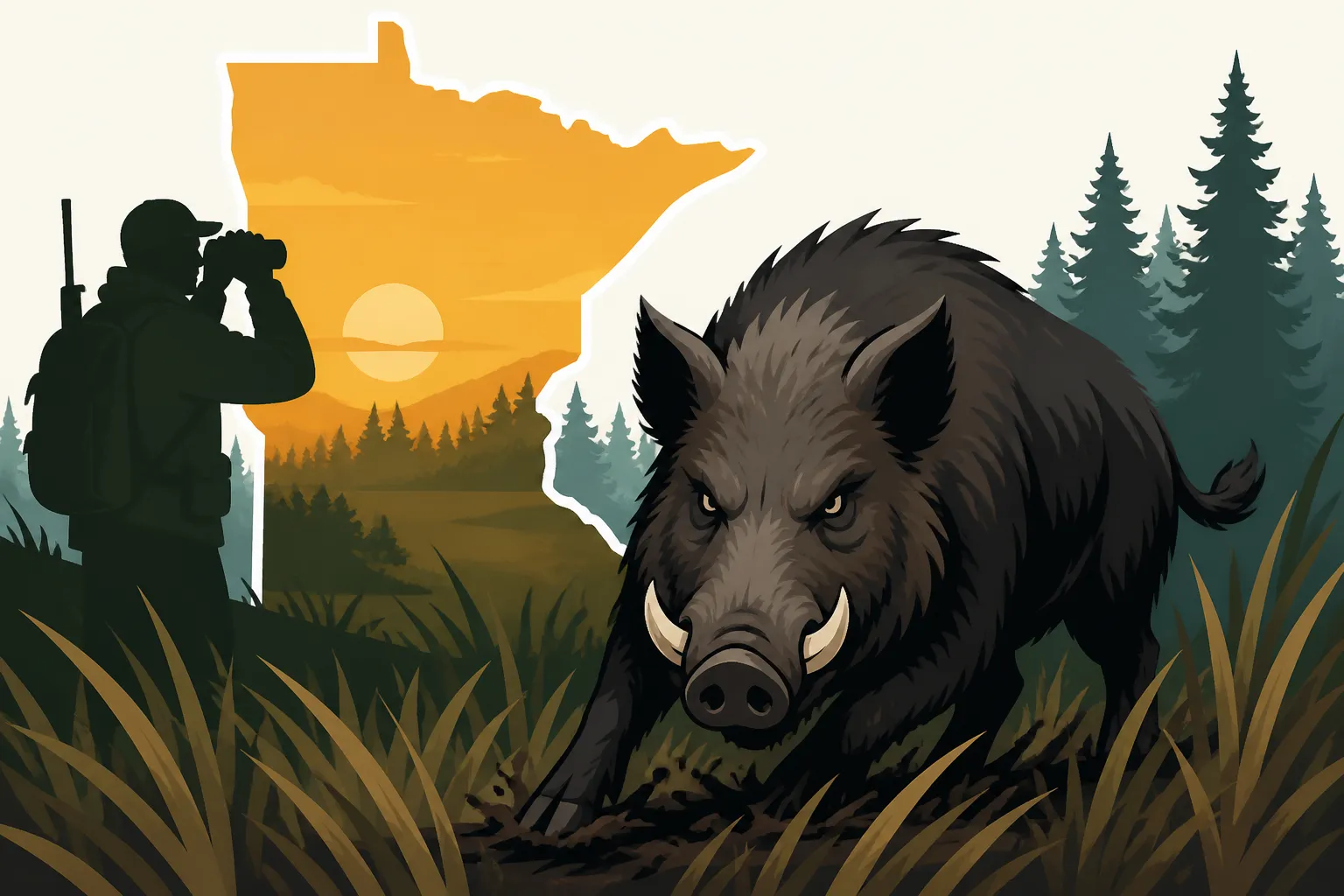
- Coloration: Often dark brown, black, or mottled. Unlike many domestic breeds, they typically don't have pink skin or uniform color patterns.
- Body Shape: Leaner, more muscular build than a typical farm pig. Their shoulders can be noticeably higher than their hindquarters.
- Snout: Longer, more elongated snout, well-suited for rooting in tough soil.
- Tusks: Both males and females can develop tusks (elongated canine teeth). Males often have more prominent ones that can curl out from their mouths. These are formidable weapons and tools for rooting.
- Hair: Coarse, bristly hair, often thicker than that of domestic pigs. Sometimes they'll even have a mane down their spine.
- Tail: Usually straight, not curled like a domestic pig's tail.
If you're observing an animal, try to note these features. Even if it looks like a "farm pig," if it's exhibiting wild behavior and has some of these traits, it warrants a closer look.
Signs of Their Presence
Feral swine are masters of stealth, but they leave behind a distinct trail of destruction. Knowing what to look for on the landscape can be just as important as direct sightings.
- Rooting: This is perhaps the most obvious sign. They'll use their strong snouts to dig up soil, creating distinctive disturbed patches that look like a rototiller went through the area. This can happen in forests, crop fields, pastures, and even along stream banks. It's a clear sign of their feeding behavior and can devastate vegetation and Minnesota Wildlife Management Areas.
- Wallows: Feral swine love to cool off and remove parasites by rolling in mud or wet soil, creating distinct wallows. These are usually muddy depressions, often near water sources.
- Rubs: They'll rub against trees, fence posts, or rocks to remove mud, parasites, and shed hair. Look for mud stains and coarse hair left on these surfaces, often at a low height.
- Tracks: Their tracks resemble those of domestic pigs, but understanding the context is key. They have a cloven hoof, similar to deer, but usually rounder and wider. The dewclaws (side toes) are often visible in their tracks, especially in soft ground, and generally register further out to the side compared to a deer's.
- Scat: Their droppings are highly variable, depending on their diet. They can look similar to deer scat but often appear clumpier or more cylindrical.
- Travel Corridors: They create well-worn paths through dense vegetation, much like deer or bears, especially leading to food sources or water.
Being attuned to these signs is part of being a vigilant hunter and conservationist. Whether you're scouting for White-Tailed Deer Across Minnesota or looking for new waterfowl spots, always keep an eye out for anything that seems out of place.
What to Do if You Spot a Feral Swine
This is perhaps the most critical section for any Minnesotan who loves the outdoors. Our state's proactive approach depends on every citizen being a partner in detection. Unlike some other game animals, where your primary instinct might be to observe or even pursue, with feral swine, the protocol is very specific and designed for immediate action by trained professionals.
The "See Something, Say Something" Rule
If you see a feral swine or evidence of their presence – whether it's rooting damage, tracks, or a wallow – the absolute first and most important thing you should do is report it immediately. Do not attempt to approach, capture, or shoot the animal.
Here’s why and what to do:
- Safety First: Feral swine, especially large boars or sows with piglets, can be aggressive and dangerous if cornered or threatened. They have sharp tusks and powerful bodies. Your safety is paramount.
- Disease Risk: As mentioned, these animals can carry serious diseases. Direct contact or improper handling could expose you, your pets, or even your livestock to these pathogens.
- Coordinated Response: State agencies have trained personnel and specific protocols for dealing with feral swine. They need to assess the situation, determine if it's an isolated animal or a larger group, and implement an eradication plan. Uncoordinated efforts can scatter animals, making effective removal much harder.
How to Report:
- Take Photos/Video (from a safe distance!): If possible and safe to do so, get clear pictures or videos of the animal(s) or their signs. This evidence is incredibly helpful for identification and verification.
- Note Location: Pinpoint the exact location using a GPS device, a mapping app like GoHunt (which is fantastic for marking waypoints), or detailed landmarks. The more precise the location, the quicker and more effective the response. Note the date and time of the sighting.
- Report Directly: Contact the Minnesota Department of Natural Resources (DNR) or the Minnesota Board of Animal Health (BAH) immediately. Look for their dedicated reporting hotlines or online forms for invasive species or suspicious wildlife. Do not rely on general social media posts or casual conversations to get the word out. This is an urgent matter that requires official channels.
Every report, even if it turns out to be a false alarm, helps maintain our vigilance. This is how we protect our Minnesota Small Game and Upland Bird Seasons, our deer, and our agricultural community.
Why Hunting Feral Swine is Not Advised in Minnesota
This is a point that often raises questions among hunters, and it’s critical to understand the state's stance. In many southern states, hunting feral hogs is encouraged and often unrestricted. However, Minnesota's strategy is fundamentally different because we do not have an established population. The goal is eradication, not simply population control.
Here's why you should not hunt feral swine if you encounter them in Minnesota:
- Risk of Scattering: When individual hunters attempt to shoot a feral swine, especially if they are unsuccessful, the animal can be driven deeper into new areas. This disperses the problem, making it incredibly difficult for trained eradication teams to track and remove them effectively. The last thing we want is to accidentally spread them further into our state forests and Superior and Chippewa National Forest Hunting grounds.
- "Shoot, Shovel, Shut Up" Mentality: In states where they are established, some landowners might try to quietly deal with hogs themselves. In Minnesota, this would be catastrophic. Every sighting needs to be publicly known and officially documented so experts can respond.
- Legal Implications: While rules can change, the general stance has been to prevent any activity that could hinder eradication efforts. Always check current regulations, but the emphasis is on reporting, not individual hunting.
- Disease Monitoring: When a professional team removes a feral swine, they can conduct disease testing. This crucial data helps monitor for pathogens like Chronic Wasting Disease (CWD) or other swine-specific illnesses that could harm our domestic livestock or native wildlife populations. For example, understanding CWD Surveillance Zones in Minnesota is a top priority, and adding another disease vector would complicate matters immensely.
Think of it this way: for most game, hunters are part of the management solution. For feral swine in Minnesota, the state needs hunters to be the eyes and ears, reporting threats so specialized teams can be the solution. Your contribution is vital intelligence, not the pull of a trigger. This collaborative approach is how we protect Minnesota's natural heritage for generations to come.
Disclaimer
This article is for general informational purposes only and does not constitute professional advice. Laws, prices and regulations vary by location and change over time. Consult a qualified professional for guidance on your specific situation.