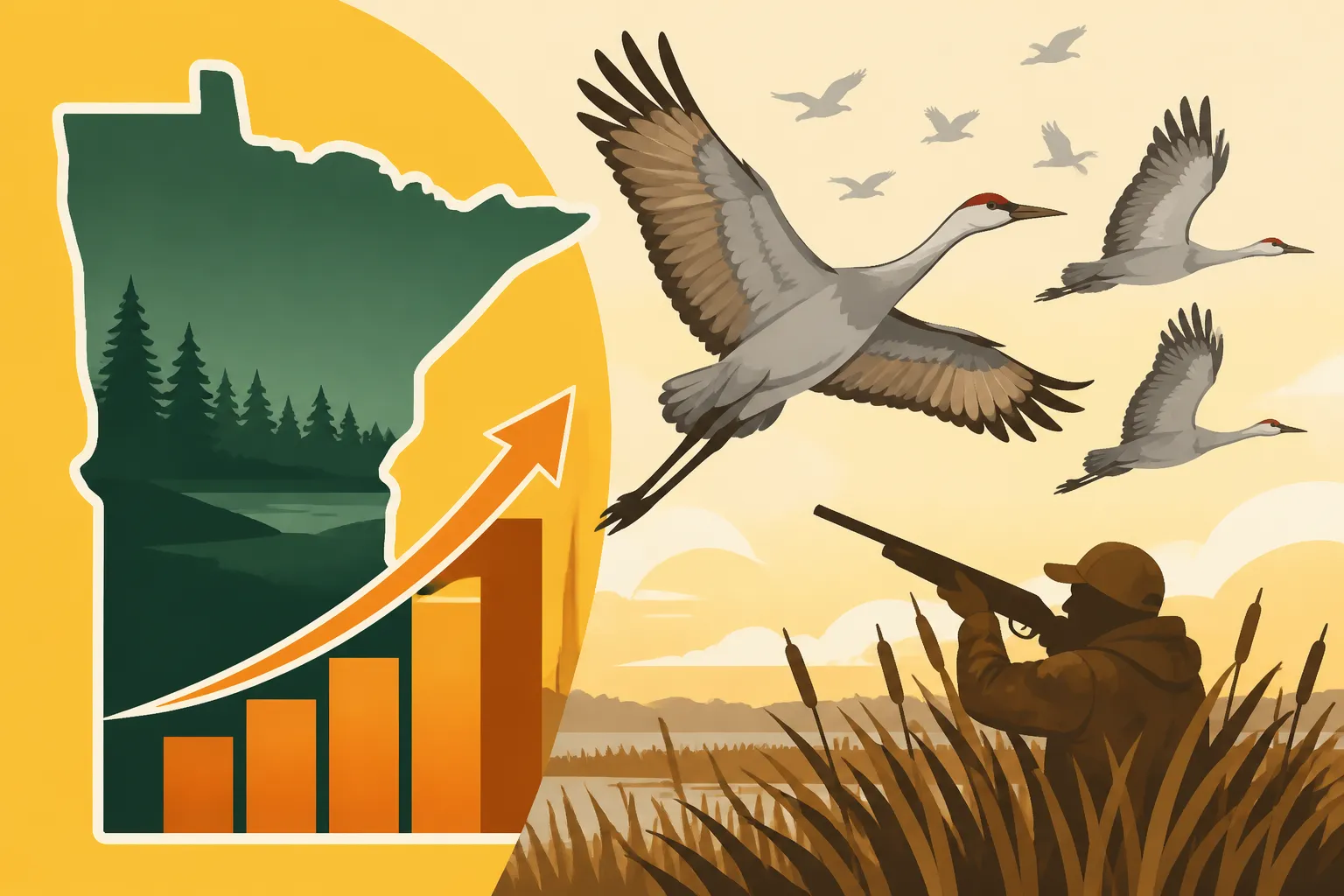
Minnesota Sandhill Crane Numbers
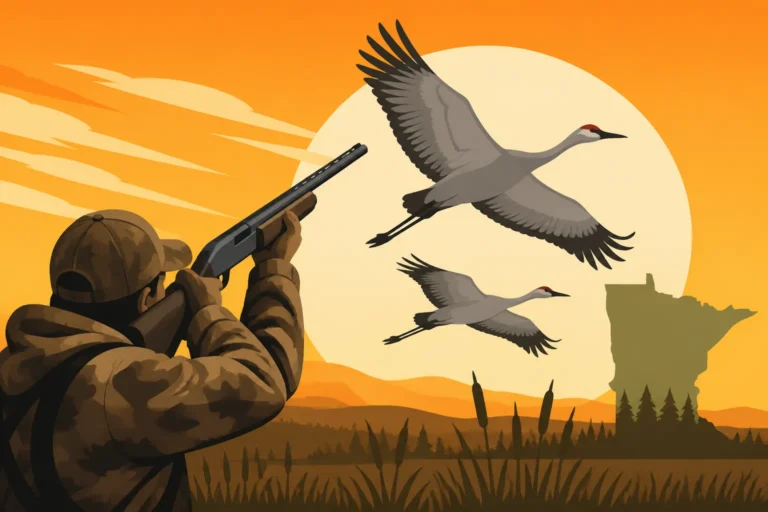
The sight and sound of sandhill cranes, with their prehistoric calls echoing across Minnesota’s wetlands and prairies, are truly unforgettable. For many years, these magnificent birds were a rare treat, but now, more and more hunters and nature enthusiasts are noticing their increasing numbers, leading to a natural curiosity: what's going on with Minnesota's sandhill crane population, and what does it mean for their future here? This guide dives deep into the fascinating story of these majestic birds in our state, exploring their population trends, the factors influencing their success, and the ongoing conversations about their place in Minnesota's wildlife management.
The Resurgence of Sandhill Cranes in Minnesota
It’s easy to take the presence of sandhill cranes for granted now, but it wasn't always this way. For a long time, the sandhill crane was a rare sight in Minnesota, pushed to the brink by habitat loss and unregulated hunting in previous centuries. Their return is a testament to dedicated conservation efforts and a remarkable natural comeback story that has reshaped our understanding of Minnesota's diverse ecosystems.
Historical Presence and Decline
Rewind a century or more, and sandhill cranes were a relatively common breeding bird across Minnesota’s extensive prairie wetlands. Their booming calls, often described as a guttural trumpet, would have been a regular sound in the spring and summer. However, as European settlers moved into the region, vast expanses of wetlands were drained for agriculture, and prairies were converted to cropland. This massive habitat destruction, coupled with market hunting pressure, led to a dramatic decline in crane numbers. By the early 20th century, sandhill cranes were largely extirpated as a breeding species from Minnesota, clinging on only in the most remote corners of the state, primarily in the northwestern peatlands. It was a bleak outlook for these iconic birds, leaving a significant void in our natural soundscape and a stark reminder of human impact.
The historical decline wasn't just about direct take; it was fundamentally about their home being taken away. Cranes are incredibly dependent on shallow wetlands for nesting and rearing their young, and the loss of these critical breeding grounds was devastating. Without secure places to reproduce, even a reduction in hunting pressure wouldn't have been enough to save them. The landscape itself had to begin healing, and attitudes toward conservation had to shift for any recovery to be possible.
Conservation Success Stories
The story of the sandhill crane's return to Minnesota is one of environmental resilience and effective conservation. Beginning in the mid-20th century, a growing awareness of habitat loss led to efforts to preserve and restore wetlands. Organizations, both governmental and non-governmental, began acquiring and managing key parcels of land, establishing wildlife management areas (WMAs) and waterfowl production areas (WPAs). These protected areas, particularly in western and northwestern Minnesota, provided the secure nesting and foraging habitat that cranes desperately needed. Places like the Thief Lake WMA and the Roseau River WMA became crucial strongholds for the returning birds.
The re-establishment of these critical wetland complexes allowed the small, remnant crane populations to slowly begin expanding. As protection efforts increased and populations stabilized in neighboring states and provinces, Minnesota benefited from this regional growth. Cranes, being long-lived and adaptable, began to recolonize their former breeding grounds, often following river corridors and wetland chains. This slow but steady expansion has continued for decades, demonstrating that with proper management and habitat restoration, even species on the brink can make a remarkable comeback. Minnesota Wildlife Management Areas have truly been instrumental in providing safe havens.
Current Distribution and Sightings
Today, sandhill cranes are no longer a rarity in Minnesota; they are a cherished and increasingly common sight. Their breeding range has expanded significantly from those northwestern strongholds, pushing south and east across the state. While the densest breeding populations remain in the vast peatlands of northwestern Minnesota, you can now find cranes nesting in suitable wetlands much further south, even into the central and eastern parts of the state, especially along the Mississippi River corridor. During migration, their numbers swell, and it's not uncommon to see large flocks of hundreds, sometimes thousands, staging in agricultural fields, particularly after harvest, feasting on waste grain before continuing their journey south.
Many Minnesotans now regularly report seeing and hearing cranes near their homes, a welcome change from a few decades ago. Farmers in western Minnesota often see them foraging in their fields, and even suburban residents near large wetlands might spot a pair. This widespread distribution is a clear indicator of a healthy and growing population, making their distinctive calls a more regular feature of our spring and fall soundscapes. Staying aware of their movements and distributions is part of being an informed outdoors enthusiast, and tools like GoHunt often offer mapping and scouting features that can help identify potential crane habitat, even if you’re just looking to observe them.
Understanding Minnesota's Crane Population Dynamics
The comeback of the sandhill crane in Minnesota is a conservation success, but managing their population requires ongoing effort and a deep understanding of their unique ecology. These birds have specific needs, and several factors contribute to the dynamics of their numbers in our state.
Counting Cranes: Survey Methods
Monitoring migratory bird populations, especially one as widespread as the sandhill crane, is a complex undertaking. Wildlife agencies rely on a combination of different survey methods to estimate population numbers and track trends over time. One primary method involves aerial surveys, where trained observers fly specific routes over known breeding and staging areas during key times of the year, counting individual birds or flocks. These surveys are often conducted in spring to estimate breeding pairs or in fall during migration to assess overall numbers. However, the vastness of some of Minnesota's crane habitat, like the remote northern peatlands, can make comprehensive aerial counts challenging.
Ground-based surveys also play a crucial role, particularly for specific population segments. For example, biologists might conduct "singing ground surveys" where they listen for the cranes' distinctive calls at dawn during the breeding season to identify active nesting territories. Additionally, reports from the public, especially keen birdwatchers and hunters observing other species, provide valuable anecdotal data that helps fill in gaps and track range expansion. All these methods, when combined, create a more complete picture of the state's crane population, allowing wildlife managers to make informed decisions about their status and future.
Habitat Needs and Challenges
Sandhill cranes are creatures of the wetland, with a strong preference for shallow, undisturbed marshes, bogs, and wet meadows for nesting. These areas provide the necessary cover from predators and easy access to aquatic invertebrates and vegetation that make up a significant portion of their diet. During migration and in wintering grounds, however, they become highly adaptable, readily using agricultural fields, particularly those with waste grain like corn or soybeans, as crucial foraging sites. The juxtaposition of secure nesting wetlands with abundant agricultural food sources has been a key factor in their successful resurgence in Minnesota.
Despite their success, challenges remain. The ongoing loss and degradation of wetlands due to development, agricultural expansion, and climate change pose a continuous threat. While conservation efforts have restored many areas, the fragmentation of habitat still forces cranes to navigate human-dominated landscapes. Climate change, with its potential for altered precipitation patterns and increased frequency of extreme weather events, could impact water levels in critical nesting wetlands, affecting breeding success. Furthermore, as populations grow and expand into more urbanized areas, increased conflicts with human activity, such as crop damage in agricultural zones, can become a management concern.
Migration Patterns Through Minnesota
Minnesota lies squarely within the Central Flyway, making it a critical migratory corridor for sandhill cranes traveling between their northern breeding grounds and southern wintering areas. In spring, typically from late March through April, thousands of cranes begin to arrive, first in the southern and western parts of the state, then fanning out to their breeding territories further north. It’s a truly awe-inspiring spectacle to witness the long V-formations against the sky, accompanied by their characteristic calls, signaling the arrival of spring.
The fall migration, usually from mid-September through November, is even more spectacular in terms of sheer numbers. As breeding birds from Minnesota and further north in Canada gather, massive flocks congregate in staging areas across western and central Minnesota. These cranes will often utilize large, open agricultural fields during the day for foraging, then move to large, shallow wetlands or open water at night for roosting, seeking safety in numbers. They fuel up on waste grains and insects, building the energy reserves needed for their long journey to wintering grounds in states like Texas, New Mexico, and beyond. Understanding these Minnesota Waterfowl Migration Timing is crucial for anyone interested in migratory bird activity.
The Future of Sandhill Crane Management: To Hunt or Not to Hunt?
The increasing numbers and expanding range of sandhill cranes in Minnesota have naturally led to discussions about their management, including the controversial topic of whether a hunting season should be established. This isn't a simple question, involving biological, ethical, and social considerations.
Historical Precedent and Neighboring States
It's important to recognize that sandhill cranes are hunted in many parts of the United States and Canada. In fact, they are a traditional game bird in numerous states within the Central and Pacific Flyways, including neighboring states like North Dakota and South Dakota. These hunting seasons are carefully managed with strict quotas, limited seasons, and specific permit requirements, much like other migratory game birds. The "whether Minnesota will hunt sandhill cranes" question isn't unprecedented; there's a well-established framework for sustainable hunting of this species where populations can support it.
Historically, before their drastic decline, sandhill cranes were also hunted in Minnesota. Their current protected status is largely a legacy of their recovery needs from severe population lows. As their numbers have rebounded, wildlife managers in other states have demonstrated that controlled hunting can be a tool for population management, similar to how Minnesota Duck Harvest Numbers are managed. The argument for a season often points to this precedent, citing scientific data that indicates many populations can sustain a harvest without jeopardizing their long-term health.
Public Opinion and Ethical Considerations
The idea of hunting sandhill cranes in Minnesota elicits strong reactions, representing a fascinating intersection of conservation, ethics, and tradition. On one side, proponents of a hunting season often cite the species' robust population growth, the precedent in other states, and the potential for new recreational opportunities. Hunters, who contribute significantly to conservation funding through license fees and excise taxes on gear, might see a crane season as a natural extension of responsible wildlife management, especially if local populations are causing agricultural damage. They often argue that regulated hunting is a sustainable use of a renewable resource. A resource like GoHunt might offer community forums or news feeds where such discussions take place, allowing hunters to stay informed on these debates.
On the other hand, many individuals, including some birdwatchers, conservationists, and even non-hunting members of the public, express concerns about hunting such a visibly majestic and historically protected bird. Ethical considerations often revolve around the aesthetic value of cranes, their cultural significance, and the emotional connection people have to them. There's also concern about potential misidentification with endangered whooping cranes, though their appearance and habitat preferences are distinct enough to largely mitigate this risk. Any decision to implement a season would need to navigate these diverse and often deeply held public opinions, necessitating extensive public engagement and education.
Regulatory Hurdles for a Crane Season
Establishing a sandhill crane hunting season in Minnesota isn't just about public opinion or biological sustainability; it involves significant regulatory processes at both state and federal levels. Because sandhill cranes are a migratory bird, their management falls under the purview of the U.S. Fish and Wildlife Service, which sets broad guidelines for migratory bird hunting seasons across the country. Any state proposal for a crane season would need to align with these federal frameworks and demonstrate sustainable management plans. This includes showing that the population can withstand a harvest and that sufficient monitoring is in place. Hunters need to remember the Minnesota Migratory Game Bird Certification and the Minnesota Federal Duck Stamp Requirement for other waterfowl, and similar regulations would likely apply to cranes.
At the state level, the Minnesota Department of Natural Resources (DNR) would need to conduct thorough biological assessments, consult with stakeholders, and go through a public input process. This would involve reviewing data on population trends, breeding success, and migration patterns specific to Minnesota's crane populations. The DNR would also have to consider potential impacts on non-hunting users, manage for any crop depredation issues, and address concerns about public safety. The process is typically slow and deliberate, designed to ensure that any changes in management are based on sound science and broad public acceptance.
Here’s a simplified overview of Sandhill Crane population trends and key factors that influence their presence in Minnesota:
| Trend Phase | Approximate Timeline | Estimated Population Trend | Key Factors | Implications for Minnesota |
|---|---|---|---|---|
| Historical Decline | Late 1800s – Early 1900s | Drastic Decrease | Wetland Drainage, Market Hunting, Habitat Loss | Near Extirpation |
| Early Recovery | Mid 1900s – Late 1900s | Slow, Steady Increase | Wetland Conservation/Restoration, Hunting Regulations, Protected Status | Return to Northern Strongholds |
| Continued Growth | Early 2000s – Present | Significant Increase | Expanded Breeding Range, Abundant Waste Grain, Protected Status Sustained | Widespread Sightings, Management Discussions |
| Future Outlook | Ongoing | Stable to Increasing | Continued Habitat Protection, Climate Impacts, Potential Management Changes | Debates over Hunting Season |
The journey of the sandhill crane in Minnesota is a powerful reminder of how conservation efforts can bring a species back from the brink, transforming them from a rarity to a treasured and common part of our natural heritage. Their increasing numbers prompt important discussions about our role in wildlife management and the balance between conservation, recreation, and ecological responsibility.
Disclaimer
This article is for general informational purposes only and does not constitute professional advice. Laws, prices and regulations vary by location and change over time. Consult a qualified professional for guidance on your specific situation.