Resident Goose Problems in the Twin Cities
If you live anywhere near the lakes, parks, or even golf courses in the Twin Cities metro, you've probably noticed the sheer number of Canada geese that have decided to call our urban and suburban areas home year-round. While their honking can be a charming sign of the wild, the reality is that these resident goose populations are creating real headaches for homeowners, park managers, and local governments alike. This guide dives deep into why these feathered city dwellers have become such a nuisance, the problems they cause, and what strategies—including regulated hunting—can be employed to manage their ever-growing numbers.
Why Our Twin Cities Parks and Ponds Are Goose Havens
It's not just your imagination; there truly are a lot more geese hanging around the Twin Cities than there used to be. These aren't the majestic migrants we often associate with long V-formations honking their way south for the winter. These are "resident" geese, meaning they don't migrate far, if at all. They've discovered that our urban and suburban landscapes offer a pretty sweet deal, a veritable paradise compared to the challenges of the wild. Understanding why they stick around is the first step in figuring out how to manage their growing numbers and the issues they bring.
The Allure of Manicured Landscapes
Think about a typical city park or a suburban golf course. What do you see? Expansive, lush green lawns, often fertilized and irrigated to perfection. Nearby, you'll find calm ponds or decorative water features, perfect for loafing, nesting, and escaping land-based threats. For a goose, this isn't just pretty scenery; it's prime real estate. These areas mimic the open, grassy nesting and feeding grounds they would seek in natural environments, but with significantly fewer dangers. The gentle slopes leading to water offer clear lines of sight for spotting predators, and the short, well-maintained grass is ideal for grazing without having to wade through dense vegetation.
Many of these environments also have little human disturbance in terms of direct threat, allowing geese to become remarkably habituated to people, cars, and even pets. They learn quickly what is and isn't a danger, and in most urban settings, humans are seen as a source of accidental food or simply a mild inconvenience, not a predator. This comfort level translates into higher survival rates for adults and goslings, year after year.
A Buffet of Easy-Access Forage
Beyond the perfect real estate, the Twin Cities metro also offers an endless buffet for a grazing waterfowl species. Those same manicured lawns provide an incredible abundance of nutritious, easily accessible grass. Geese are primarily grazers, and short, tender blades of grass are like prime rib to them. They don't have to work hard to find food, nor do they have to compete extensively with other species in the same way they might in a more natural ecosystem.
Furthermore, many urban and suburban areas inadvertently supplement their diet. Spilled birdseed from feeders, discarded bread crusts from well-meaning park visitors, or even agricultural remnants in outlying suburban fringes provide additional, calorie-rich food sources. This constant, high-quality food supply means geese are well-fed, healthy, and capable of producing more offspring. A quick search using a tool like GoHunt can often reveal areas with diverse forage options that might attract geese, both within and just outside city limits, allowing you to see the scope of their foraging areas.
Safety in the City: Fewer Natural Predators
One of the most significant factors contributing to the explosion of resident goose populations in the Twin Cities is the dramatic reduction in natural predation. In wilder areas, foxes, coyotes, eagles, and even large raptors like owls would actively prey on goose eggs, goslings, and sometimes even adult geese. While we do have some coyotes in the metro, their numbers and impact are often diminished compared to truly wild habitats. Large birds of prey are less common or less effective predators in busy urban environments.
This lack of natural checks and balances allows goose populations to grow unchecked. Without significant pressure from predators, more goslings survive to adulthood, and adult geese live longer, reproducing year after year. It creates a cycle where each generation faces fewer threats, leading to a steady, often exponential, increase in their numbers. This is a critical difference between the geese that migrate through our area and the ones that choose to stay; the migrants face a gauntlet of challenges that keep their numbers more naturally balanced.
The Tangible Costs of Overpopulation: What Geese Leave Behind
While seeing a gaggle of geese waddling across a park can be a pleasant sight, when their numbers swell, the charm quickly fades, replaced by a host of very real problems. These aren't just minor inconveniences; they impact public spaces, private property, and even human health. The frustrations of dealing with constant droppings, aggressive behavior, and damaged landscapes are widespread, making these resident geese a significant management challenge for communities throughout the metro.
Messy Landscapes and Property Damage
Let's be honest, the most obvious and immediate problem caused by an abundance of geese is their droppings. Geese are prolific defecators, and a large flock can turn a pristine park lawn, golf course fairway, or even a private backyard into a minefield of green-black waste in a matter of hours. This isn't just unsightly; it's a genuine nuisance. Walking through these areas means tracking it into homes, cars, and businesses. Picnic blankets, playground equipment, and even public benches become unusable without extensive cleaning.
Beyond the sheer volume of droppings, large flocks of geese can cause significant damage to turf and landscaping. Their constant grazing can denude grassy areas, especially if populations are high. When they pull at grass, they can weaken the root systems, leading to patchy, unhealthy lawns. On golf courses, this translates to divots and inconsistent playing surfaces. In gardens or sensitive ecological areas, their grazing can damage young plants and alter vegetation patterns. The costs of cleanup, turf repair, and deterring them can add up quickly for municipalities and private landowners.
Public Health and Water Quality Concerns
Perhaps less visible but equally concerning are the potential public health and water quality issues associated with large goose populations. Goose droppings contain bacteria like E. coli and Salmonella, which can pose a risk to humans, especially children who play on contaminated grass or anyone who comes into contact with affected water. While direct transmission isn't rampant, the risk increases with higher concentrations of geese.
More broadly, the sheer volume of goose feces can significantly impact local water bodies. Lakes, ponds, and even stormwater retention areas in the Twin Cities can experience elevated nutrient levels (nitrogen and phosphorus) from goose droppings. These excess nutrients act as fertilizer for algae, leading to harmful algal blooms. These blooms not only make the water unsightly and smelly but can also deplete oxygen, harming fish and other aquatic life. They can also produce toxins harmful to pets and humans. Managing the water quality in popular recreational lakes is already a challenge, and an unchecked goose population only exacerbates it.
Aggression and Safety for People and Pets
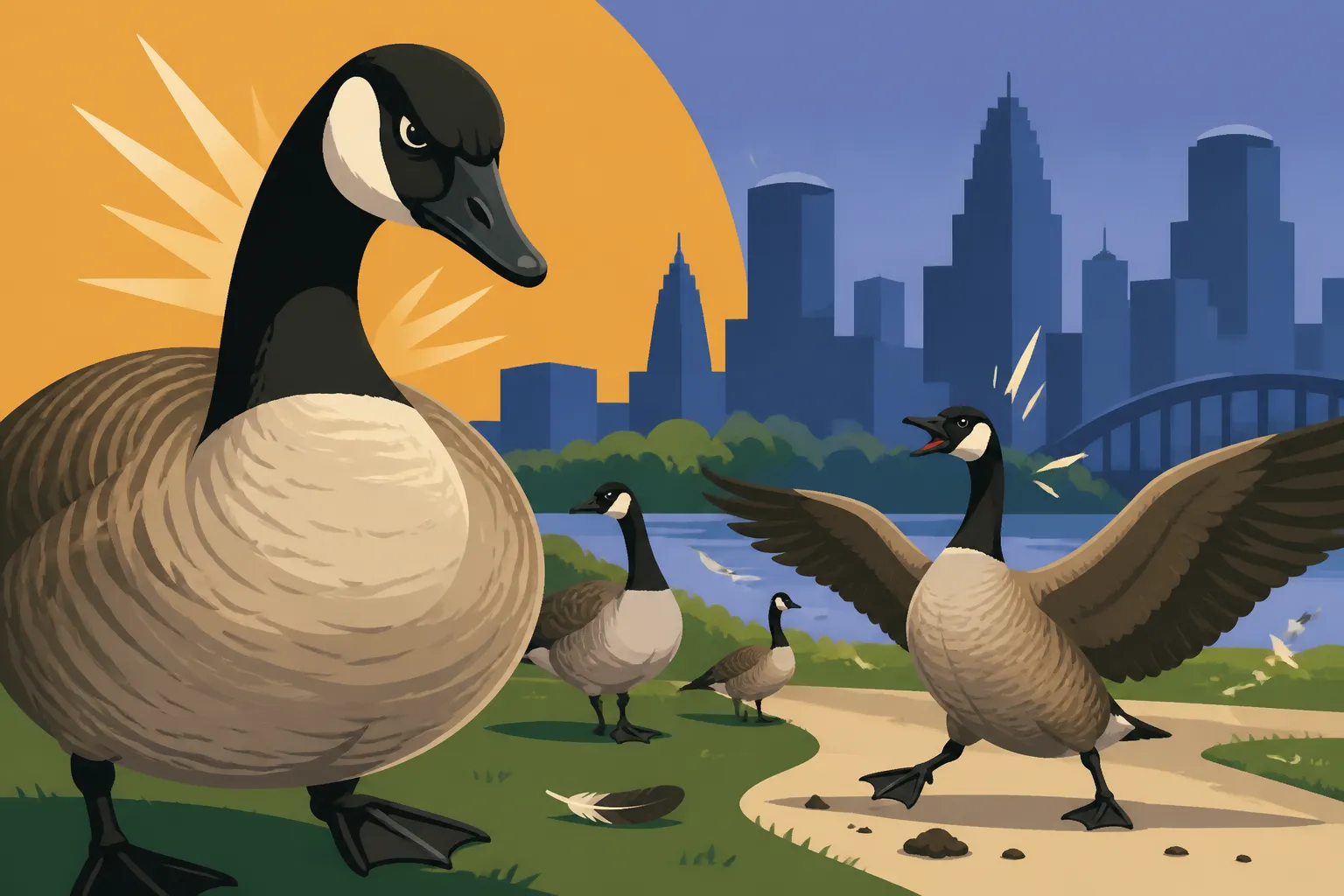
While geese might seem docile from a distance, don't be fooled. During nesting season, typically from March through June, male geese (ganders) can become incredibly aggressive. They will fiercely defend their nests and goslings, hissing, flapping their wings, and even charging at perceived threats. This can include unsuspecting park-goers, children, and pets. These encounters can be frightening, especially for small children or unleashed dogs, and can result in minor injuries from pecking or wing-flapping.
This aggression can make certain areas, particularly around nesting sites, feel unsafe or unwelcoming. For park managers, it means dealing with public complaints and potentially needing to close off sections of parks. Furthermore, large flocks of geese crossing roads can create traffic hazards, especially on busy suburban streets, leading to sudden braking or swerving. The very presence of these large birds in high-traffic areas raises safety concerns that extend beyond just physical encounters.
Strategies for Managing Resident Goose Populations
The problems caused by burgeoning resident goose populations in the Twin Cities are clear, and simply wishing them away won't work. Effective management requires a multi-pronged approach, often combining various techniques to reduce their numbers, deter them from specific areas, and mitigate the damage they cause. It's about finding a balance that allows for coexistence while protecting public spaces and natural resources. Some strategies are non-lethal, focusing on deterrence, while others involve direct population control.
Non-Lethal Deterrents and Habitat Modification
One of the first lines of defense against problem geese is to make an area less attractive to them. This falls under non-lethal deterrence and habitat modification. Instead of flat, manicured lawns that offer easy access to water, landscape designs can incorporate taller, denser vegetation along shorelines. Geese prefer open sightlines to detect predators, so a buffer of taller grasses, shrubs, or native plants can make them feel less secure and less likely to settle.
Furthermore, physical barriers like low fencing or netting can prevent geese from easily walking from water onto lawns. Visual deterrents, such as Mylar balloons, predator effigies (coyote cutouts, for example), or even motion-activated sprinklers, can sometimes scare geese away, at least temporarily. Auditory deterrents, like propane cannons or distress calls, can also be employed, though these often require permits and community cooperation due to noise. The key with all deterrents is variety and consistency; geese are smart and will quickly habituate if the deterrent is always the same or predictable. While tools like GoHunt might focus more on hunting information, understanding goose behavior (and how to deter them) is essential for effective management.
Egg Addling and Nest Management
If deterring adult geese isn't enough, managing their reproductive success is a crucial next step. Egg addling is a widely used, non-lethal method of population control that prevents eggs from hatching without removing the nest or the adult birds. This is important because if nests are simply destroyed, geese will often re-nest and lay more eggs. Addling involves shaking, puncturing, or coating eggs with corn oil, which prevents the embryo from developing. The adult geese continue to incubate the non-viable eggs for the full incubation period, thinking they are still viable, and thus don't re-nest that season.
This method requires permits from wildlife agencies and must be done by trained individuals. It's often most effective when done consistently over several years across a broad area. Combining egg addling with habitat modification can significantly reduce the recruitment of new geese into the resident population, slowly chipping away at their numbers over time. It's a testament to the comprehensive strategies needed to address persistent wildlife issues.
The Role of Controlled Hunts and Depredation Permits
While non-lethal methods are preferred in many situations, sometimes the sheer number of geese or the severity of the problems they cause necessitates more direct population control, especially when dealing with the high numbers discussed in Canada Geese on Minnesota Farmland. This is where controlled hunting programs and depredation permits come into play. Regulated hunting, particularly during special early goose seasons, can be an effective tool for reducing resident goose numbers. These seasons often precede the main migratory waterfowl seasons, specifically targeting the local, non-migratory populations that are causing issues. Hunters participating in these seasons, informed by resources like GoHunt, provide a service by helping to manage overabundant populations.
In areas where traditional hunting might not be feasible or sufficient, such as within certain city limits or on specific private properties, special depredation permits can be issued by state or federal wildlife agencies. These permits allow for the lethal removal of geese outside of regular hunting seasons or by methods not typically permitted, usually under strict conditions and often requiring professional wildlife control operators. These measures are generally considered a last resort after other methods have been attempted or when damage is severe and immediate. This balance between public safety, ecological impact, and ethical wildlife management is a complex issue that local authorities frequently grapple with.
Hunting as a Practical Tool in Urban Goose Management
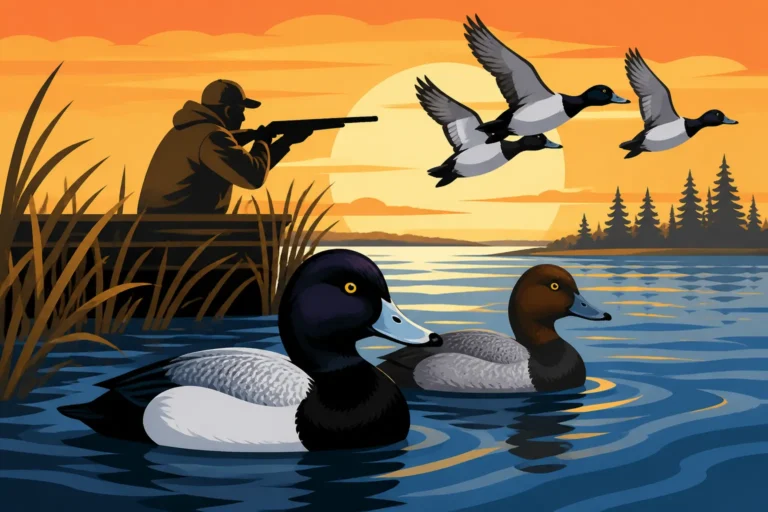
For many, the idea of hunting within or near urban areas might seem unusual or even controversial. However, given the significant challenges posed by resident goose overpopulation in the Twin Cities, regulated hunting can be a highly effective, ecologically sound, and cost-efficient management tool. It's not about eradicating geese but bringing their numbers to a more manageable level that reduces conflicts with human interests. Hunters, when operating under proper regulations and with community awareness, play a vital role in this process.
Understanding Local Ordinances and Opportunities
Hunting in developed areas, even for nuisance species like resident geese, comes with a unique set of challenges, primarily related to local ordinances and safety zones. While the state sets broad Minnesota Waterfowl Zones and Seasons and Minnesota Early Goose Season Dates, individual cities and counties may have their own restrictions on firearm discharge, hunting within city limits, or proximity to dwellings. It is absolutely critical for any hunter considering participating in urban goose management to thoroughly research and understand these local rules. Resources like GoHunt can sometimes help identify regulations or connect you with local hunter-landowner assistance programs.
Opportunities for hunting resident geese in the Twin Cities metro often involve specific, controlled hunts on private lands (with permission), certain public lands that have specific designations, or through special programs coordinated by wildlife managers. These might include hunting on large corporate properties, golf courses, or designated Public Hunting Land in Minnesota or Minnesota Wildlife Management Areas that border urban development, where traditional hunting is allowed and managed for safety. It's rarely a free-for-all, but rather a carefully regulated effort often requiring specific permits or participation in a managed hunt. Always consult official state regulations on Minnesota Shooting Hours and Legal Methods before planning any hunt.
Tactics for Hunting Pressured Urban Geese
Hunting resident geese in and around the Twin Cities requires a different approach than hunting their migratory cousins in wide-open farm fields. Urban geese are often incredibly wary and highly educated about human activity. They are used to people, but they also quickly learn what constitutes a threat. This means traditional large decoy spreads and aggressive calling might not be as effective as a more subtle approach. Hunters often need to be extremely concealed, using natural cover or specialized Layout Blind Hunting Minnesota Farm Fields even in areas that aren't traditional agricultural settings.
Scouting is paramount. You need to know where these geese roost, where they feed, and their flight paths. They often use small, overlooked ponds or industrial park retention basins for roosting, then fly short distances to graze on adjacent lawns. Hunting these flight lines, or setting up on smaller feeding areas with minimal, realistic decoy spreads, can be more productive. Small, mobile setups are often more effective than large, static ones. Patience and meticulous attention to detail regarding camouflage and approach are essential when dealing with geese that are accustomed to human presence but quickly detect anything out of the ordinary. Remember, you'll need your Minnesota HIP Certification for Bird Hunters before heading out.
The Hunter's Role in Community Conservation
Hunters participating in urban goose management aren't just pursuing a game animal; they're providing a critical service to their communities. By helping to control overabundant populations, they contribute directly to reducing property damage, mitigating public health risks, and preserving the aesthetic and ecological health of parks and waterways. This is a practical example of conservation through harvest, where hunting is a necessary tool to maintain ecological balance and alleviate human-wildlife conflict.
Furthermore, these hunts, when conducted safely and ethically, can help foster a better understanding between hunters and the non-hunting public. Educating local residents about the reasons for these managed hunts and the benefits they provide can help address concerns and build support for wildlife management efforts. Hunters, by being responsible and adhering to all local and state regulations, uphold the tradition of ethical hunting while actively contributing to the well-being of their shared environment. It's a way for hunters to give back and be part of the solution to a widespread and frustrating problem.
Goose Management Strategies Comparison
| Strategy | Description | Pros | Cons | Typical Application |
|---|---|---|---|---|
| Habitat Modification | Altering landscapes (e.g., tall grasses, barriers) to deter geese. | Non-lethal, long-term impact, enhances native habitat. | Can be costly, takes time for geese to avoid, requires consistent maintenance. | Parks, golf courses, corporate campuses, private land |
| Non-Lethal Hazing/Deterrents | Using visual, auditory, or physical means to scare geese away. | Non-lethal, immediate (though often temporary) effect. | Geese habituate quickly, can be labor-intensive, noise can disturb neighbors. | Small areas, immediate problem situations |
| Egg Addling/Oiling | Treating eggs to prevent hatching, leaving them in the nest. | Non-lethal, humane, effective for population control over time, adults don't re-nest. | Requires permits, trained personnel, consistent effort over years, public understanding. | Wide areas, nesting sites, metro-wide programs |
| Controlled Hunting Programs | Regulated hunting during specific seasons (e.g., Early Goose Season). | Cost-effective, provides recreational opportunity, immediate population reduction. | Requires safe hunting zones, public education, may not be feasible in dense urban cores. | Suburban fringes, large private parcels, designated public land |
| Depredation Permits | Lethal removal of geese outside regular seasons or by specific methods. | Effective for immediate reduction, targets specific problem individuals/flocks. | Last resort, often requires professional operators, can be controversial, strict regulations apply. | Specific properties with severe damage |
Disclaimer
This article is for general informational purposes only and does not constitute professional advice. Laws, prices and regulations vary by location and change over time. Consult a qualified professional for guidance on your specific situation.