Minnesota Squirrel Harvest Numbers
For many of us who grew up in Minnesota, chasing squirrels was one of our first forays into hunting, a rite of passage that taught us patience, woodsmanship, and how to spot movement in the timber. But as years go by, it's easy to wonder how the overall squirrel population is doing, especially when you're noticing fewer in your favorite woodlot or hearing reports from other parts of the state. This guide is here to shed some light on Minnesota's squirrel harvest numbers, helping you understand the trends, the factors at play, and how you can use this information to better plan your next hunt.
Understanding Minnesota's Squirrel Harvest Trends
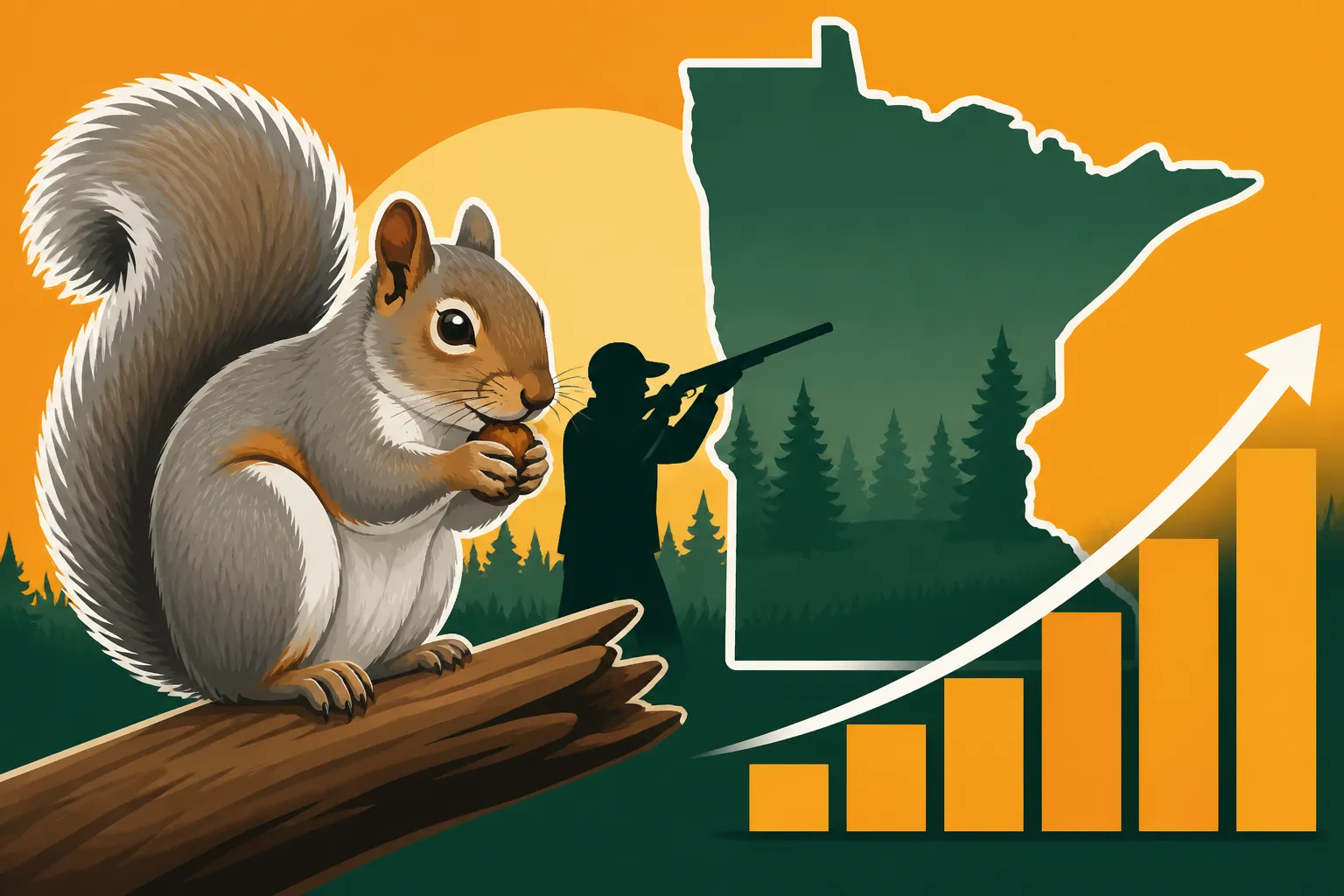
When we talk about Minnesota's squirrel harvest numbers, we're really looking at a snapshot of a much larger ecological picture. It’s not just about how many squirrels hunters bring home, but what those figures tell us about the health and abundance of the gray and fox squirrel populations across our diverse landscapes. Unlike deer or bear, where individual tag numbers and specific zones make harvest tracking very precise, small game like squirrels often sees less granular reporting. However, the Minnesota DNR still collects valuable data through annual hunter surveys, giving us a broad understanding of trends over time.
Historically, Minnesota has always been a fantastic state for squirrel hunting, boasting healthy populations in various habitats. Gray squirrels tend to dominate the hardwood forests, especially in central and northern Minnesota, thriving in mature oak and hickory stands where they can find abundant mast crops. Fox squirrels, on the other hand, are often more adaptable and are found in a wider range of habitats, from farm woodlots and riparian areas in the south to the edges of urban areas. Their numbers fluctuate, as with any wildlife species, influenced by weather, food availability, and hunting pressure. A good mast crop year, for example, often correlates with a strong squirrel population the following season, leading to potentially higher harvest numbers. Conversely, a harsh winter or a poor acorn year can suppress numbers, making for tougher hunting and lower overall take. This cyclical nature is something any seasoned squirrel hunter comes to expect and adapt to.
Interpreting Hunter Survey Data
The primary way we gauge squirrel harvest in Minnesota is through hunter surveys. After the season closes, a sample of licensed hunters are asked to report their hunting activity, including the species they pursued, the number of days they hunted, and the total animals harvested. While this isn't a mandatory check-in for every single squirrel, it provides a statistically significant estimate that allows wildlife managers to track long-term trends. These surveys allow us to see if the overall harvest is going up or down, indicating potential shifts in population dynamics or hunter participation.
For instance, a consistent decline in reported squirrel harvests over several years might signal habitat loss, increased predation, or even changes in hunter interest. Conversely, stable or increasing numbers suggest robust populations and good hunting opportunities. It’s a bit like watching the stock market – you're looking for patterns, not just day-to-day fluctuations. When planning my own hunts, I'll often consider the previous year's general reports. If the word was "squirrels everywhere," I know to prioritize those same oak ridges. If it was a tough year, I might shift my focus to areas with better cover or more consistent food sources. Understanding these broad strokes helps immensely.
Regional Differences in Squirrel Abundance
Minnesota is a big state, and squirrel populations aren't uniform. You might find incredible numbers of gray squirrels in the mature oak forests of the southeast or central regions, while the vast conifer forests of the far north will hold fewer, primarily red squirrels, which aren't typically pursued by hunters in the same numbers. Fox squirrels often thrive in the fragmented woodlots and shelterbelts of the agricultural belt, particularly in western and southern Minnesota. This regional variation means that statewide harvest numbers are an aggregate, and your local experience might be very different from the statewide average.
A hunter focusing on Hunting Minnesota's Fall Turkey Season might notice a different squirrel density than someone hunting far north for ruffed grouse. For example, the southeast bluff country, with its abundant hardwoods, often supports high densities of both gray and fox squirrels, leading to a consistently good harvest potential there. In contrast, parts of the Arrowhead region, dominated by boreal forests, simply don't have the same habitat to support large populations of the more common bushytail species hunters pursue. This is why local scouting and paying attention to your specific hunting area is always more valuable than just looking at a statewide figure. Using a tool like GoHunt to scout aerial photos of potential public lands can really help identify prime oak or hickory stands, which are key to finding good squirrel numbers.
Factors Influencing Squirrel Harvest Success
Harvest success for squirrels isn't solely dependent on the number of squirrels out there; it's a complex interplay of environmental conditions, hunter effort, and even human factors. A booming squirrel population won't necessarily translate into record harvest numbers if hunters aren't out in force, or if adverse weather keeps them home. Understanding these influencing factors can give you a better grasp of why the harvest numbers look the way they do and, more importantly, how you can maximize your own success in the woods.
One of the most significant environmental factors is the mast crop. Oak, hickory, and walnut trees provide the primary food source for gray and fox squirrels. A bumper crop of acorns and nuts in the fall means squirrels go into winter fat and healthy, leading to better survival rates and, often, a strong breeding season the following spring. Conversely, a poor mast year can lead to increased mortality over winter, fewer successful litters, and a noticeable dip in squirrel numbers the next hunting season. I’ve seen years where the woods floor was littered with acorns, and the squirrels were practically underfoot, making for incredible hunting. Other years, after a late frost killed the oak blossoms, it felt like I was hunting ghosts.
Weather Conditions and Hunter Participation
You can have all the squirrels in the world, but if the weather turns nasty, hunter participation drops, and so does the harvest. Early archery season days in September and early October can be beautiful, but then you get that first cold snap, or a prolonged period of rain, and suddenly fewer hunters are out there. This is especially true for small game like squirrels, which don't always warrant battling extreme conditions in the same way deer hunting might for some. A warm, sunny fall day brings out more hunters, which naturally increases the collective harvest.
Conversely, a cold, snowy December can make squirrel hunting a real challenge, but for those willing to brave it, the rewards can be great. Snow makes tracks easy to spot and can force squirrels into more predictable patterns, often seeking out specific food sources or dens. I remember one December hunt after a fresh snowfall; the woods were silent, but every patch of oaks held tracks, and the squirrels were easy to spot against the white backdrop. Hunting Squirrels in Minnesota Hardwoods during these conditions can be a truly special experience, highlighting how weather can both deter and aid the dedicated hunter.
Habitat Health and Connectivity
Beyond just food, the overall health and connectivity of squirrel habitat play a crucial role. Mature hardwood forests, especially those with a diverse understory and good den trees, are prime squirrel country. Logging practices, urban development, and even disease can impact these habitats. Fragmented woodlots surrounded by agricultural fields can isolate squirrel populations, making them more vulnerable to local pressures. Wildlife management efforts, like those on Minnesota Wildlife Management Areas, often aim to maintain healthy forest ecosystems that benefit a variety of small game, including squirrels.
Think about it: a continuous stretch of oak forest allows squirrels to disperse, find new mates, and escape localized threats. But if that forest is broken up by roads, subdivisions, or massive clear-cuts, their movement is restricted. This can lead to pockets of high squirrel density and other areas where they are scarce, even within the same general region. For hunters, this means focusing your efforts on larger, contiguous blocks of prime habitat. Using mapping apps, perhaps even integrated with platforms like GoHunt, to identify these unbroken stretches of forest can be incredibly beneficial for pre-season scouting.
Leveraging Harvest Data for Your Hunting Strategy
Understanding broad harvest numbers might seem abstract, but for the savvy hunter, it can actually inform your strategy and increase your chances of success. While you won't get specific numbers for your favorite woodlot, statewide and regional trends can tell you what kind of season to expect, which in turn helps you prepare and adjust your tactics. This isn't about predicting the exact number of squirrels you'll see, but rather about understanding the bigger picture to make more informed decisions.
For example, if the previous year's harvest reports indicate a particularly low season, it might be a signal to adjust your expectations. This doesn't mean skipping the hunt, but perhaps focusing on scouting even more intensely for areas with exceptional food sources or denser cover, where squirrels might be concentrated. It might also mean expanding your range, exploring new public land areas, or even trying a different approach like Still-Hunting Minnesota Big Woods for squirrels, moving slowly and deliberately, rather than just sitting and waiting. Conversely, if reports suggest a banner year, you might feel more confident in your go-to spots.
Scouting with a Data-Informed Mindset
Even without precise local harvest data, you can use general knowledge about what drives squirrel populations to guide your scouting. If there was a strong mast crop the previous fall, you can bet squirrels had a good winter and a successful breeding season. When you’re out Scouting Minnesota Public Land Before Season, look for signs of abundant nut trees – oaks, hickories, walnuts. Are there old cuttings on the ground? Are the trees healthy? This personal observation, combined with the broader harvest trends, provides a powerful predictive tool.
Consider also how hunter pressure might shift based on perceived success. If deer hunting was tough the previous year, more hunters might turn to small game, potentially increasing pressure in easily accessible squirrel woods. Conversely, a phenomenal deer season might mean fewer hunters pivot to squirrels. This dynamic is something to keep in mind, especially on popular public lands. Tools like GoHunt can show you public land boundaries, helping you pinpoint less-pressured areas further from access points, where squirrels might be more relaxed.
The Hunter's Role in Population Management
While deer, bear, and turkey often grab the headlines when it comes to wildlife management, small game hunters also play a vital role. By participating in hunter surveys, you contribute to the data that wildlife managers use to assess population health and habitat needs. Your boots-on-the-ground observations are incredibly valuable. If you're consistently seeing fewer squirrels, or noticing changes in habitat, reporting that to your local DNR office can provide crucial insights.
Additionally, ethical hunting practices ensure sustainable populations. Harvesting within legal limits, avoiding over-harvest in specific areas, and respecting wildlife helps maintain healthy numbers for future generations. Squirrel hunting, with its often generous bag limits and long seasons, offers a fantastic opportunity to introduce new hunters to the field, fostering a conservation ethic from an early age. It’s also a wonderful way to put some delicious wild game on the table! Don't underestimate the impact of consistently hunting and observing your local woods. It makes you a more connected and informed participant in wildlife conservation.
Comparing Gray and Fox Squirrel Harvests
While the DNR surveys generally lump "squirrels" together, most experienced hunters know that gray squirrels and fox squirrels behave differently and inhabit slightly different niches. These subtle differences often translate into varying harvest success depending on where you're hunting and what species is most prevalent.
| Feature | Gray Squirrel (Sciurus carolinensis) | Fox Squirrel (Sciurus niger) |
|---|---|---|
| Primary Habitat | Mature, dense hardwood forests (oaks, hickory) | Open woodlots, forest edges, riparian areas, urban parks |
| Typical Size | Smaller, sleeker build | Larger, heavier-bodied |
| Coloration | Gray with white belly; can be black in some areas | Variable: reddish-brown, often with orange-yellow belly |
| Behavior | More arboreal (tree-dwelling); often in groups | More terrestrial (ground-dwelling); often solitary |
| Vocalizations | Chattering, barks, purrs | More guttural "kuk-kuk-kuk" |
| Hunting Challenge | Fast, agile, blends well in dense canopy | Can be jumpy on ground; relies on cover and running |
| Range in MN | Common throughout central, east, and southeast MN | Widespread, especially in agricultural and urban areas |
Gray squirrels, with their preference for deep, mature woods, often offer a more classic "bushytail" hunting experience, requiring keen eyes and patience as they navigate the canopy. Fox squirrels, frequently found on the edges of fields or in more open woodlots, can present opportunities for longer shots or more ground-based stalking. The statewide harvest numbers reflect a blend of these two species, with regional dominance often dictated by habitat.
In areas like the bluff country of southeastern Minnesota or the big woods of central Minnesota, where mature oak and hickory stands are abundant, gray squirrels likely make up a larger portion of the harvest. If you're hunting the woodlots along the Minnesota River Valley or the scattered shelterbelts of western Minnesota, you're probably encountering more fox squirrels. This distinction is important because your hunting tactics might need to change slightly depending on which species you're primarily targeting. Reading a Ridge for Northern Minnesota Deer might involve similar patience as gray squirrel hunting, but Hunting a Standing Cornfield in Farm Country is more akin to seeking out fox squirrels on the move. Knowing your target species and their preferred haunts is key to a successful day afield.
Ultimately, while specific, real-time "Minnesota squirrel harvest numbers" are broad estimates, they provide a valuable framework for understanding the health of our small game populations. For the dedicated hunter, these trends, combined with personal scouting and an understanding of squirrel ecology, pave the way for more successful and enjoyable days in the woods.
Disclaimer
This article is for general informational purposes only and does not constitute professional advice. Laws, prices and regulations vary by location and change over time. Consult a qualified professional for guidance on your specific situation.