Snowshoe Hare Numbers in Minnesota
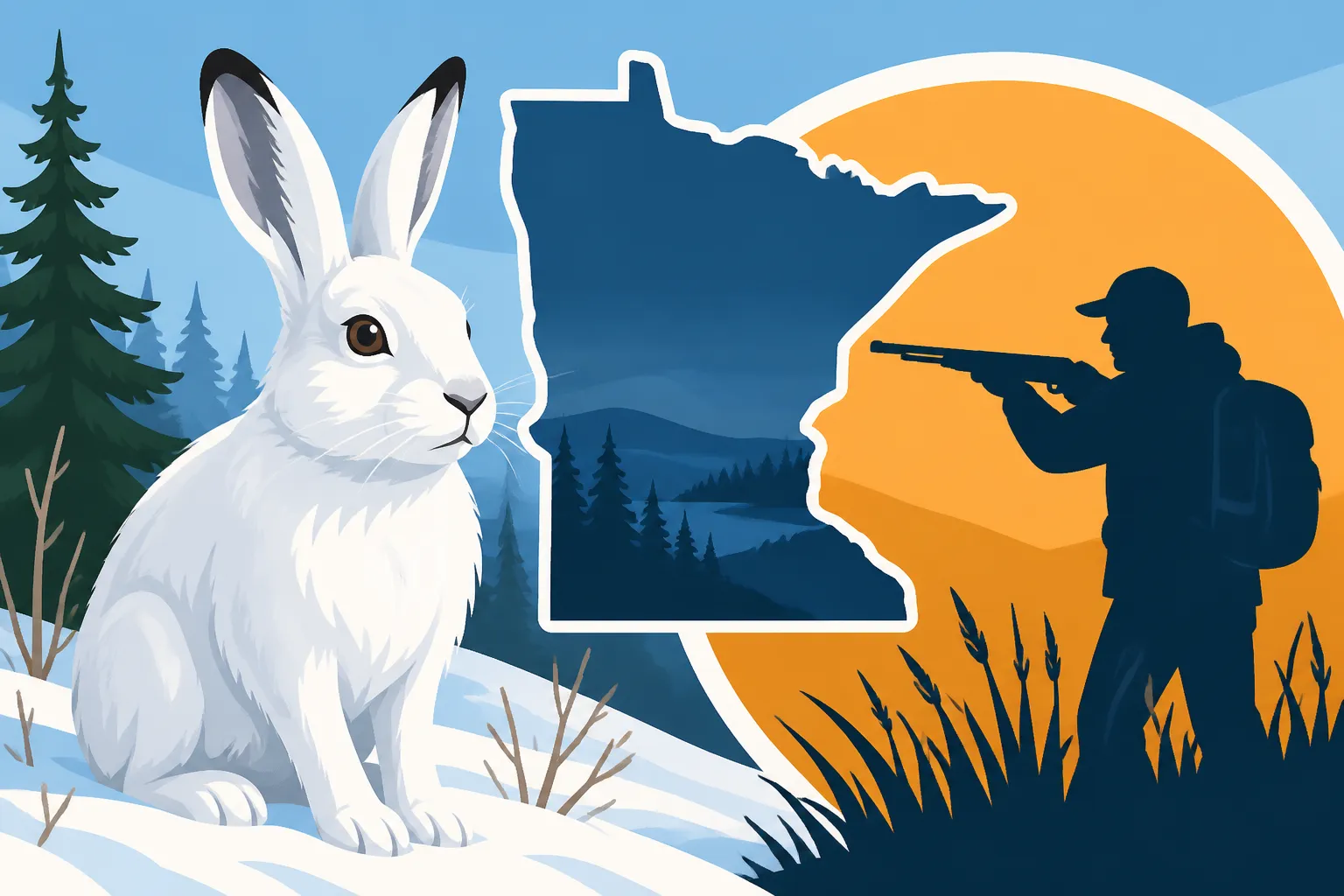
For many of us who love the Minnesota woods, there's something truly special about spotting a snowshoe hare. Their incredible camouflage, the way they disappear into a world of white, it's a testament to nature's ingenuity. But if you're like me, you've probably noticed that some years seem abundant with these fluffy-footed forest dwellers, while others feel incredibly quiet. This guide is all about diving into what we know about snowshoe hare numbers in Minnesota, what makes them tick, and how these fluctuations affect our experiences in the Northwoods.
Understanding the Fluctuations in Snowshoe Hare Populations
Snowshoe hares, those iconic creatures of our northern forests, are known for their dramatic population cycles. It's not just your imagination if one year you see them everywhere and the next they seem scarce. These cycles are a well-documented phenomenon in ecology, often peaking every 8 to 11 years before crashing down to lower numbers, only to begin building up again. This ebb and flow is a natural part of the ecosystem, and it has profound impacts on everything from predator populations to the very vegetation in our woods.
Think about it: during a peak year, the forest floor seems alive with their distinctive tracks, crisscrossing through the pines and alder thickets. You might jump several in a single morning's walk. They are a primary food source for a host of predators, and when hare numbers are high, you often see an increase in animals like bobcats, lynx, and even great horned owls. But then, almost as if on cue, their numbers will start to decline, sometimes quite sharply. This can be due to a combination of factors, including increased predation pressure from those very animals that benefited from the abundance, disease, and even stress from overcrowding. It's a complex dance that keeps the ecosystem in a delicate balance. Snowshoe Hare Numbers in Minnesota are constantly changing, and understanding these shifts helps us appreciate the dynamic nature of our state's wildlife.
When hare populations bottom out, it can feel like the woods are empty. Trails you once considered prime hare habitat might show no fresh sign for weeks. This isn't necessarily a cause for alarm, but rather a normal, if sometimes frustrating, part of the cycle. For hunters, trappers, or even just wildlife watchers, it means adjusting expectations and tactics. It also means that when you do encounter a hare during these lean years, it feels like an even more special moment. These cycles are a crucial part of the boreal forest and mixed conifer-hardwood ecosystems where hares thrive, ensuring a long-term sustainability for both the hares and the species that depend on them.
Key Factors Influencing Hare Numbers: Habitat, Predators, and Climate
The life of a snowshoe hare is a constant struggle for survival, and their numbers are dictated by a powerful trio of environmental factors: the quality and availability of their habitat, the pressure from a diverse array of predators, and the ever-changing climate, particularly our long Minnesota winters. Each of these elements plays a critical role in determining whether a population will thrive, decline, or merely hold steady.
Habitat is paramount for snowshoe hares. They are creatures of dense cover, preferring young conifer stands, thick alder swamps, and areas with abundant understory where they can hide from aerial and terrestrial predators. These thickets provide both refuge and food – hares browse on twigs, buds, and bark, especially during winter. A healthy mix of forest ages, with regenerating clear-cuts or areas recovering from natural disturbances like wildfires, often creates ideal conditions. Without this dense escape cover, hares become incredibly vulnerable. You might use a mapping tool like GoHunt to scout for areas with good cover, looking for the tell-tale green patches of conifer or dense deciduous regeneration on aerial imagery before you even step foot in the woods. Rabbit and Hare Hunting in Minnesota depends heavily on locating these prime habitats.
Predation is perhaps the most famous driver of hare cycles. As mentioned, lynx, bobcats, coyotes, foxes, great horned owls, and even certain hawks all rely on hares as a significant food source. When hare numbers are high, these predator populations often see a boom in turn. But as the hares inevitably decline, the increased predator numbers exert even greater pressure, exacerbating the crash. It's a classic predator-prey relationship, a biological arms race playing out in our forests. Coyote Calling in a Minnesota Winter can be particularly effective when hare numbers are low, as coyotes are actively searching for alternative food sources. This is why a comprehensive understanding of the full ecosystem is so important for anyone spending time in the Northwoods.
Climate, especially the amount and duration of snow cover, is another critical component. Snowshoe hares are named for their large, furred hind feet that act like natural snowshoes, allowing them to move across deep snow more easily than many predators. Their iconic seasonal camouflage change – from brown in summer to white in winter – is also snow-dependent. If snow comes late, or melts early, they can be a stark white target against a brown or green backdrop, making them incredibly vulnerable. Mild winters with less snow can disrupt their ability to escape predators and access food, impacting survival rates. Conversely, a good, consistent snowpack can give them a critical advantage. This is where apps like GoHunt can provide valuable insights, with weather overlays helping you predict how accessible different areas might be for both hares and their predators.
What Snowshoe Hare Numbers Mean for Minnesota Hunters
For those of us who enjoy chasing snowshoe hares, either with a .22 rifle, a small gauge shotgun, or even just a pair of binoculars and a camera, understanding their population numbers is crucial. It directly impacts our hunting strategy, our success rates, and even the overall experience of being out in the winter woods. When hare numbers are high, it's a fantastic time to be out, offering plenty of action and opportunities. When they're low, it becomes a much more challenging and solitary pursuit, demanding more skill and perseverance.
In years of high hare populations, you can expect to find them in nearly every suitable patch of cover. This makes still-hunting through thick stands of spruce, balsam fir, or alder incredibly productive. You'll jump more hares, get more shots, and probably fill your game vest quicker. It's an ideal time for new hunters or young people to experience the thrill of small game hunting, building confidence and fostering a love for the outdoors. Even without a dog, you're likely to flush several animals. Hunting Squirrels in Minnesota Hardwoods is another great small game option, but the dynamic with hares in heavy cover is unique. Hunters often find themselves deep in dense woods where visibility is limited, making quick reflexes essential.
| Population Level | Hunting Experience | Key Considerations |
|---|---|---|
| High | More frequent flushes, higher success rates. | Focus on thickest cover, enjoy the abundance. |
| Moderate | Steady opportunities, requires more active scouting. | Look for fresh tracks, target known good areas. |
| Low | Challenging, fewer sightings, high persistence needed. | Focus on primary food sources and escape routes, patience. |
Conversely, during low population years, the hunt transforms. It becomes less about quantity and more about the quality of the experience. You'll need to work harder, cover more ground, and really focus on finding fresh sign. This is when utilizing tools like GoHunt becomes invaluable, allowing you to identify the densest, most hare-friendly cover on a topo map before you even start walking. Look for areas with a mosaic of young growth and mature timber, places that offer both food and sanctuary. You might find yourself searching for that one perfect patch of cover that holds a resident hare or two, rather than expecting multiple flushes. This is also when having a good beagle or other rabbit dog really shines, as they can root out those few elusive hares that might otherwise go unnoticed.
Furthermore, hare numbers can indirectly influence other hunting opportunities. For instance, when hare populations are crashing, predators like bobcats and lynx might shift their focus to other prey species, which could, in turn, put more pressure on deer fawns or other small game. Understanding these interconnected dynamics helps us appreciate the broader ecological picture and become more informed hunters and conservationists. Whether the numbers are up or down, the chance to pursue snowshoe hares in Minnesota's winter wonderland is a cherished tradition for many, a true test of woodsmanship and an intimate connection to the wild. Running Beagles on Minnesota Snowshoe Hares is a fantastic way to enjoy the chase, regardless of the population cycle.
Finding Hares When Numbers Are Up or Down
Regardless of whether we're in a peak or a low point in the snowshoe hare cycle, there are always strategies to increase your chances of finding these fascinating creatures. It's all about understanding their preferences and adapting your approach to the current conditions and the specific type of habitat you're hunting in. The key is to be observant, patient, and willing to delve into the thick stuff.
When hare numbers are high, they're often found in a wider variety of habitats, as competition for prime spots might push them into less ideal cover. However, even then, focusing on their preferred dense coniferous stands, such as spruce swamps, cedar bogs, or young pine plantations, will be most productive. Look for areas where the canopy is thick enough to offer overhead cover from raptors, and the understory is so dense you can barely walk through it. These areas not only provide excellent hiding spots but also a consistent food supply of twigs and bark. Tracks in fresh snow will be your best indicator; they'll often lead you right into the thickest patches. Don't be afraid to push through seemingly impenetrable tangles – that's often exactly where they're hunkered down.
During years when the numbers are lower, you really need to fine-tune your scouting and hunting. This means targeting only the absolute best hare habitat. Instead of expansive areas, look for smaller, isolated pockets of ideal cover, like an island of conifers within a deciduous forest, or a particularly thick stream bottom. These are often the last strongholds during a population dip. Pay close attention to transition zones, such as where a dense conifer stand meets a more open deciduous area, as hares might move between these for different foraging opportunities, especially at dawn and dusk. Using tools like GoHunt to mark potential hare hot spots based on satellite imagery and topographical maps can save you a lot of walking in unproductive areas. Reading Aerial Photos for Big Woods Deer can also help you identify dense cover likely to hold hares.
Another often overlooked tactic, especially in low years, is to focus on food sources. While hares are generalist browsers, they do have preferences. During winter, they rely heavily on the bark, buds, and twigs of willow, aspen, birch, and various conifers. Look for areas where these species are abundant and show signs of browsing. Sometimes, finding a concentrated food source near thick cover can be the key to locating a hare that's trying to conserve energy. Early morning and late afternoon are often the best times, as hares tend to be most active during these periods, moving between their daytime hiding spots and feeding areas. Persistence is your greatest ally during these times, and every successful flush feels like a hard-won victory. Hunting in deep northern Minnesota snow means reading tracks and understanding how hares move through challenging conditions.
Disclaimer
This article is for general informational purposes only and does not constitute professional advice. Laws, prices and regulations vary by location and change over time. Consult a qualified professional for guidance on your specific situation.